An introductory salon
Hartmut Bitomsky
Hartmut led “a workshop in the old-fashioned way of discussion, mutual exploration of ideas and samples; trying out what can be shared and where the fault lines show.”
Arika have been creating events since 2001. The Archive is space to share the documentation of our work, over 600 events from the past 20 years. Browse the archive by event, artists and collections, explore using theme pairs, or use the index for a comprehensive overview.
Hartmut led “a workshop in the old-fashioned way of discussion, mutual exploration of ideas and samples; trying out what can be shared and where the fault lines show.”
Could they be one of the most ferocious live noise acts around, or a necessary and ludicrous parody of ferocious noise acts? Could they be both?
The program of composed music including Feldman’s Instruments III, Ligeti’s piece for 100 Metronomes Poeme Sympathetique, and Rebonds B by Iannis Xenakis.
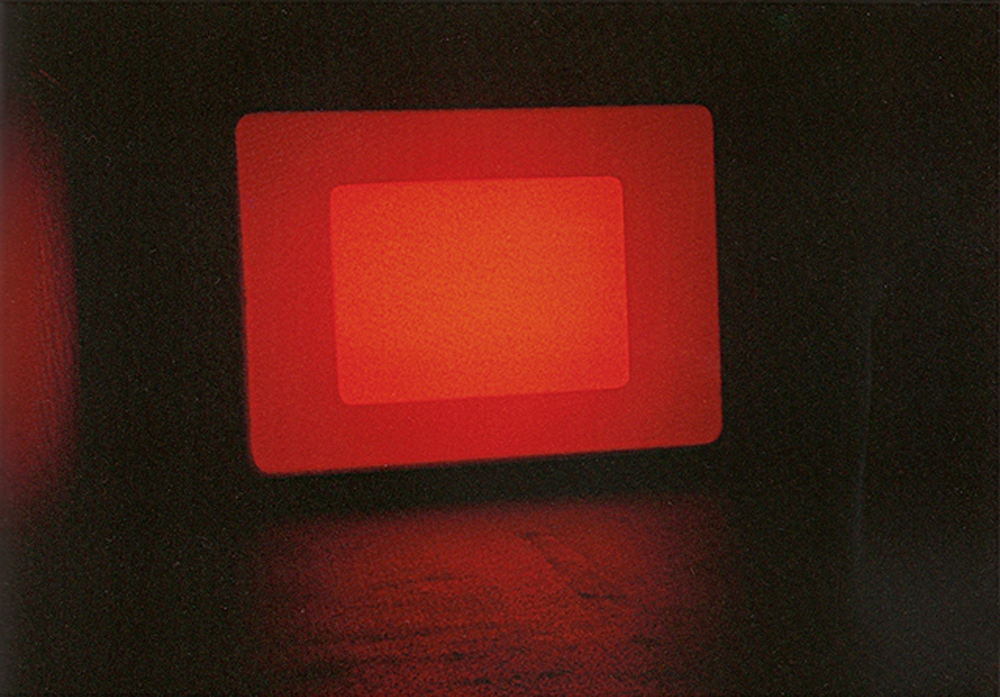
Paul Sharits is one of our all time heroes, and one of the great artist filmmakers of the 20th Century.
When one calls a strike, who hears the call, who attunes and listens to it? How to listen to the call of a strike? What prevents one from hearing this call or stops one from listening to it?
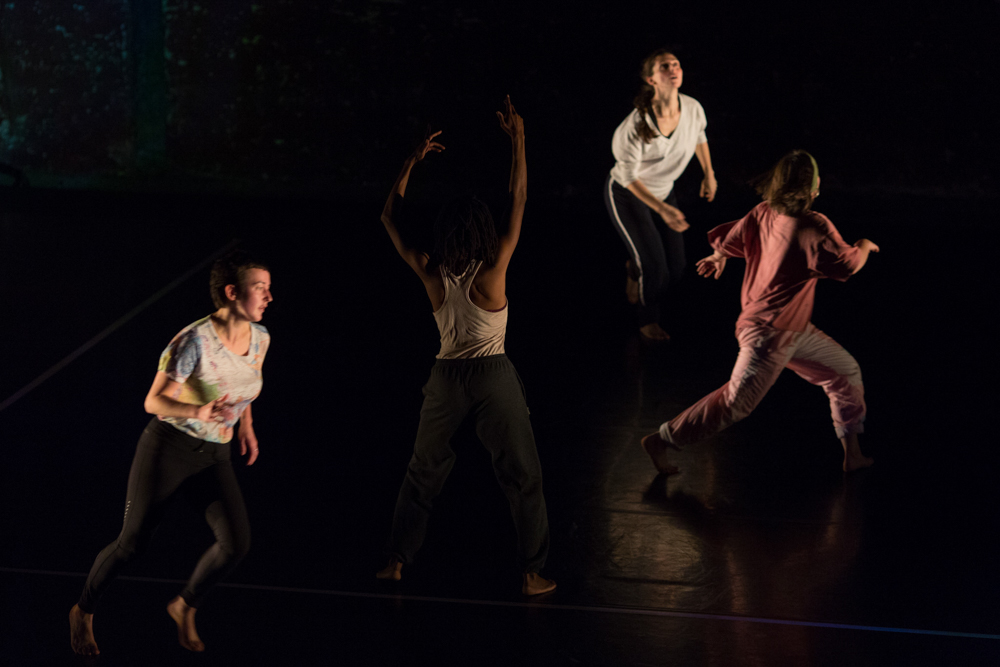
The ongoing development of [b]reach, an abolitionist black queer retelling of Marge Piercy’s incredible feminist utopian novel Woman on the Edge of Time.
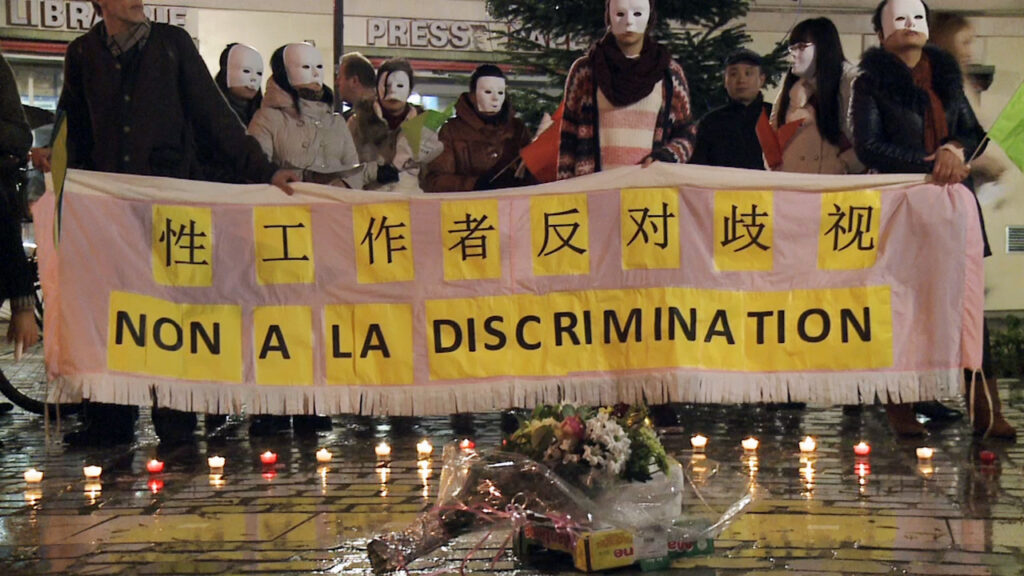
Join Scot-PEP, SWARM and Decrim Now for a day of panel discussions focusing on: sex worker’s labour rights, how decriminalisation can help in the struggle for sex worker safety, sex work & migration with a film screening of Crossings.
Glasgow. Free-playing quartet of bass/ cello/ voice from The Glasgow Improvisors Orchestra and Age Of Wire & String.
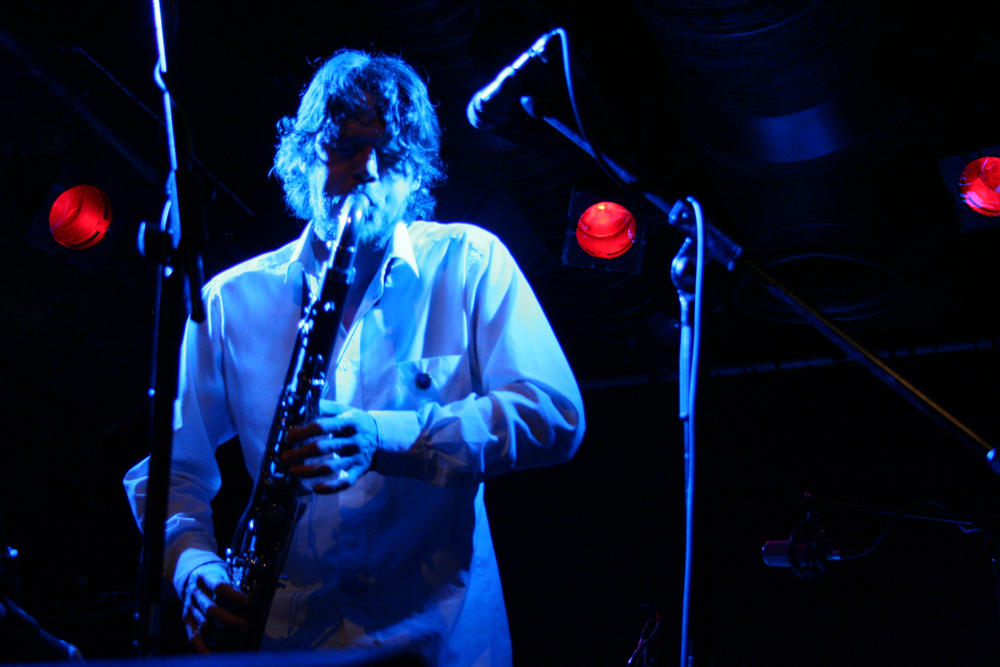
Solo performance on bass clarinet, jaw harp & voice by Arrington De Dionyso.
An audio/ video, lecture/ performance exploring the queer and companionly inter-activity of human-animal relations.
Individual experience separated by physical boundaries (of space, time or ability) suggested as communities of collective experience by (perhaps voyeuristic) artists.
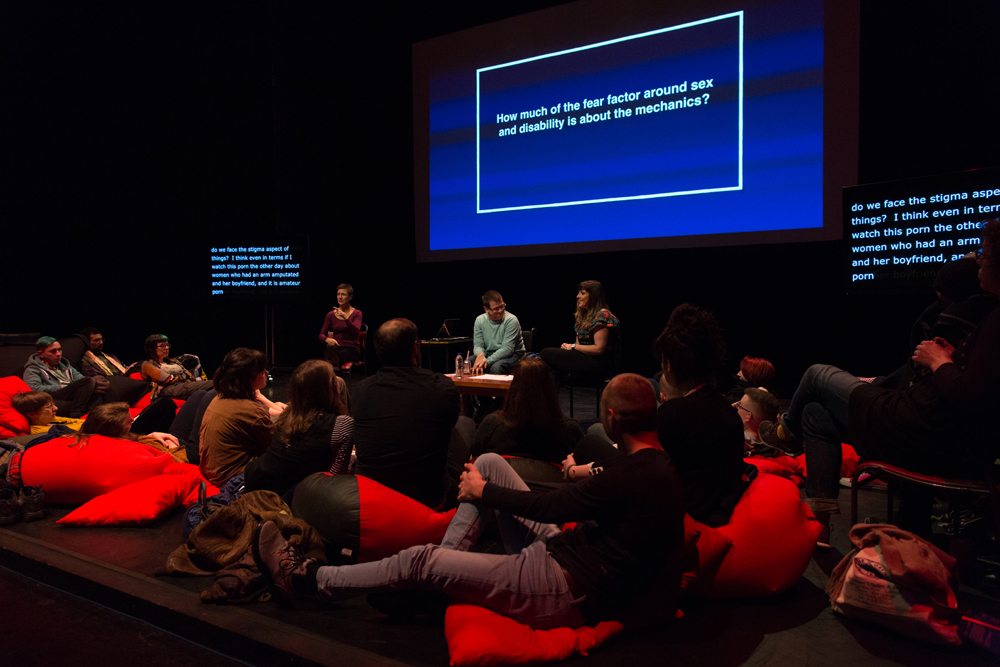
How do people living with disability see themselves in today’s sexualised culture? How do we imagine our crip sexual selves despite society wanting to reduce us to non-erotic bodies?