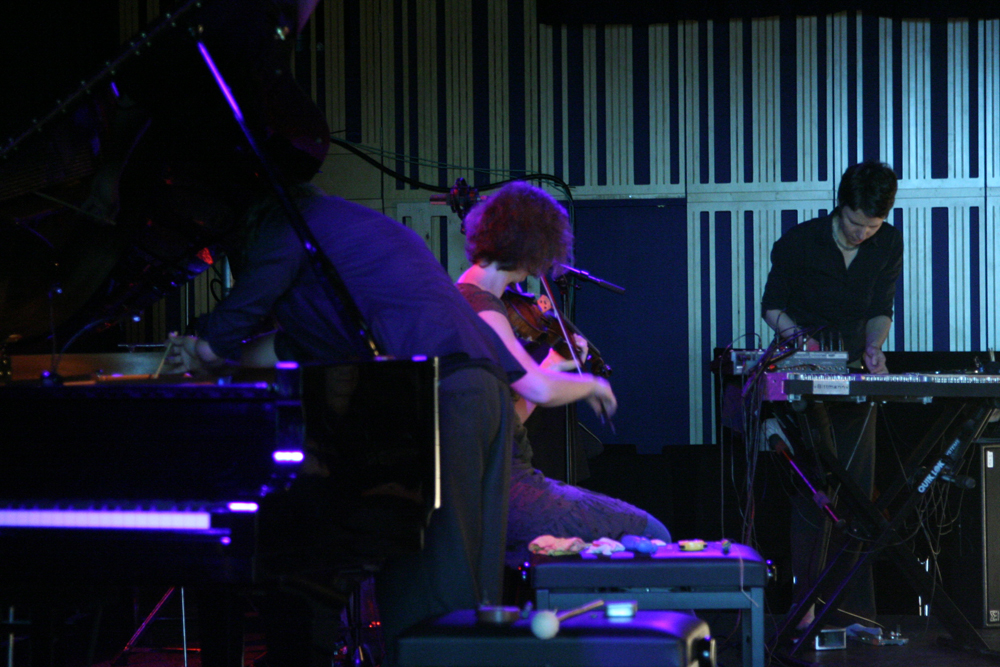
Angharad Davies, Tisha Mukarji, Andrea Neuman
Andrea Neuman Angharad Davies Tisha Mukarji
Improvising violinist Angharad Davies performing with pianists Tisha Mukarji and Andrea Neumann.
Arika have been creating events since 2001. The Archive is space to share the documentation of our work, over 600 events from the past 20 years. Browse the archive by event, artists and collections, explore using theme pairs, or use the index for a comprehensive overview.
Improvising violinist Angharad Davies performing with pianists Tisha Mukarji and Andrea Neumann.
Join Ståle Holgerson to discuss his new book Against the Crisis, hosted by Glasgow Housing Struggle Archive
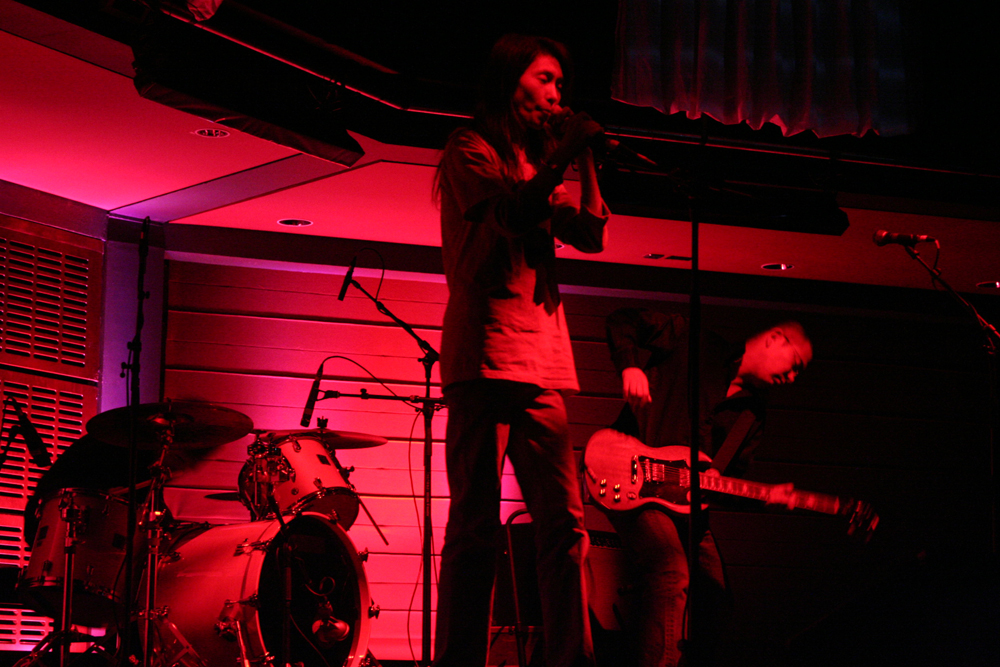
Three iconic figures from the Japanese underground assembled as a trio to stand in for the advertised duo of Junko and Jerome Noetinger who was unable to attend the festival due to illness.
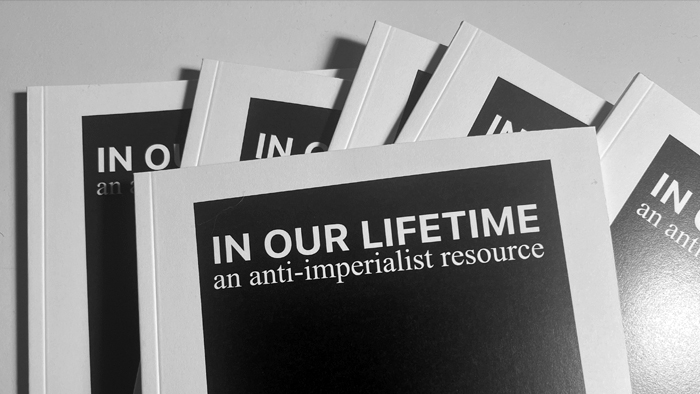
IN OUR LIFETIME, is an anti-imperialist resource, edited by Hussein Mitha, produced by Arika for Episode 11, featuring poetry, essays, questions, prompts, letters and works of anti-colonial imaginary.
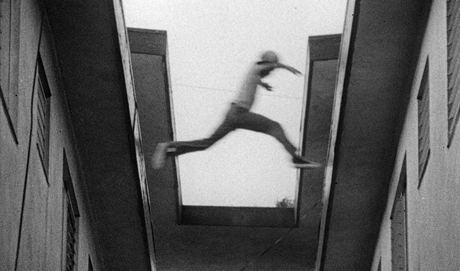
Killer of Sheep is an undisputed masterpiece of African-American filmmaking and one of the most poetic, perceptive dramas ever made about family and community.
Writing that shows us that, even in struggle, there is light to be let in.
With a signature spartan sound and long term preoccupation in structural tactics (subtle shifts in density, drawn out stasis) Polwechsel blur the boundaries between individual instruments.
A programme that looks at how sound and image can be treated as variants in a collection of ordered objects; at how to create meaning from the similar, and to notice difference.
How do we sense entanglement? Can the knotting of ropes according to a poem’s rhythm make the social pulse of language matter?
Paul Sharits is one of our all time heroes, and one of the great artist filmmakers of the 20th Century.
The first of two workshops that highlight correspondence as a way of working. Somewhere between song, speech, and logistical arrangement, these workshops invite participants to consider care as infrastructure.
Beyond time, colorlines, ability, and sexuality, a movement exploration into what it means to see and be seen, how hearing contrast with what is actually being heard.