Relative
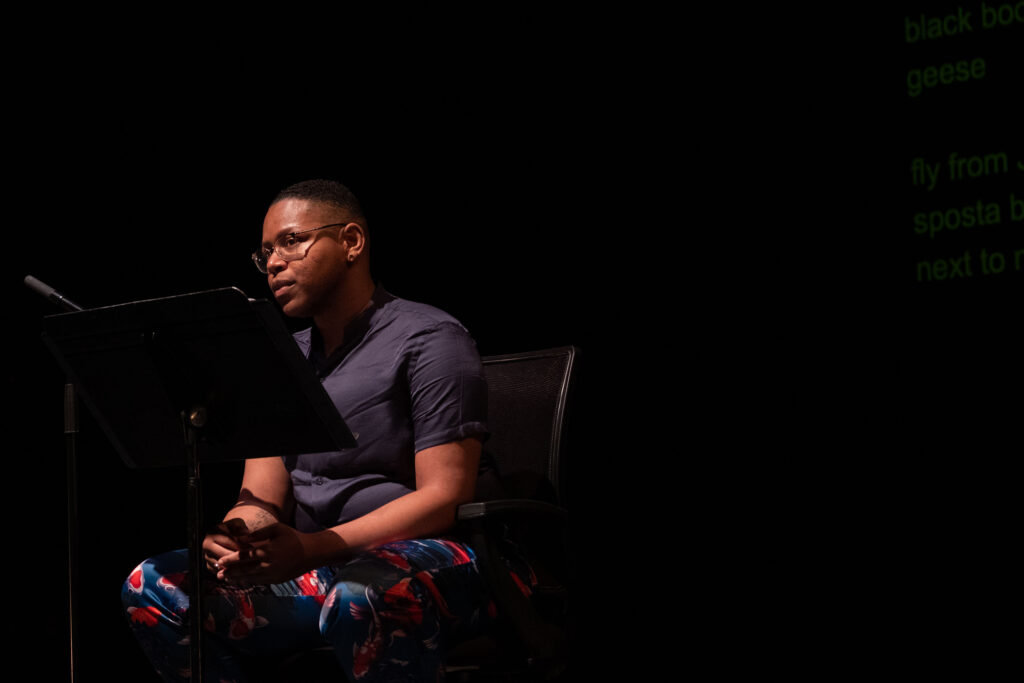
Jerron Herman
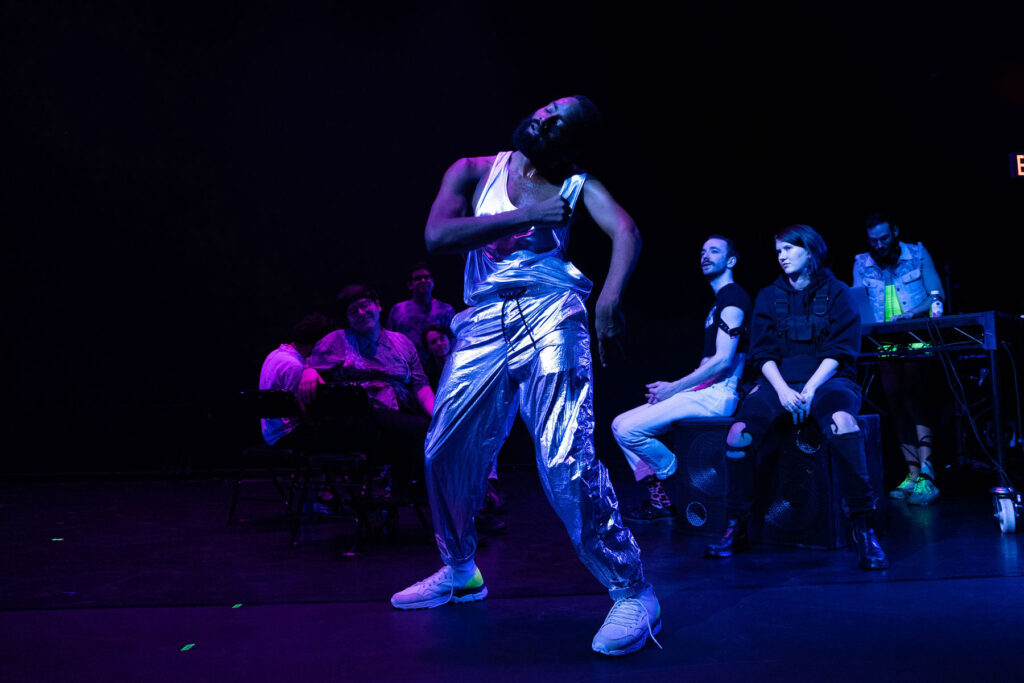
A dance party love letter to our community, expressing the joy of relation in the abstract and through actual physical proximity.
Arika have been creating events since 2001. The Archive is space to share the documentation of our work, over 600 events from the past 20 years. Browse the archive by event, artists and collections, explore using theme pairs, or use the index for a comprehensive overview.
A dance party love letter to our community, expressing the joy of relation in the abstract and through actual physical proximity.
Discussion: If we approach “care as an event” rather than as a “contract of exchange” then what becomes possible in how we know, care for, and appreciate each other?
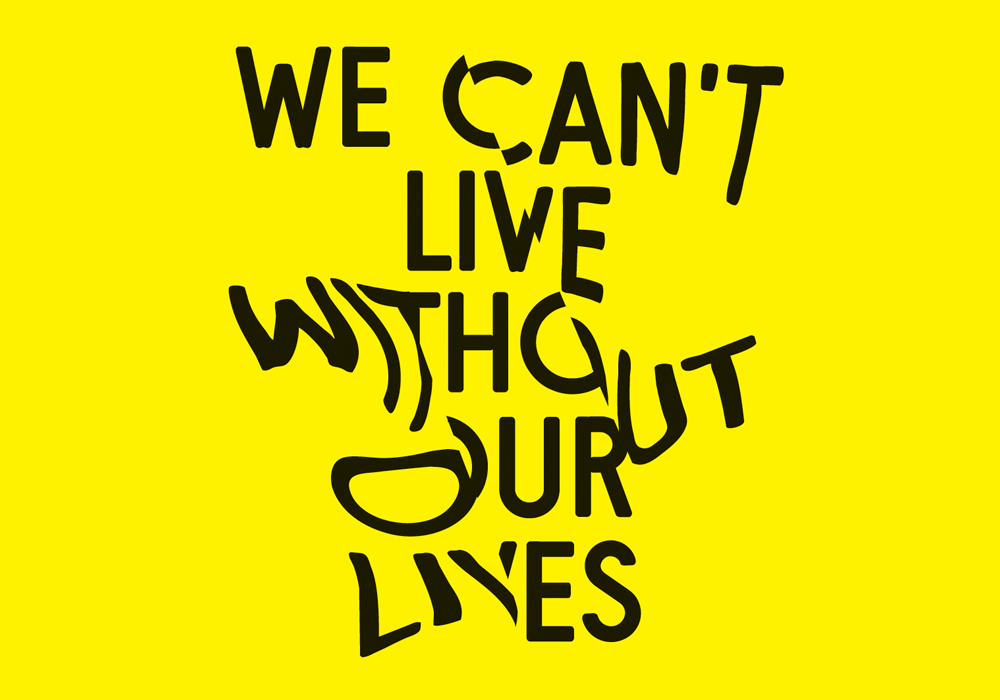
In a moment of social exhaustion, we want to ask how we might care for each other differently. We Can’t Live Without Our Lives is a 5-day exploration of care as a form of struggle and resistance, with communities who embody it.
Tormented and drawn-out high-pitched yelps and drones, all interleaved with periods of torpid silence.
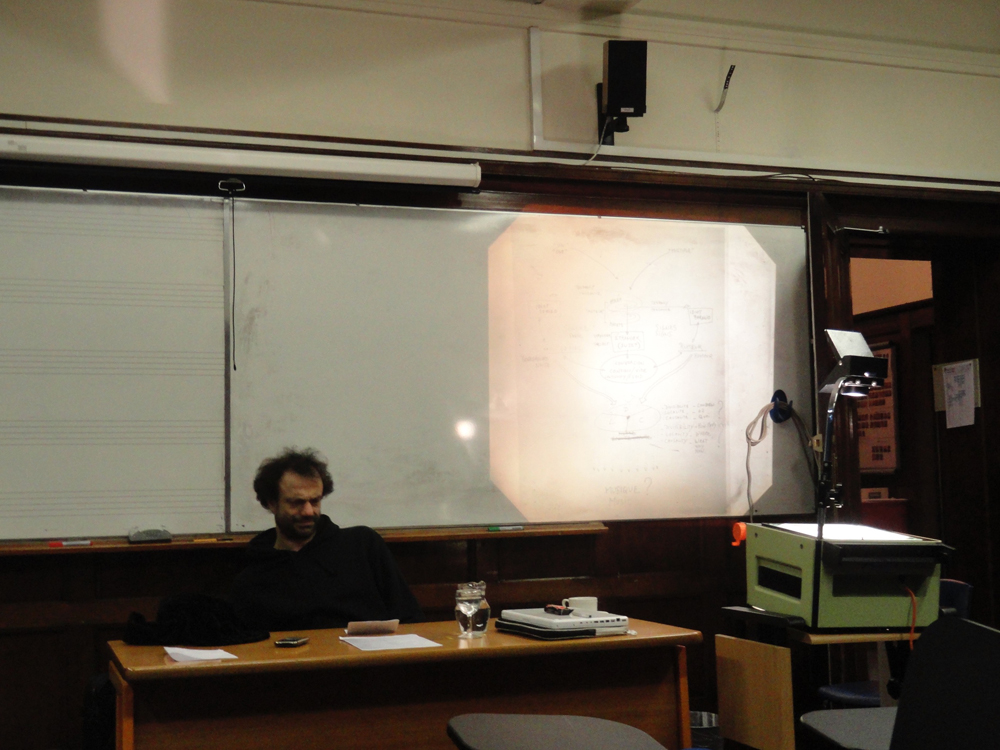
Jean-Luc Guionnet will be giving a talk as part of the music department’s ongoing series of colloquia.
Poetry of raw fearless truth and the realest crip insight fully embedded in absolute lyrical lounge.
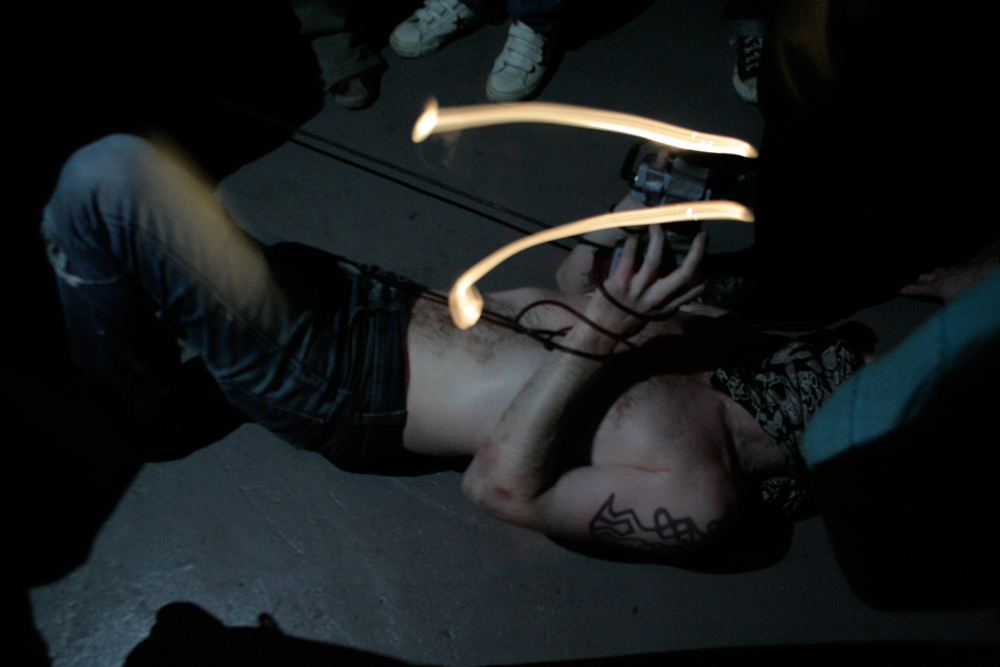
Kylie Minoise Vs Nackt Insecten feedback/ vocal physical threat ‘vs’ ecstatic electronic cloudbursts
Paul Sharits’ Shutter Interface is a multi screen installation born of an intent to reveal the material substance of cinema in its purest form: spatially.
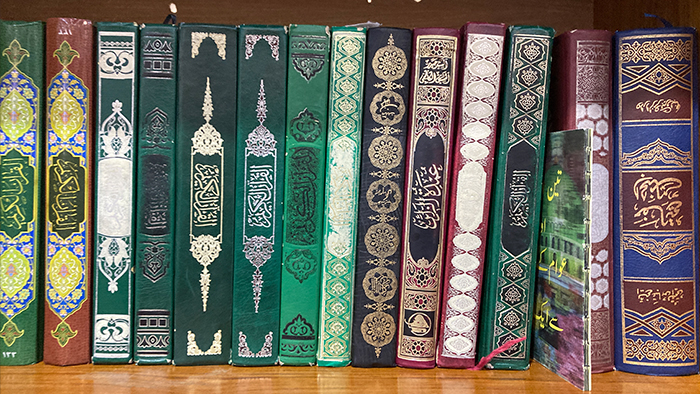
Sadia Shirazi & Mezna Qato will discuss a series of scores that explore the texture and landscape of exile, resistance, and Muslim sociality. These instructional scores trouble the idea that art and activism are untouched by faith and faith is untouched by art and activism.
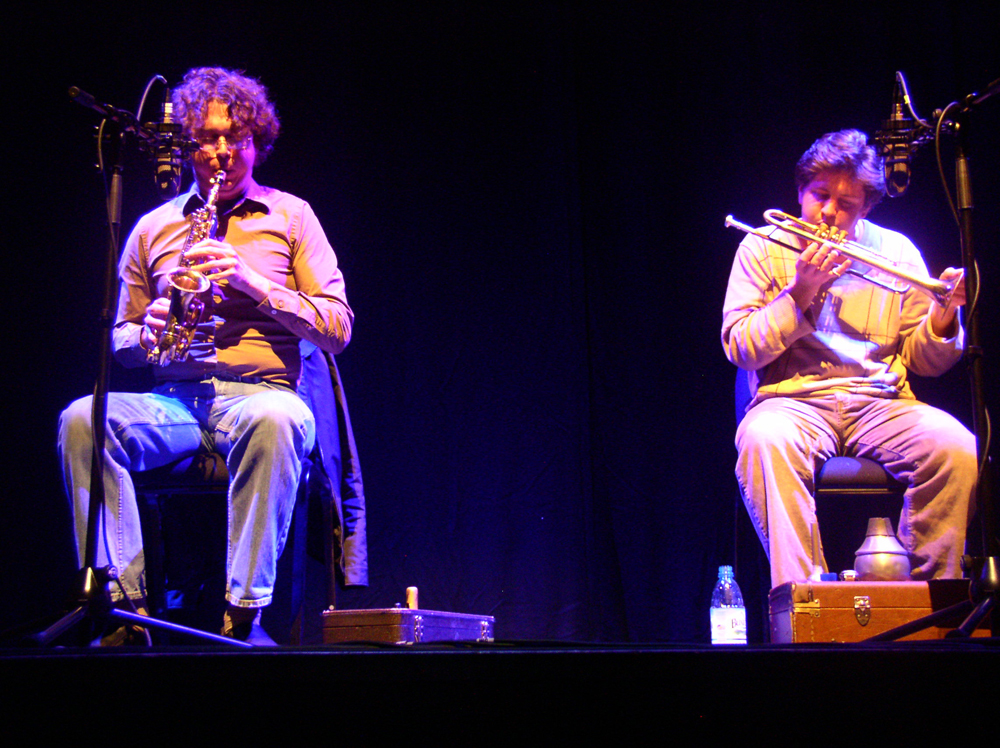
Boston duo of saxophonist Bhob Rainey and trumpeter Greg Kelley approach their improvisations with a slew if extended techniques and pregnant silences.
Dworkin asks: What would a non-expressive poetry look like? A poetry of intellect rather than emotion?
How do you know what you want? Should freedom be doing what you ought, not doing what you want? How might a philosopher and artist turn this thinking into an enabling condition in the context of noise and improvisation?