



15 May 2010
Tramway
Bleu Shut
Bleu Shut reveals, and allows us to enjoy, our gullibility within the pervasive absurdity of modern life.
UNINSTAL
Arika have been creating events since 2001. The Archive is space to share the documentation of our work, over 600 events from the past 20 years. Browse the archive by event, artists and collections, explore using theme pairs, or use the index for a comprehensive overview.
Bleu Shut reveals, and allows us to enjoy, our gullibility within the pervasive absurdity of modern life.
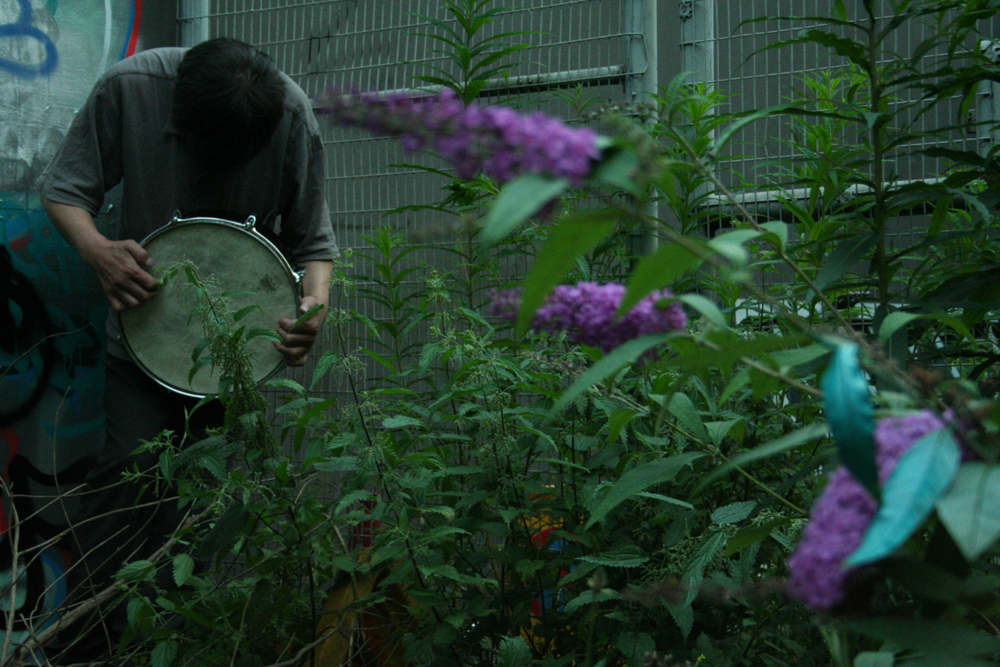
The site of the former Abbeyhill Station on the 1903 Leith branch of the Edinburgh and Dalkeith railway, overgrown and leading to as yet un-regenerated ‘wasteland’; taxi’s for 80 people, each instructed to take different routes between locations and; a slice of land concealed behind corporate business park branding off the Wester Approach Rd, apparently of no conceivable use and named ‘Chateaux de Scum’ by those who use it anyway.
Artist Derek Lodge running a specially designed social space, somewhere for conversation, story-telling and interaction.

Koji Asano, Japanese composer and sound-artist performing slow groaning burbling tones, moaning echoes and drones.
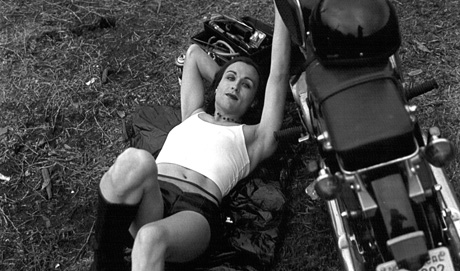
An audio and video investigation of gender cults, Catholicism, hauntings and nuns’ use of audio devices…
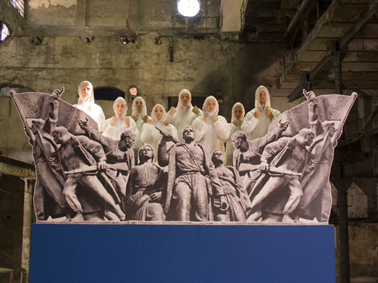
The Songspiels take on a mode of musical theatre developed by playwright Bertolt Brecht and composer Kurt Weill in the early twentieth century, presenting political and social concerns through the accessible and (often funny) form of song.
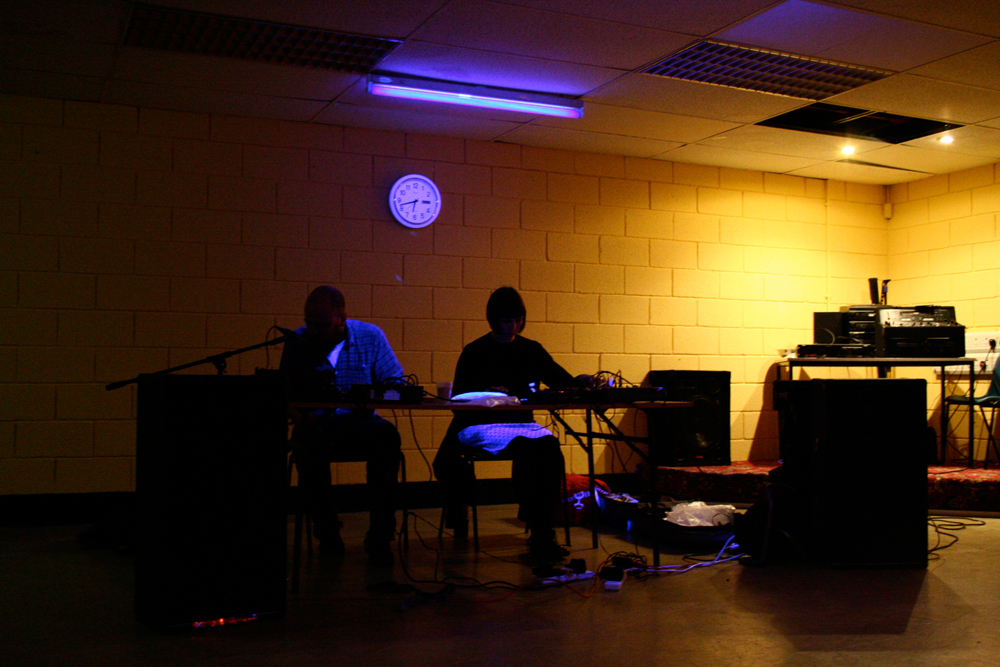
Avant-wrongdoers Blood Stereo performing in Garthamlock the town spawned them.
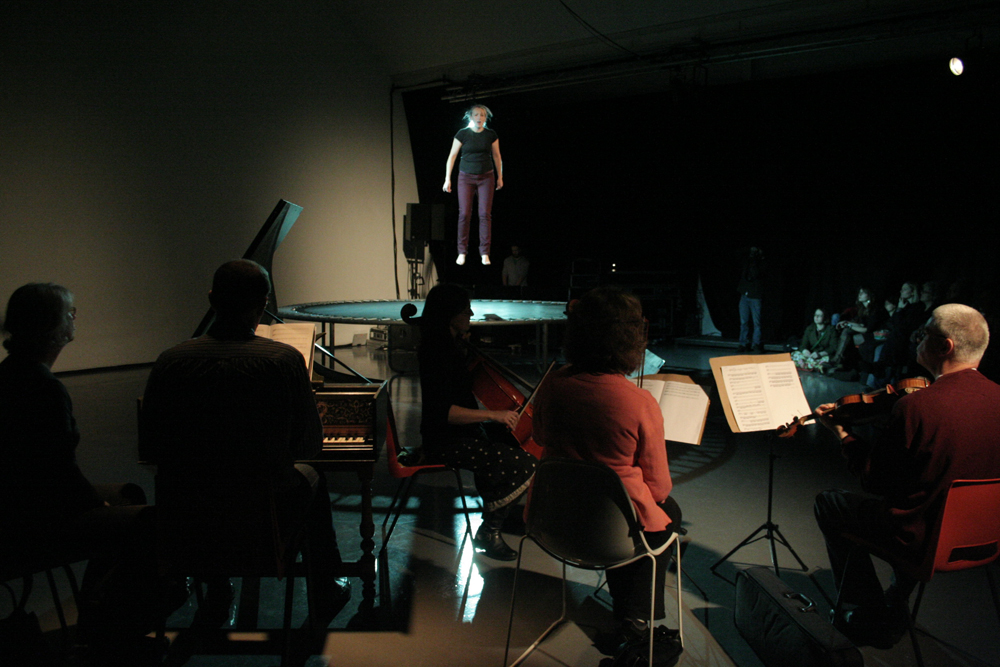
A chorister attempting to sing Vivaldi, with live accompaniment, while trampolining for 20 minutes.
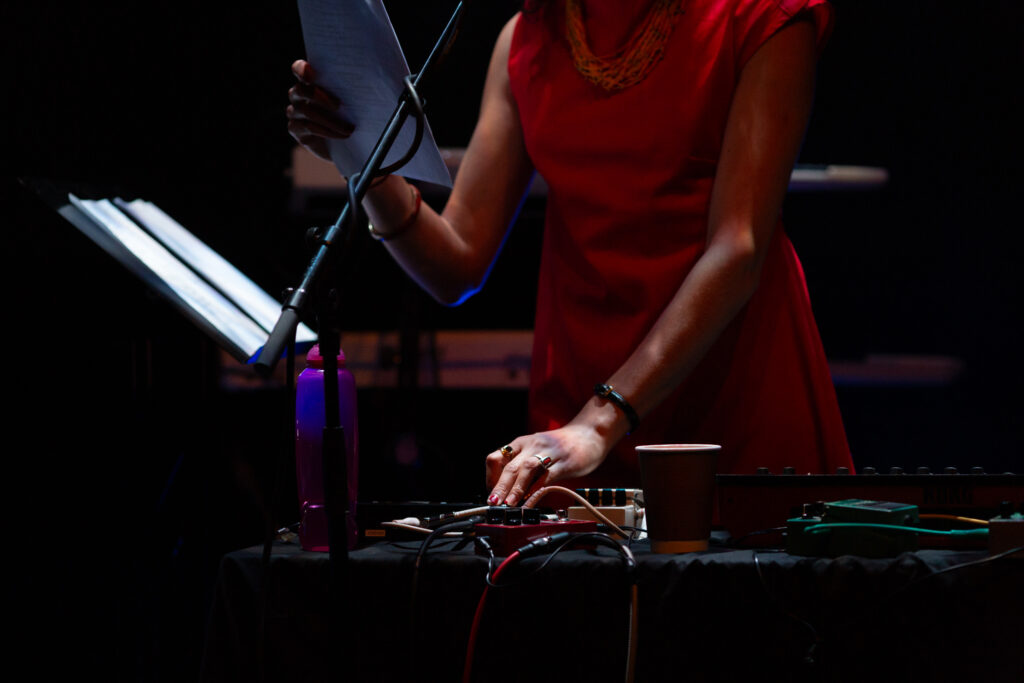
Transfeminist and revolutionary poetry, voice and timbral abstraction: a sounding and spatialising of reparative sonic and somatic practices that can speak back to violent histories of expropriation and ecocide.
Lo-fidelity sheets of parinirvanic mangled tone get driven into oblivion by two longstanding gurus of the Northern England primitivist noise.
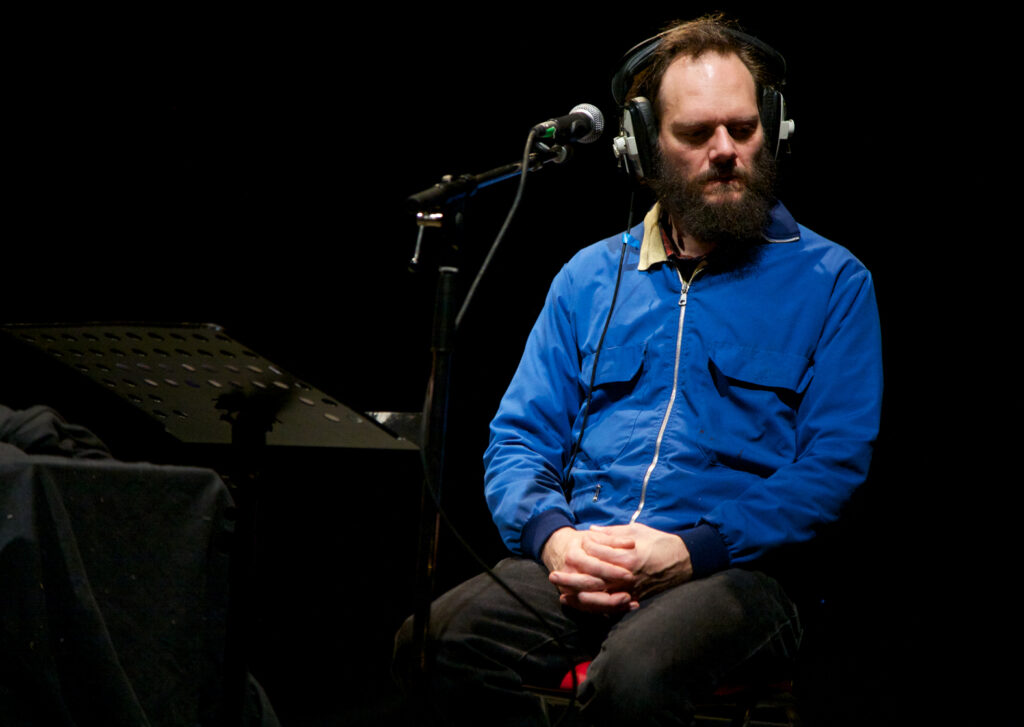
Listening to people listening to their own homes. Musicians and actors will listen back to recordings made in local peoples homes on headphones, and interpret/ translate what they are hearing.
Dundee. Progressive rhythmical guitar squall vs. post-highland discorporate dusk-jockey.