

28 August 2005
Scottish Rite Theatre
Austin 05
Jandek
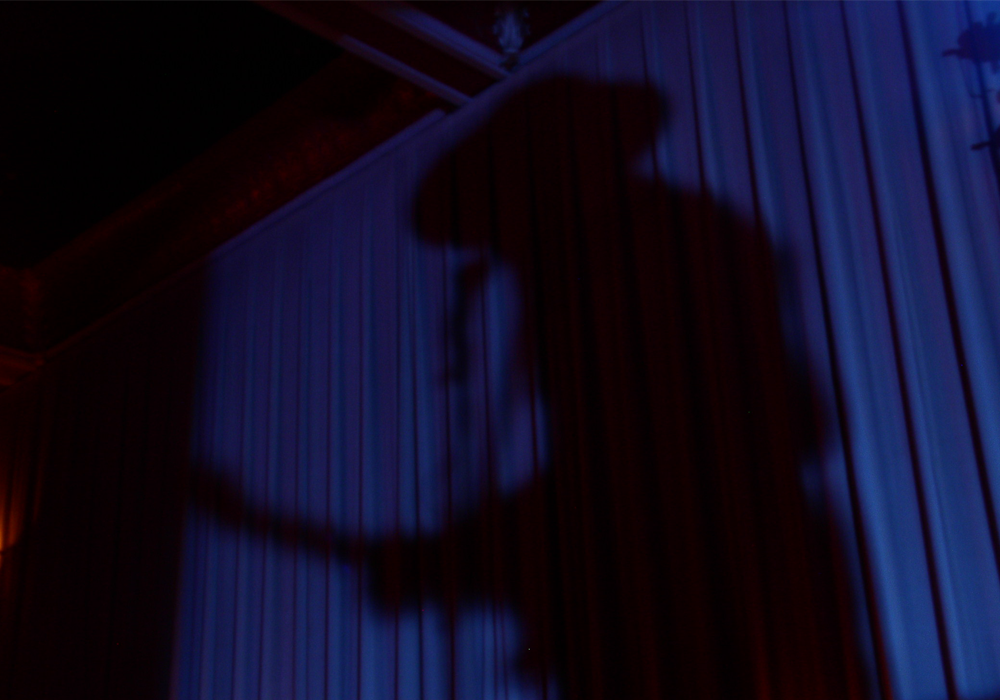
Jandek performing at the Scottish Rite Theatre in Austin, Texas with Juan Garcia, Nick Hennies and Chris Cogburn.
Arika have been creating events since 2001. The Archive is space to share the documentation of our work, over 600 events from the past 20 years. Browse the archive by event, artists and collections, explore using theme pairs, or use the index for a comprehensive overview.
Jandek performing at the Scottish Rite Theatre in Austin, Texas with Juan Garcia, Nick Hennies and Chris Cogburn.
First in a series of workshops for workers and non-workers who care. Does work that asks us to be attentive to the needs of others force us to sell our capacity for kindness?
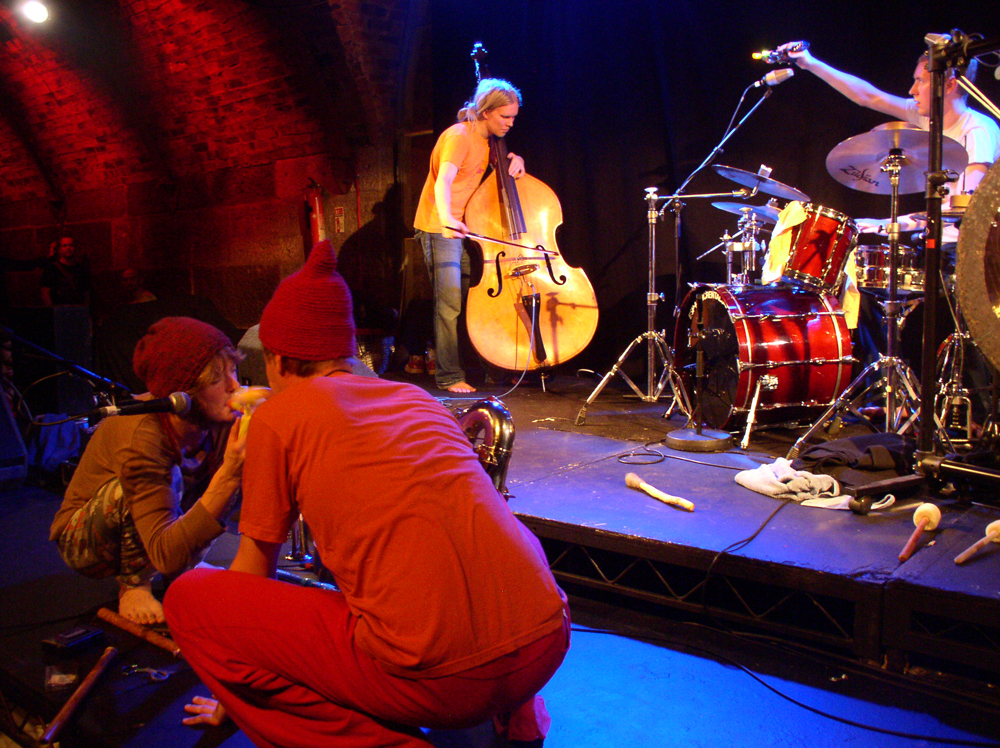
Captures the creak and rustle of the forest, with an exhilarating tension let loose in unconfined maniacal and bare-knuckle group thinking.
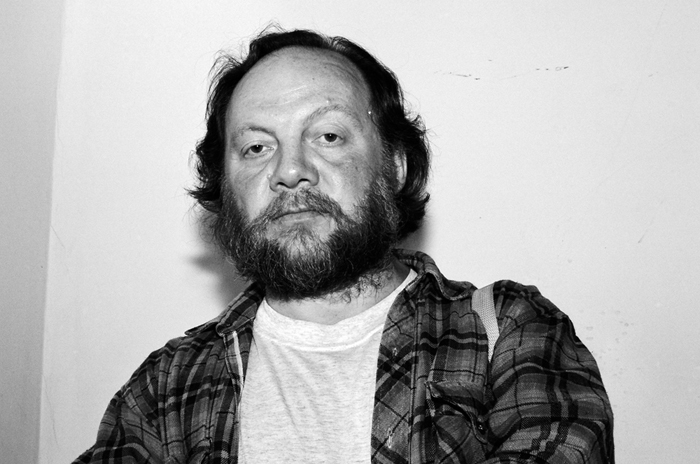
Repetitive, mesmerizing rhythmic workouts, to pieces of stark and rigorous introspection, where notes picked and slid in isolation, scatter like mercury around the listener.
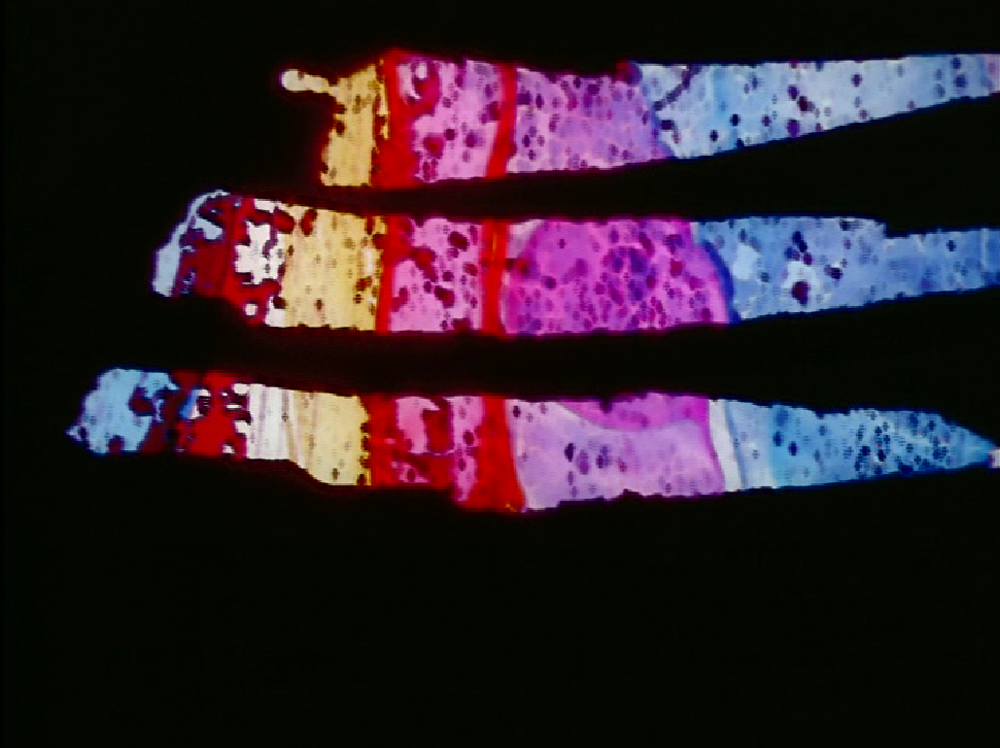
Birthed from the collective stagger in global consciousness of the late 50’s and 60’s, this programme celebrates epochal, groundbreaking films that all address sound in their own way and that have opened pathways to experimentation.

African American history, avant-garde jazz riffs and activism intertwine in experimental verse of extraordinary and affecting beauty that has to be heard.
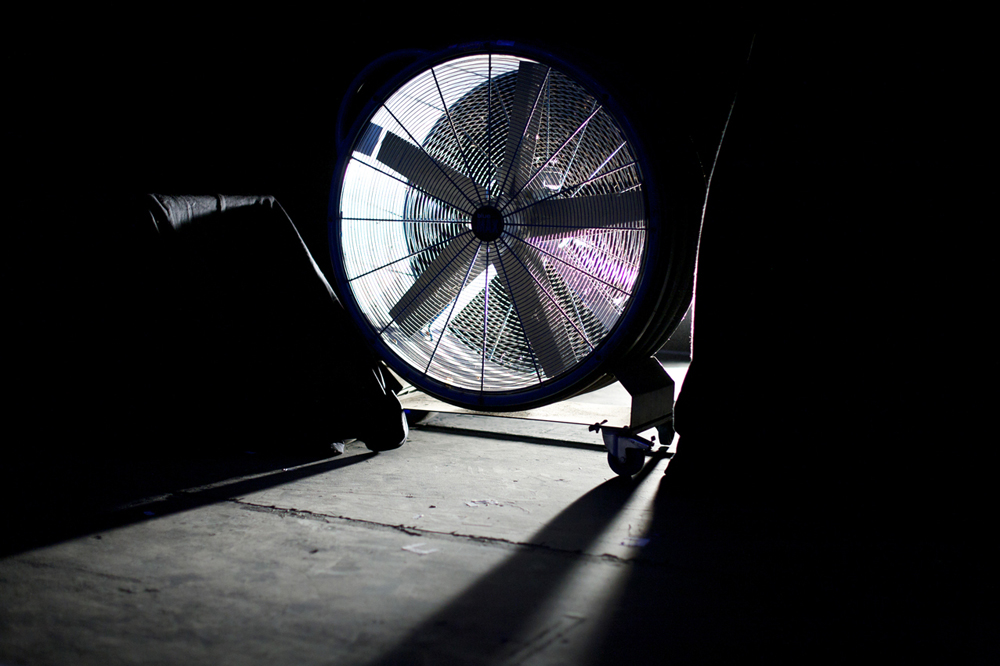
How do you know what you want? Should freedom be doing what you ought, not doing what you want? How might a philosopher and artist turn this thinking into an enabling condition in the context of noise and improvisation?

Looking at and listening to different ideas about sound and music, INSTAL 09’s collection of artists included Tetsuo Kogawa, vocalist Joan La Barbara, Phil Minton (and his Century FC feral choir), Austrian Actionist Hermann Nitsch, Steve McCaffery and many more.
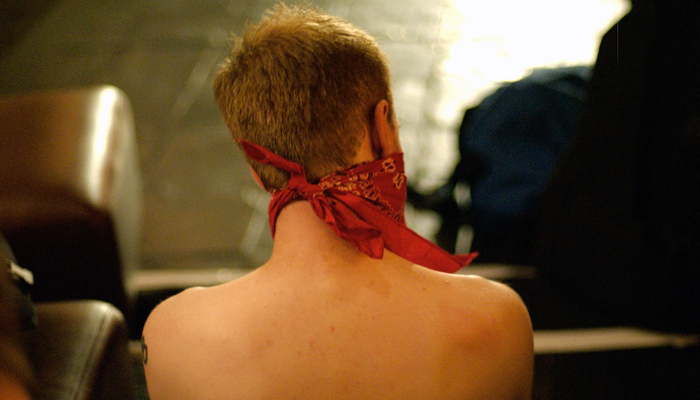
Thirty lucky Instal punters experience Kylie’s pre-match aggro workout one-on-one in the darkness of an Arches dressing room.
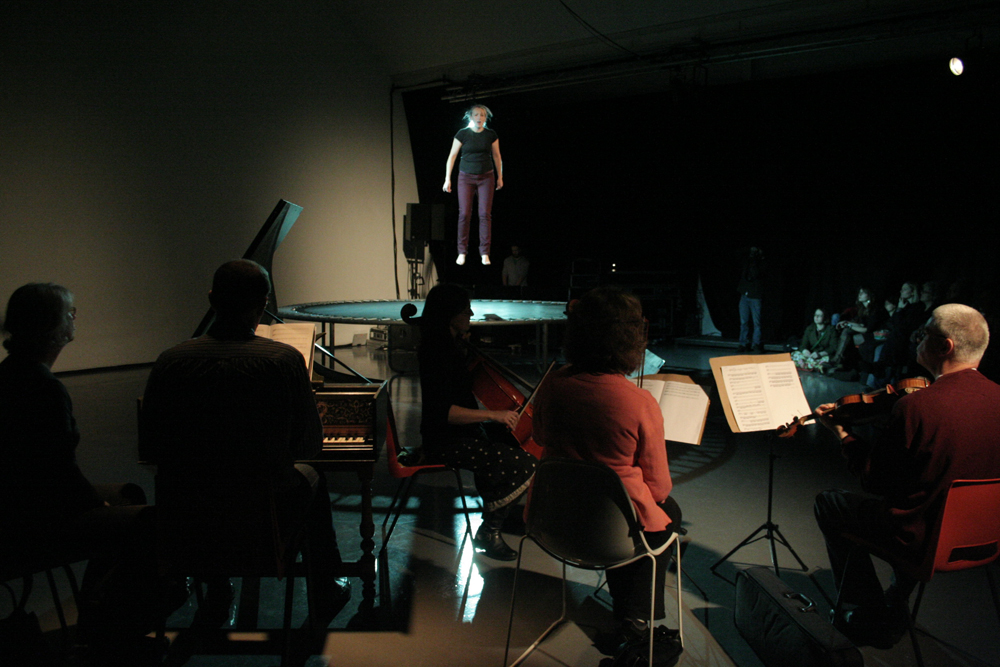
A chorister attempting to sing Vivaldi, with live accompaniment, while trampolining for 20 minutes.
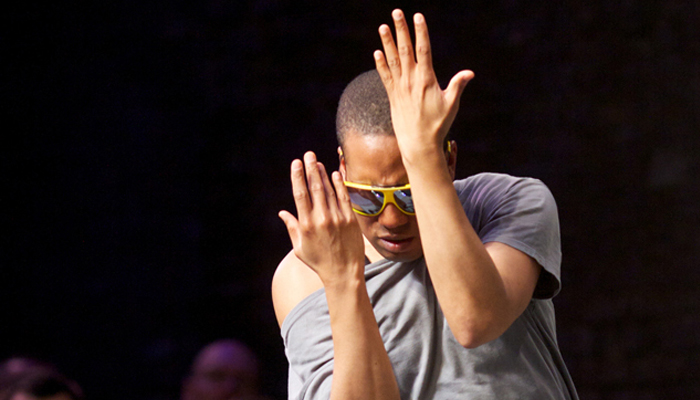
A meditation on how all of us perform — sometimes reinforcing, sometimes subverting — the shifting categories of gender, sexuality and race.
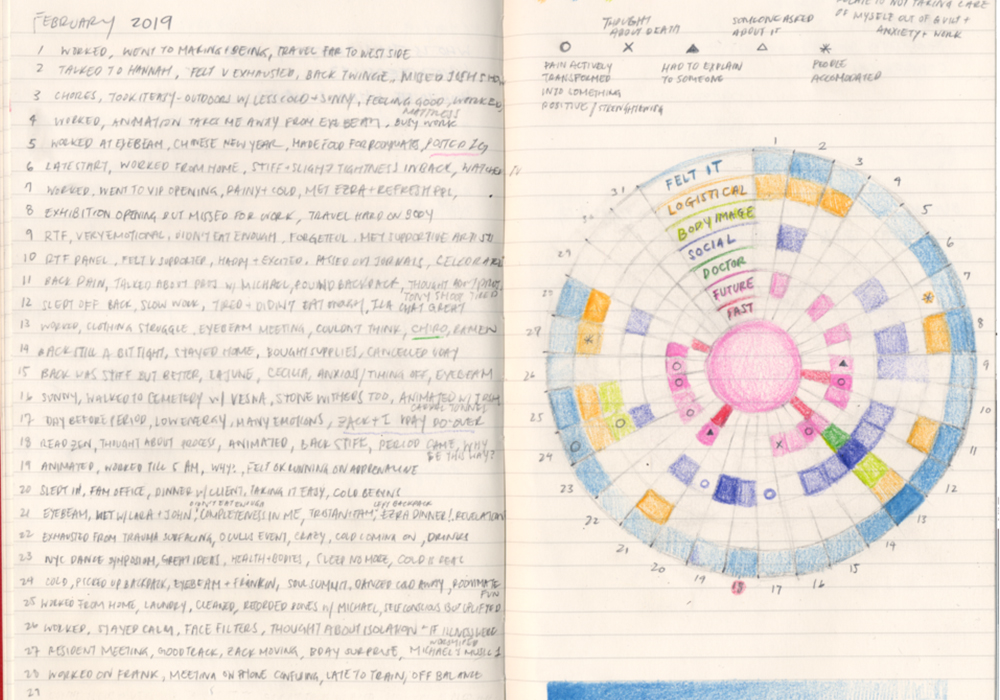
Coming to us from Taipei, Yo-Yo sends us elsewhere while bringing us back with her to the timezone of tomorrow. A dancer, media artist, and choreographer who makes multi-dimensions and realms, Lin’s amplification of energies and connections across bodies devolves the separations we are taught to abide.