Sound Cuts
Guy Sherwin
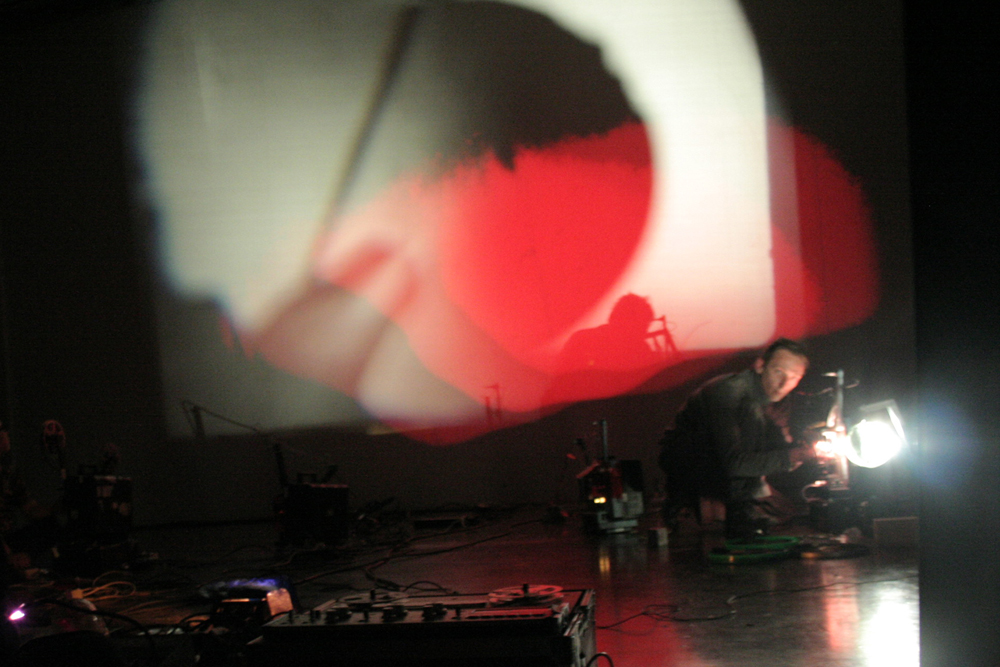
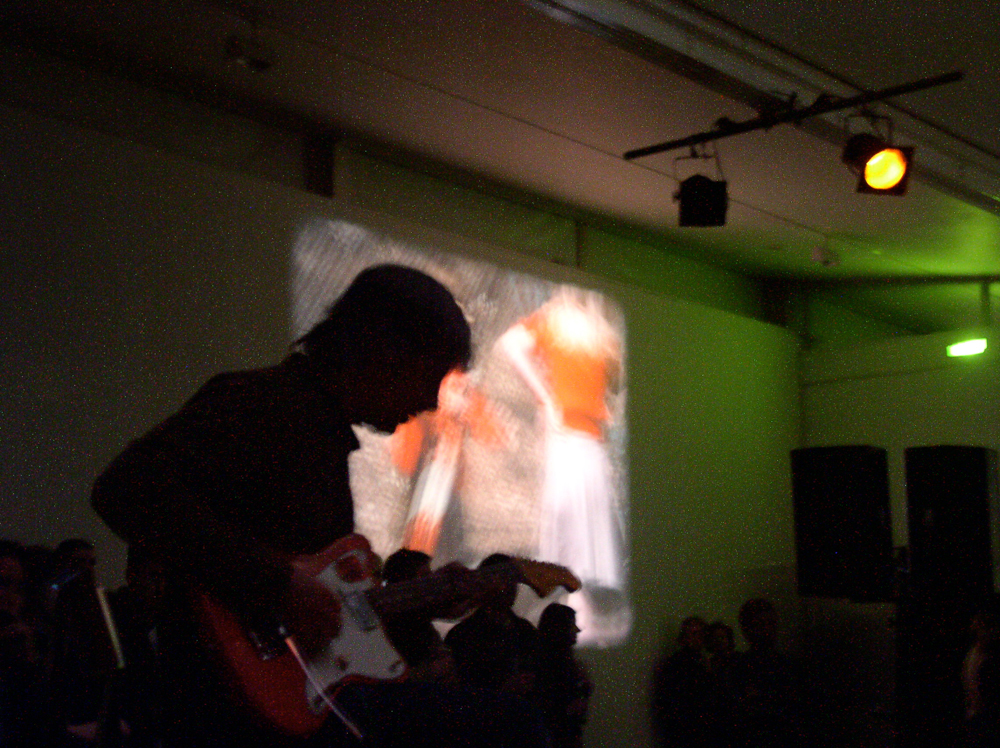
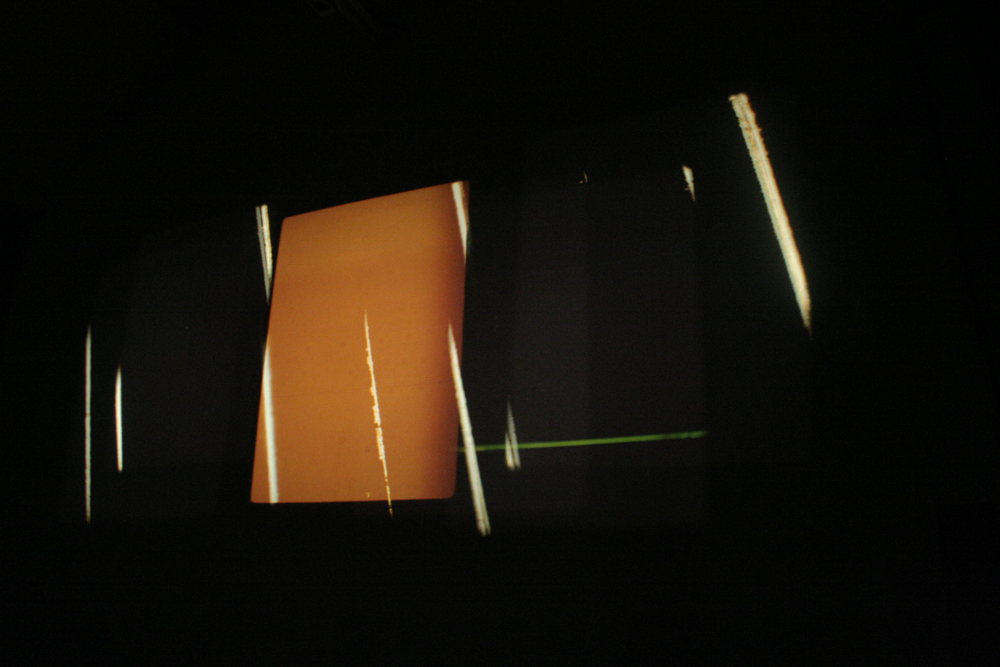
Noise music for the eyes. A 6 screen 16mm projection performance of intense audio and visual stimulus.
Arika have been creating events since 2001. The Archive is space to share the documentation of our work, over 600 events from the past 20 years. Browse the archive by event, artists and collections, explore using theme pairs, or use the index for a comprehensive overview.
Noise music for the eyes. A 6 screen 16mm projection performance of intense audio and visual stimulus.
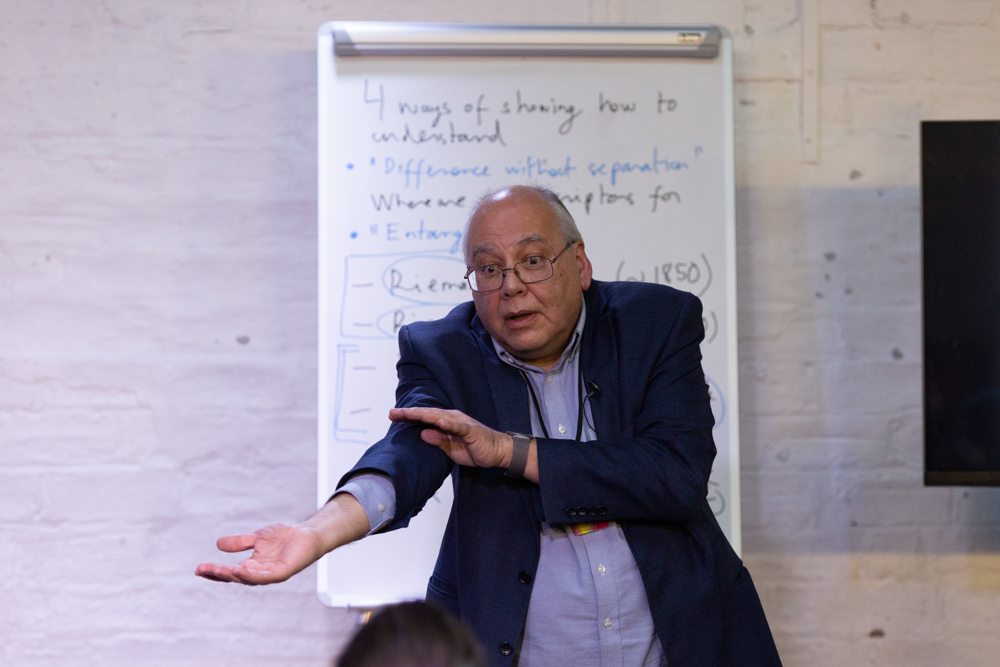
Fernando thinks that when maths is deep, it should be simple and able to be explained by hand gestures. By embodying ideas, we’re able to more clearly think about their cultural implications.
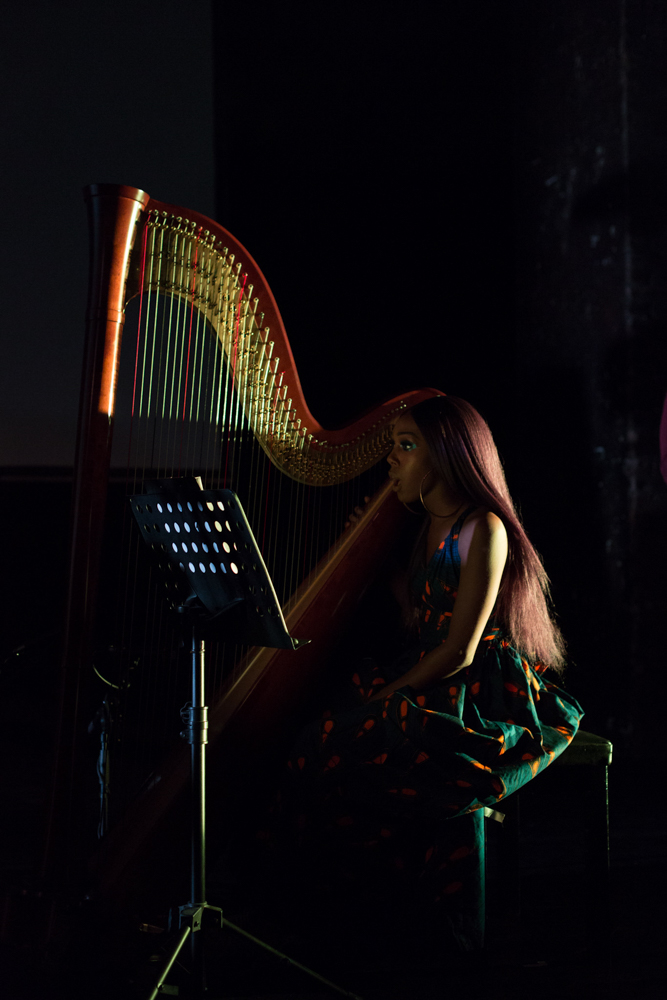
Juliana’s performances chart the dissonant space and discrepancy between the presumed fixed norms of social life and the fluid lived experience those norms don’t allow for.
Multiple images, glimpses of old films, abstract images in the midst of an electro-acoustic sound field of tape loops & analogue synthesizers
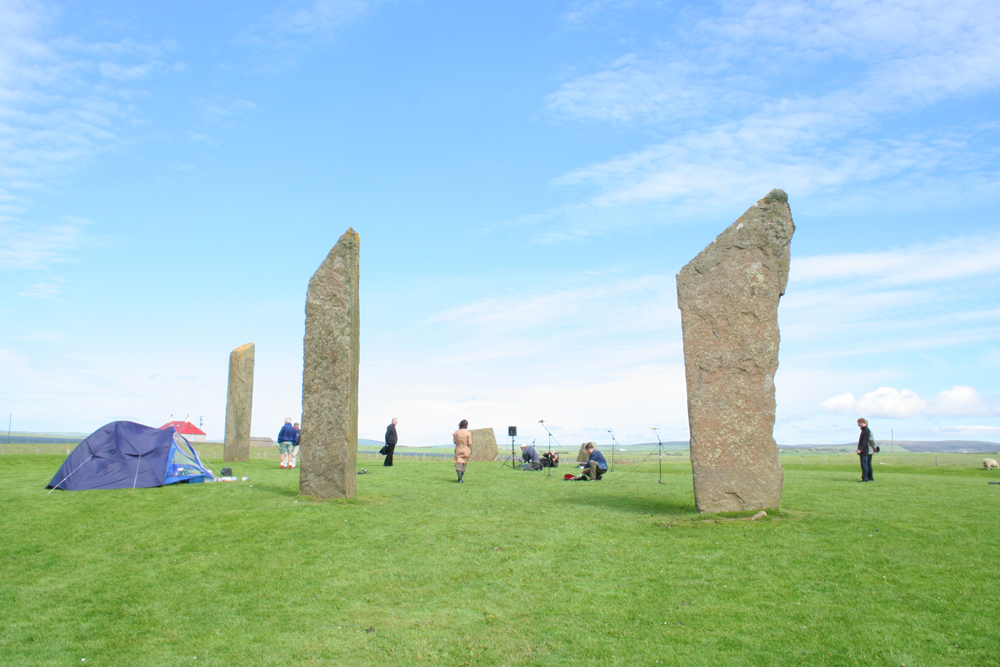
Akio Suzuki and John Butcher performing by the Stones of Stenness, instead of the Ring of Brodgar, because of bad weather.
A 2-day workshop to deconstruct our classed experiences and the ways in which we reproduce the same class system we fight against, in order to create a stronger, more egalitarian Scottish art sector.
Reflective blog by Dr Gabrielle Hodge on Touching the Future, a Protactile project with John Lee Clark, Soline Vennetier, Issy McGrath, Lisa van der Mark, Kyle Bettley and Jordan Goldman, supported by Arika, kickstarting radical DeafBlind Protactile world-building in Glasgow.
Music is full of refracted brass and wind tones, distorted tape loops, dead silent air and the occasional piercing shard of sound.
A chat with Rashad about the communist, conceptual methodology that informs his ground-breaking synthetic music—a form of speculative sonic fiction writing to produce hyperreal non-representational auditive experiences.
The mutability of the body and the mobility of identity: queered pop culture, drag, lip-sync and performance.
As opposed to suggesting soundtrack’s to Brakhage’s works [which are almost entirely silent] Text of Light use his works to stimulate improvisation, enveloping them into the structure of the group much like an additional musician.
A panel exploring how to dismantle the master’s house — its material edifices and ideological architecture — and the construction of abolitionist futures in the present.