Musica Electronica
Musica Electronica
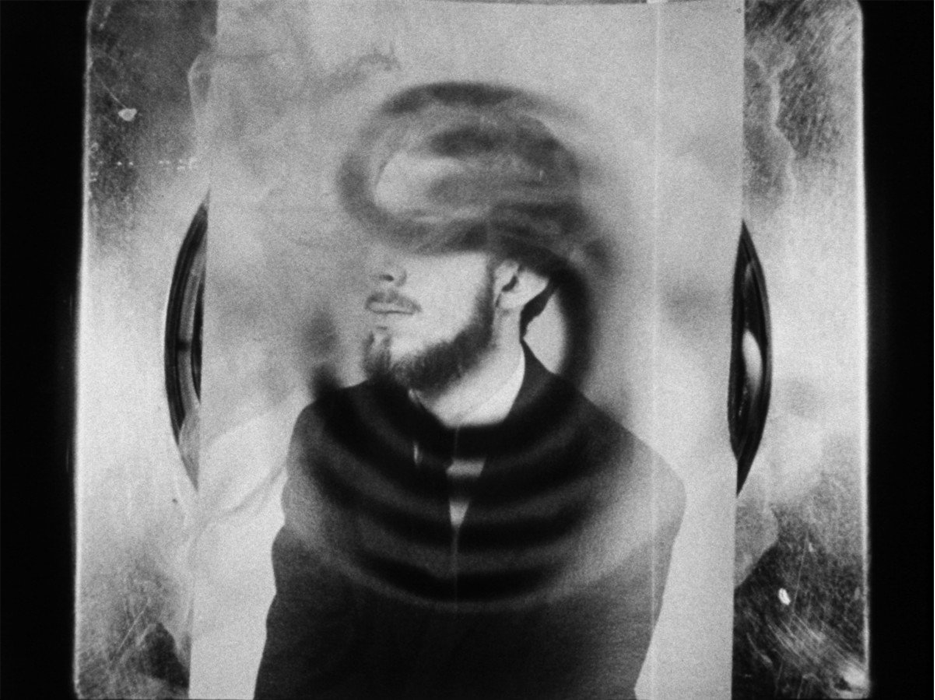
A sound diffusion piece by Glasgow University’s Musica Electronica, and a further selection of electroacoustic performances.
Arika have been creating events since 2001. The Archive is space to share the documentation of our work, over 600 events from the past 20 years. Browse the archive by event, artists and collections, explore using theme pairs, or use the index for a comprehensive overview.
A sound diffusion piece by Glasgow University’s Musica Electronica, and a further selection of electroacoustic performances.
A programme that looks at how sound and image can be treated as variants in a collection of ordered objects; at how to create meaning from the similar, and to notice difference.
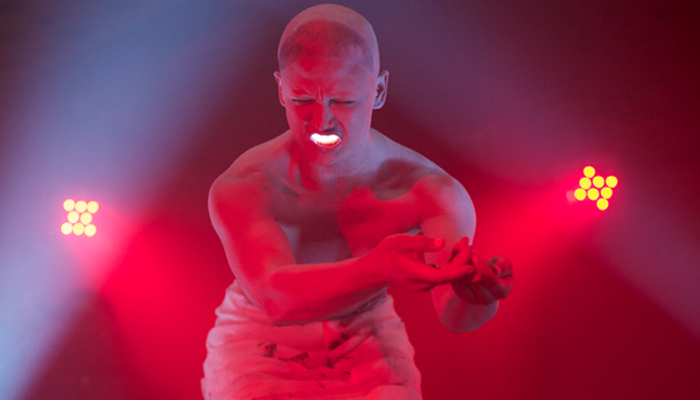
The club as a community and a site for performed politics: deep/ queer house, vogue femme, lipsync and ballroom.
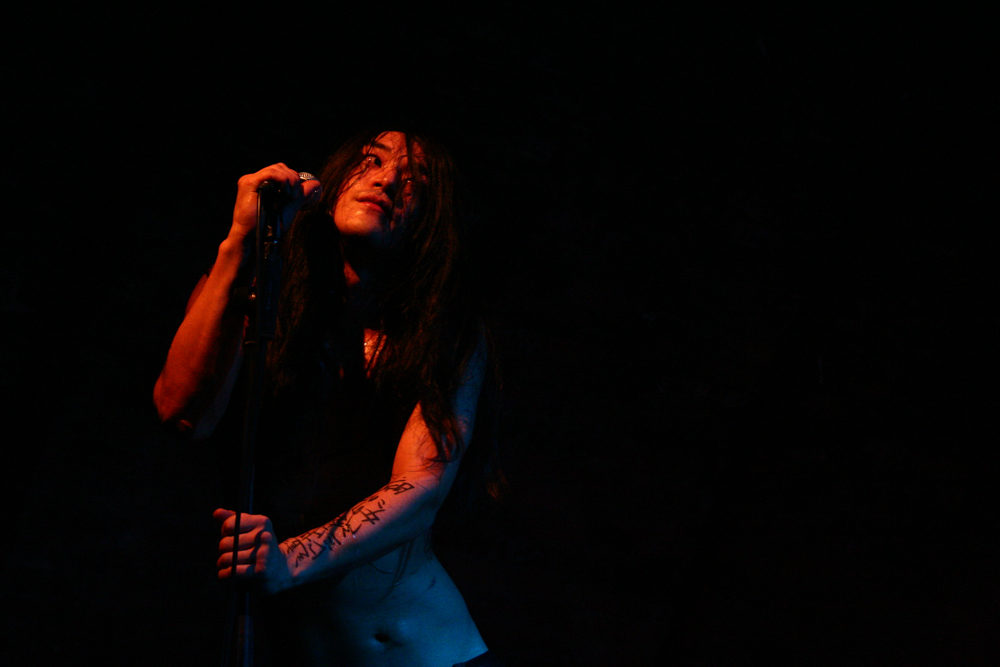
No Wave, damaged garage jams and crazed instant vocal shrieks.
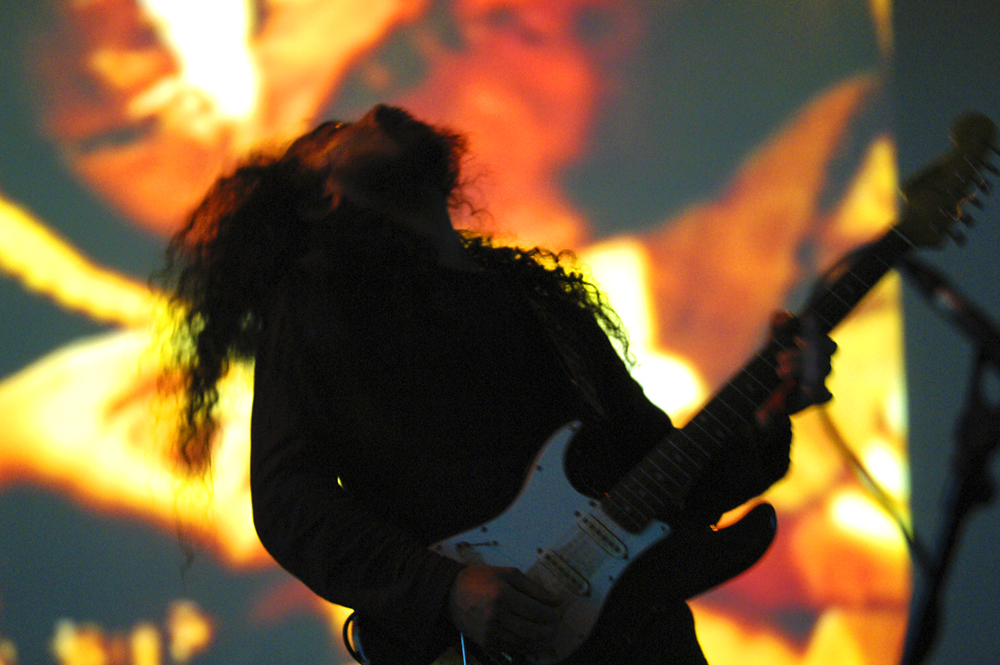
Glasgow. Low-end drone guitarage army in praise of the open chord.
Freak-out group for the 21st century perform a live soundtrack to Ira Cohen’s infamous psychedelic masterpiece ‘The Invasion of Thunderbolt Pagoda’
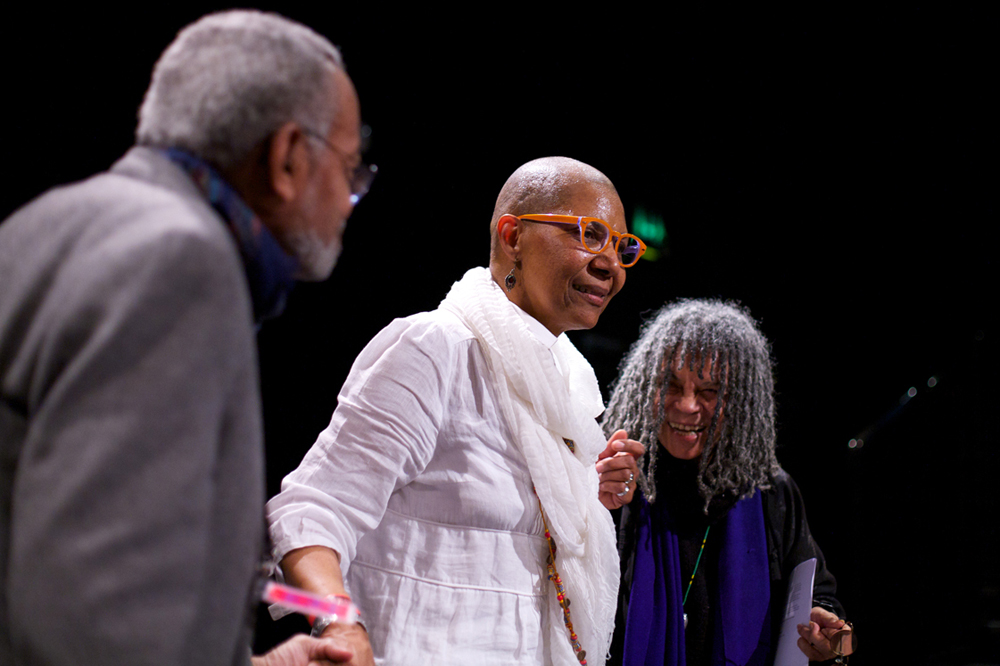
A conversation and livestream considering a global feminist critique of capital with Silvia Federici, Hortense Spillers and Gayatri C. Spivak.
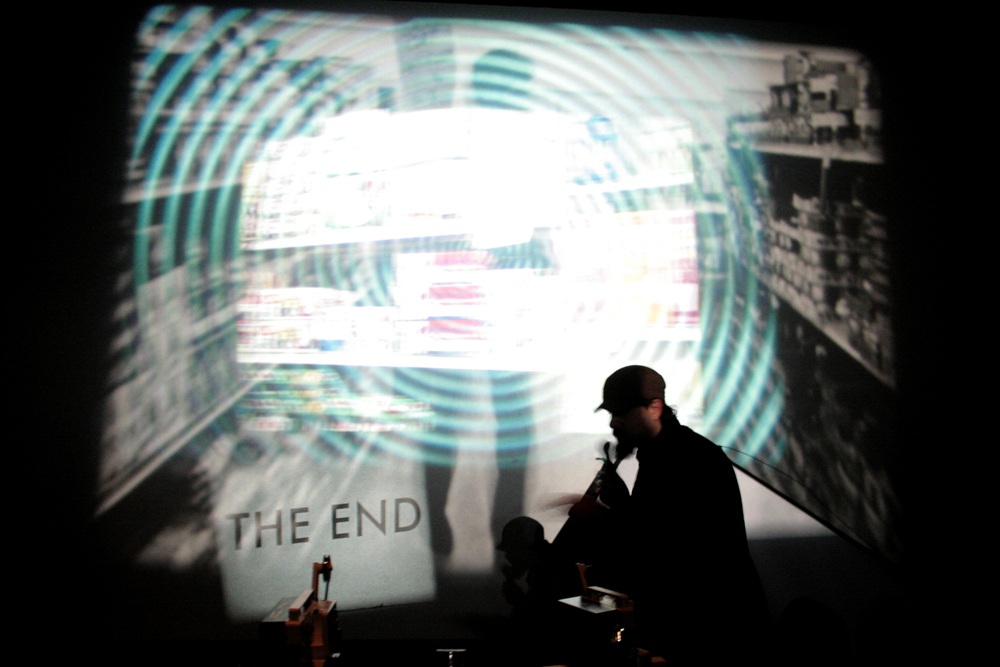
Quasi-theatrical multiple-projector pieces play with the relationship between performers, art and audiences.
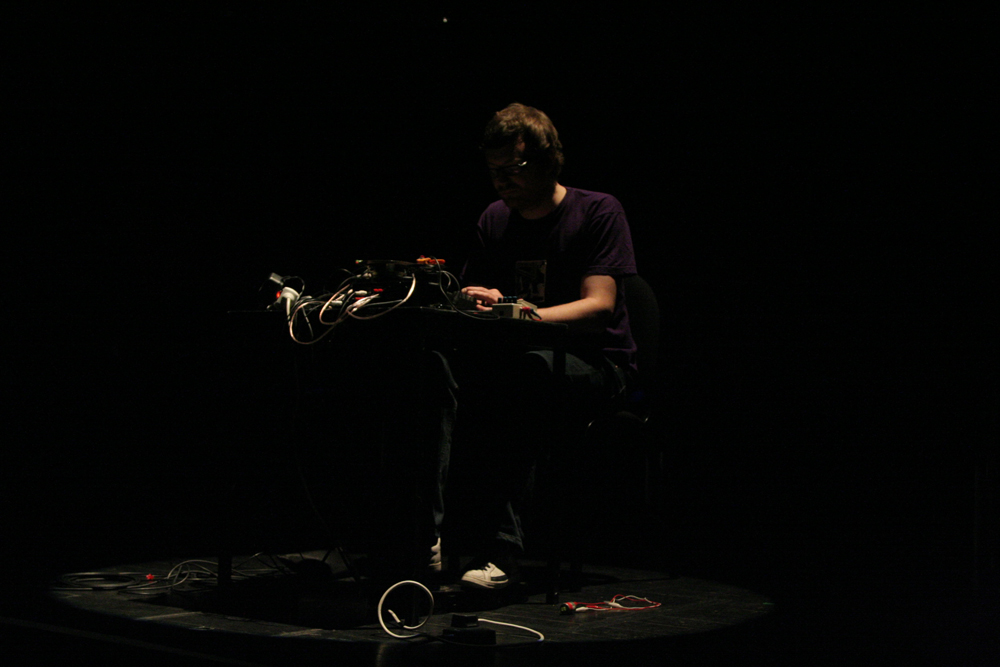
Solo by Jean-Philippe Gross, a French electro-acoustic improviser, working with mixing board, cheap mics, small speakers and an analog synth, built around a honed interest in feedback.
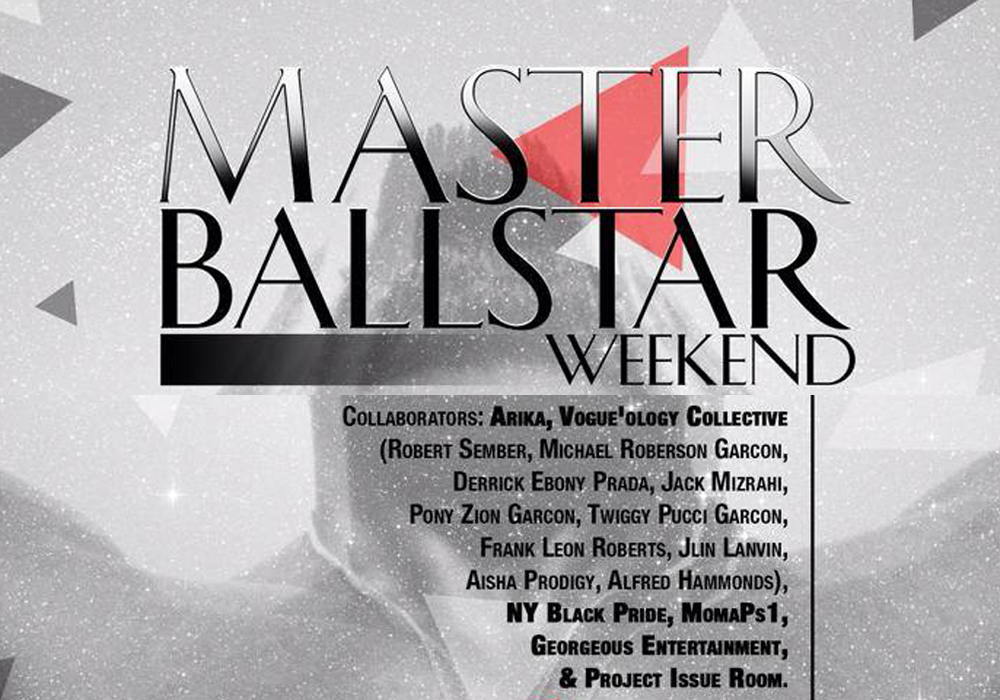
A series of events organised by the Vogue’ology collective from the House Ballroom community in New York grounded in the scenes history of autonomous, self-organised struggle and a shared investment in collective art practices and how those intersect with the multiple and often divergent struggles for freedom.
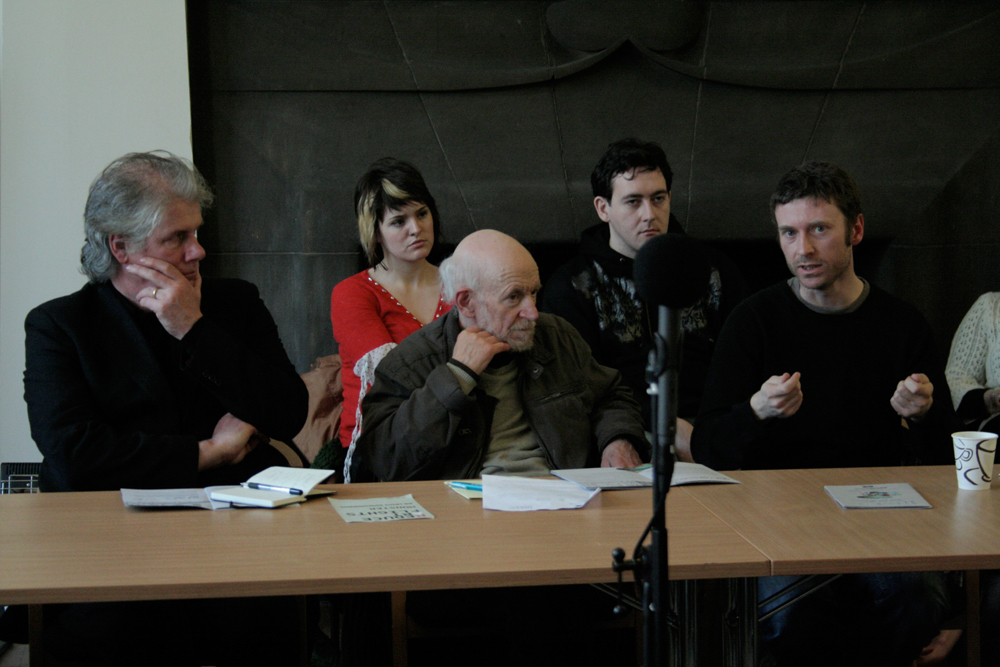
A performed self-cancelling discussion, with artists from the festival, invited speakers and local artists talking at once, over each other, or straining to be heard over the din.
Can a collective performance of NourbeSe’s poem of black life as it exceeds containment enact alternative forms of selfhood that emerge in and out of African diasporic experience?