V∞redoms
Rare UK performance by legendary Japanese post punk group during their 4 drummers + synth / vocals phase.
Arika have been creating events since 2001. The Archive is space to share the documentation of our work, over 600 events from the past 20 years. Browse the archive by event, artists and collections, explore using theme pairs, or use the index for a comprehensive overview.
Rare UK performance by legendary Japanese post punk group during their 4 drummers + synth / vocals phase.
Screening of films by Duvet Brothers, David Critchley, David Hall, John Latham, Judith Goddard, Mike Leggett, Tony Sinden
A sound of buzzing and flickering metallic drones, glottal stops and guttural growls, and also an explosiveness and purity of sound that reminds you as much of Bill Dixon as anyone else.
A dialogical meeting of Baraka’s radical poetry and Grimes’ free jazz syncopation.
How do we sense entanglement? Can the knotting of ropes according to a poem’s rhythm make the social pulse of language matter?
One of the most startling cinematic debuts on record, The Flicker is more a hallucination than a film, an out of body experience and riotous celebration of visual harmonics frequencies. An experiment in perception, come with your mind and eyes open.
A talk entitled ‘The Conquest of the Universe’: which delves into the connections between the underground filmmakers and musicians in New York in the early 1960s
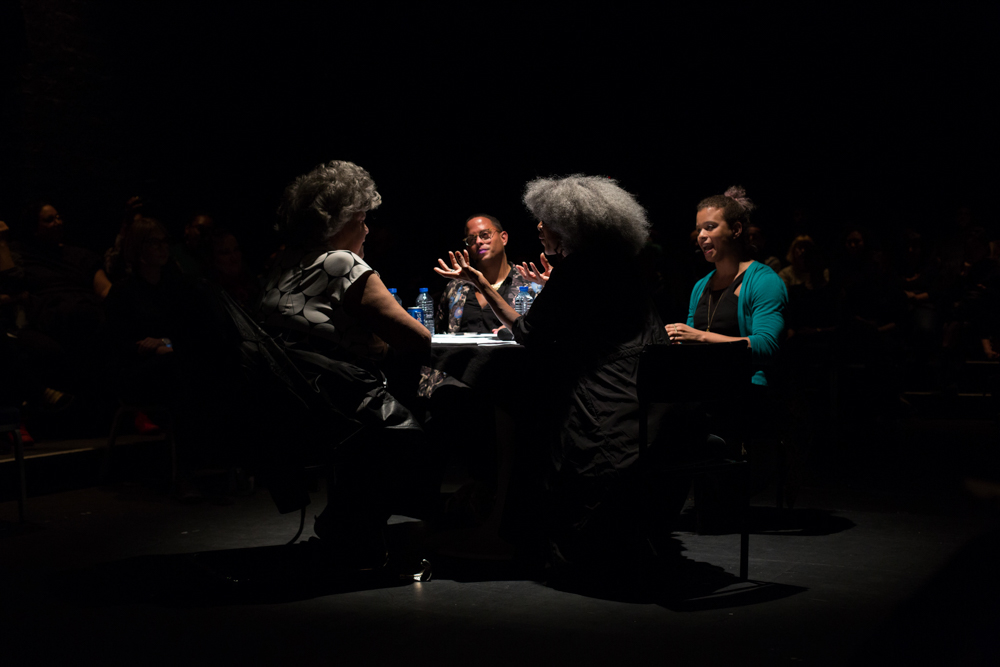
Discussion: If we approach “care as an event” rather than as a “contract of exchange” then what becomes possible in how we know, care for, and appreciate each other?
How do we make the connections between the mutual aid practices of our daily lives and anti-capitalist efforts to dismantle wider systems of exploitation?
If life is assaulted by power, where do we find spaces for living? A conversation with Peter Pál Pelbart.
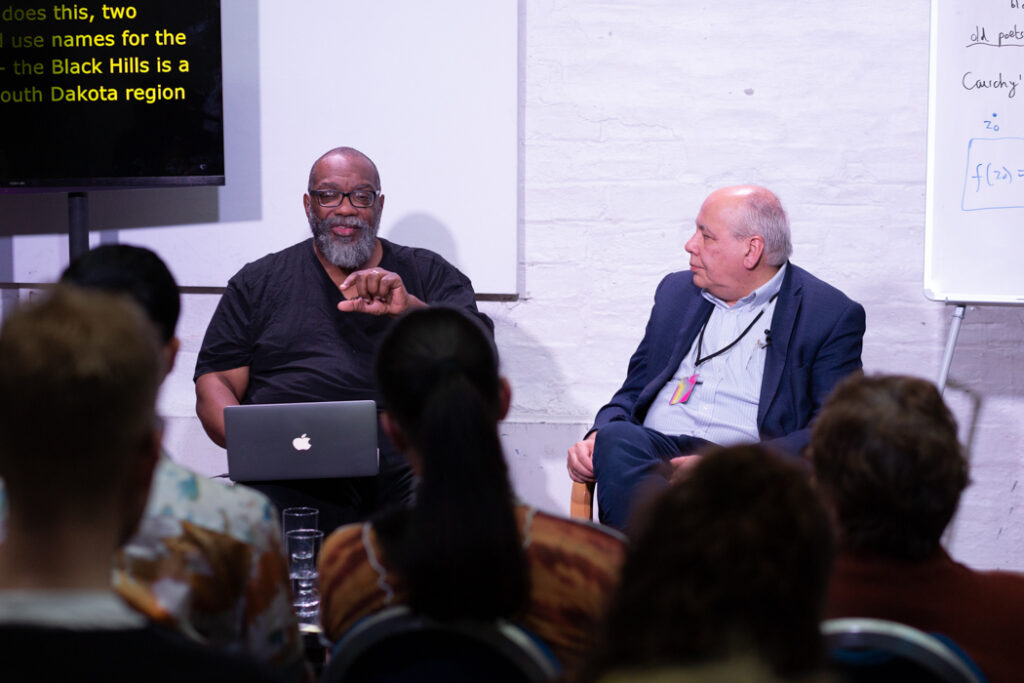
“Mackey composes realist-mythic layering of lyrical prose unlike anything being written today.” — New York Times. “Our greatest living epic poet…Mackey’s poetry and criticism have reinvented modernism for our time.”— LitHub
Can we use sound, repetition and difference to personally and collectively engage with space, time and labour?