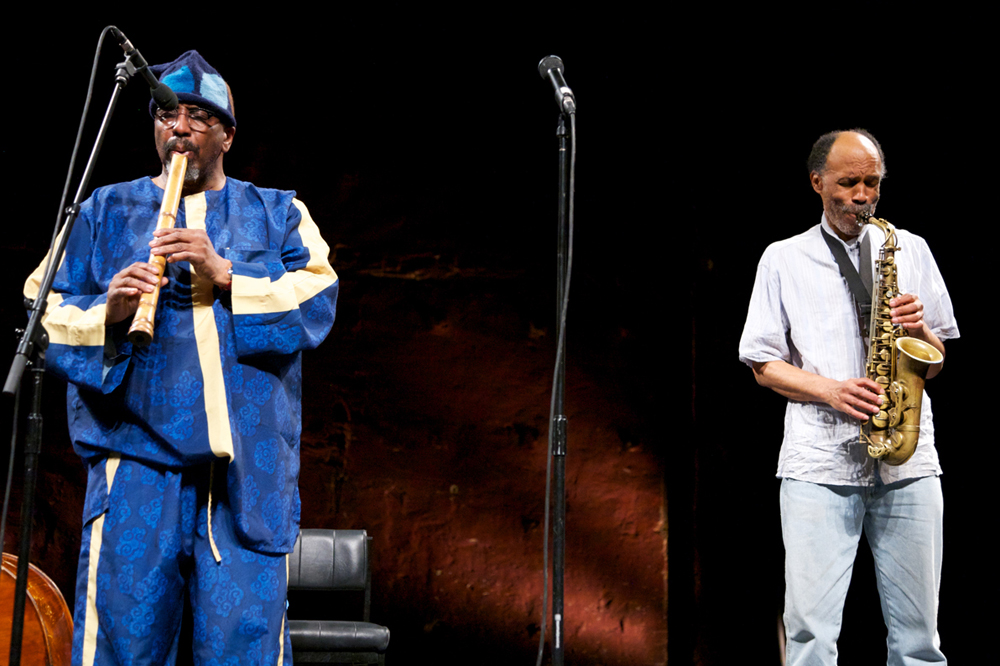
Daniel Carter & William Parker
Daniel Carter William Parker
What might Carter and Parker’s collaboration tell us about our own performances of responsibility and liberty, whether individual, social or musical?
Arika have been creating events since 2001. The Archive is space to share the documentation of our work, over 600 events from the past 20 years. Browse the archive by event, artists and collections, explore using theme pairs, or use the index for a comprehensive overview.
What might Carter and Parker’s collaboration tell us about our own performances of responsibility and liberty, whether individual, social or musical?
As opposed to suggesting soundtrack’s to Brakhage’s works [which are almost entirely silent] Text of Light use his works to stimulate improvisation, enveloping them into the structure of the group much like an additional musician.
“Introduction to Protactile Theory” is a legendary seminar that facilitator John Lee Clark has designed to bring diverse communities into conversation with the Protactile movement.
How black radical practices of abolition imagine a way out of the caging and mass killing of life.
Edinburgh. Cask-strength electrohypnol and shroom damaged folk croonings by Lapsed Electronics empire builder.
Ecstatic, intensely joyous experimental club music: like “the sound of our water ceremonies…40 bands playing their melodies at once to recreate the cacophony of the first aurora and the call of the morning star Venus”.
From really simple, open instructions, An Unrhymed Chord creates a kind of half-way point between composition and improvisation.
Killer of Sheep is an undisputed masterpiece of African-American filmmaking and one of the most poetic, perceptive dramas ever made about family and community.
Can we find ideas of queer anarchism, failure and low theory in popular culture?
A saxophone. Handheld fans. Shrill squeaks. Splutters, gargling. An incredible diversity of sounds, intensely focused by an inventive musician.
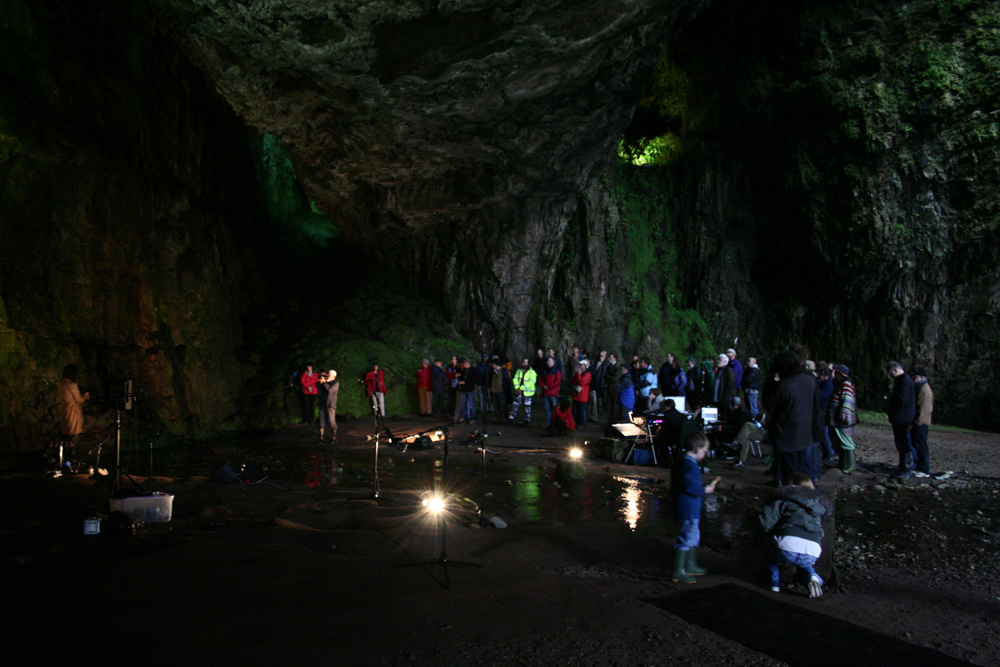
Akio Suzuki and John Butcher performing in a remote sea cave near Durness.
Can we use sound, repetition and difference to personally and collectively engage with space, time and labour?