Arrington de Dionyso
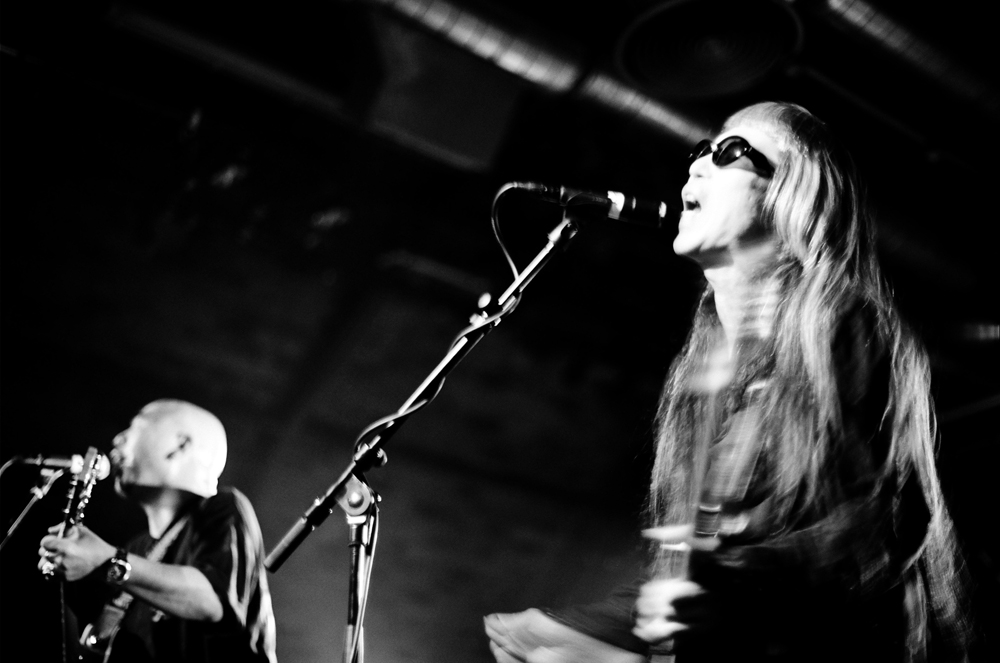
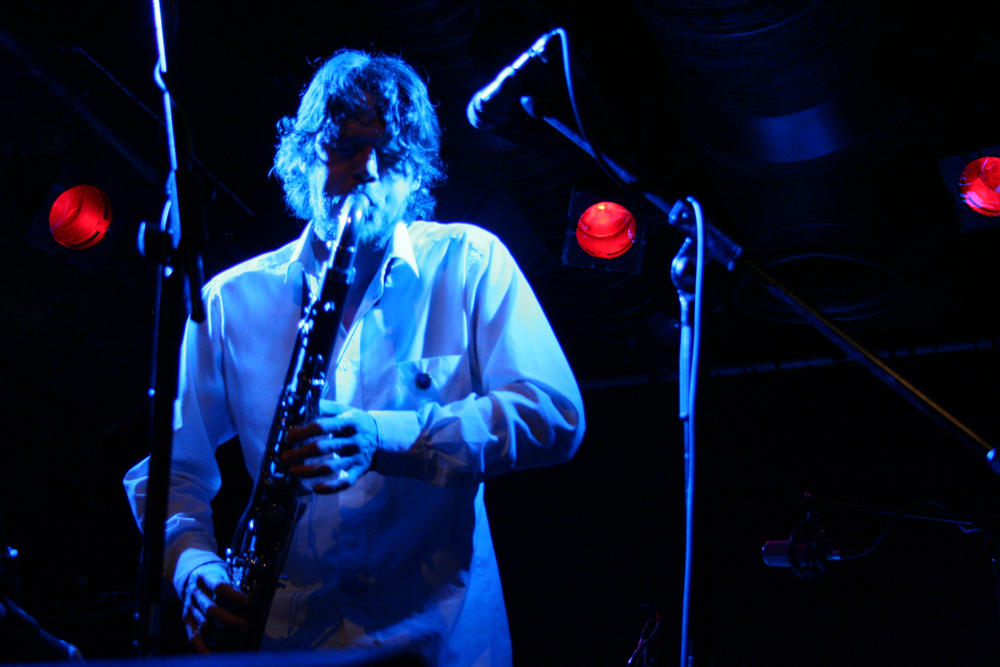
Solo performance on bass clarinet, jaw harp & voice by Arrington De Dionyso.
Arika have been creating events since 2001. The Archive is space to share the documentation of our work, over 600 events from the past 20 years. Browse the archive by event, artists and collections, explore using theme pairs, or use the index for a comprehensive overview.
Solo performance on bass clarinet, jaw harp & voice by Arrington De Dionyso.
Are artists powerless in the face of technology? These often whimsical and amusing films are minimal technological interventions and appropriations but maybe also rigorous takes on the role of popular media and culture in our hyper-technological world.
Trans-temporal drag, sexuality and the re-staging of illegible moments in history.
With Taku we’ll carry out some simple proposals for doing almost nothing, for re-thinking sound with whatever comes to hand.
Criminal Queers visualises a radical trans/queer struggle against the prison industrial complex, working to abolish the multiple ways our hearts, genders, and desires are confined.
Work that focuses in on the static hiss and background noise of recording and pushes it to the fore.
Vajra are a Japanese psychedelic rock supergroup, hewn from the collective consciousness of Fushitsusha’s Keiji Haino, folk radical Kan Mikami and percussionist Toshiaki Ishitsuka.
Dual projections of pulsating shards of film, treated in crystallized salts and dyes merge with the whirring of projectors, distilled into particles of sound.
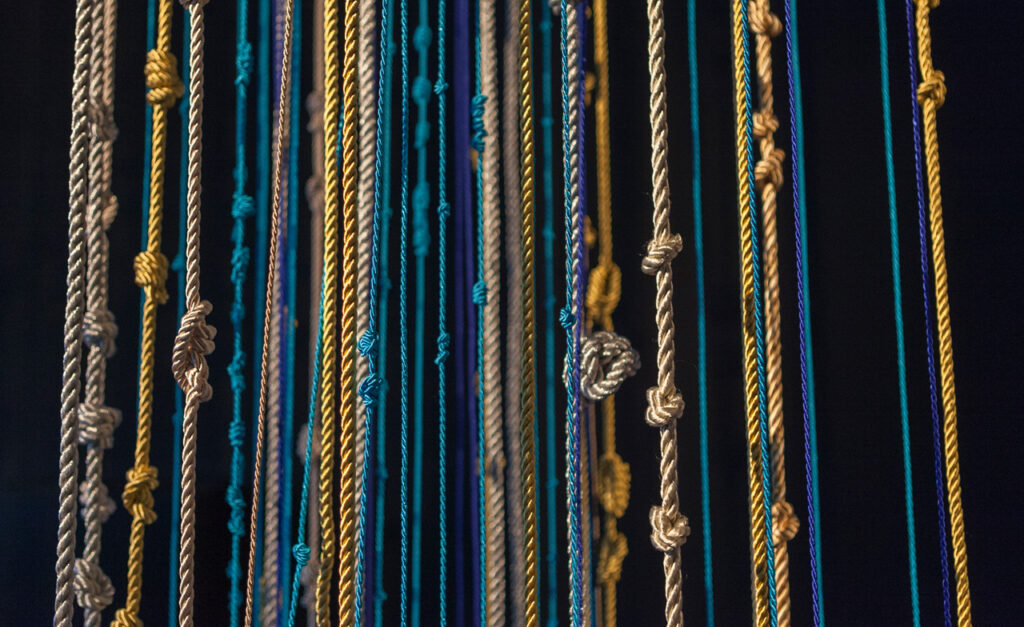
How do we sense entanglement? Can the knotting of ropes according to a poem’s rhythm make the social pulse of language matter?
Nothing if not repetitive, film is founded on the incremental succession of minute difference. But how does repetition of the same play out, and is it a tool to comment on the standardising repetition of the mass media?
Kylie Minoise Vs Nackt Insecten feedback/ vocal physical threat ‘vs’ ecstatic electronic cloudbursts
Can we find ideas of queer anarchism, failure and low theory in popular culture?