B-52
Hartmut Bitomsky
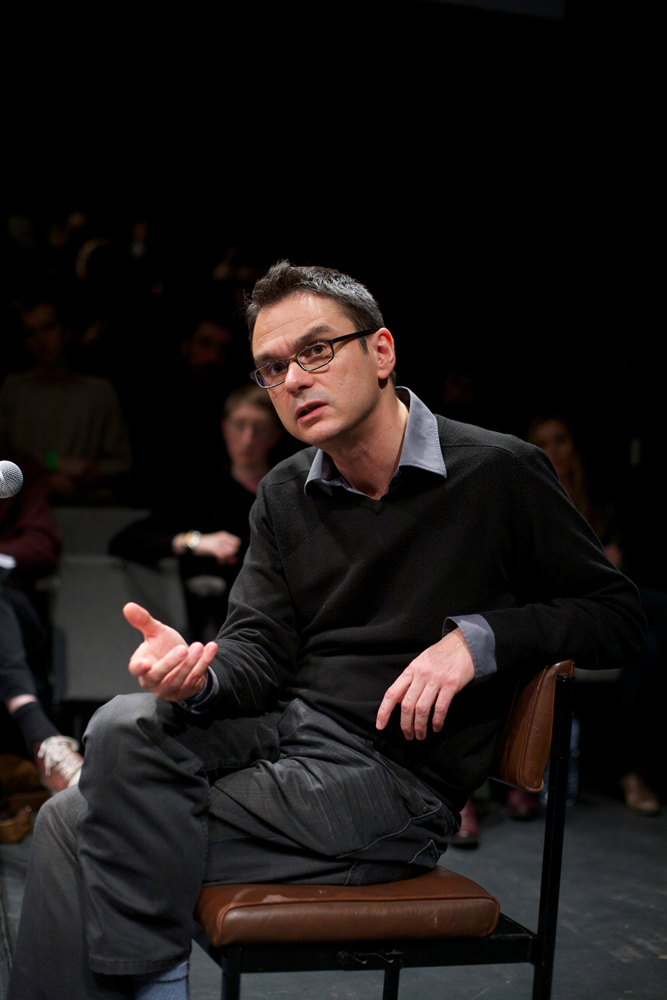
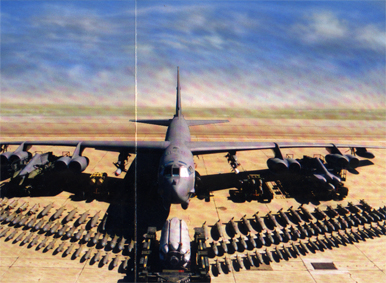
Hartmut is going to talk a little about his work at large and the politics of how his films are constructed. And we’ll screen one of his best films: B-52.
Arika have been creating events since 2001. The Archive is space to share the documentation of our work, over 600 events from the past 20 years. Browse the archive by event, artists and collections, explore using theme pairs, or use the index for a comprehensive overview.
Hartmut is going to talk a little about his work at large and the politics of how his films are constructed. And we’ll screen one of his best films: B-52.
Miniscule free-noise hissy-fits and broken instrument scrape/ squeal jams from the fools what brought you Giant Tank.
Two bottomless brunch writing workshops—with readings—speculating the relationship between space, infrastructure, technologies and sex.
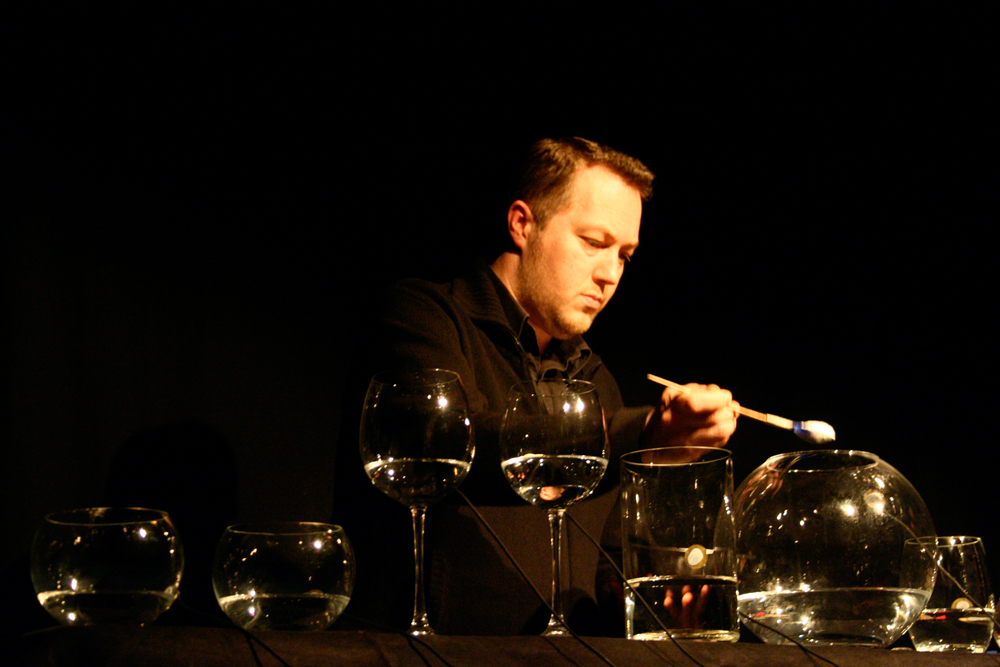
In this response to the Self Cancellation project, Lee Patterson dissolves medicine in glasses of water and explores the sonic content.
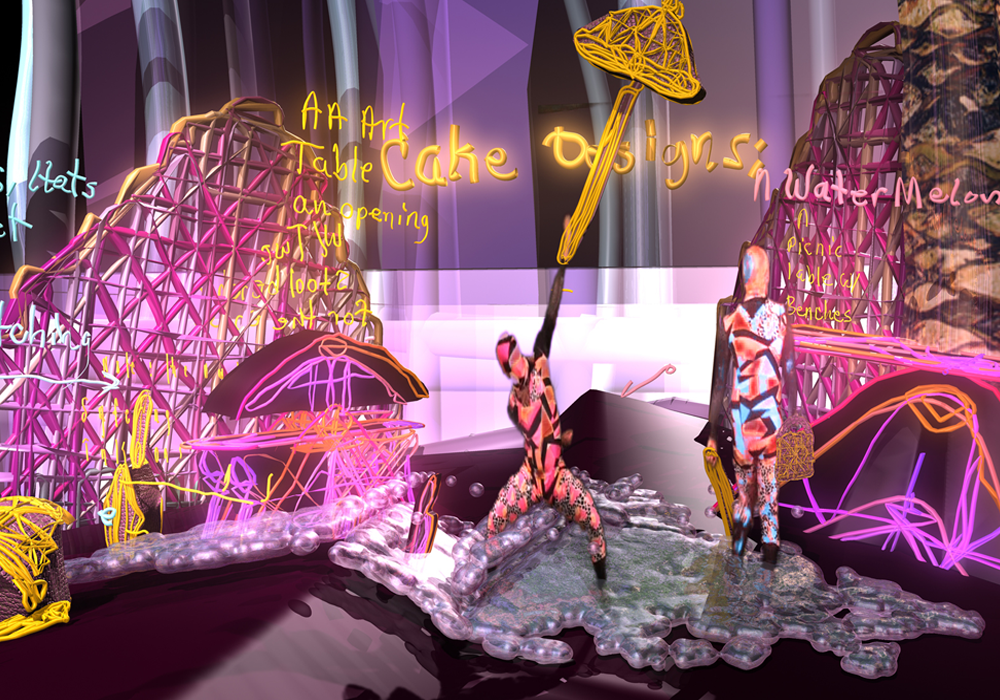
Emotional fantasies, towers of cakes, identity troubles, collapsed distance and time and Samuel R. Delany’s rarely seen 1971 film The Orchid.
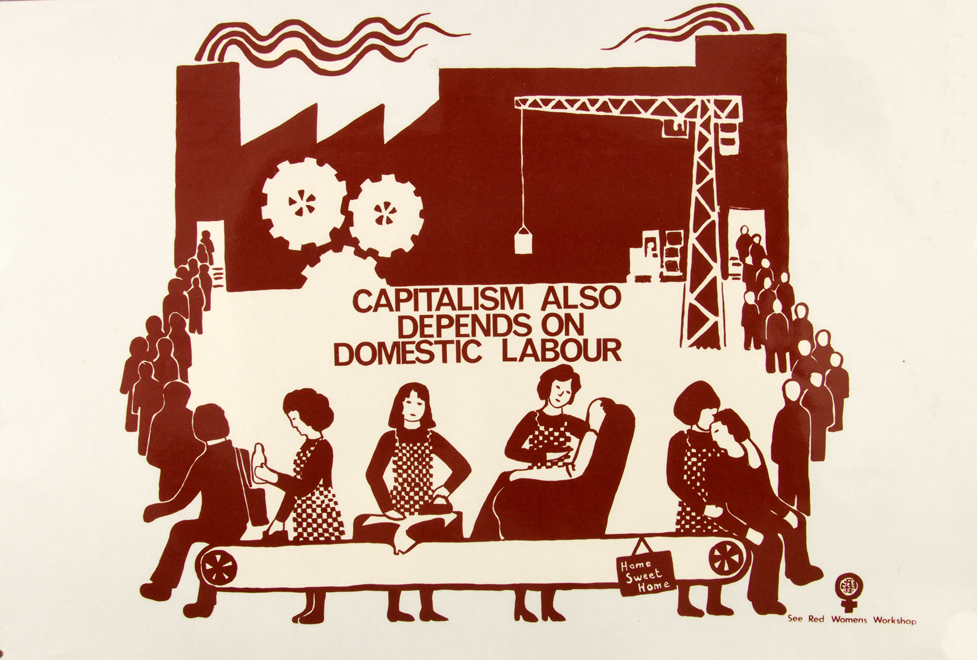
This session focuses in on the defiant mutual aid practices of early and DIY feminist movements in the UK, that attempted to shift and radicalise care and kinship away from the domain of the nuclear family.
A film as a translation of Monique Wittig’s landmark feminist novel Les Guérillères, in which a plural protagonist of militant feminists inhabit a fantastical, enigmatic and hallucinatory miasmatic space-time of post Hurricane Maria Puerto Rico.
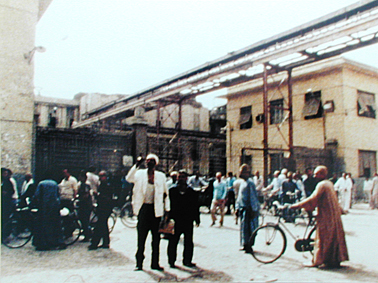
Opening with one of the most memorable shots ever filmed, and screened a year after the initial successes of the 2011 Egyptian revolution, Too Soon, Too Late is a search for the traces left on the landscape of past revolutions in France and Egypt.
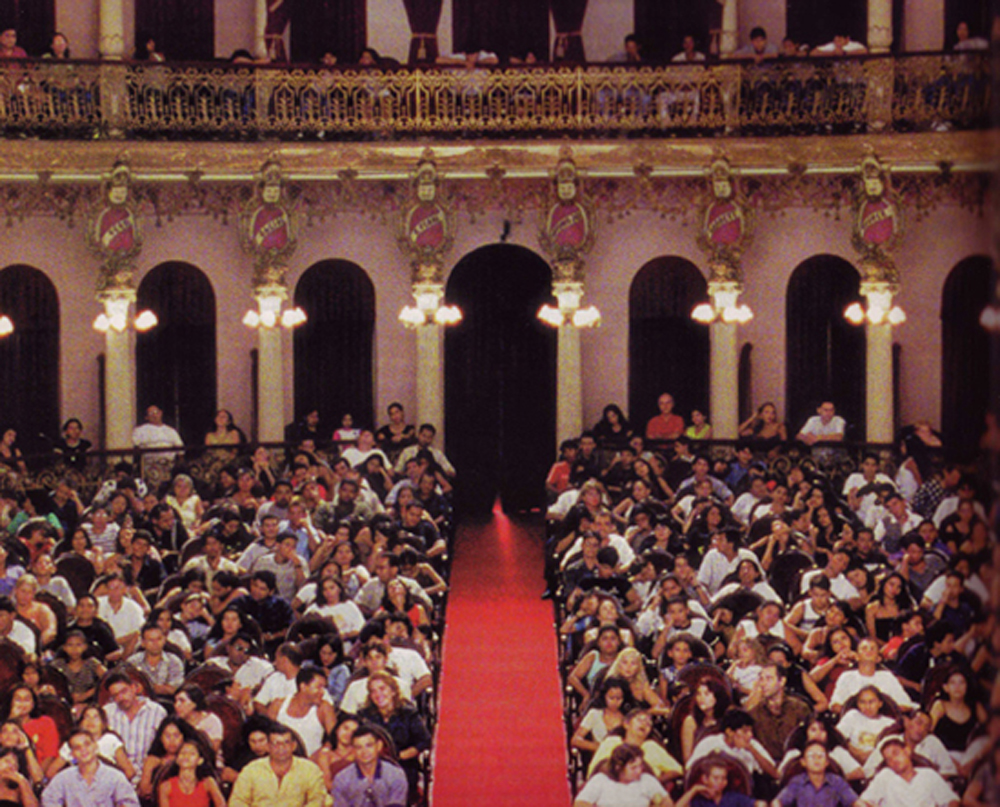
A double bill. A simple first person, Dundee-specific tracking shot that approaches the cinema/ screen/ space the film will eventually be shown in and in Brazilian opera house, a fixed camera gazes at a local audience from the stage: a choir, hidden in the orchestra pit, sings and gradually fades to silence.
Three days of discussions, performances, actions, dancing and food – continuing No Total’s ongoing contemplation of ways of being together and the ways Arika have been entangled in those, ever since Episode 4.
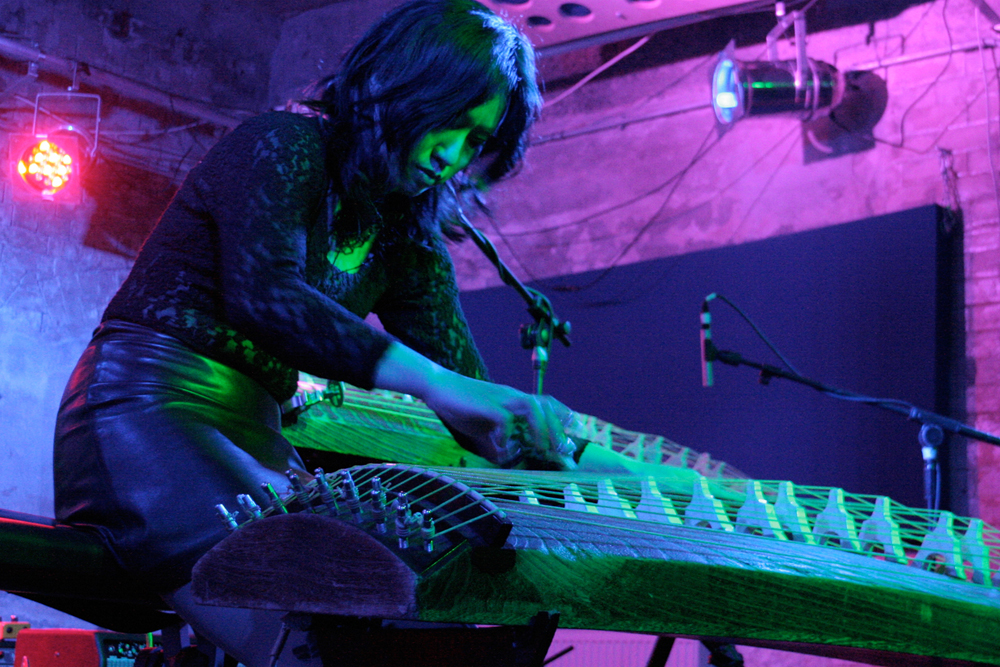
Sometimes delicate, sometimes harsh and jarring, Yagi’s koto solos are as much inspired by Nancarrow or Cage as they are traditional.
Has neoliberal capitalism locked down social experience? Are our seemingly subjective desires, our identities, pre-packaged by dominating social structures?