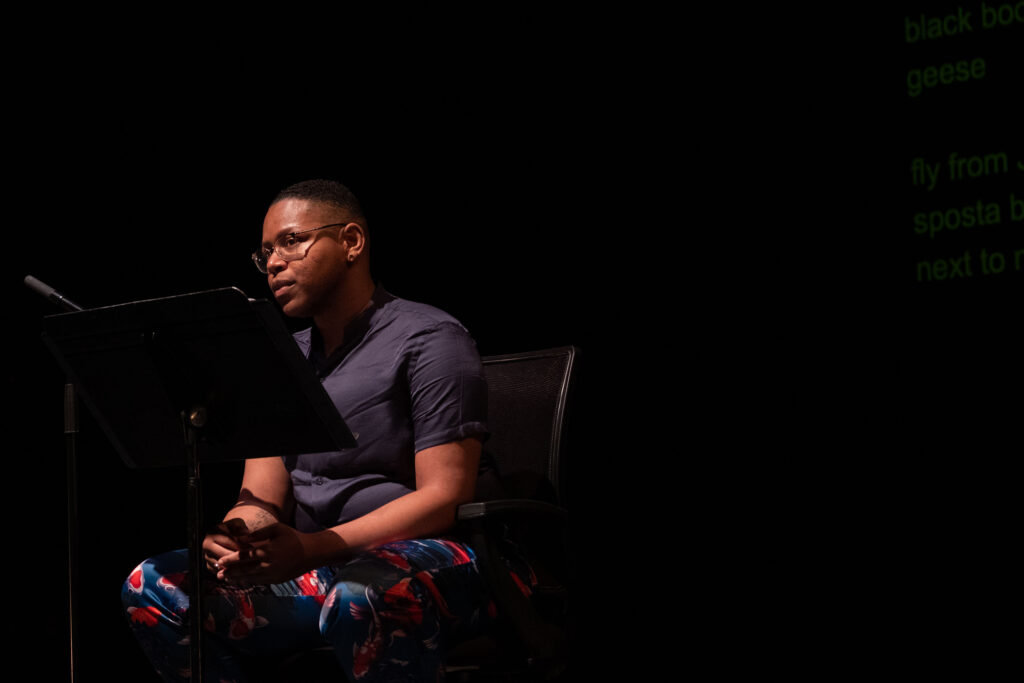
Cyrée Jarelle Johnson
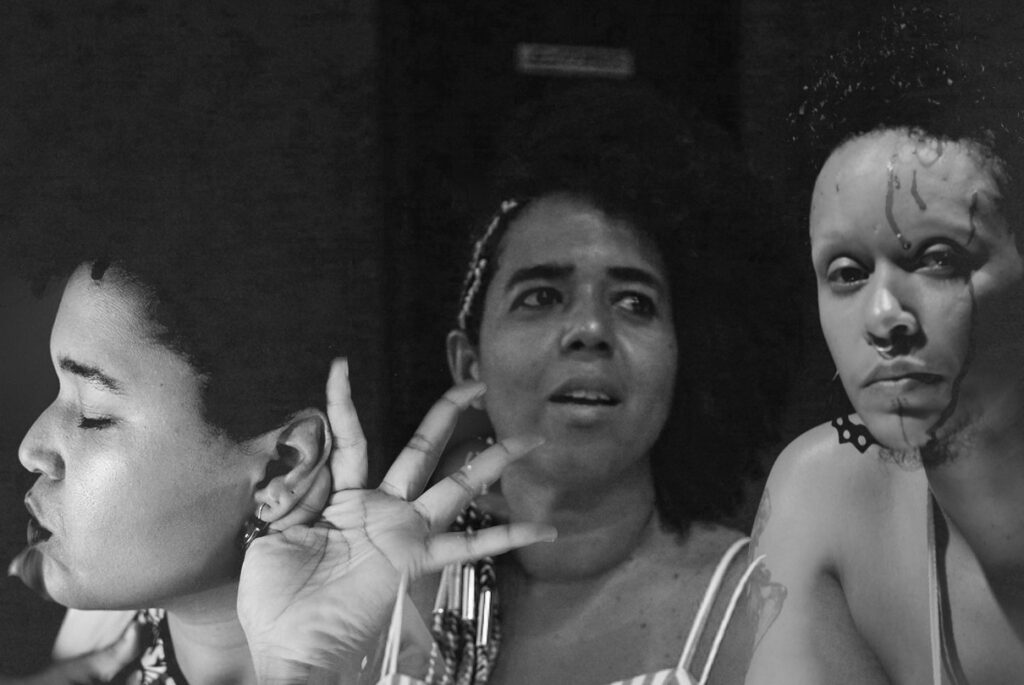
Poetry of raw fearless truth and the realest crip insight fully embedded in absolute lyrical lounge.
Arika have been creating events since 2001. The Archive is space to share the documentation of our work, over 600 events from the past 20 years. Browse the archive by event, artists and collections, explore using theme pairs, or use the index for a comprehensive overview.
Poetry of raw fearless truth and the realest crip insight fully embedded in absolute lyrical lounge.
A glance at both analogue and digital processes; the clarity and precision of digital colour or the yawning, endless depth of dye and emulsion, our programme celebrates how both approaches revel in colour, saturation, hue and tone.
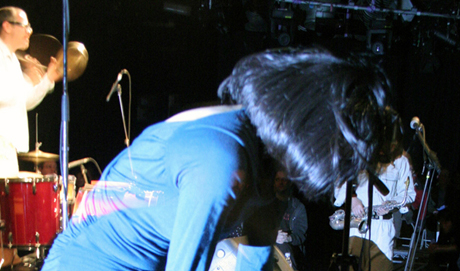
A trio of Tamio’s screaming and immovable slabs of sound; Mico’s dance/ performance/ piano; Fritz’s absurd, flailing percussion/ voice.
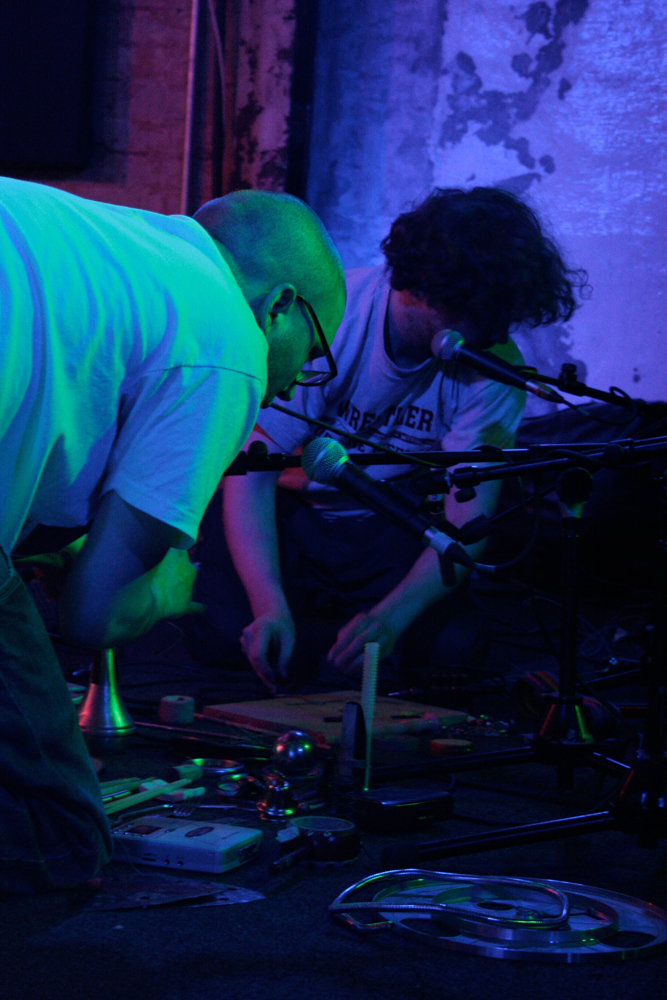
This set continues on from the Bud Neill inspired clatter using the contents of the Usurper twin’s pockets.
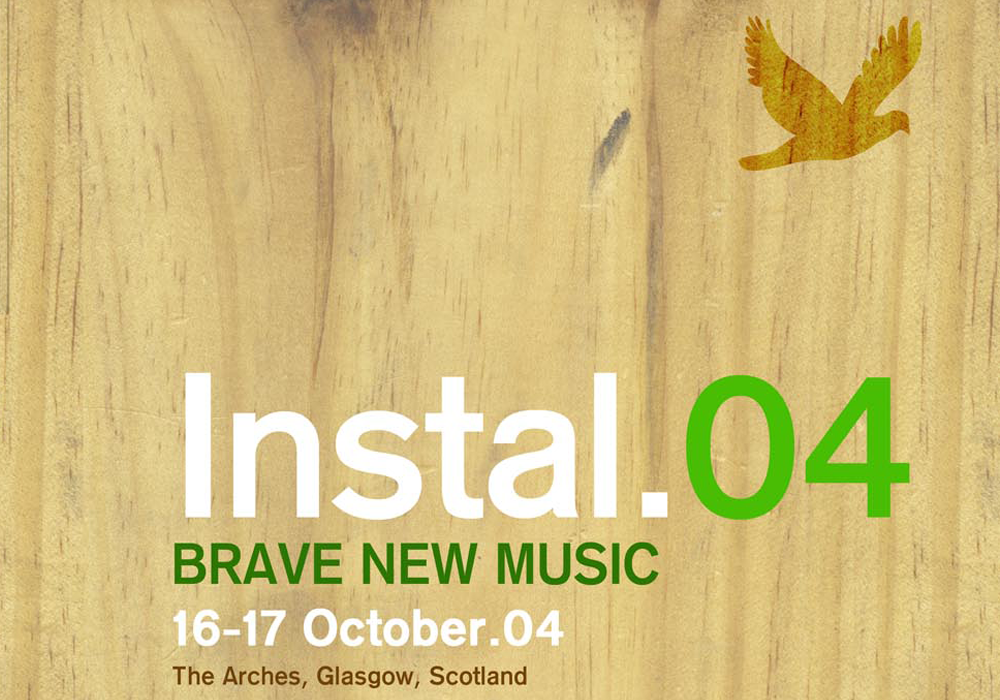
Now a two day festival, INSTAL 04 was borne of a desire to open eyes, challenge audiences and expand musical horizons. This was also the year in which a certain representative from Corwood Industries made his first ever live appearance.
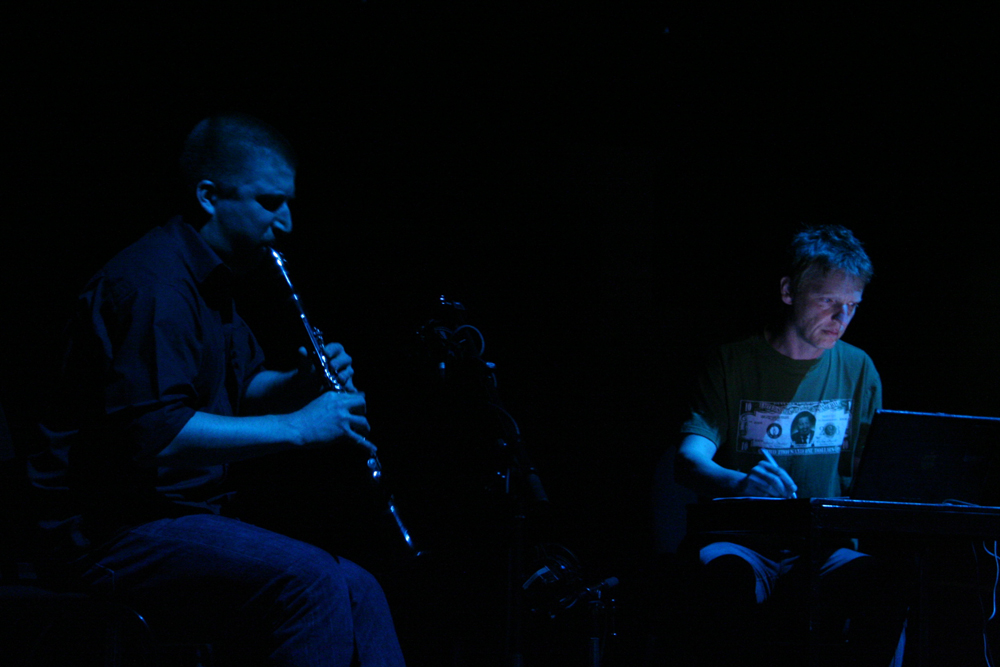
Los Glissandinos work with clarinet and sine tones beating and thrumming in your middle ear, all beautifully paced and serene, but with just enough steely menace broiling under the surface to keep you on edge.
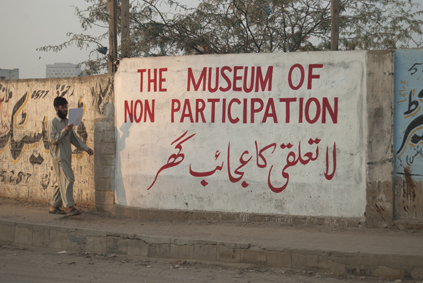
This performance brings together film, text and speech and temporarily constructs a filmic space to think through questions of resistance, and the choice and consequence of action vs. inaction: what does it mean to choose to not take part?
60 minutes of hard ass minimal film, projected onto a weather balloon and accompanied by the inspired poetic rant of a visionary Frenchman.
The 2006 INSTAL festival saw a broad selection of artists that included Blood Stereo and Ludo Mich, Ellen Fullman and Sean Meehan, Keiji Haino and Tony Conrad and a specially created performance by Maryanne Amacher.
Thinking against the monoculturalism of Western thought—of faith, affection, sexuality and gender—which completely lacks any utility to, or descriptive value of Indigenous worldviews.
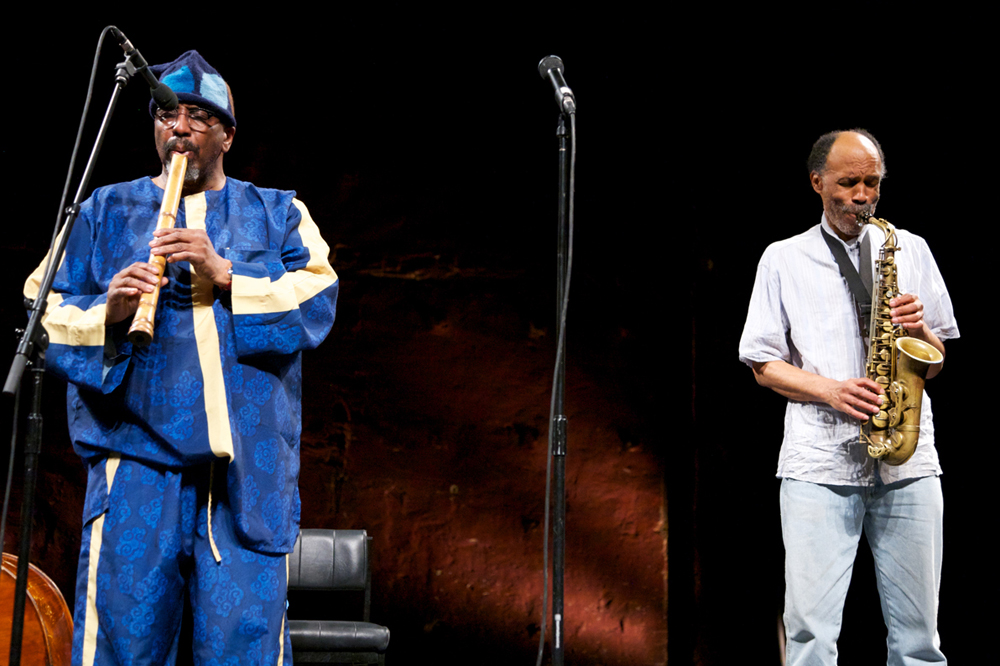
What might Carter and Parker’s collaboration tell us about our own performances of responsibility and liberty, whether individual, social or musical?