Every Book is Dead
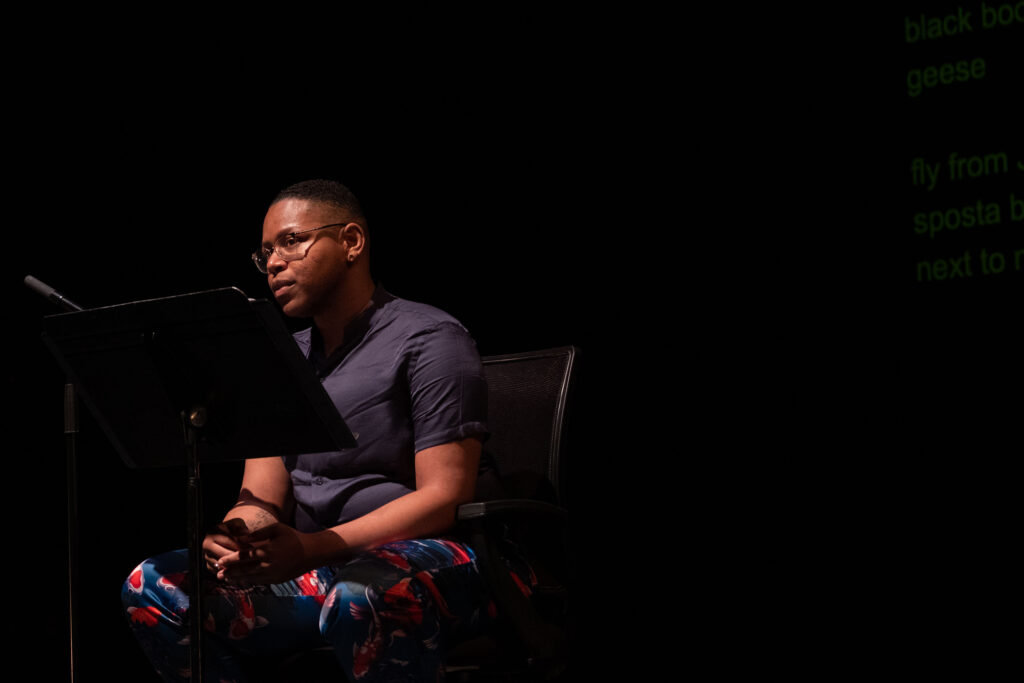
Hal Duncan LAPS
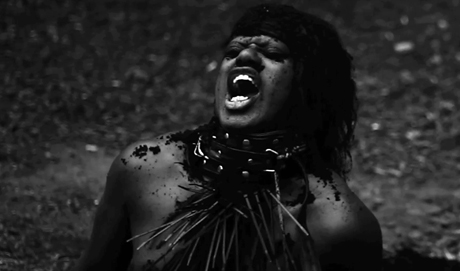
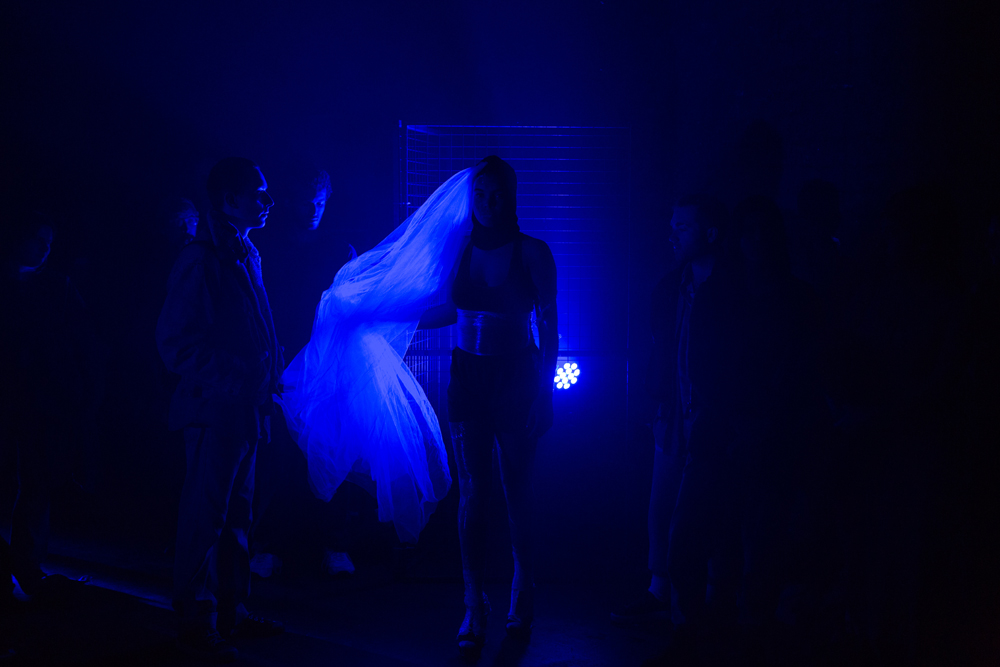
Mashed up queer fantasy of worker’s revolts, biblical demons and present-day hells, and dubbed out cyborg-electro.
Arika have been creating events since 2001. The Archive is space to share the documentation of our work, over 600 events from the past 20 years. Browse the archive by event, artists and collections, explore using theme pairs, or use the index for a comprehensive overview.
Mashed up queer fantasy of worker’s revolts, biblical demons and present-day hells, and dubbed out cyborg-electro.
Poetry of raw fearless truth and the realest crip insight fully embedded in absolute lyrical lounge.
Final workshop exploring work, care and class. Does the ‘care industry’ summon forth its own class? Can this ‘affective class’, in their ability to care for others, militate against the carelessness of self-interest?
GIO’s bottomless throat, Blood Stereo’s slobber gobbler and the Mouth Of The South tangle tonsils over Steve McCaffrey’s Carnival
A Study Session focused on the thinking of Ailton Krenak – one of the great leaders of the Brazilian indigenous movement – led by curators and artists Amilcar Packer Arissana Pataxó.
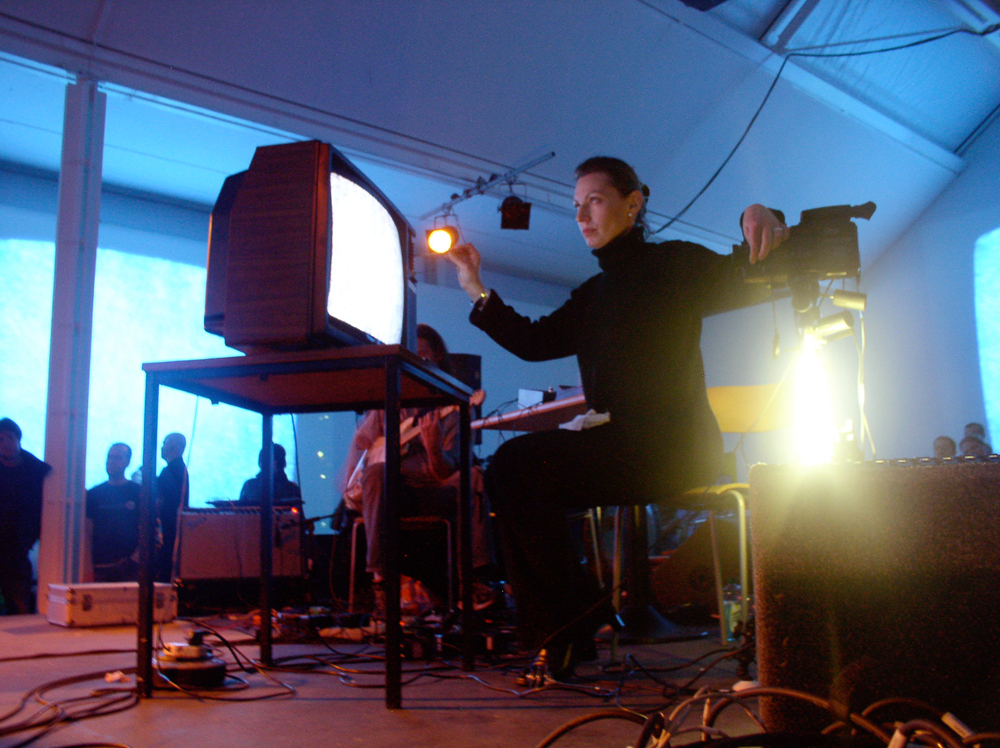
Real-time video feedback loops submerged in laminal sheets of sound soaked in gauzy timbral detail and multi-valenced, buzzing overtones.
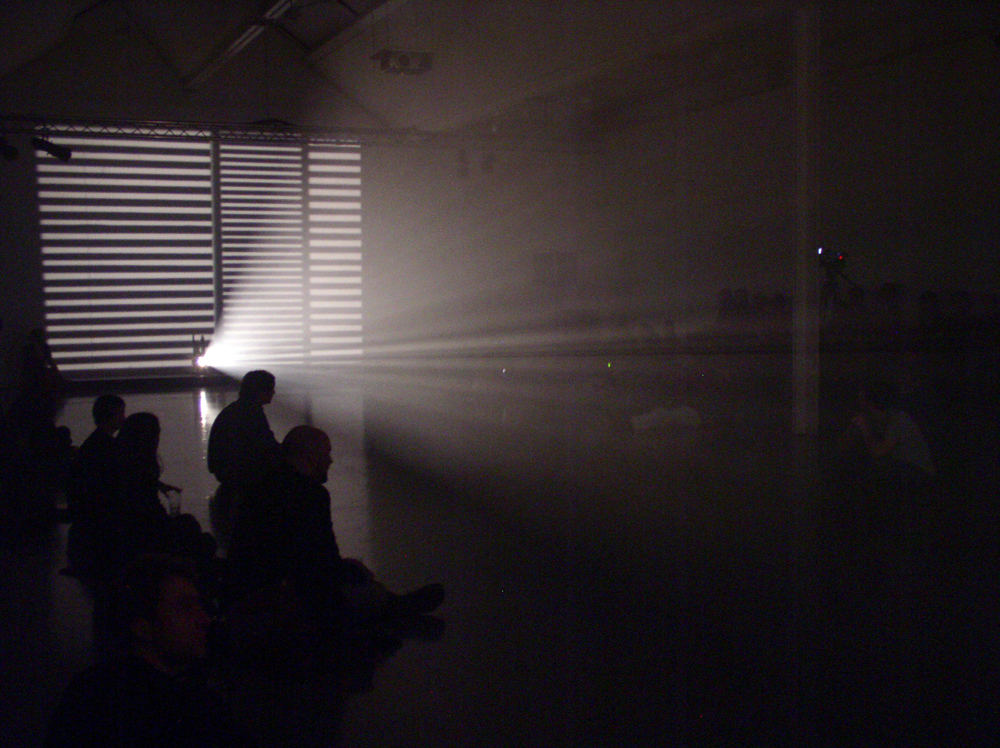
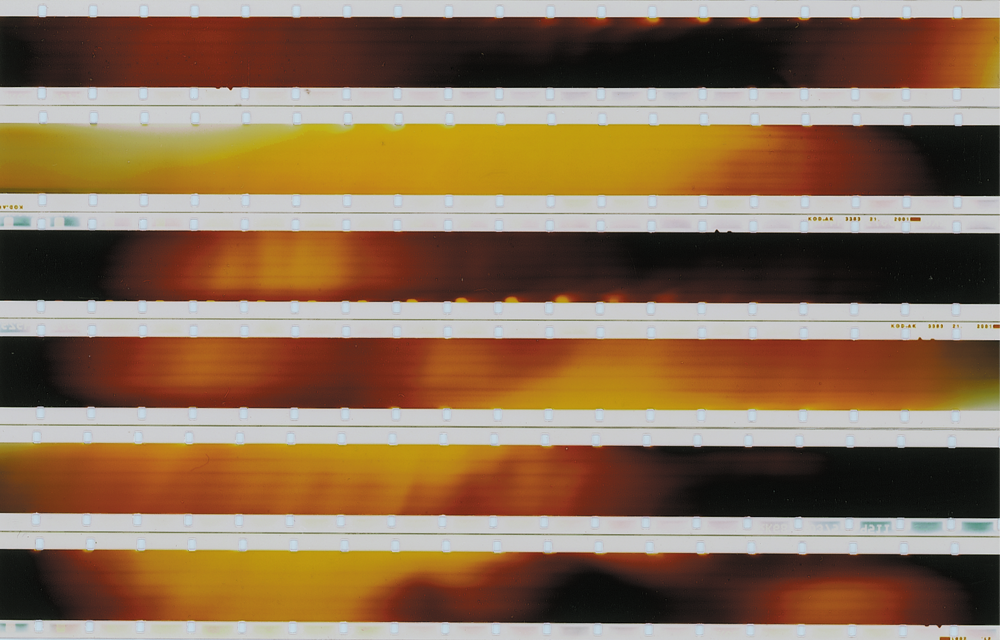
Light Music is a dizzying celebration of the pivotal nature of sound in film; a direct and powerful transcription of film as sound.
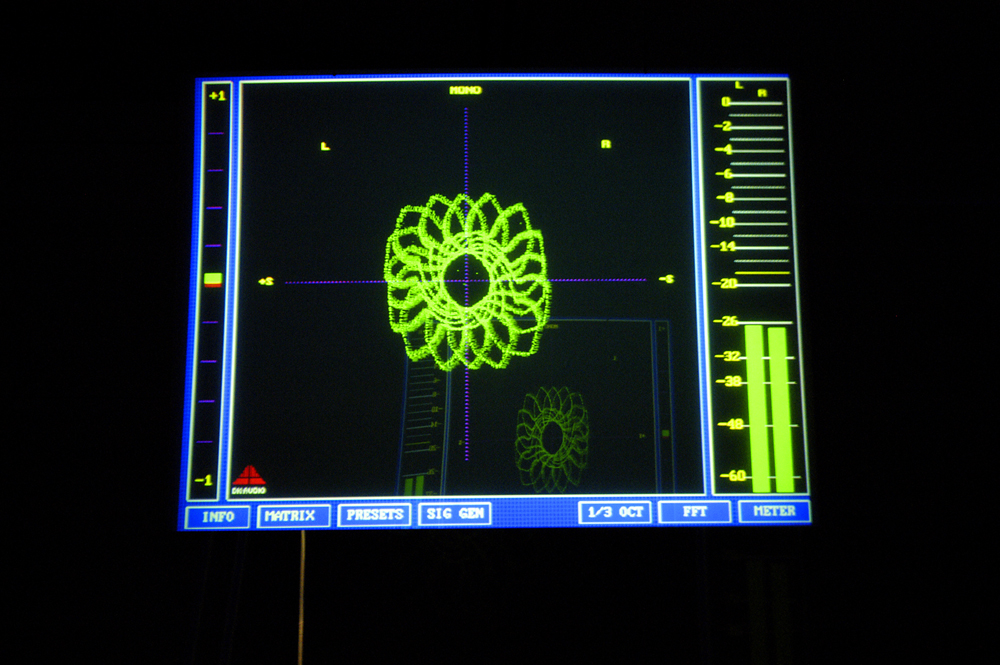
Two figureheads of the minimalist electronica pulse, Ikeda and Nicolai have been responsible for some of the most innovative and ground-breaking music of the last decade, redefining experimental electronica.
The pieces in the programme switch between silent film/ imageless sound, but we wanted to have a think about how ideas can take up residency on either side of the sound/ image border, without having to inhabit both at the same time.
Work for cello, percussion, contra bassoon and cherbulum commissioned for Instal in collaboration with Paragon
A queer black operatic requiem for piano and voice that asks us to stay in the hold of the slave ship, that tries to understand the connection from the slave ship to the prison.
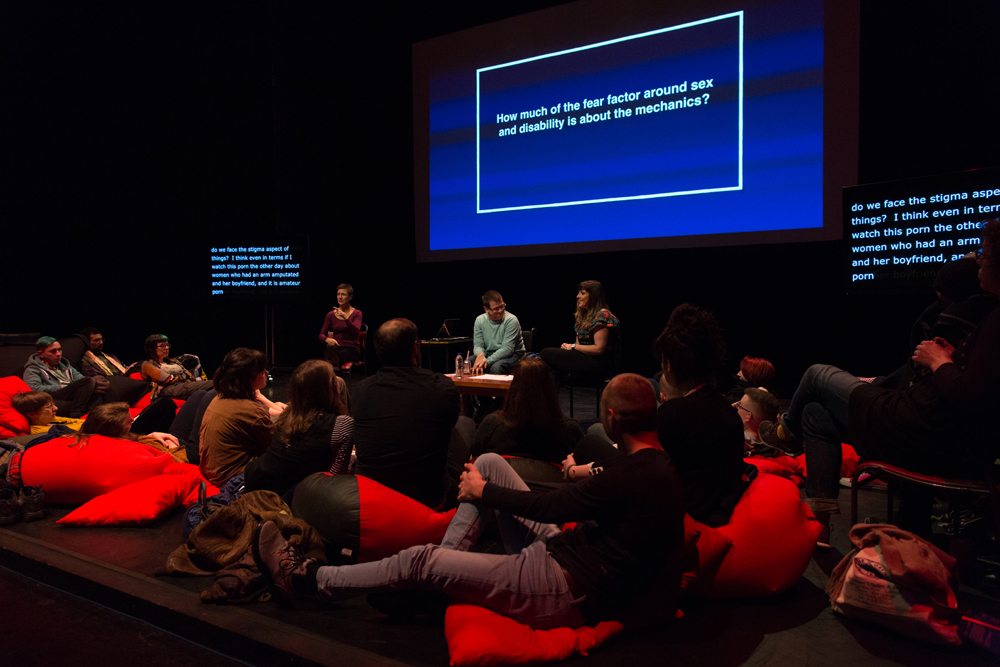
How do people living with disability see themselves in today’s sexualised culture? How do we imagine our crip sexual selves despite society wanting to reduce us to non-erotic bodies?