Argument
Andrew Tyndall Anthony McCall
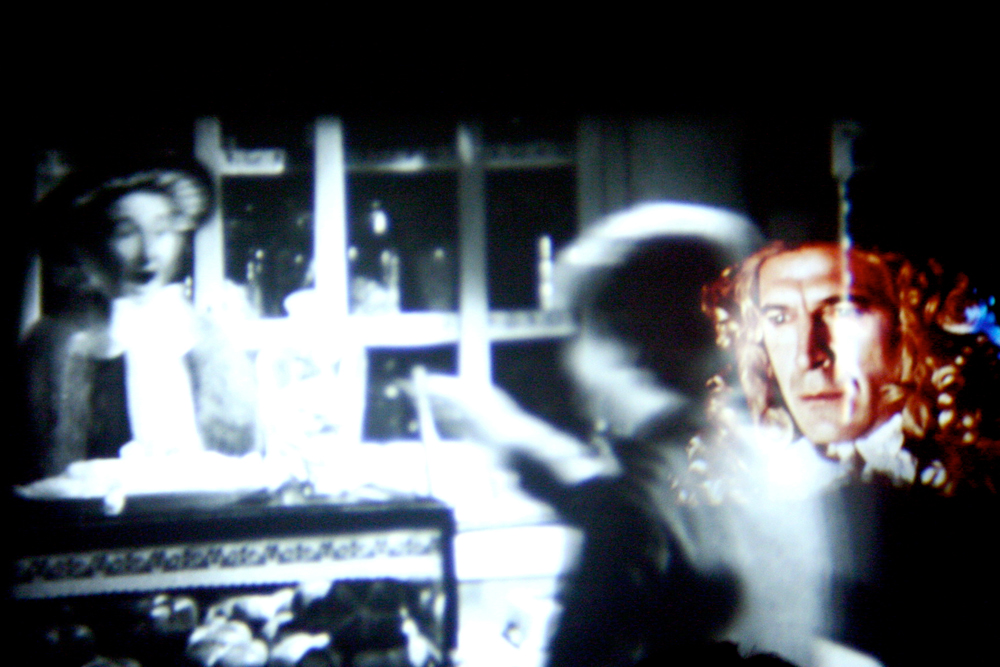
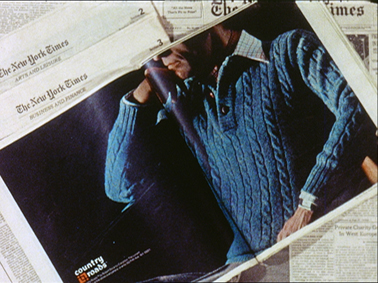
Argument is a provocative, multi-layered film essay, a trenchant analysis of the media and remains a critically relevant and critically inflammatory tract.
Arika have been creating events since 2001. The Archive is space to share the documentation of our work, over 600 events from the past 20 years. Browse the archive by event, artists and collections, explore using theme pairs, or use the index for a comprehensive overview.
Argument is a provocative, multi-layered film essay, a trenchant analysis of the media and remains a critically relevant and critically inflammatory tract.
Can we find ideas of queer anarchism, failure and low theory in popular culture?
Our favourite Lancashire-born autodictact asks what’s political about the tension between the individual and the collective in free jazz.
Politicised fan-fiction chronicling working class gay urban space and fantasy.
Imagery, drawn from what seems like hundreds of different films is overlaid and combined in a promissory rainbow of new meanings and impossible scenarios, with the unsettling feel of daylight shadows.
Three panels offering opportunities to discuss how to build stronger alliances between the sex workers’ rights, migrants rights and reproductive justice movements and how to face, together, an increasingly punitive and reactionary system.
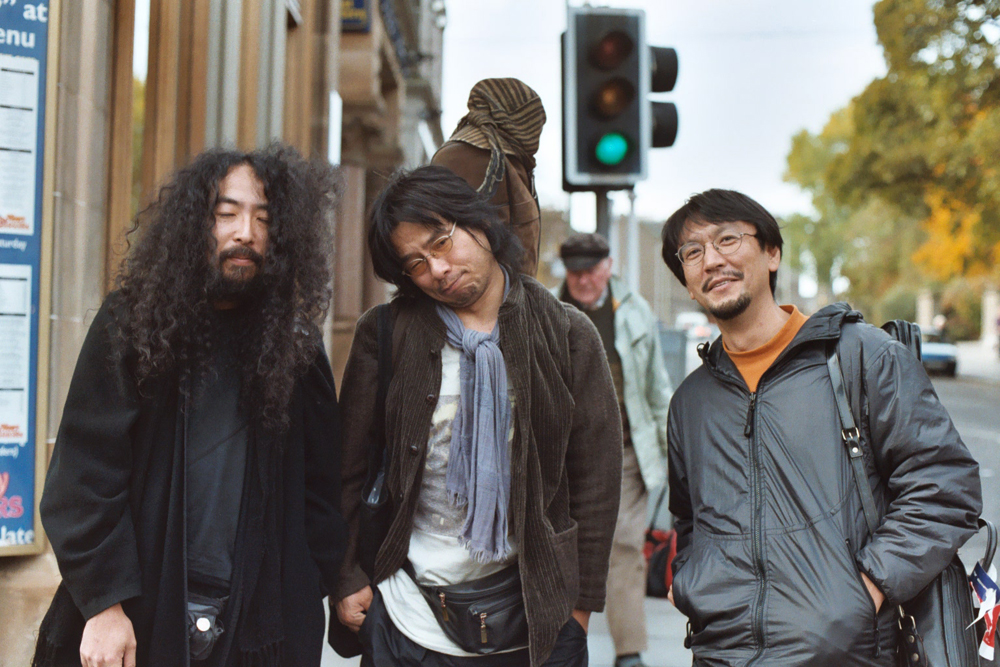
Series of short sets by Acid Mothers Temple / Ruins offshoots Zubi Zuva X, Akaten & Zoffy.
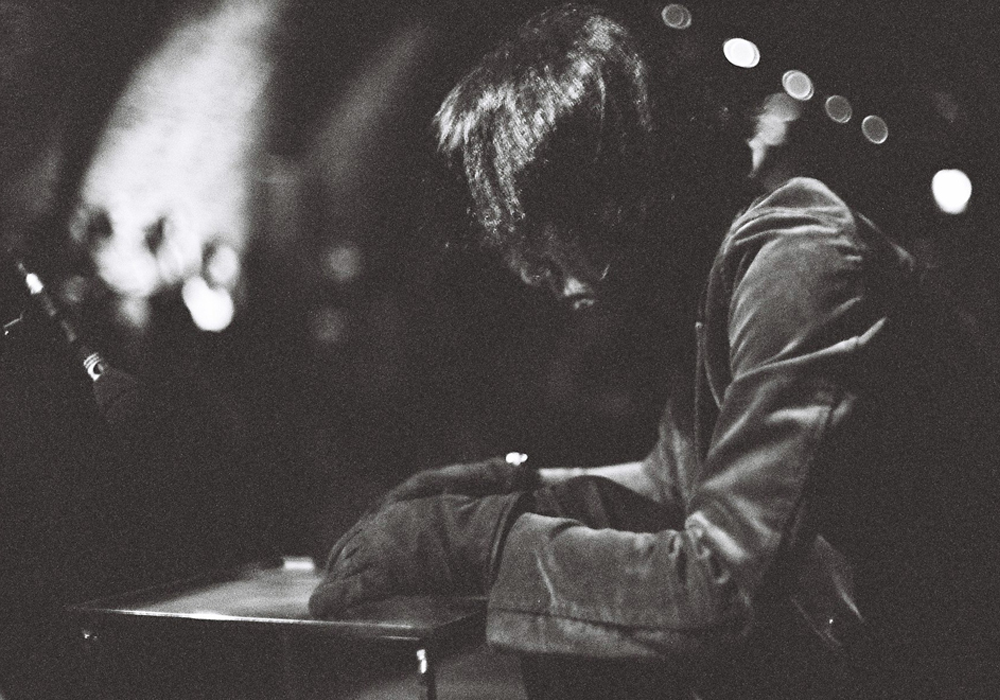
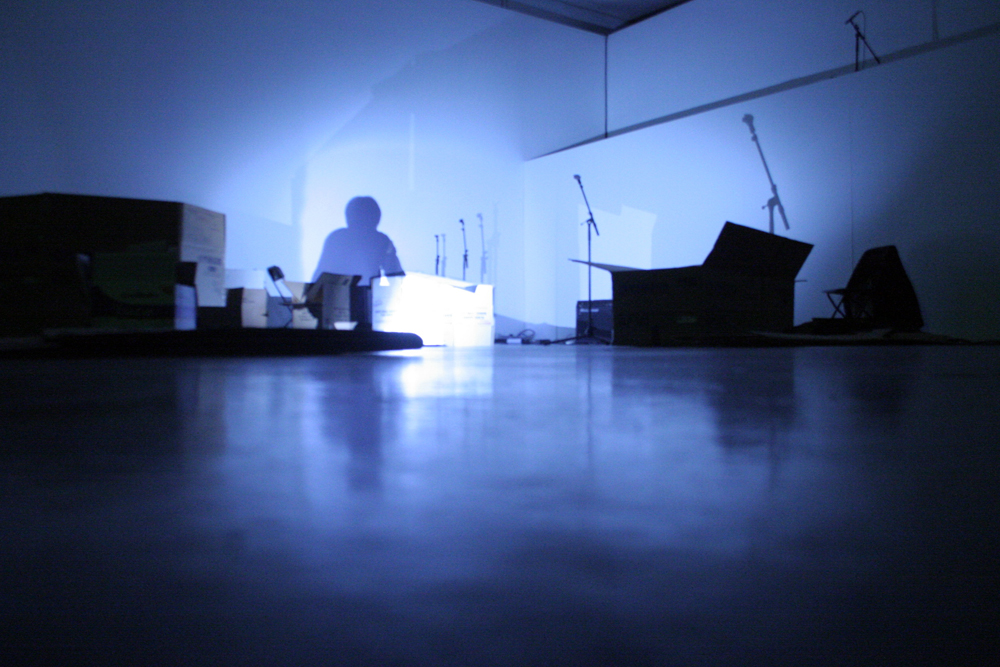
A performance for dry ice and four specially constructed steel tables, each one heated by a single candle until searingly hot.
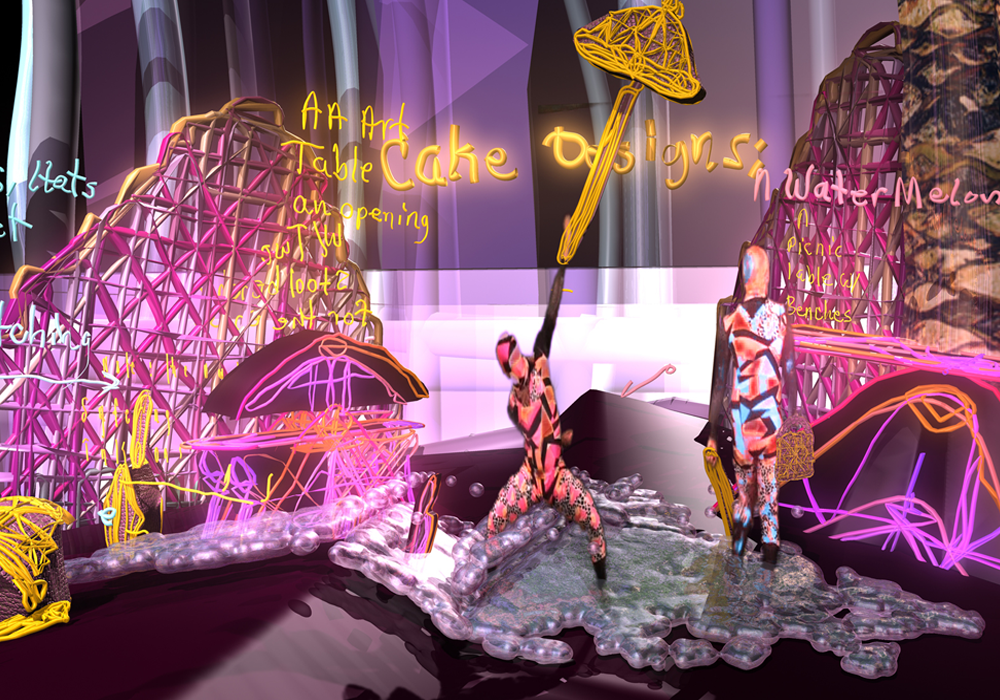
Emotional fantasies, towers of cakes, identity troubles, collapsed distance and time and Samuel R. Delany’s rarely seen 1971 film The Orchid.
Taku’s actions strip back musical performance to one of its original proposals: what is an action and how does it create a situation for spending time together, for paying attention?
Inspired by the supernatural horror of H. P. Lovecraft, black metal and a sense of worry as to what constitutes an object, or a world.
The pieces in the programme switch between silent film/ imageless sound, but we wanted to have a think about how ideas can take up residency on either side of the sound/ image border, without having to inhabit both at the same time.