Ashlaa’ to Lamlameh: Fragments Made Whole
Ashlaa’ to Lamlameh: Fragments Made Whole
A conversation with the preeminent Palestinian feminist: Nadera has coined two incredibly profound concepts to understand Palestinian life today. Ashlaa’—the violent fracturing of Palestinian bodies, and lamlameh—the defiant collecting of a loved one’s parts.
Overview
Nadera Shaloub-Kevorkian is the most influential Palestinian feminist thinker today. She has made some of the most important philosophical contributions to understanding contemporary Palestinian life, which will be explored over two events this evening. Ashlaa’ to Lamlameh: Fragments Made Whole brings together Nadera with the poet, writer and organiser David Lloyd, to think through the subjects of her forthcoming book; her concepts of Ashlaa’ and lamlameh.
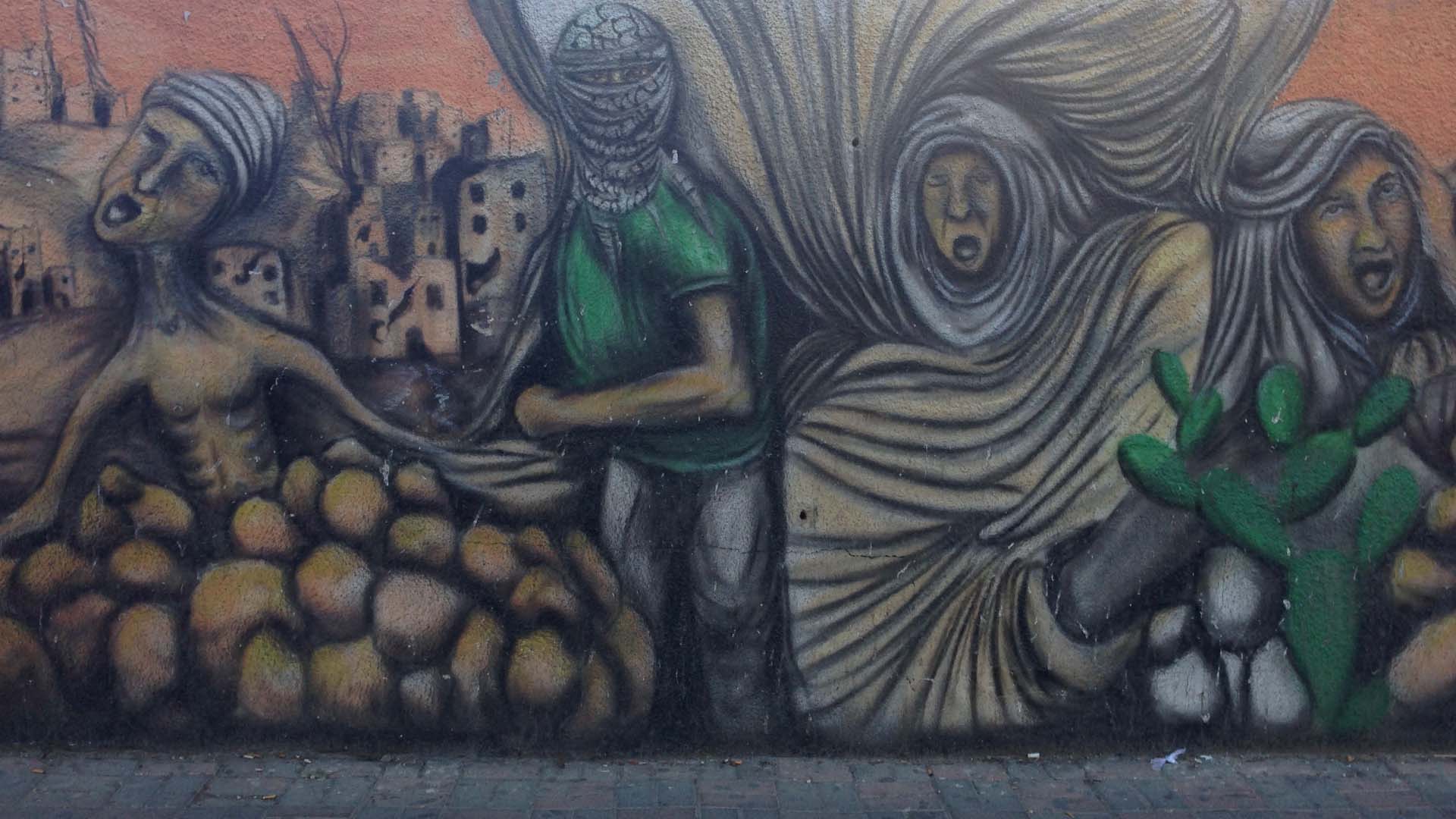
Nadera uses the Arabic term Ashlaa’ (meaning ‘severed body parts/fragments’) as a theoretical framework to describe the physical and psychological fragmentation of Palestinians under Israeli settler-colonialism. It highlights the genocidal reduction of Palestinian life into scattered flesh, land, and cultural memory. In the face of this, Nadera offers an understanding of ‘re-membering the dismembered’: a practice of lamlameh (the radical act of collecting the fragments of a loved one’s body, so as to be able to bury them) to refuse the colonial aim of total erasure, linking the dead, the living, and the land.
Context
As David writes in his essay From Ash To Ashlaa’:
…against the Zionist settler colony’s determination to transform Palestinian life into dismembered death, ashlaa’ offers Palestinians—and those who would bear witness—a vital concept for grasping racialized death and overkilling: it makes visible the strategies, policies, and practices of state violence and its management of death to assert sovereignty.
The idea of Ashlaa’ is additionally compelling to us, in that it builds on the critical thinking of friends from past Episodes. Hortense Spillers and Denise Ferreira da Silva unpick ideas of the body and the flesh in relation to blackness. On the one hand: the individuated ‘body’ can be thought of as a protected status, granted or denied by power, and a form of what Fred Moten calls a kind of solitary confinement. And on the other, ‘flesh’ can be understood as ungendered, unracialized collective corporeality; beyond concepts of ownership yet vulnerable to power’s violence. Ashlaa’ builds on this thinking, rooting it in Palestinian life, to further complexify understandings of the individual and social body, and the relationship between the part and the whole, the self and the common.
After my forty-three days working as a surgeon in this genocidal war in Gaza and twenty years as a war surgeon, I came to the following conclusion. The difference between a war and a genocide is that the former destroys the present in order to alter the future whereas a genocide destroys the past and the present in order to prevent the future from happening. Visiting the graves of loved ones is a way of encountering the past that allows people to move forward from a painful present to a more hopeful future. Israel’s dismemberment of the dead Palestinian body into unburyable ashlaa’ is part of preventing such a future.
-Ghassan Abu-Sittah – The Character of Settler-Colonial Violence
Can gathering the dismembered parts of the dead Palestinian body be understood as a radical act of love and care, of life-making and mothering at the end of the world?
Nadera Shalhoub-Kevorkian theorizes this impossibility through the concept of ashlaa’. In its direct translation, ashlaa’ is an Arabic term that refers to scattered body parts, the dismembered flesh and bones left in the wake of Zionist airstrikes and massacres. Yet, opening this further, she considers ashlaa’ as an analytics of gathering the dead, one that grows organically from the praxis of Palestinians in Gaza who collect and (re)member the remains of their loved ones.
-Sarah Ihmoud – (Re)membering the Dead at the End of the World: Ashlaa’ as Critical Feminist Methodology
Content Notes
This conversation will cover subjects including: state crimes, gender-based violence, surveillance, and the impacts of military occupation on Palestinian women and children, including death and dismemberment.
ReadBios
Nadera Shalhoub-Kevorkian is a Palestinian Jerusalemite feminist whose scholarship on the settler colonial state’s brutality, unchilding, securitized and sacralized politics, state crime, law and society, and global feminist politics, challenges epistemic violence. She is a Professor Extraordinarius- University of South Africa, the Global Chair in Law- Queen Mary University of London, and a visiting Professor- Princeton University. Author of numerous books among them Militarization and Violence Against Women in Conflict Zones in the Middle East: The Palestinian Case Study (Cambridge University Press, 2010; Security Theology, Surveillance and the Politics of Fear (Cambridge University Press 2015); Incarcerated Childhood and the Politics of Unchilding (Cambridge University Press 2019); co-edited volumes Engaged Students in Conflict Zones, Community-engaged Courses in Israel as a Vehicle for Change (Palgrave Macmillan Press 2019); When Politics are Sacralized: Comparative Perspectives on Religious Claims and Nationalism (Cambridge University Press 2021); The Cunning of Gender Violence (Duke University Press 2023), and a co-edited volume with Stephen Sheehi entitled: Abolitionism, Settler Colonialism and State Crime, 2024.
And in Arabic:
البروفيسور نادرة شلهوب- كيفوركيان
ناشطة نسويّة نقدية وباحثة فلسطينيّة، تعلم حاليا في جامعة برينستون، وتعمل أستاذة كرسيّ في مجال القانون العالميّ في جامعة لندن QMUL، واستاذة استثنائية في جامعة جنوب أفريقيا. تتمحور أبحاثها في مواضيع متعدّدة في مجال علم النفس الاجتماعيّ التحرري، الخدمة الاجتماعية النقدية، ودراسات القانون والمجتمع، ودراسات المعاناة الإنسانيّة والصدمات المتراكمة في واقع الاستلاب، ودراسات علم الاجرام وجرائم الدولة، وعنف استخدام السلطة في السياقات الاستيطانيّة – الكولونياليّة تجاه المجتمع وبخاصة الأطفال والنساء. لها عدة كتب منها كتاب بعنوان “العسكرة والعنف ضدّ النساء في مناطق الصراع في الشرق الأوسط: دراسة الحالة الفلسطينيّة” (2009)،وكتابها بعنوان “ثيولوجيا الأمن، الرقابة وسياسة الخوف” (2014)، وكتاب “الطفولة المعتقلة، وسياسات نزع الطفولة” (2019) جميعها من منشورات جامعة كامبريدج، وكتاب بعنوان “في تحدي الاشلاء” سيصدر مع منشورات جامعة دوك. كما وكتبت خمسة كتب محررة بمشاركة باحثات/ين نسويات ونقديات، ومقالات علمية عديدة نشرت في مجلات اكاديمية محكمة عالميا.
ترآس د. نادرة حاليا عدة أبحاث محلية وعالمية ، كما وتدير مشروع الحاضنة الفكرية، وبرنامج الدراسات التحررية الفلسطينية والجنوبية من جنوب افريقيا، أمريكا اللاتينية، اسيا، ايرالندا وفلسطين. يتمركز تنظيرها في السنوات الأخيرة، بما فيها سنوات الإبادة على مركزية ومركزة الجسد والاماتة لفهم المقاومة، الاقتدار، والاحياء.
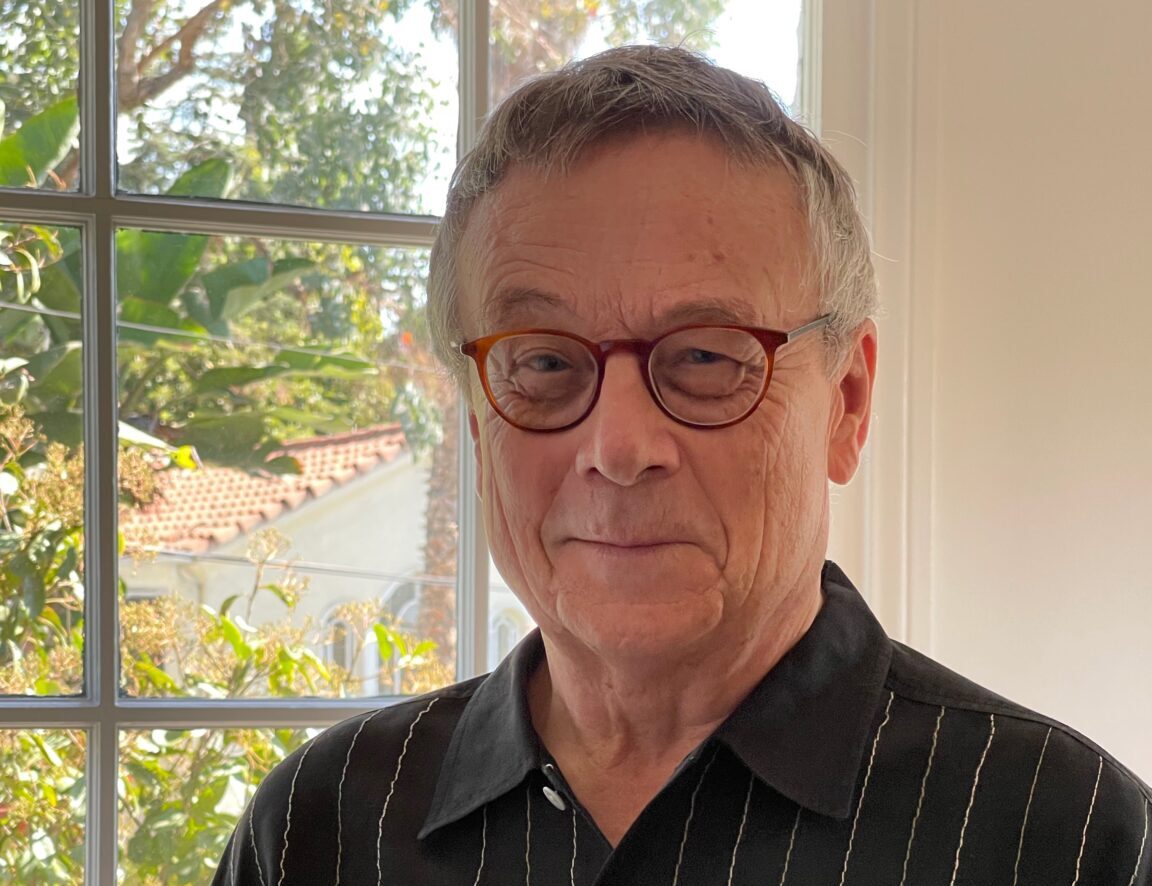
David Lloyd is and Irish-born critic, poet and dramatist, and has worked on postcolonial and settler-colonial theory and cultural critique, race and aesthetics, and poetics. Recent critical books include Under Representation: The Racial Regime of Aesthetics (2019), Irish Culture and Colonial Modernity, 1800-2000 (2011), and Rage, Shame and Dread (Seagull Books, 2026). Poetry and drama collections include Arc & Sill: Poems 1979-2009 (2012); The Harm Fields (2022); The Bone Wine (2025); Archepelago (2026) and The Press, Shelter and The Pact: Three Plays (2025). He is a founding member of USACBI, and his articles on Palestine include “Settler Colonialism and the State of Exception: The Example of Israel/Palestine,” Settler Colonial Studies 2.1 (2012); “Redemptive Constellations: Irish-Palestinian Relays in Emily Jacir’s ‘Notes for a Cannon’”, Third Text (2020); “From the Critique of Violence to the Critique of Rights,” Critical Times, 3.1 (April 2020), and “Israel’s Cultural Bomb”, Social Text 43.2 (2025). He is Distinguished Professor of English Emeritus at the University of California, Riverside.
Access
BSL
Live Captions
Content Notes
This conversation will cover subjects including: state crimes, gender-based violence, surveillance, and the impacts of military occupation on Palestinian women and children, including death and dismemberment.
See general Access information for Episode 12: From the Rivers to the Seas event
Artists
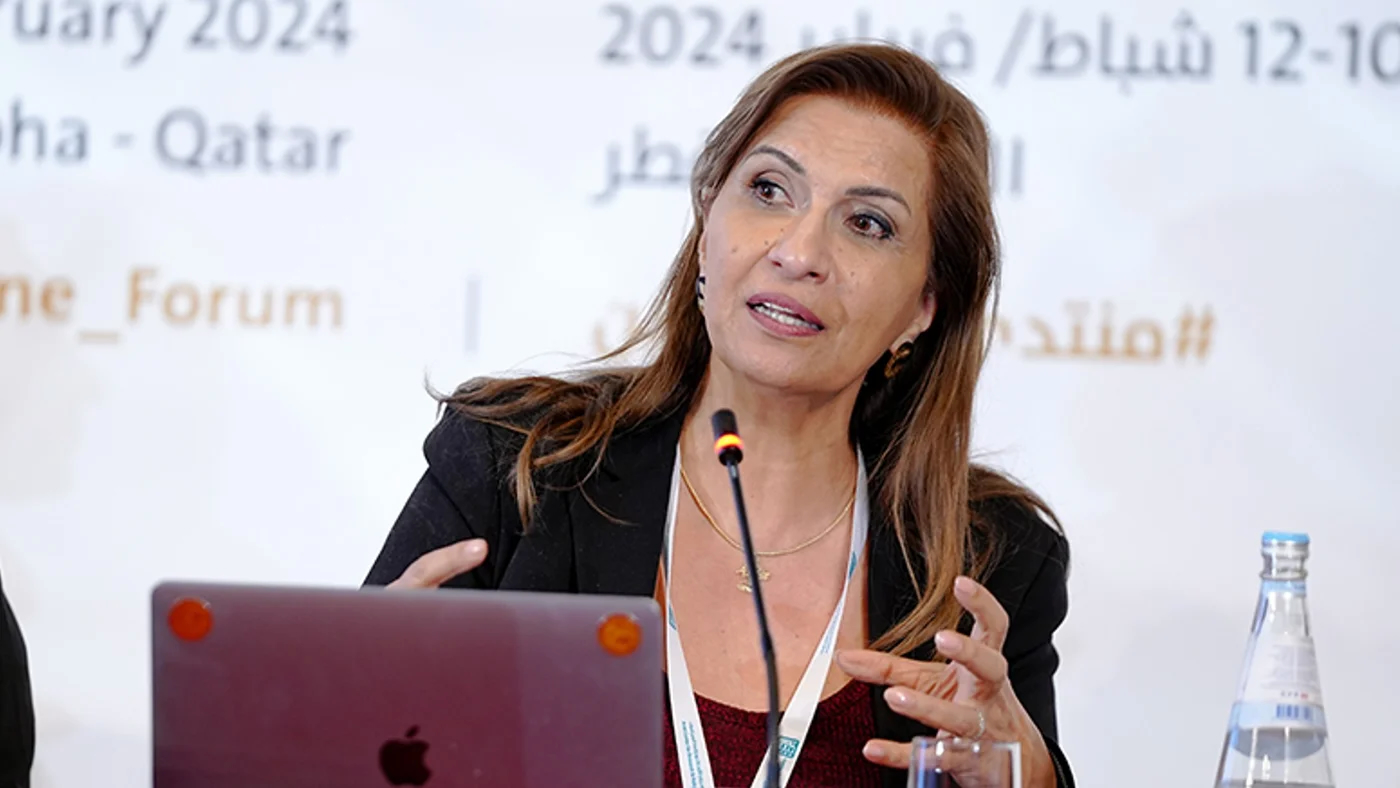
Nadera Shalhoub-Kevorkian