Baby Dee
Baby Dee
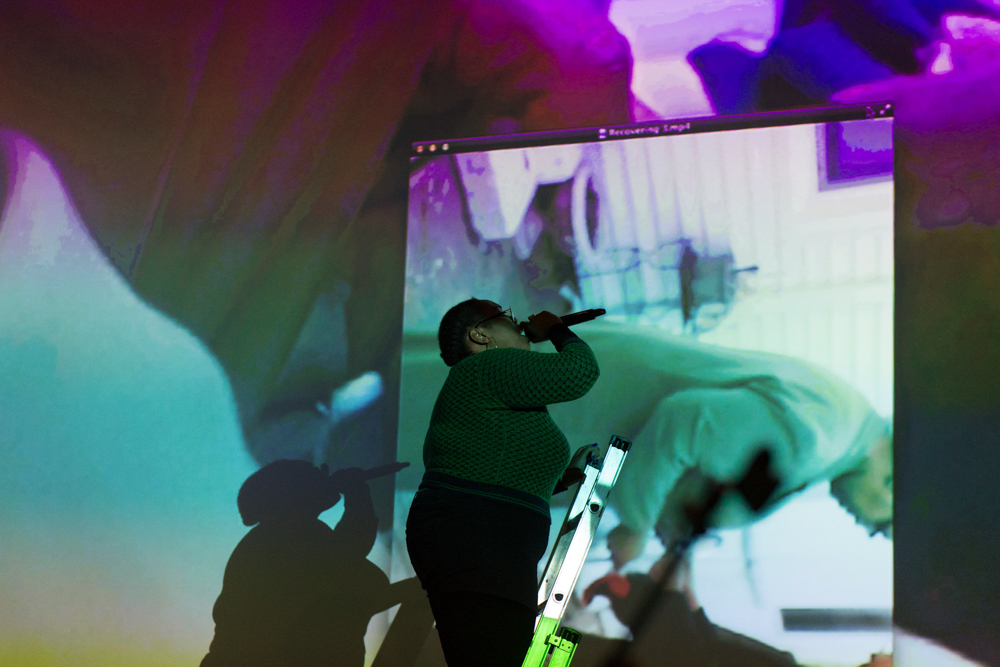
Former street performer, organist, performance artist, circus performer, harpist, accordion player, tree surgeon and tricyclist performing solo.
Arika have been creating events since 2001. The Archive is space to share the documentation of our work, over 600 events from the past 20 years. Browse the archive by event, artists and collections, explore using theme pairs, or use the index for a comprehensive overview.
Former street performer, organist, performance artist, circus performer, harpist, accordion player, tree surgeon and tricyclist performing solo.
A celebration of our overabundant social entanglement and complicity, that remind us of how we can see ourselves, stripped of powers’ attempts to grasp us.
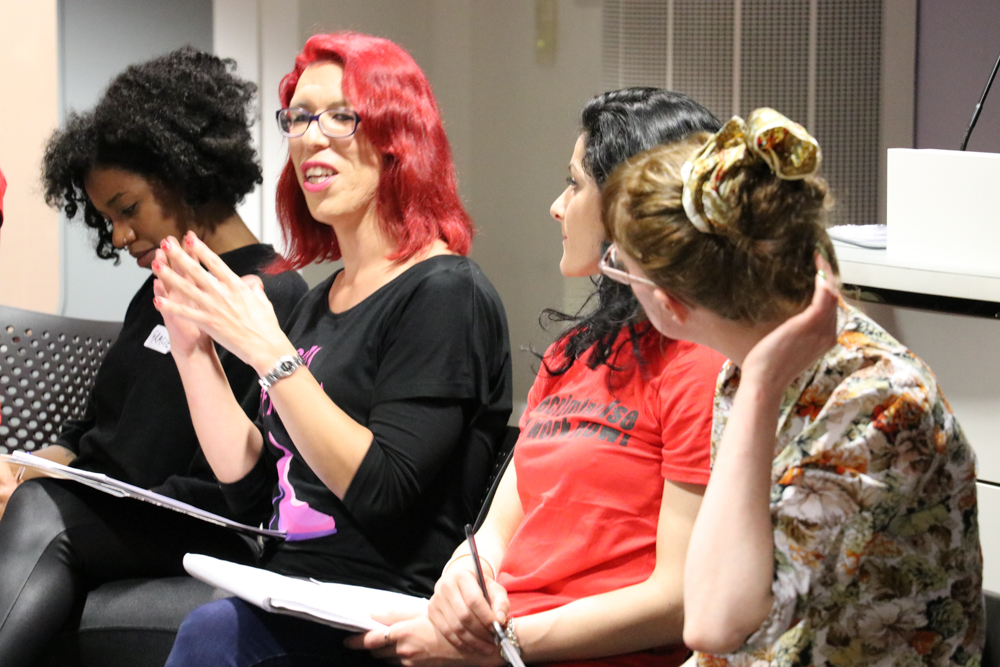
Three panels offering opportunities to discuss how to build stronger alliances between the sex workers’ rights, migrants rights and reproductive justice movements and how to face, together, an increasingly punitive and reactionary system.
Rather than asking the state for services, what kinds of change are made possible when we prioritise people supporting each other?
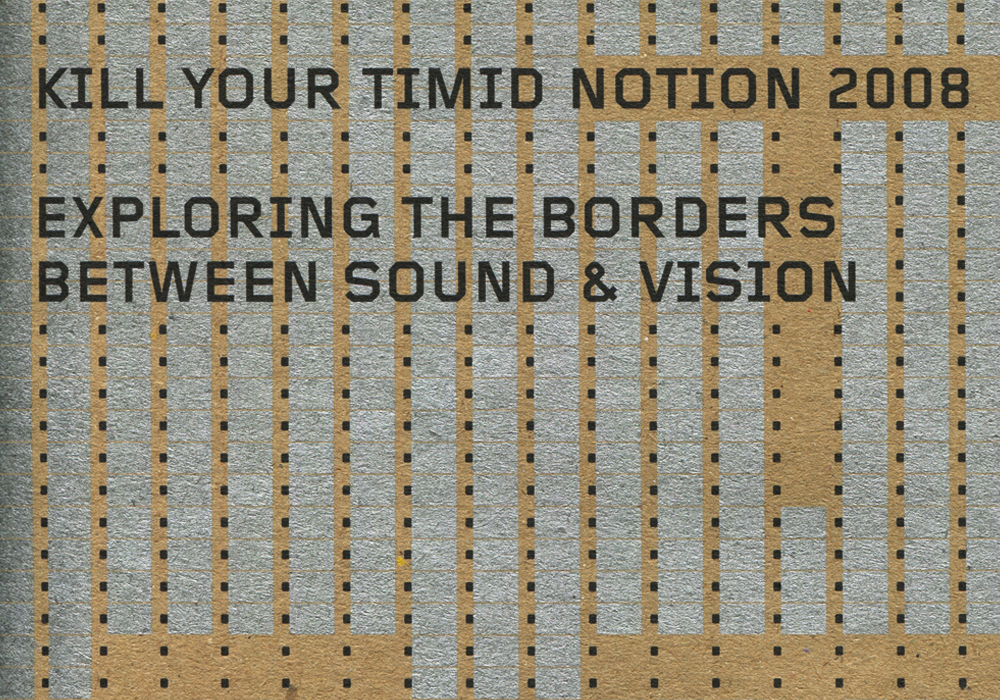
Bringing together artists working with music, sound, film and the moving image, KYTN 2008 saw performances, improvisations, screenings and installations over three days at DCA.
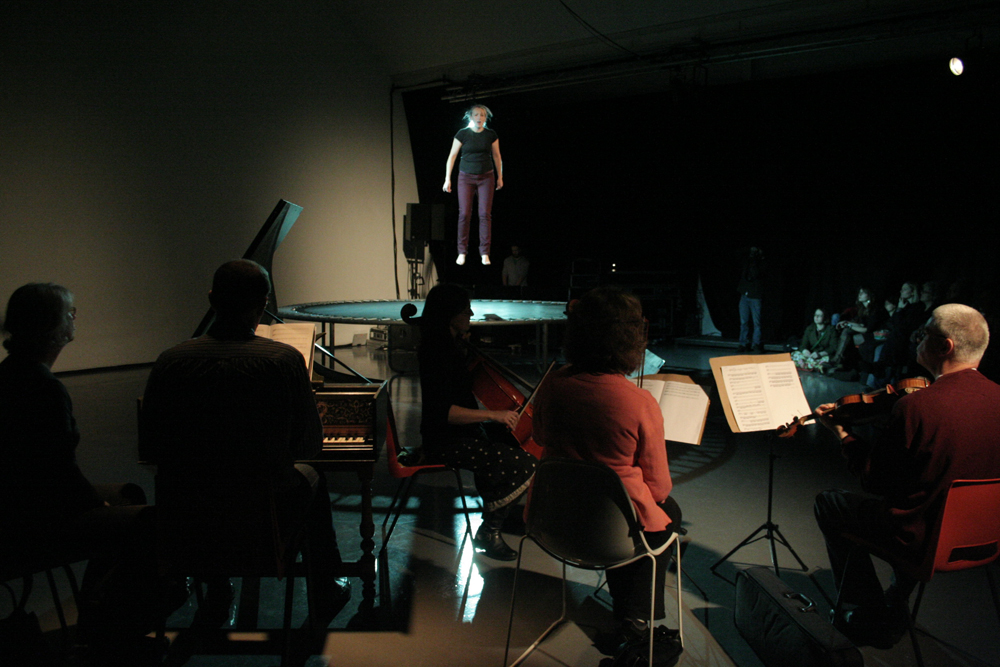
A chorister attempting to sing Vivaldi, with live accompaniment, while trampolining for 20 minutes.
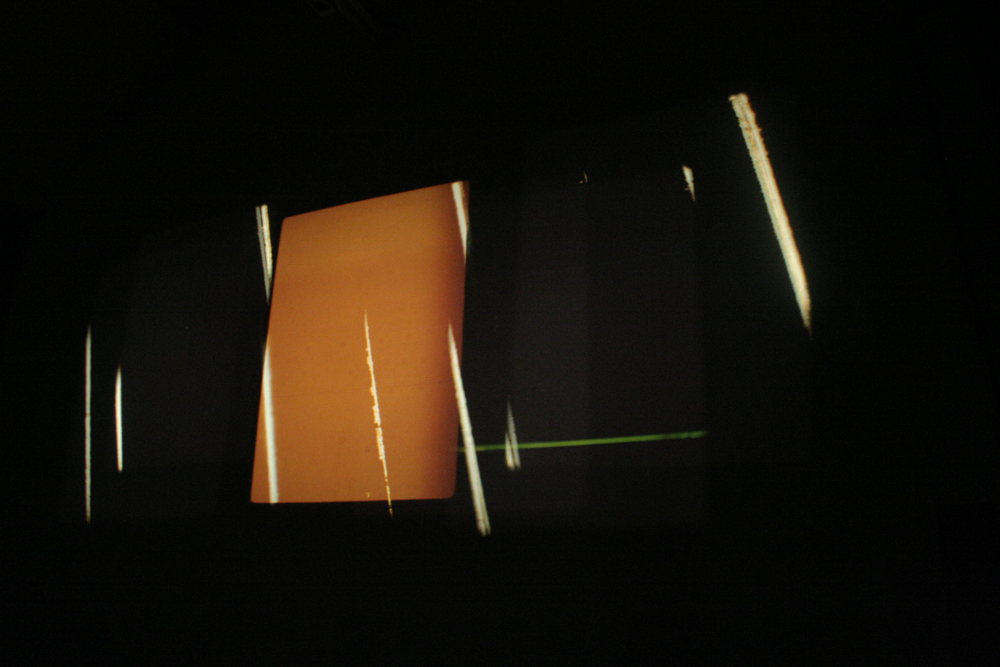
Noise music for the eyes. A 6 screen 16mm projection performance of intense audio and visual stimulus.
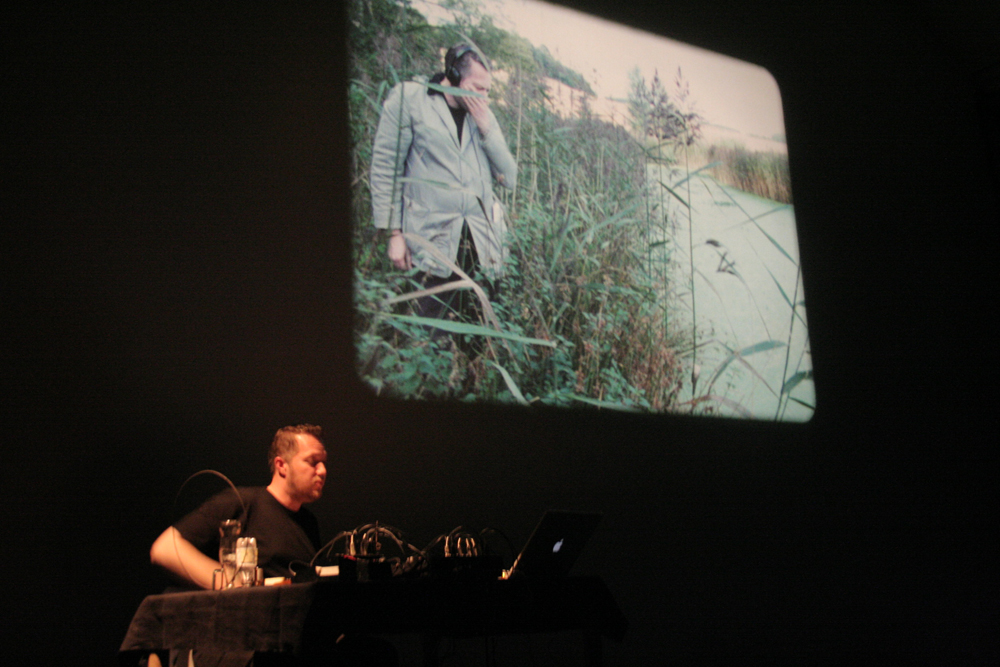
A delicate and detailed walk through the urban and rural landscape around Dundee; a poetic focus on the details found. A performance for 16mm projection and live amplified objects (maybe pine cones, maybe a coke bottle).
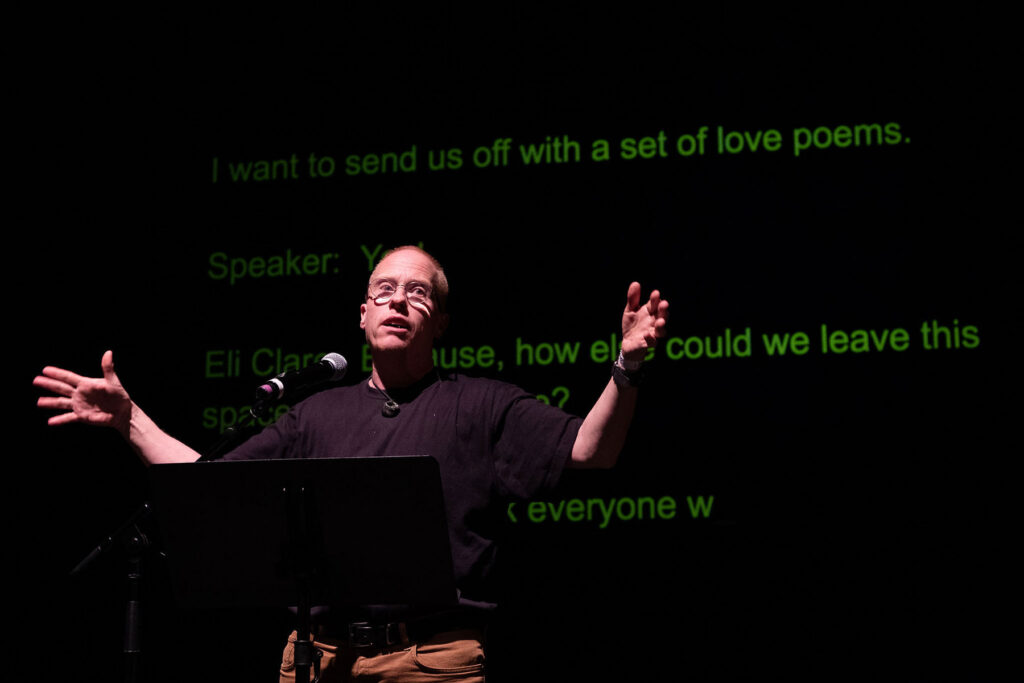
Poems are kisses, fists, and underground rivers. For all these reasons and many more, I am a poet.
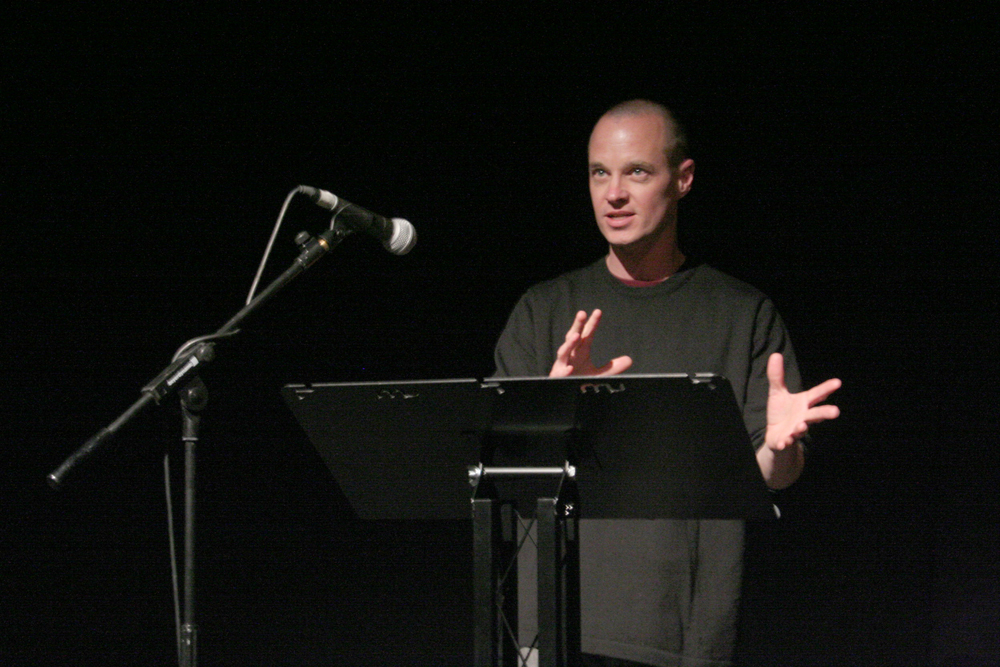
Dworkin asks: What would a non-expressive poetry look like? A poetry of intellect rather than emotion?
Taking a scalpel to the relationship between performer and audience: cutting something out to see what’s left, a drastic subtraction and shift of emphasis.
Relative patterns of occlusion and exposure occupy two screens. Each exposure fires a stroboscopic flash of colour: yellow for one screen; blue for the other, filling the centre of both screens with colour, haloed with after-images.