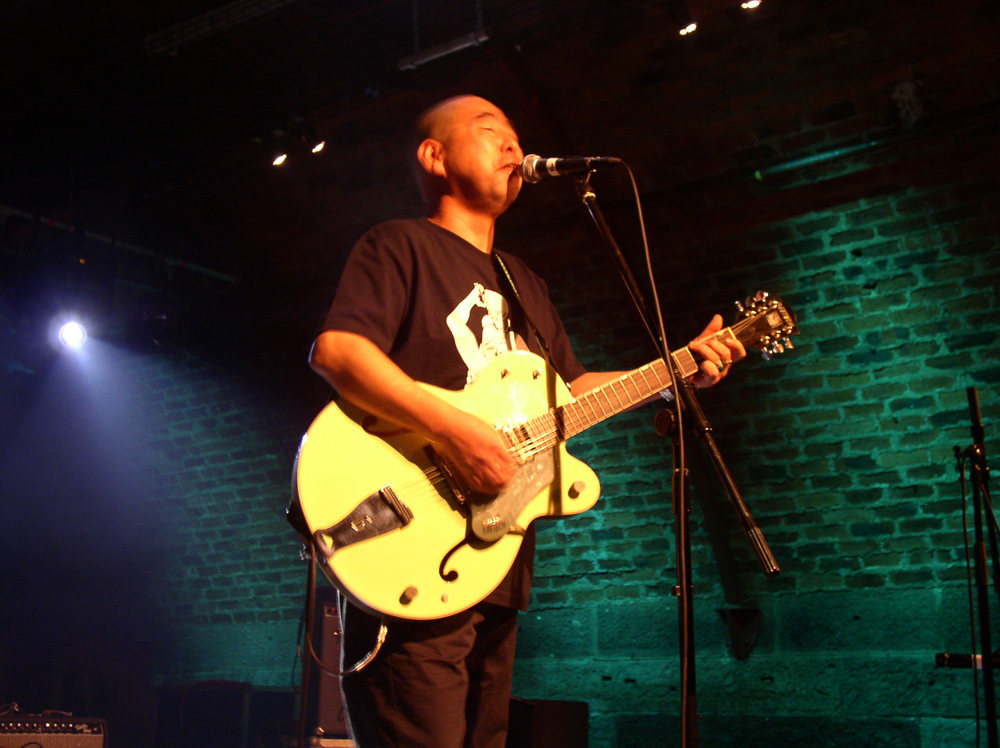
Kan Mikami
Kan Mikami
A voice that can vault from an elegantly whispered insinuation to asphyxiated and murderous barks or squalls in a heartbeat.
Arika have been creating events since 2001. The Archive is space to share the documentation of our work, over 600 events from the past 20 years. Browse the archive by event, artists and collections, explore using theme pairs, or use the index for a comprehensive overview.
A voice that can vault from an elegantly whispered insinuation to asphyxiated and murderous barks or squalls in a heartbeat.
There are core ways in which our listening to the radio differs from other kinds of listening. What happens when we pay attention to how we pay attention?
Four intimate 45 minute sessions, readings of your political questions – using Tarot, Palmistry, Reiki, Astrology, and Philosophy, and the invented methods of Fake and Political Therapy.
A preposterously heavy, eye of the storm musical tug of war, in which two drummers, electronics and electric guitar fall over each other in a droning crush.
Inspired by Delany’s Aye, and Gomorra. A spookily filmic world where asexual bodies live in the contradiction of their unarousable loneliness and desire for intimacy and contact.
How do communities formed under the duress of violent othering and the joy of solidarity – such as ballroom culture, Black diasporas, Zapatistas – reform bonds of kinship?
Loïc and Marc are proposing a series of investigations into the tension between improvisation and recording and how it can be used to engage with different spaces and environments around Dundee
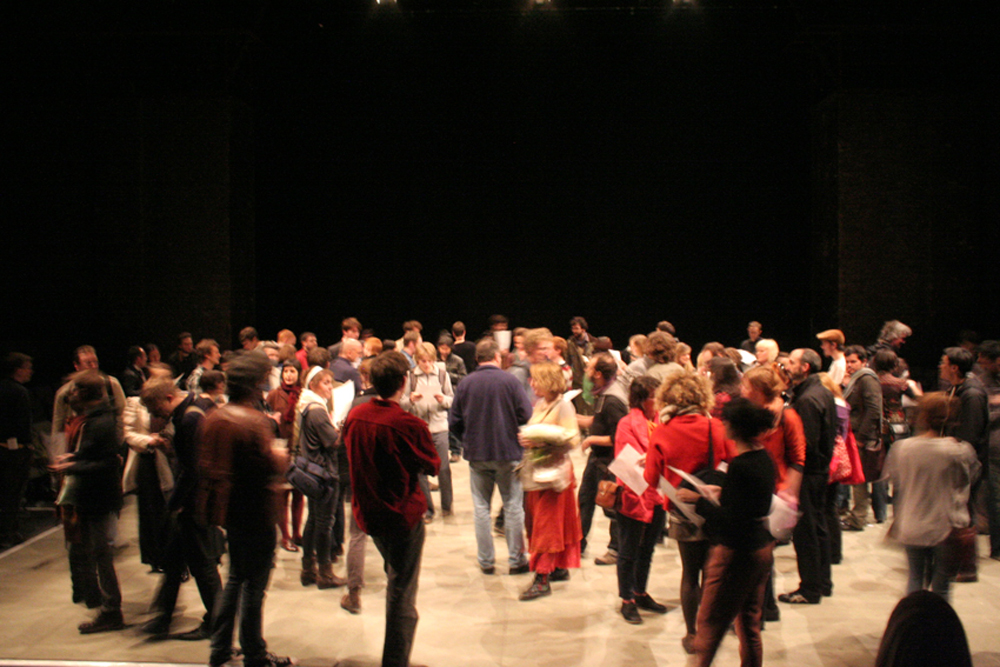
Paper Piece: Secrets is a performance for and with the whole audience, using paper, text, secrets, being in the crowd
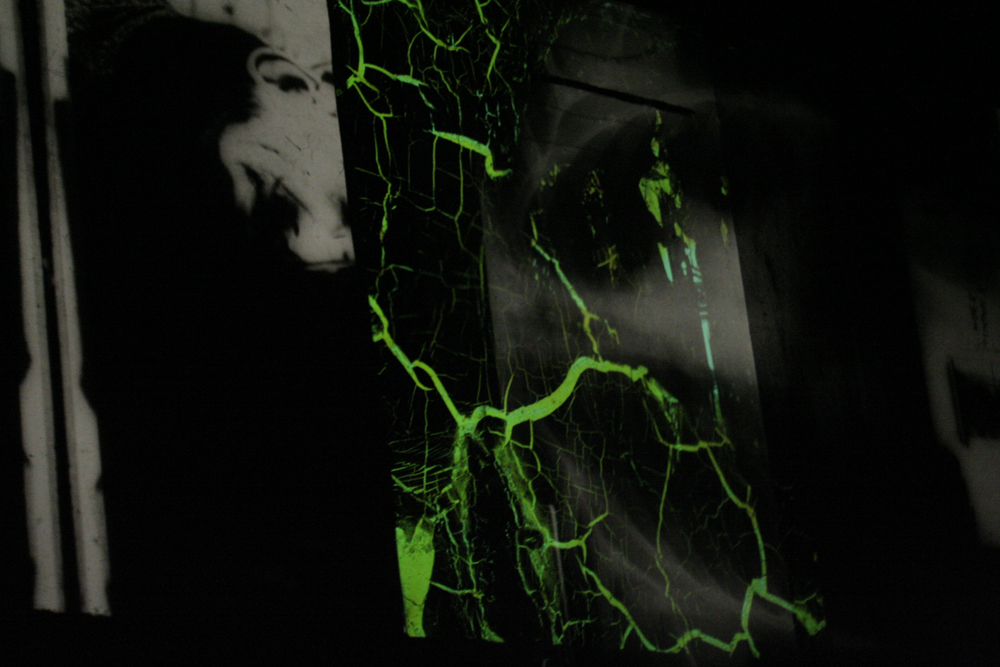
A beautifully crisp, slowly evolving duo for cello and projected images. Abstract but still figurative; change only noticeable after the fact.
Dub is strange. A conversation with Edward George and Dhanveer Brar.
A trance inducing, flickering investigation of structural and minimalist droning from one of the key thinkers in sound and image over the last 50 years
Rather than asking the state for services, what kinds of change are made possible when we prioritise people supporting each other?