Investigation – Christof Migone
Christof Migone
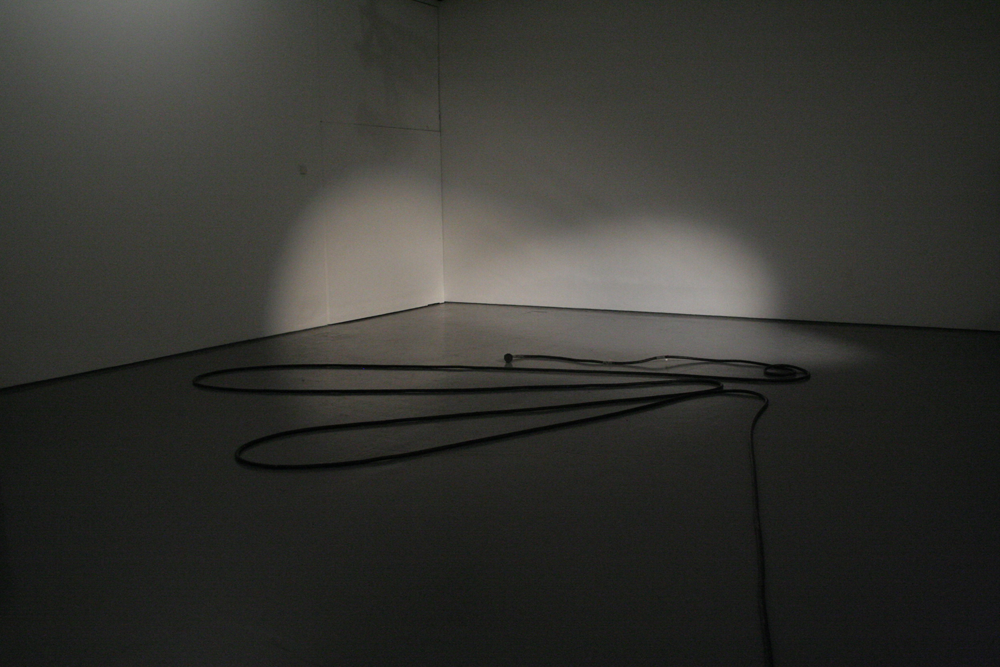
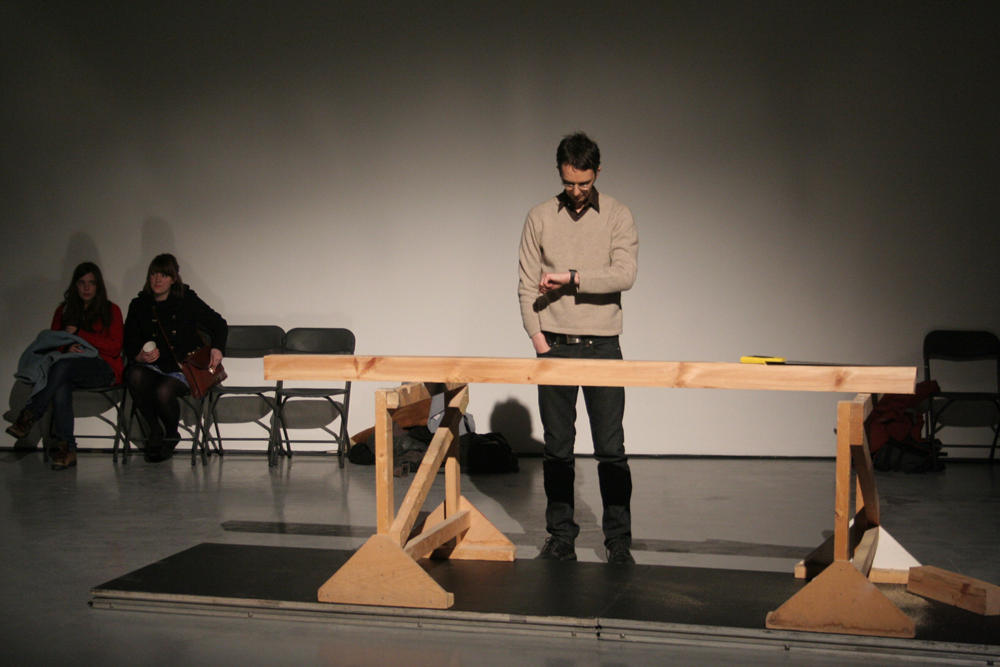
Can we use sound, repetition and difference to personally and collectively engage with space, time and labour?
Arika have been creating events since 2001. The Archive is space to share the documentation of our work, over 600 events from the past 20 years. Browse the archive by event, artists and collections, explore using theme pairs, or use the index for a comprehensive overview.
Can we use sound, repetition and difference to personally and collectively engage with space, time and labour?
The films in the programme take the essential and fundamental building blocks of cinema (combining sound and image through time) screw about with them, interrogate them and cast them anew.
Arika is proud to be one of several arts organisations in Scotland supporting the commissioning of a radical new manifesto, by and for disabled artists working in Scotland.
A programme of discontinuity between narration, text and image. Including Manual Saiz’s employment of John Malkovich’s Spanish dubbing double and Peter Rose’s absurdly hilarious concrete poetry subtitling chaos.
In true reality television style, this in-depth artist talk will tackle all the hardest-hitting questions and juiciest details about care, creative collaboration, and disability justice.
Sean and Taku share an interest in structure, space and time. A spartan, abstract, considered and surprisingly musical set.
Ex Ganger guitarist’s solo performance for guitar and fx, featuring breathless processed guitar, complex in structure and melody.
In Ramayya’s visionary poetry, the body assumes as many forms as love produces states: attraction and repulsion, excitement and exhaustion, selfishness and the dissolution of self.
Moor Mother is a musician, Philadelphian housing activist and black quantum futurist.
There are core ways in which our listening to the radio differs from other kinds of listening. What happens when we pay attention to how we pay attention?
An excavation of the 1805 Lock Hospital in Glasgow. Its official function was to support ‘unfortunate females with venereal disease’, but really what happened was that women and girls were marched in, experimented on, and often never released.
Instead of the one-way monologue of normal performance, what would be the result of an actual collective dialogue? Where would it go?