An introductory salon
Hartmut Bitomsky
Hartmut led “a workshop in the old-fashioned way of discussion, mutual exploration of ideas and samples; trying out what can be shared and where the fault lines show.”
Arika have been creating events since 2001. The Archive is space to share the documentation of our work, over 600 events from the past 20 years. Browse the archive by event, artists and collections, explore using theme pairs, or use the index for a comprehensive overview.
Hartmut led “a workshop in the old-fashioned way of discussion, mutual exploration of ideas and samples; trying out what can be shared and where the fault lines show.”
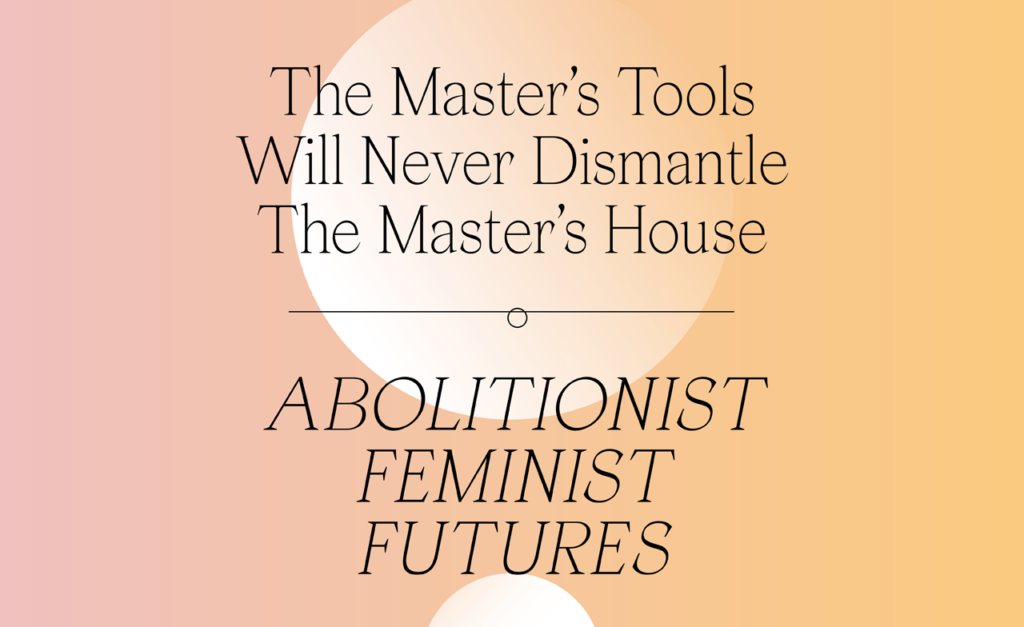
A panel exploring how to dismantle the master’s house — its material edifices and ideological architecture — and the construction of abolitionist futures in the present.
A 3-day exploration – through performance, screenings and discussion – of the art and politics of wayward communities who refuse to be bound by the fictions of race and sex.
(Cyber)feminist, non-essentialist transgender and queer daily radio shows using the formula of morning radio as an arch way of thinking about the scripted behaviour and controlled empathy of systematic care.
A mixture of investigation groups, live performances, screenings and installations at DCA; the festival looked to strip back music, sound, film and moving image to their core ideas and explore them with artists and audiences.
A double bill of A (imageless) film of nothing but a sound recording and its transcription and a found film of news interviews about Malcolm X’s assasination, where the filmmaker decided to add nothing to it, except our attention.
Shutter Interface is an expanded cinema piece: a series of machinegun bursts of chromatic relationships and visual harmonics in an overwhelming montage
Nina’s going to talk about November, by Hito Steyerl: what and how the film thinks, or about what and how it might makes us think (which is connected, but not the same thing), by watching, and it discussing (with you?).
Each of these films addresses place, landscape or location and the personal reaction to their magical or concrete properties. Watch out for Kren’s structural, throbbing investigation of a forest and Baillie’s intimate and humble essay on a blind guitarist and the relationship between songs of Mexican revolutionaries and the people and places they looked to inspire.
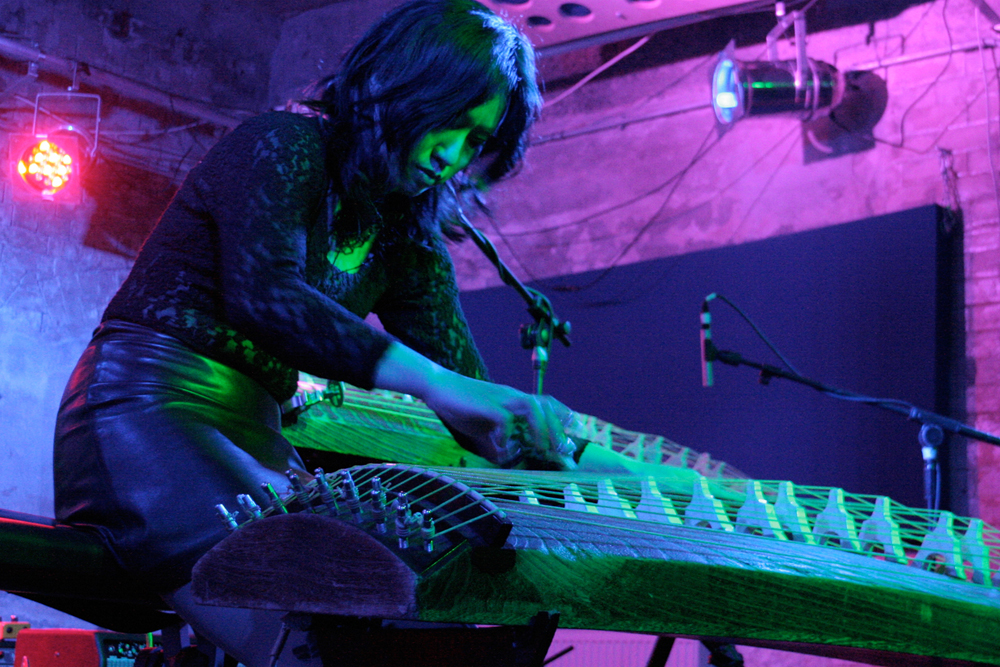
Sometimes delicate, sometimes harsh and jarring, Yagi’s koto solos are as much inspired by Nancarrow or Cage as they are traditional.
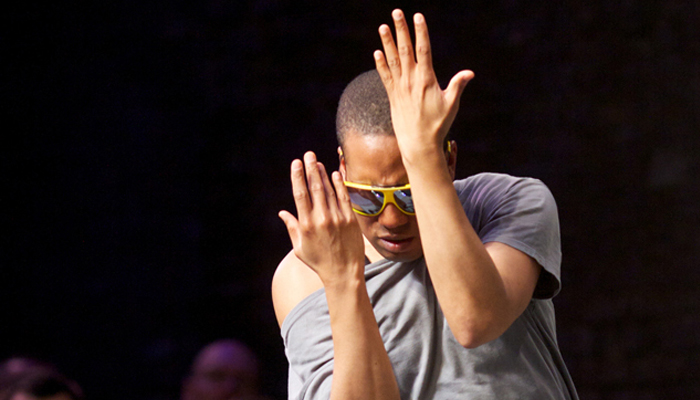
A meditation on how all of us perform — sometimes reinforcing, sometimes subverting — the shifting categories of gender, sexuality and race.
Goofily deformed, deeply thought vocal jams: like the sound of your own breath rushing through your head.