Junko & Masayoshi Urabe
Junko Masayoshi Urabe
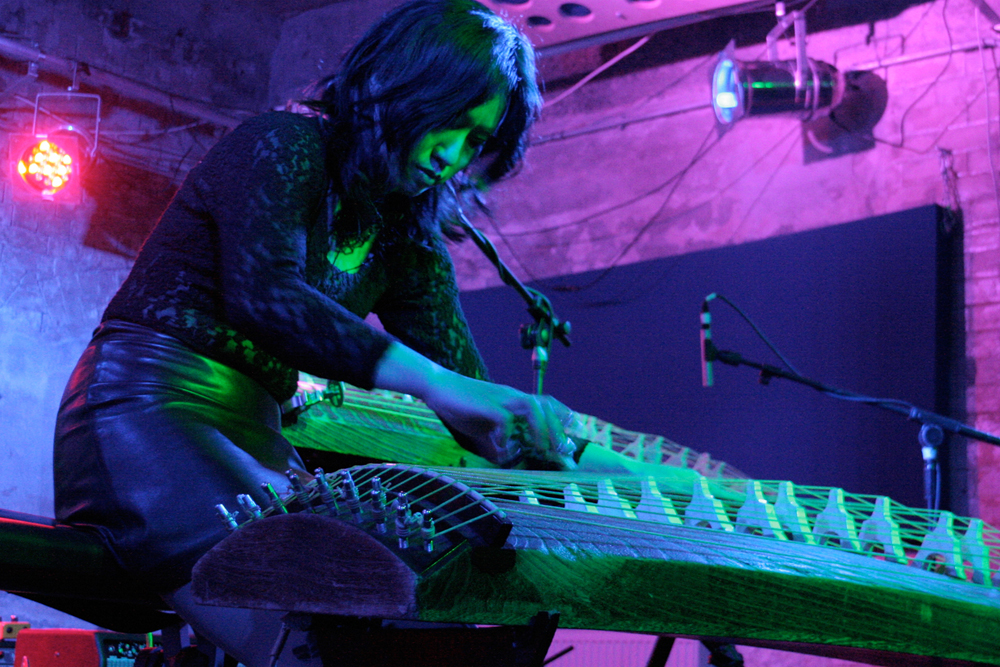
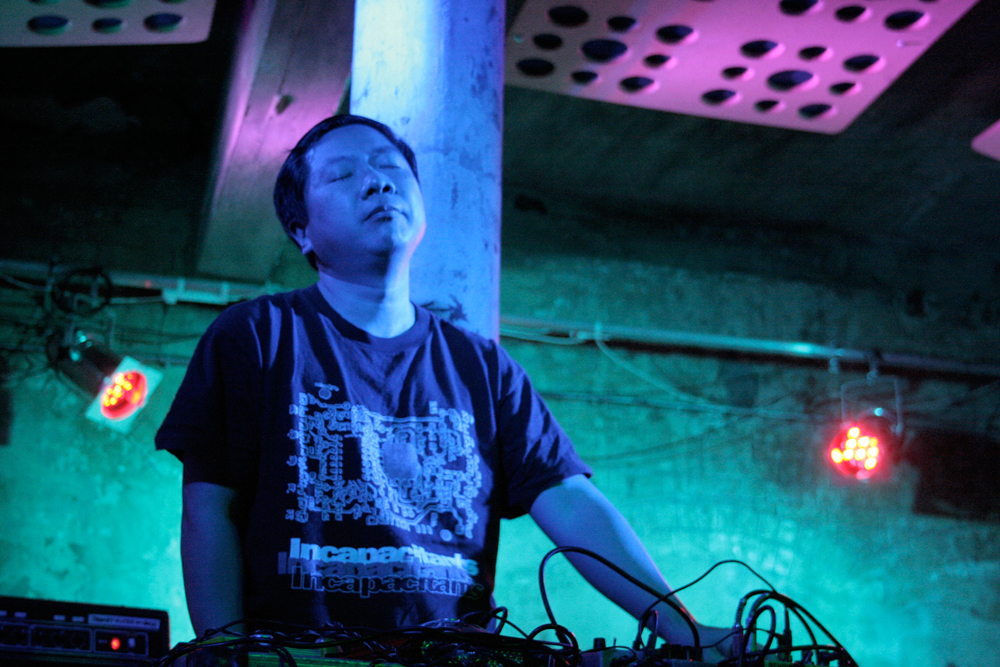
Junko’s screaming vocal in a nuanced, piercing duo with Urabe’s fuming and convulsive saxophone, far removed from the codes of musical tradition.
Arika have been creating events since 2001. The Archive is space to share the documentation of our work, over 600 events from the past 20 years. Browse the archive by event, artists and collections, explore using theme pairs, or use the index for a comprehensive overview.
Junko’s screaming vocal in a nuanced, piercing duo with Urabe’s fuming and convulsive saxophone, far removed from the codes of musical tradition.
Experience a sense of being in the world, in a specific space and time. Including Jeanne Liotta’s recordings of the ionosphere and Walter Ruttmann’s radical 35mm precursor to musique concrète.
Taking over the gallery spaces at Dundee Contemporary Arts, the first Kill Your Timid Notion presented a 3 day programme of live immersive experiences and specially curated film programmes.
Criminal Queers visualises a radical trans/queer struggle against the prison industrial complex, working to abolish the multiple ways our hearts, genders, and desires are confined.
How black radical practices of abolition imagine a way out of the caging and mass killing of life.
The production of moving image (film) by the mechanically, unfalteringly repetitive manipulation of mass-produced materials (film), in order to explore three different allegorical representations (films) of repetitive human actions and labour under capital.
Rhodri Davies plays two deconstructed harps. Lee Patterson examines the sonic properties of burning nuts.
Usurper jamming live in a skip at the site of Bud’s Neill’s Lobey Dosser statue on Woodlands Road.
Can our favourite Vegas-born poet of prophetic blackness and a South Central transmuter of social rage into beauty feel through each other?
Sonic ‘observations’ of the world, through micro recordings on a tiny scale and transformed into something musically compelling.
(Cyber)feminist, non-essentialist transgender and queer daily radio shows using the formula of morning radio as an arch way of thinking about the scripted behaviour and controlled empathy of systematic care.
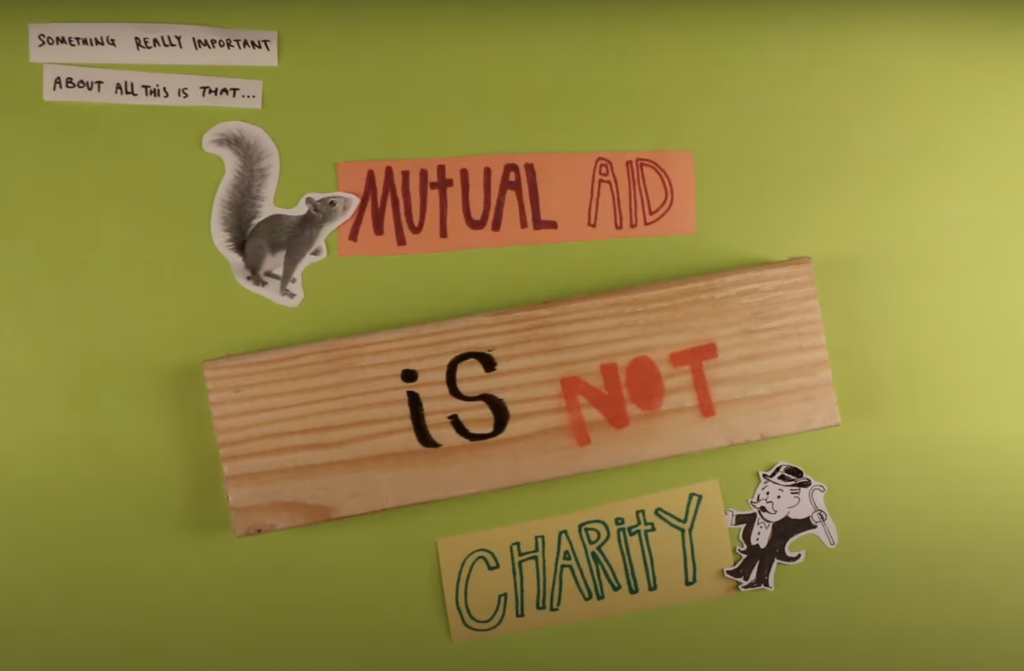
Rather than asking the state for services, what kinds of change are made possible when we prioritise people supporting each other?