Mutual Aid on the Road to Abolition
Dean Spade Abolitionist Futures
How do we make the connections between the mutual aid practices of our daily lives and anti-capitalist efforts to dismantle wider systems of exploitation?
Arika have been creating events since 2001. The Archive is space to share the documentation of our work, over 600 events from the past 20 years. Browse the archive by event, artists and collections, explore using theme pairs, or use the index for a comprehensive overview.
How do we make the connections between the mutual aid practices of our daily lives and anti-capitalist efforts to dismantle wider systems of exploitation?
An audio/ video, lecture/ performance exploring the queer and companionly inter-activity of human-animal relations.
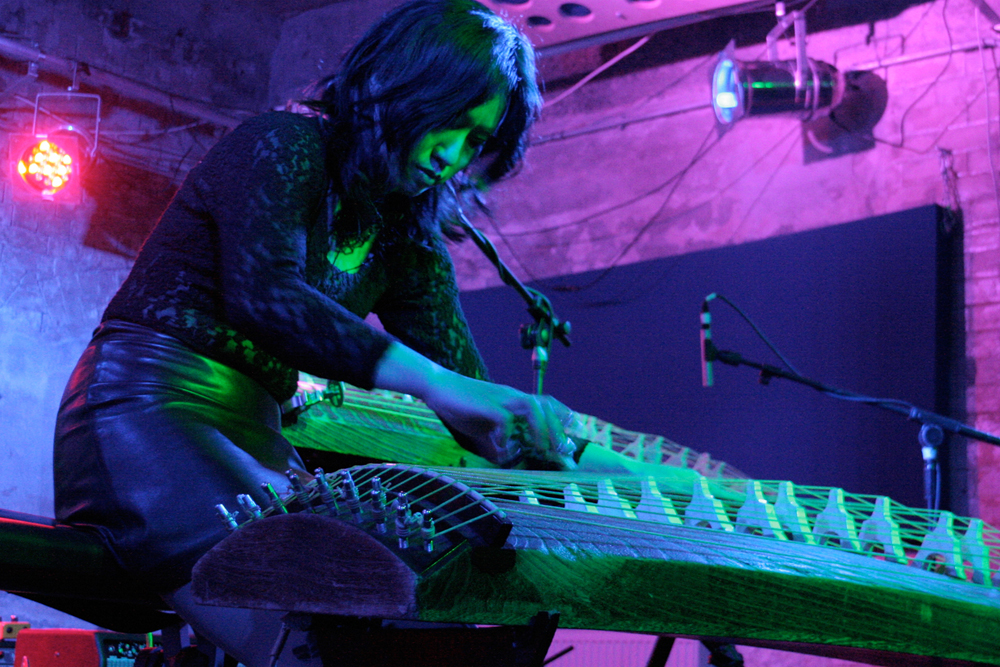
Sometimes delicate, sometimes harsh and jarring, Yagi’s koto solos are as much inspired by Nancarrow or Cage as they are traditional.
How can we imagine bodies not as an end in themselves, but as a medium through which we can become one another’s means?
The most sophisticated synthetic music around: timbrally otherwise body music as sonified fictions and auditive sociograms.
Performances of compositions by Jean-Luc Guionnet and others, with Julia Letitia Scott, Iain Campbell F-W, Neil Davidson, Fritz Welch, Liene Rozite, Emilia Beatriz.
There exist places in our towns and cities that are created not by design, but by circumstance. Shadowed Spaces was a tour of overlooked, bypassed and unconsidered nooks and crannies with 3 musicians.
Jacobs’ pulsing and abstract 3D Nervous Magic Lantern performance grounded by Eric La Casa’s manipulated recordings of everyday locations.
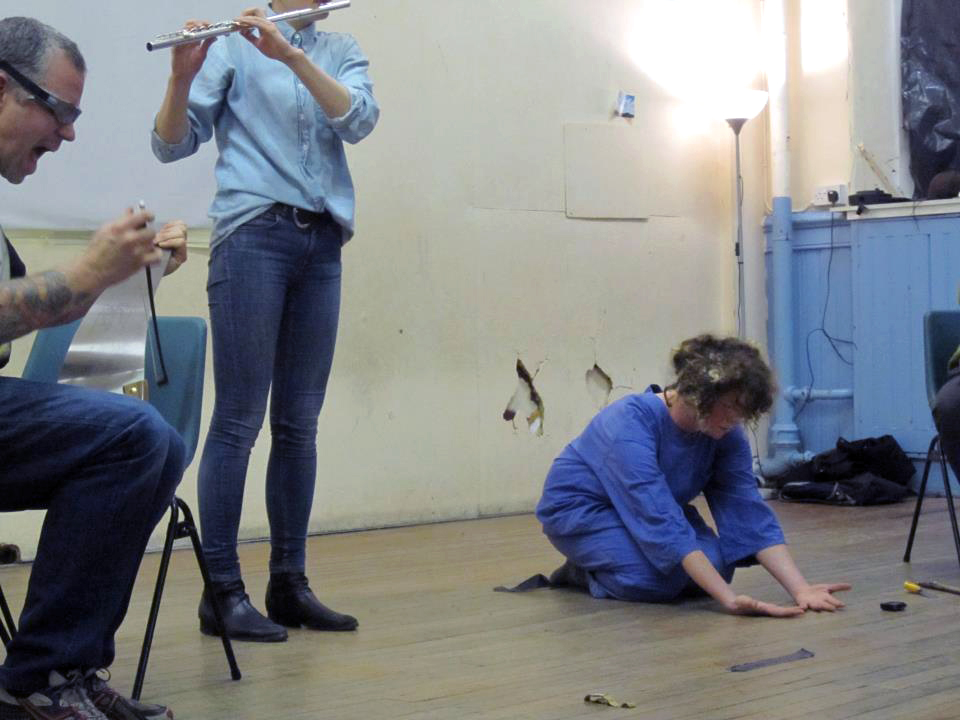
A collaborative duo performance, Anoyonodekigoto sets up a sort of negotiation between a musician, a dancer, the audience and the space we’re all sharing.
A programme that looks at how sound and image can be treated as variants in a collection of ordered objects; at how to create meaning from the similar, and to notice difference.
A conversation between influential figures thinking through Blackness and Indigeneity, asking: what if we took seriously the possibility that this world, as we know it, may be coming to an end? We dread the loss of this world, but have we begun to imagine the one to come?
First in a series of workshops for workers and non-workers who care. Does work that asks us to be attentive to the needs of others force us to sell our capacity for kindness?