Criminal Case 40/61: Reverb
Andrea Geyer
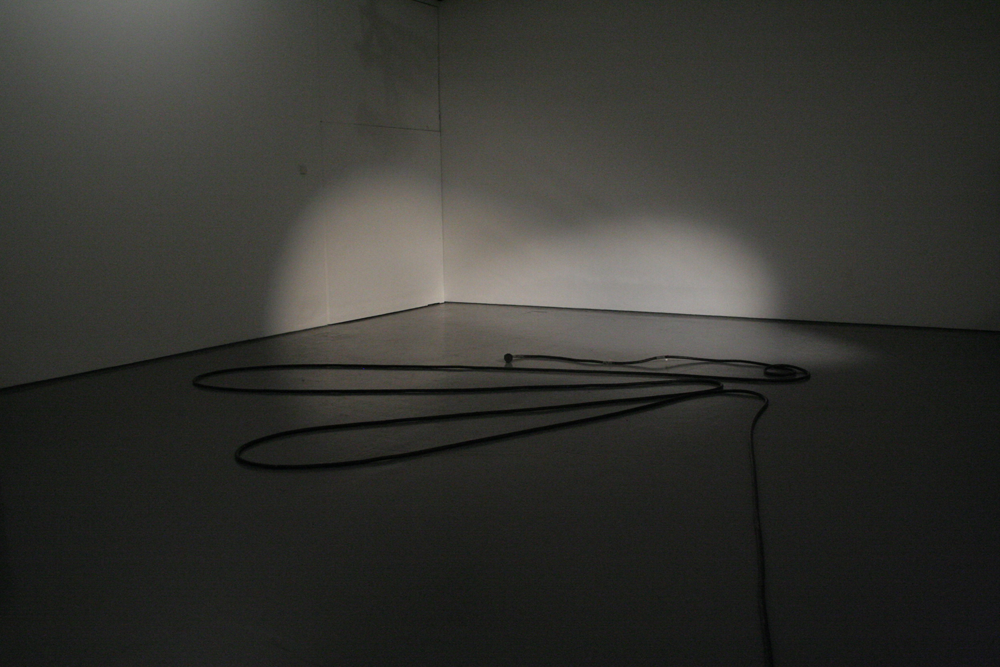
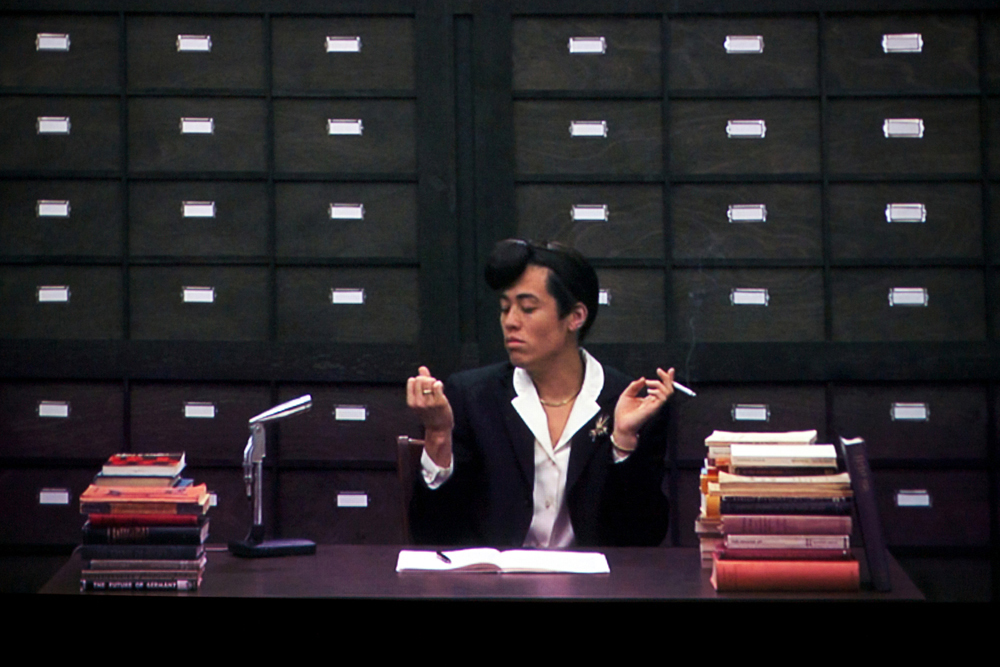
A performed installation by one of Germany’s most interesting visual artists, based on edited transcripts of the 1961 trial of Adolf Eichmann in Jerusalem and the writings of Hannah Arendt
Arika have been creating events since 2001. The Archive is space to share the documentation of our work, over 600 events from the past 20 years. Browse the archive by event, artists and collections, explore using theme pairs, or use the index for a comprehensive overview.
A performed installation by one of Germany’s most interesting visual artists, based on edited transcripts of the 1961 trial of Adolf Eichmann in Jerusalem and the writings of Hannah Arendt
Instead of the one-way monologue of normal performance, what would be the result of an actual collective dialogue? Where would it go?
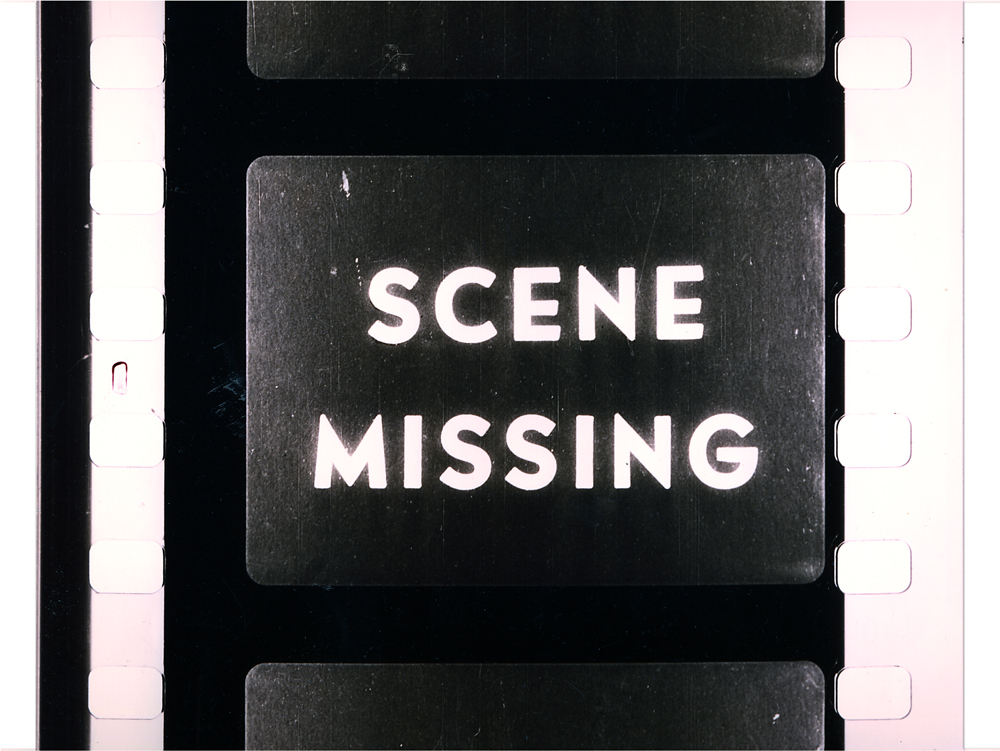
A double bill of Morgan Fisher films that ask what can be achieved by a simple structural method of commenting on scraps of 35mm film, re-shot on 16mm film and what happens to meaning (if anything) when ‘insert shots’ are relieved of their original duty of providing crucial plot development for a variety of other movies?
Thuja specialise in a unique and abstract folk music, a devoutly organic tapestry deeply rooted in the sway and bow of nature.
An audio report for the NATOarts board of directors that seeks to promote global security and stability through the exhibition of works of conceptual art.
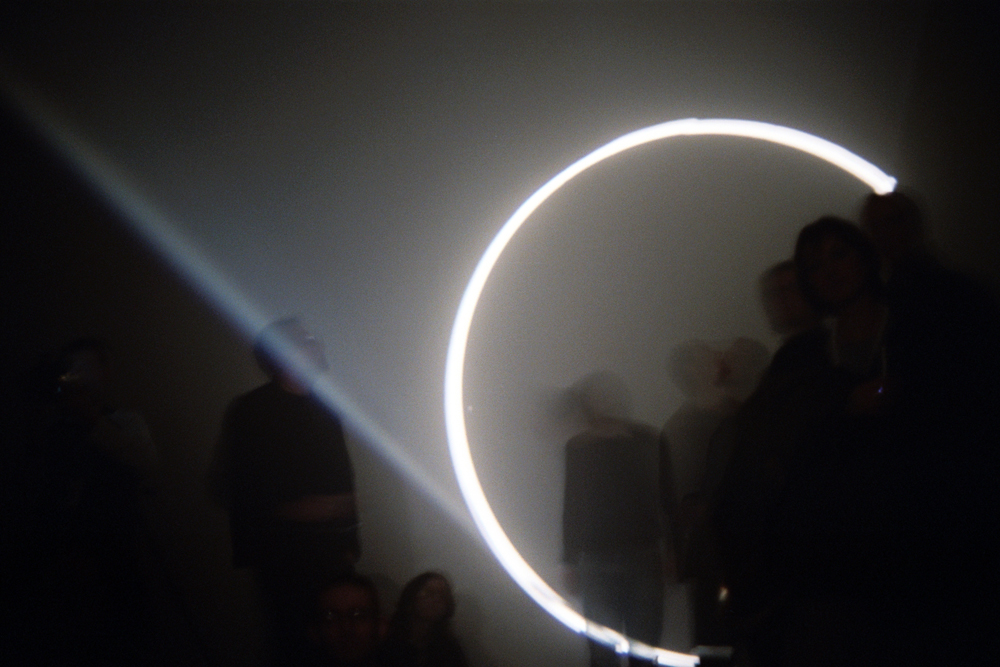
Film and sound stripped of ‘content’ and experienced spatially, to be looked at not on the screen but in the space of the gallery
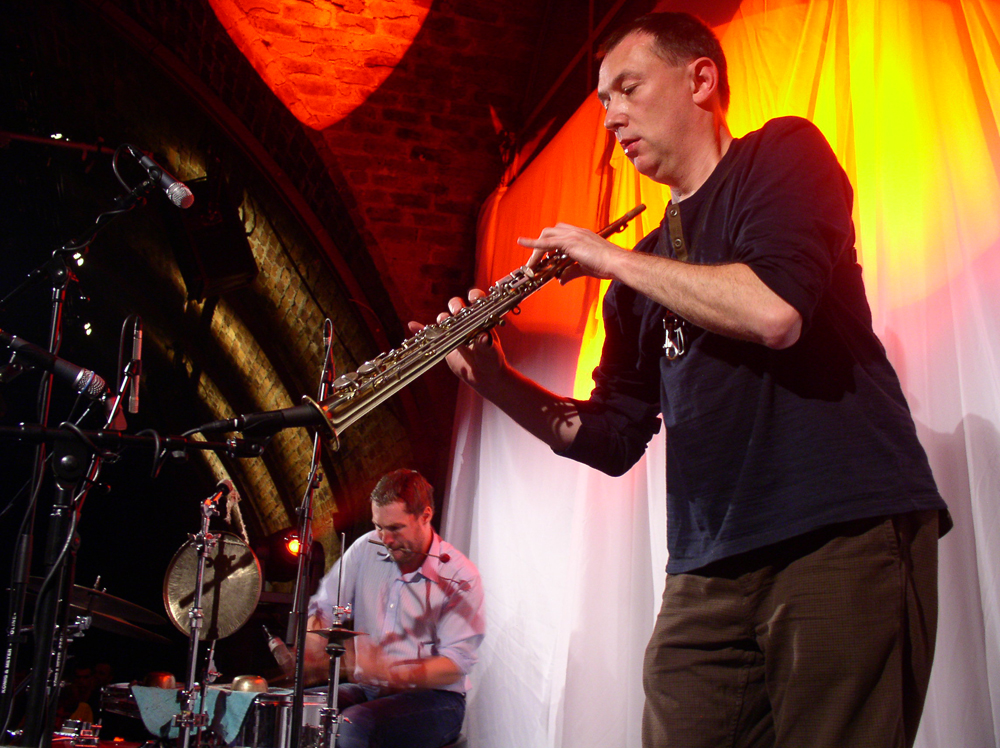
Originally billed as a duo of Ingar Zach and Derek Bailey, John Butcher stood in for Bailey at the last minute.
An improvisation that may or may not involve (typical) improvisation.
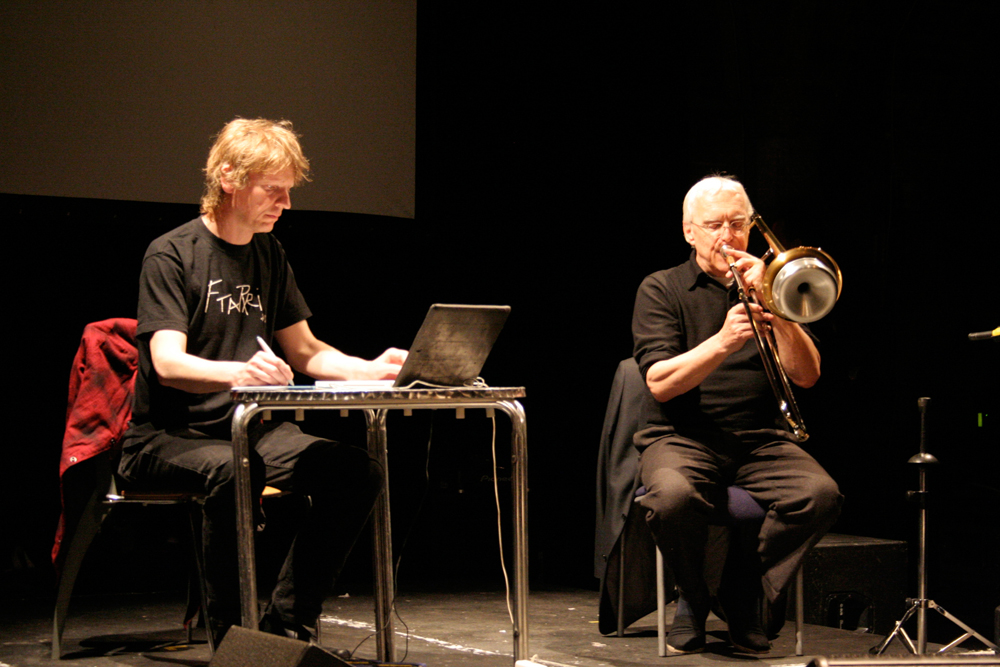
Radu plays a trombone, Klaus creates pure sine waves: they sound on their own, or sometimes together and often with considerable space and silence.
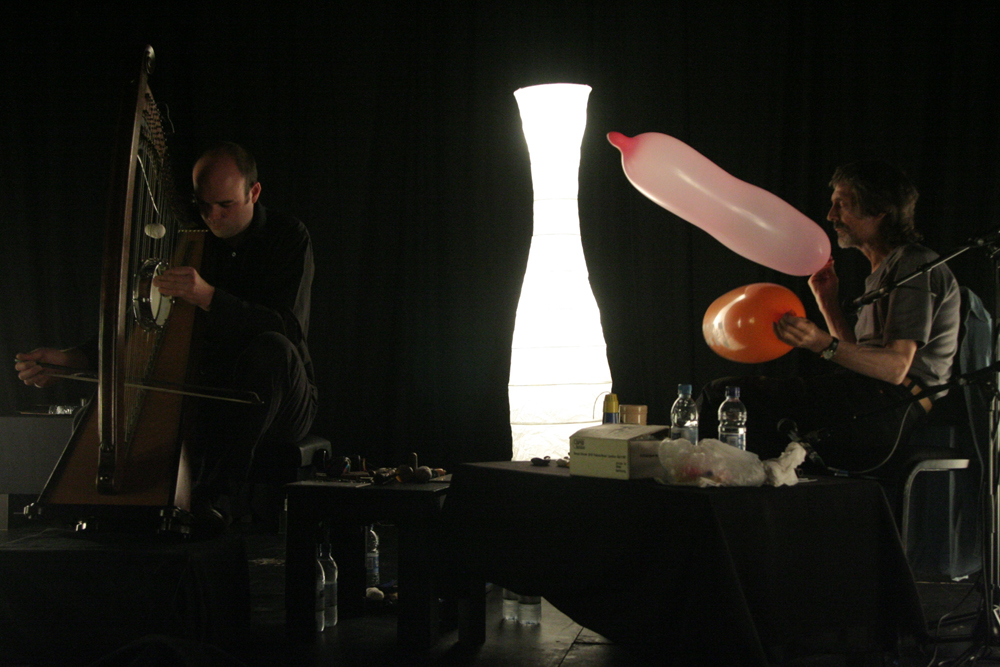
Terry is one of the most entertaining and unpredictable musicians in the London free improvising music scene. Rhodri Davies extends his instrument under a battery of techniques creating sound colours and textures quite alien to the harp.
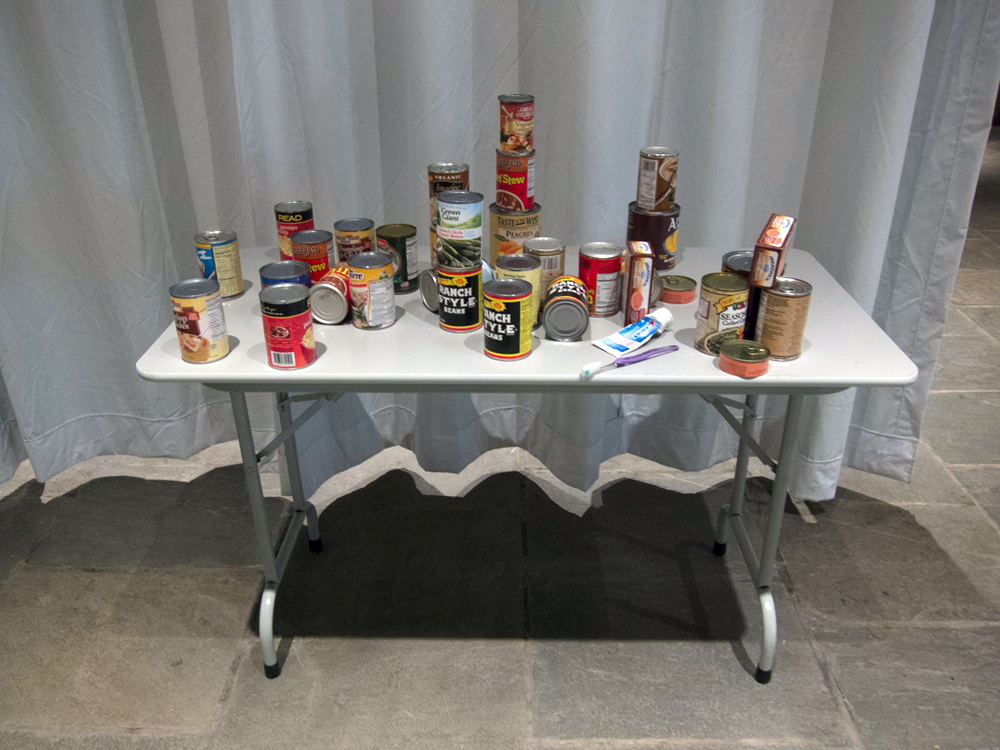
A testimony to poverty from Chris’s own experiences, and an invitation to engage with an all too typical situation and context through a kind of imaginary listening.
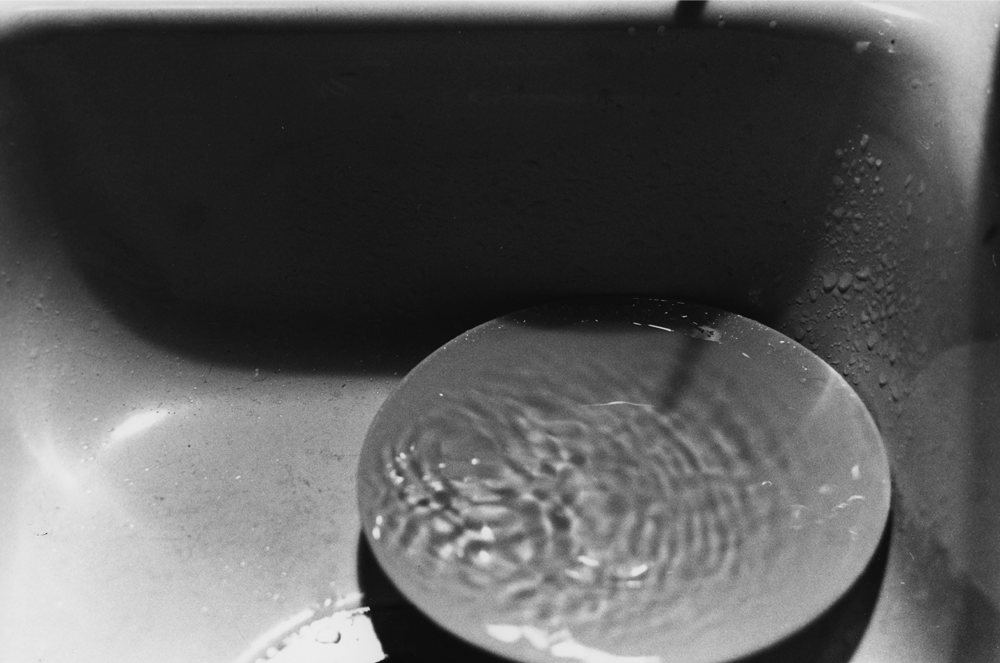
Everyday objects and materials (rubber bands, paper, a sink, microphones) disabused of their inertia and made to speak for themselves in a kind of focusing in on the tiny, repetitive, almost unobserved (sonic/ visual) potential of everyday things put into motion.