Being for Others
Samuel R. Delany
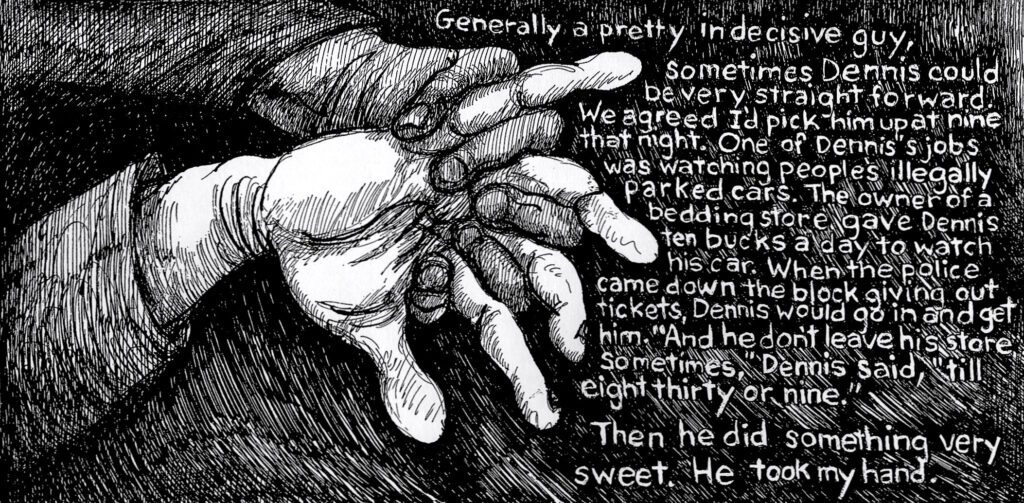
Chip’s written some of the greatest of all Sci-Fi and Fantasy—page turning character driven diamond-hard novels and short stories: each a lens that refracts our real-life struggles and desires.
Arika have been creating events since 2001. The Archive is space to share the documentation of our work, over 600 events from the past 20 years. Browse the archive by event, artists and collections, explore using theme pairs, or use the index for a comprehensive overview.
Chip’s written some of the greatest of all Sci-Fi and Fantasy—page turning character driven diamond-hard novels and short stories: each a lens that refracts our real-life struggles and desires.
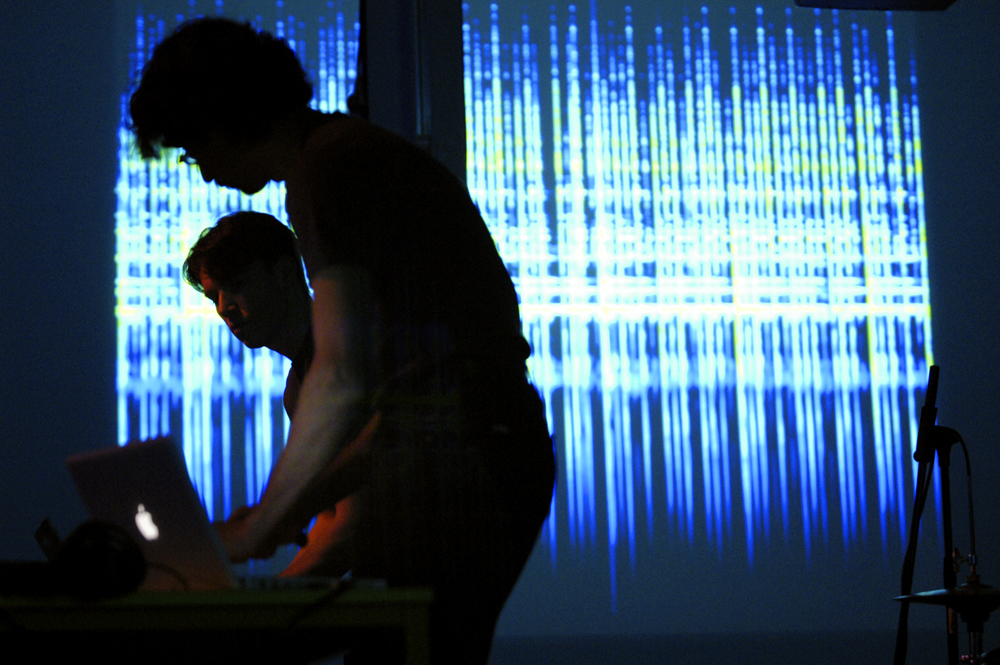
Live ISDN drone performance resonating between Dundee and an empty Montreal Grain Silo.
A simple, gracefully bold set-up to allow Loïc to trace connections: of comments upon comments upon comments, of sounds next to sounds next to sounds.
Part old-fashioned Renaissance man, part hardcore avant-gardist, the Canadian painter-photographer-filmmaker-musician gives full vent to his genius in the exhilarating perceptual vaudeville, named after the ‘central region’ of tissue that acts as a conduit between the brain’s two hemispheres.
Amid the blur of erotics, the jangle of poetics, and the fetishizing of sickness and disability, the heat of Panteha’s performance and sculpture freezes all.
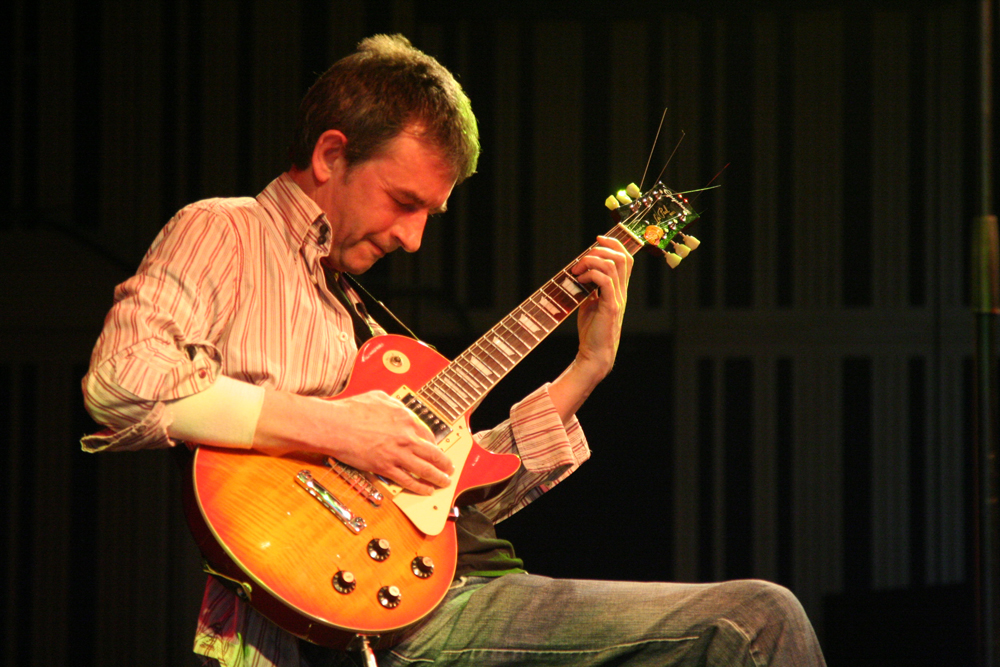
Guitar solo where inscrutable, minute electric sounds are excavated by palms that smother and strangle, that wring sound from the fretboard, from behind the bridge.
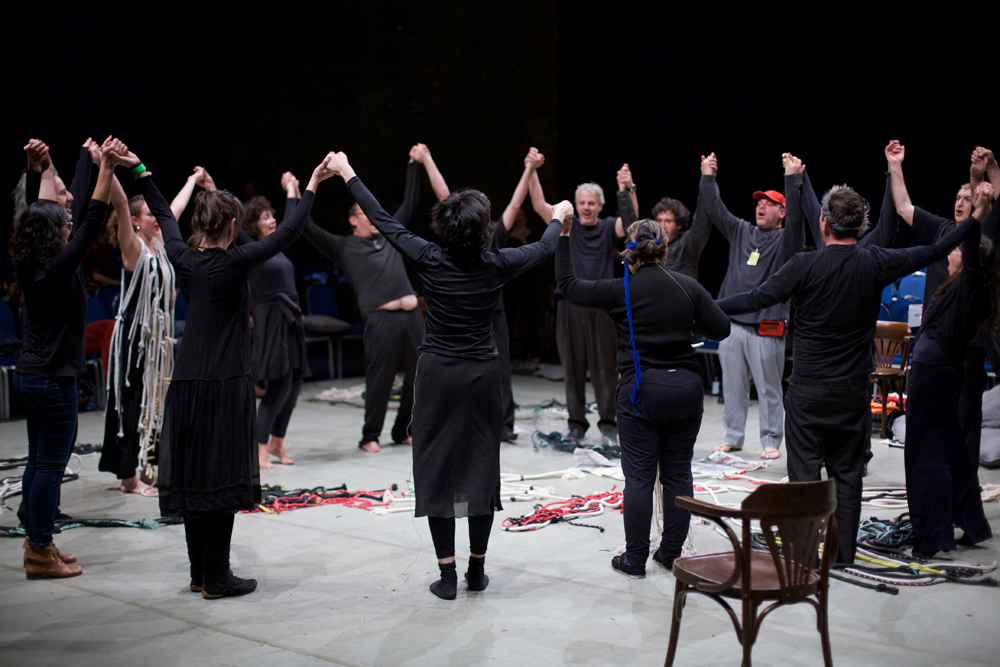
How can we imagine bodies not as an end in themselves, but as a medium through which we can become one another’s means?
An open conversation around the history and practices of the Ueinzz Theatre Company – a radical Brazilian schizoscenic theatre company of carers, so-called psychotic patients and philosophers.
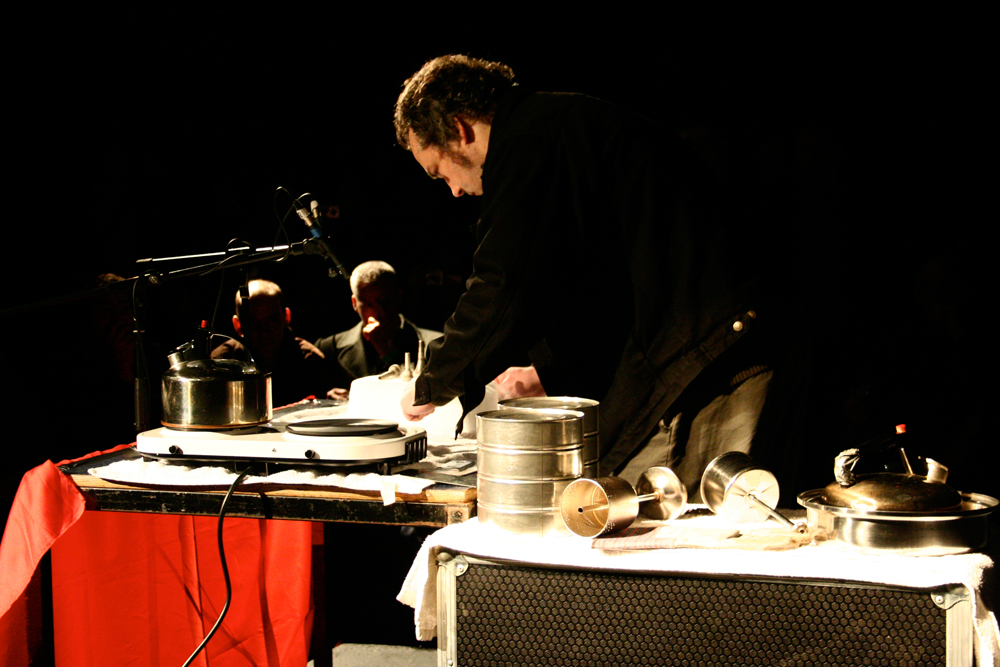
Michael Colligan pressing white hot metal into dry ice, causing the metal to sing and scream.
The role of feelings in public life, (political) depression and creative survival.
Taking a scalpel to the relationship between performer and audience: cutting something out to see what’s left, a drastic subtraction and shift of emphasis.
How do you know what you want? Should freedom be doing what you ought, not doing what you want? How might a philosopher and artist turn this thinking into an enabling condition in the context of noise and improvisation?