Free-form hook up
Ali Robertson Malcy Duff Seymour Wright
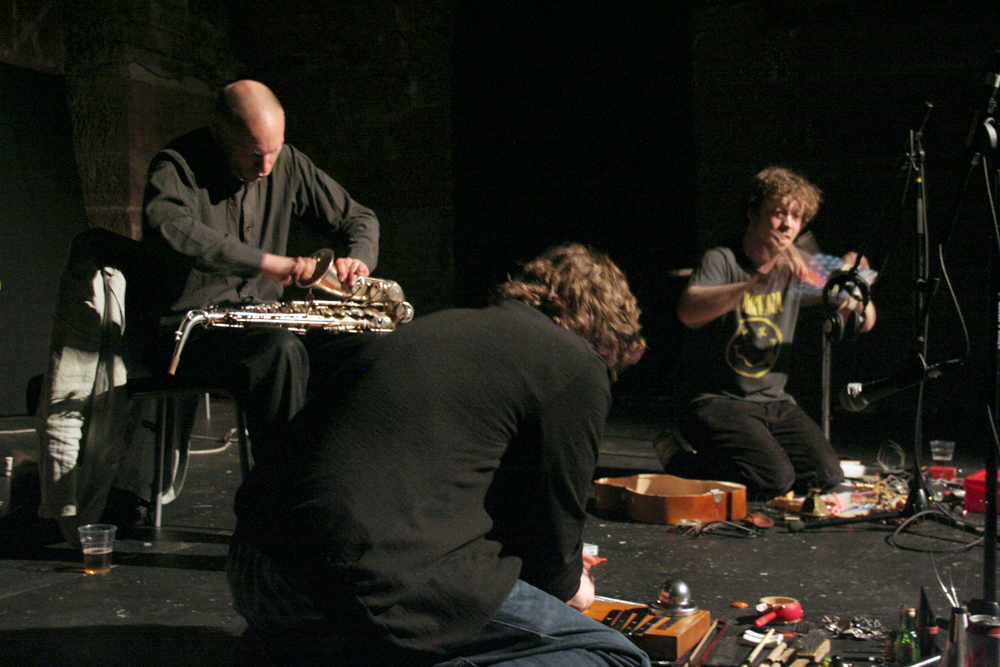
Usurper luddite twins’ disabled instruments play a game of pick-up-sticks with the deconstructed horn of a young Derby opponent.
Arika have been creating events since 2001. The Archive is space to share the documentation of our work, over 600 events from the past 20 years. Browse the archive by event, artists and collections, explore using theme pairs, or use the index for a comprehensive overview.
Usurper luddite twins’ disabled instruments play a game of pick-up-sticks with the deconstructed horn of a young Derby opponent.
Three days of discussions, performances, actions, dancing and food – continuing No Total’s ongoing contemplation of ways of being together and the ways Arika have been entangled in those, ever since Episode 4.
Smith/Stewart set up allegorical situations over which they often have little to no control, but which instigate explorations of dependence and trust, the body, sex and death.
Felix Hess is a unique crosser of the boundaries between science and art. He wrote his doctorial thesis on the aerodynamics of the boomerang
Chip’s written some of the greatest of all Sci-Fi and Fantasy—page turning character driven diamond-hard novels and short stories: each a lens that refracts our real-life struggles and desires.
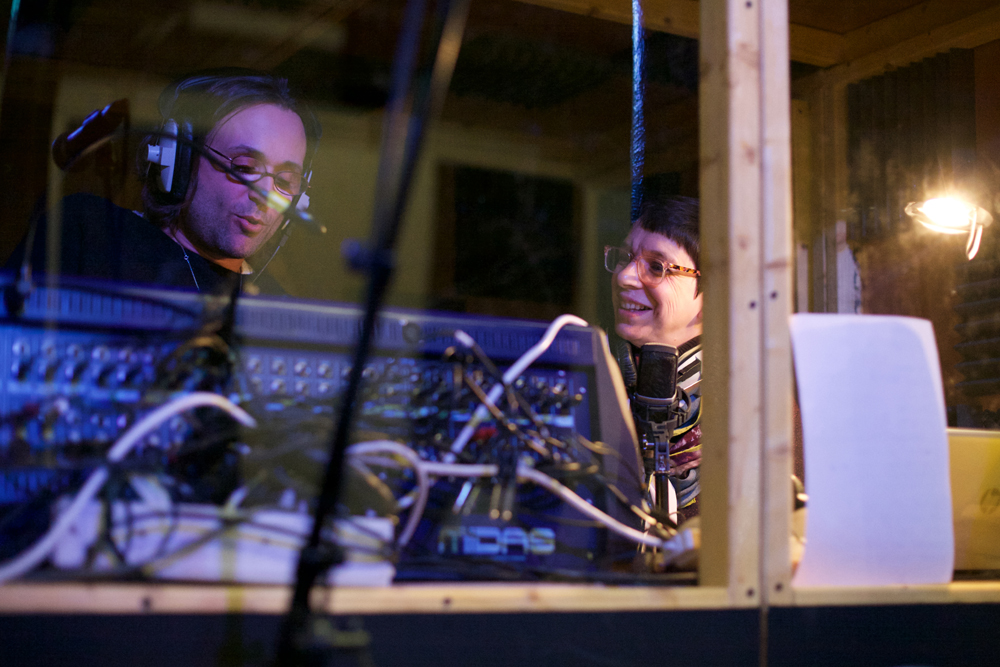
(Cyber)feminist, non-essentialist transgender and queer daily radio shows using the formula of morning radio as an arch way of thinking about the scripted behaviour and controlled empathy of systematic care.
Thinking against the monoculturalism of Western thought—of faith, affection, sexuality and gender—which completely lacks any utility to, or descriptive value of Indigenous worldviews.
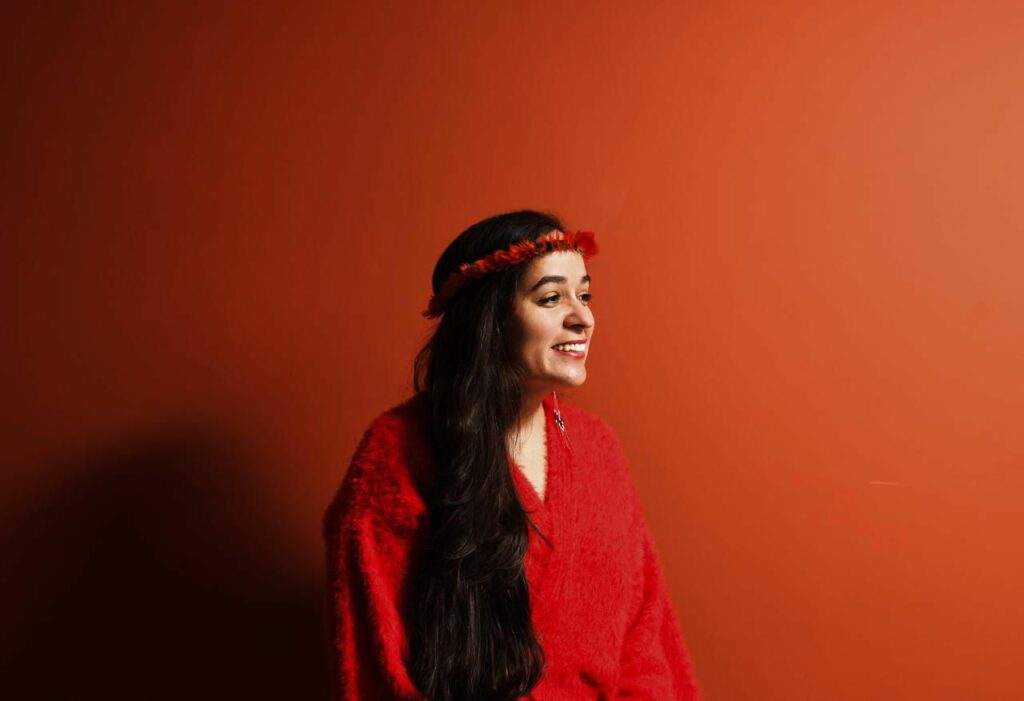
A Study Session focused on the thinking of Ailton Krenak – one of the great leaders of the Brazilian indigenous movement – led by curators and artists Amilcar Packer Arissana Pataxó.
A trio of Tamio’s screaming and immovable slabs of sound; Mico’s dance/ performance/ piano; Fritz’s absurd, flailing percussion/ voice.
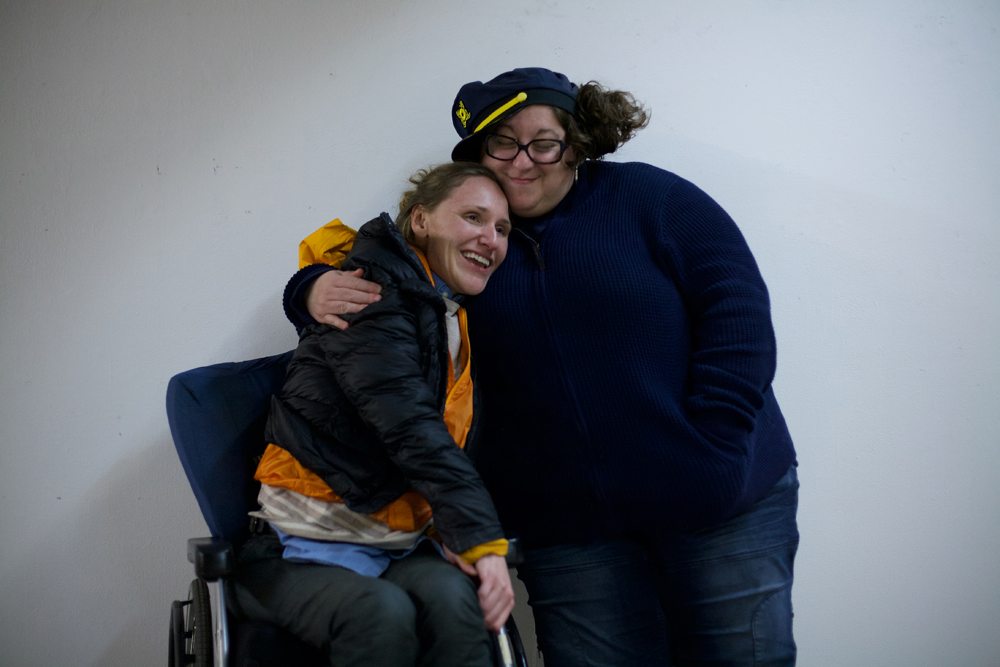
The first of two workshops that highlight correspondence as a way of working. Somewhere between song, speech, and logistical arrangement, these workshops invite participants to consider care as infrastructure.
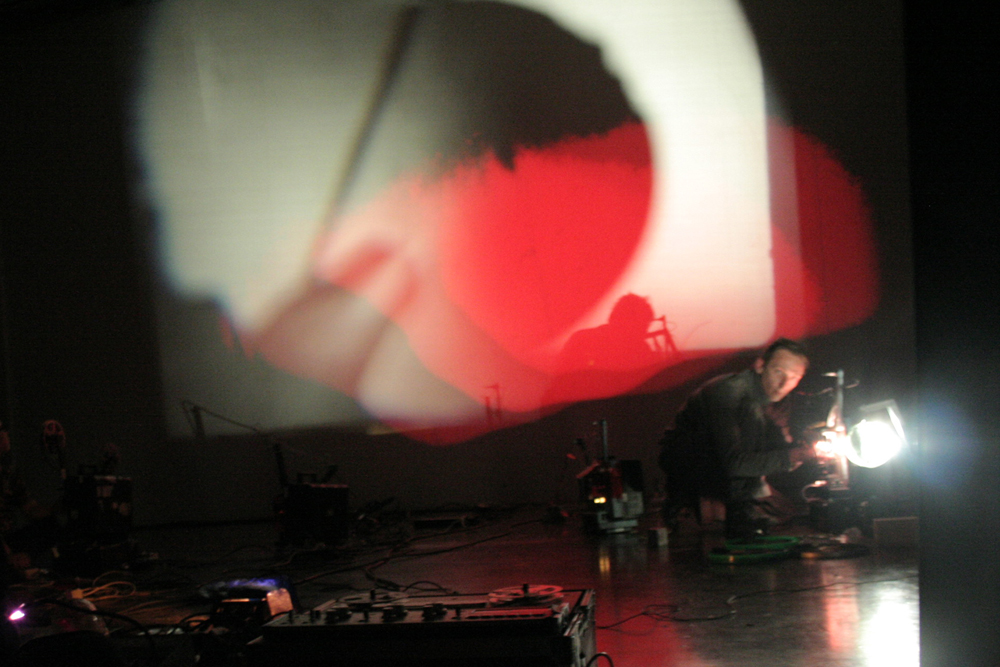
Multiple images, glimpses of old films, abstract images in the midst of an electro-acoustic sound field of tape loops & analogue synthesizers
How can we imagine bodies not as an end in themselves, but as a medium through which we can become one another’s means?