The We of revolutionary love
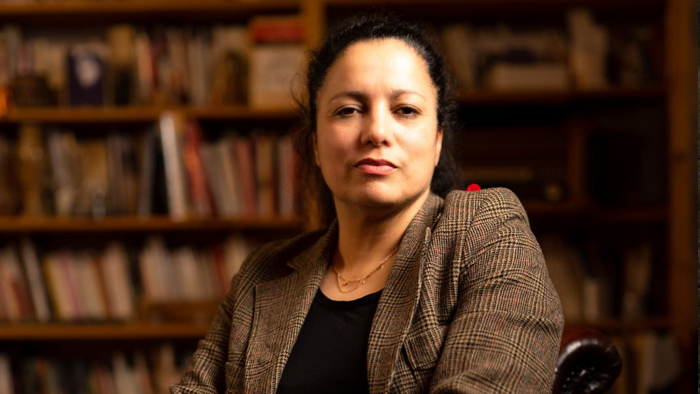
Houria Bouteldja
The practice of North African Indigenous revolutionary love, in the face of European capitalist violence and settler colonialism, with one of the most vital anti-colonial thinkers in Europe.
Arika have been creating events since 2001. The Archive is space to share the documentation of our work, over 600 events from the past 20 years. Browse the archive by event, artists and collections, explore using theme pairs, or use the index for a comprehensive overview.
The practice of North African Indigenous revolutionary love, in the face of European capitalist violence and settler colonialism, with one of the most vital anti-colonial thinkers in Europe.
Profound mathematical ideas for romantics, to help us linger in the difference we share.
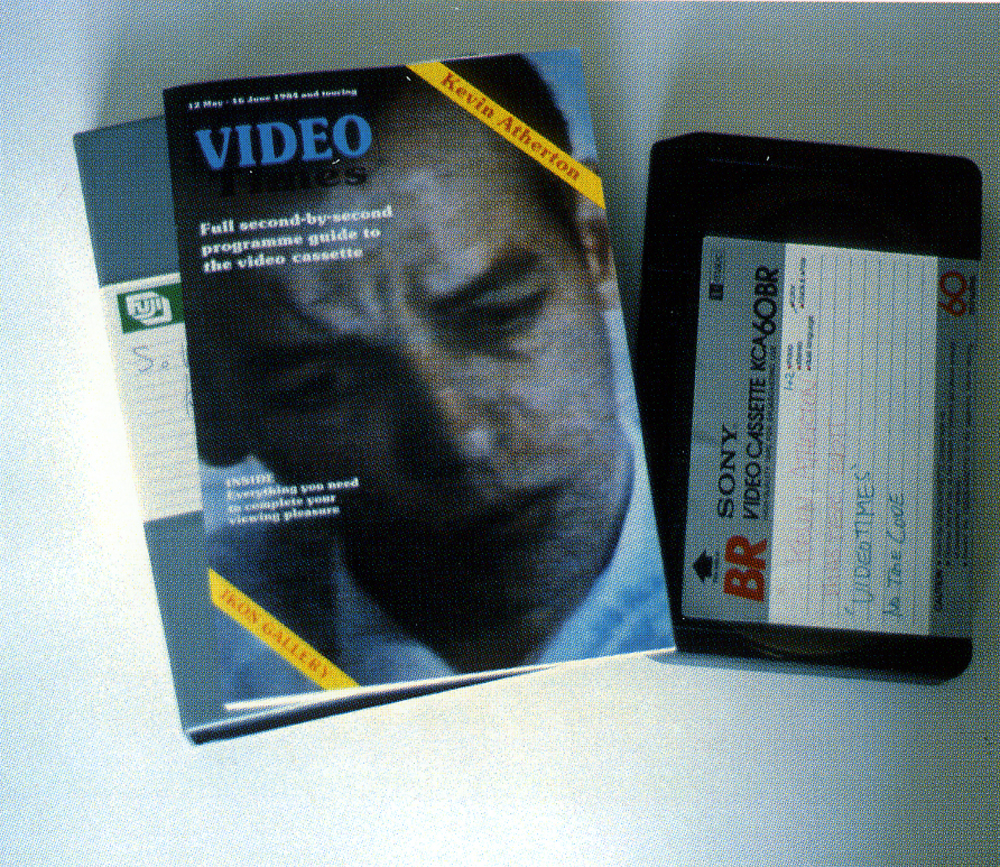
Conceived of as a dual publication, video cassette and booklet, to be presented as an installation. The content of the videotape is the artist watching television.
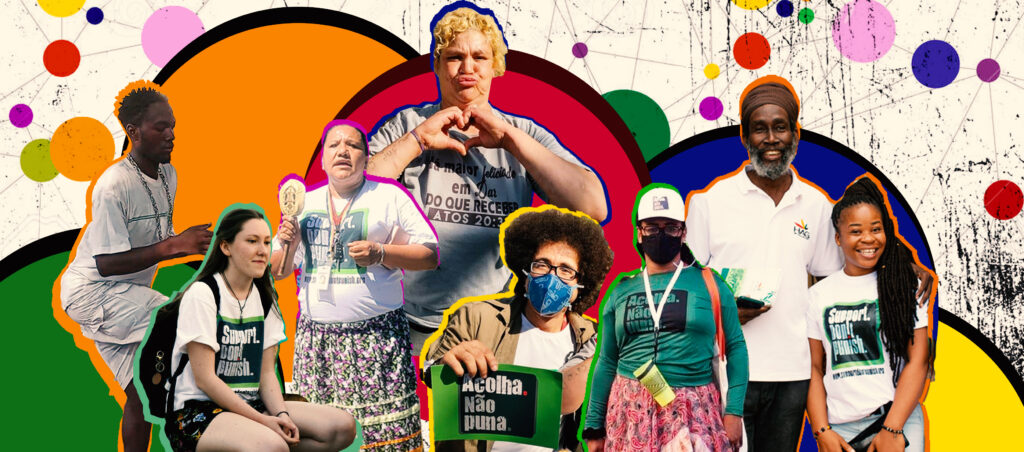
Rather than asking the state for services, what kinds of change are made possible when we prioritise people supporting each other?
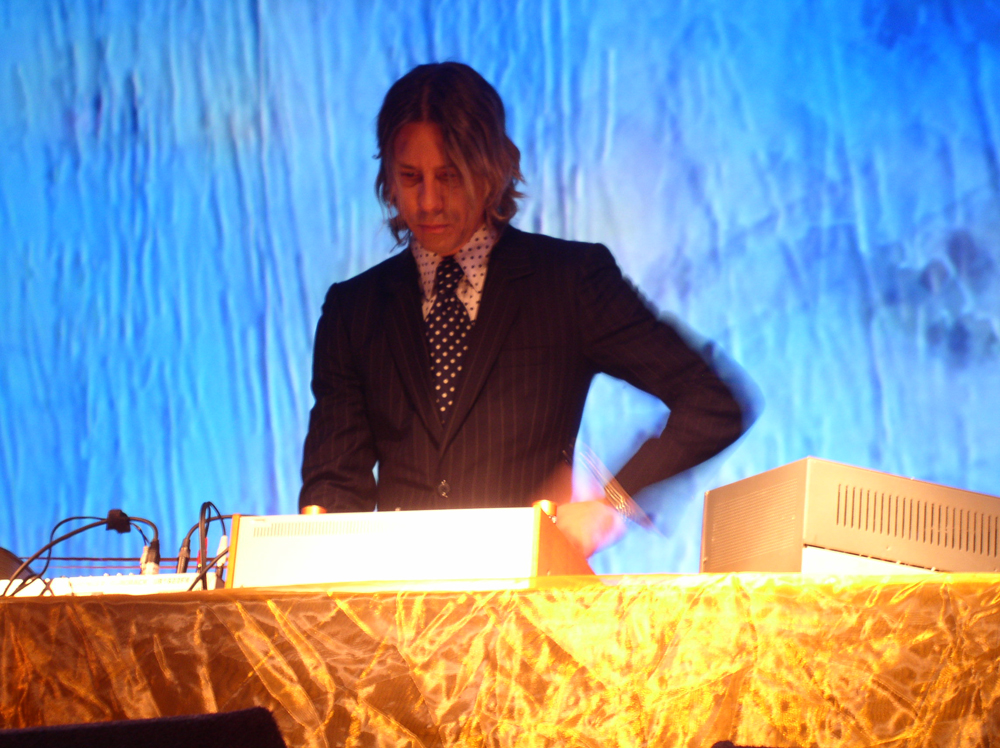
Improvising using nothing so much as the passage of time as his instrument, Basinski creates works of great melancholic depth and fragile beauty.
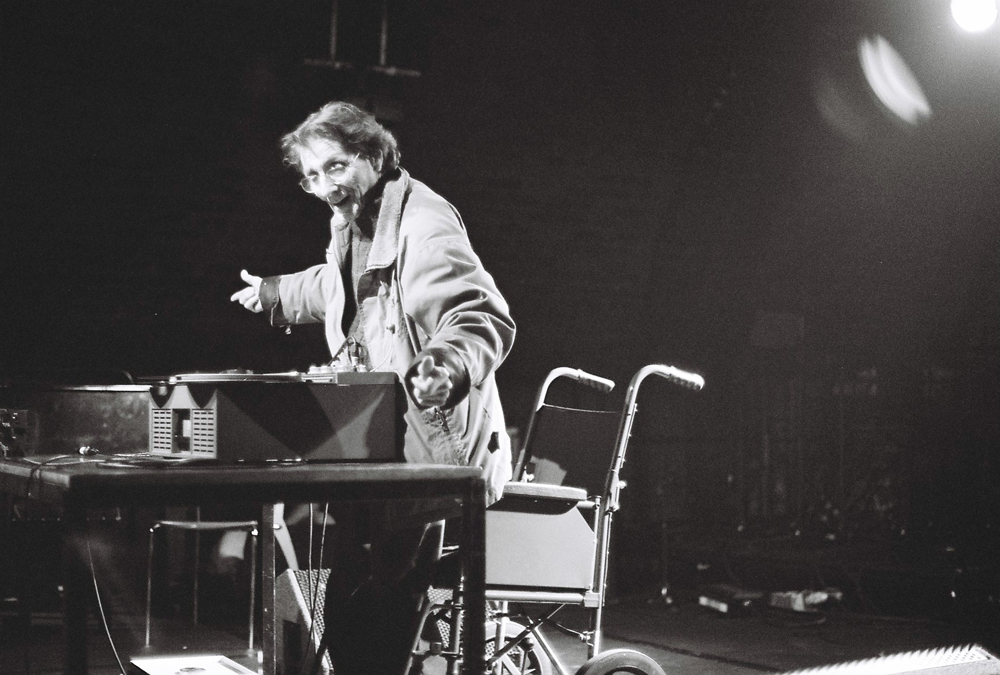
Renouncing the bind of the written word, Chopin’s sound poetry is a magical evocation of the pure powers of the voices, stripped bare of language.
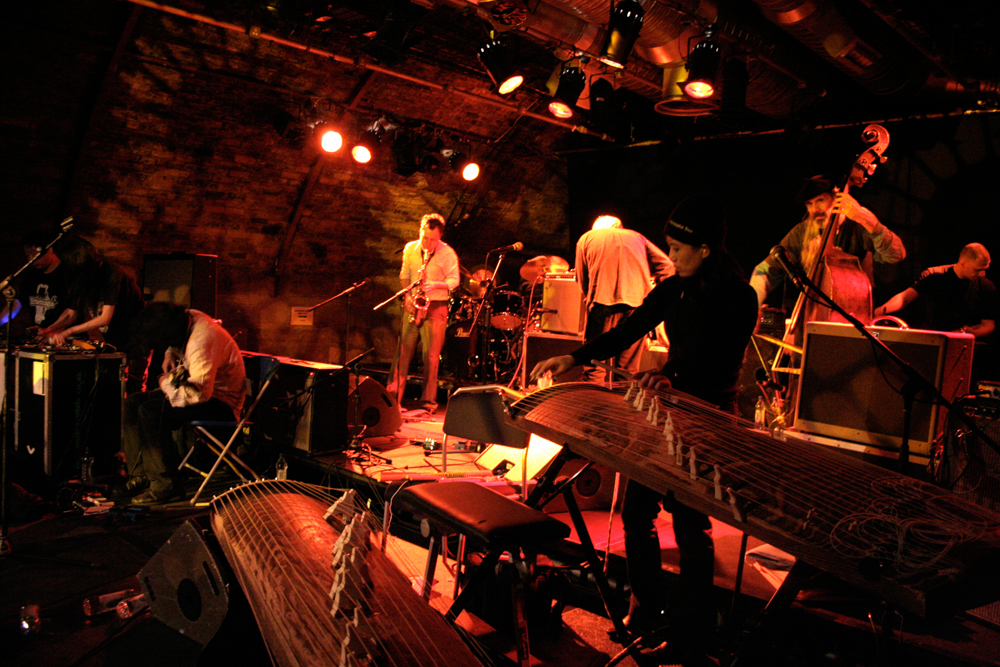
We wanted to ask a bunch of the best high-energy-improvisers around; can musical form really taking shape via a group energy? Can individual concentration lead to a group consciousness?
Moor Mother is a musician, Philadelphian housing activist and black quantum futurist.
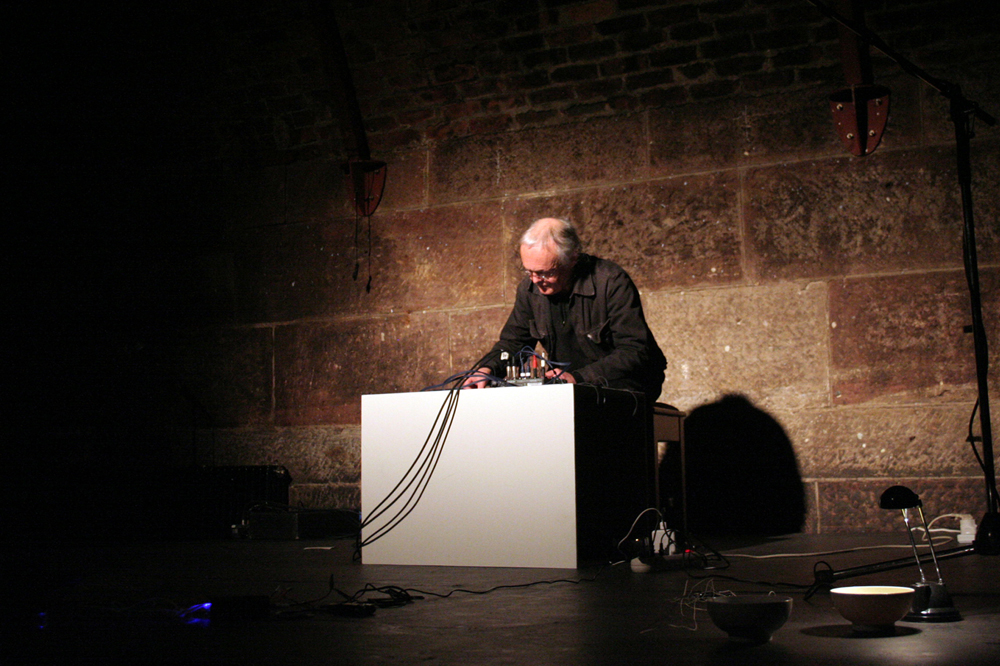
Julius’ “small music” features simple snatches of found sound, played back through small speakers, often set in bowls of pigment and dirt which shimmies in the vibrations.
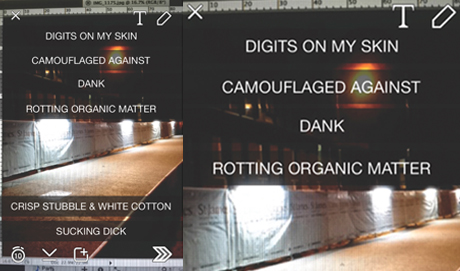
Two bottomless brunch writing workshops—with readings—speculating the relationship between space, infrastructure, technologies and sex.
On the birthday of Marsha P. Johnson, this event brings together several elements that celebrate the radical care and kinship characteristic of the Trans revolutionary.
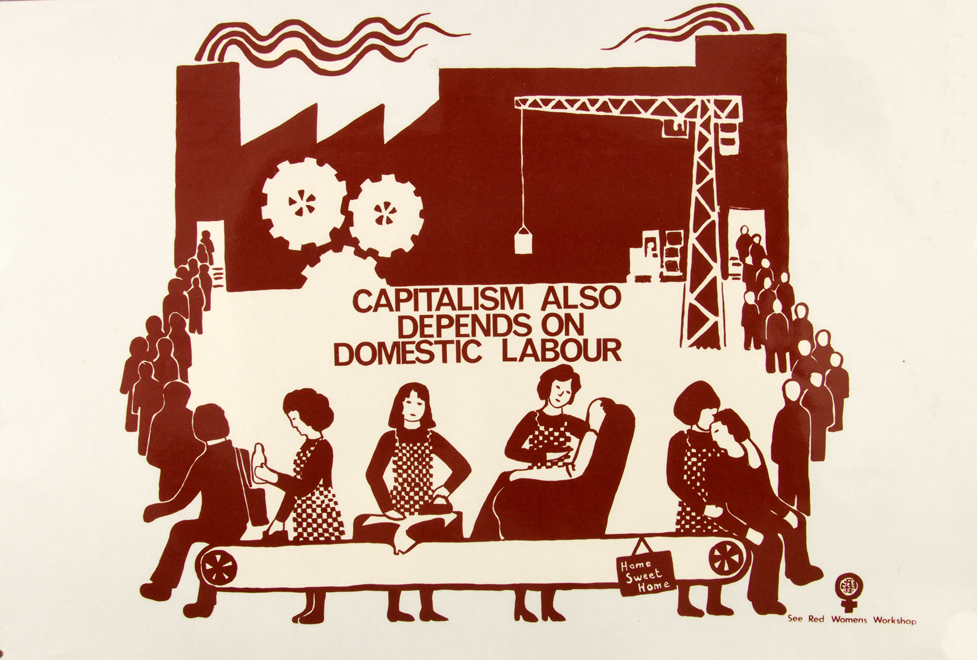
This session focuses in on the defiant mutual aid practices of early and DIY feminist movements in the UK, that attempted to shift and radicalise care and kinship away from the domain of the nuclear family.