Ellen Fullman & Sean Meehan
Ellen Fullman Sean Meehan
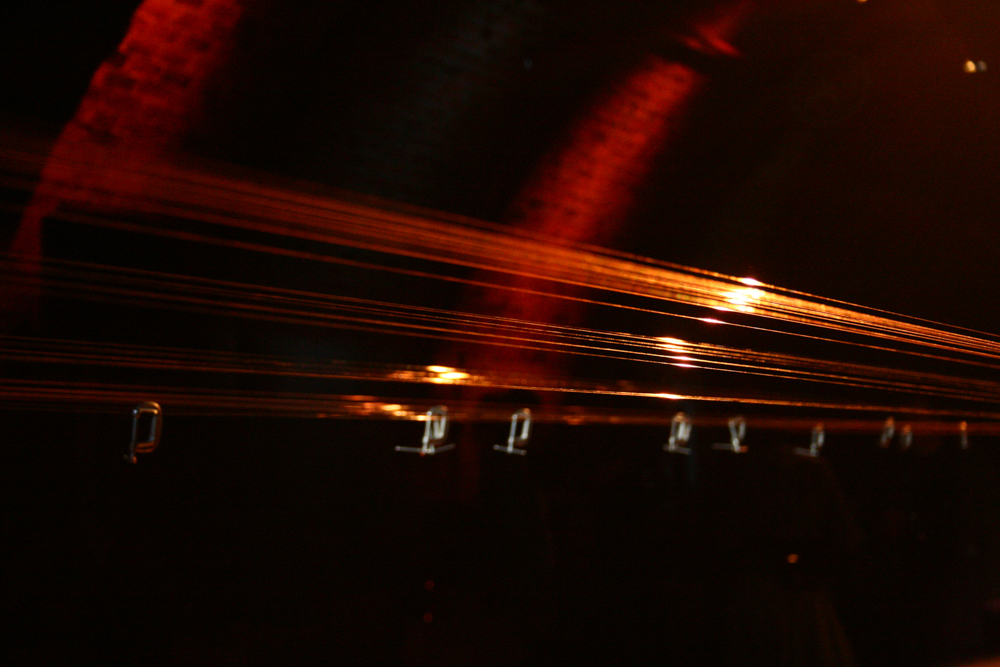
Long Stringed Instrument performance involving up to 100 wires strung in tension over a 40m arch.
Arika have been creating events since 2001. The Archive is space to share the documentation of our work, over 600 events from the past 20 years. Browse the archive by event, artists and collections, explore using theme pairs, or use the index for a comprehensive overview.
Long Stringed Instrument performance involving up to 100 wires strung in tension over a 40m arch.
Investigating the border between the audible and the visible means looking at the margins, the edges of creativity where artists test out new boundaries and define them anew.
A talk entitled ‘The Conquest of the Universe’: which delves into the connections between the underground filmmakers and musicians in New York in the early 1960s
Reading their letters to each other, and chatting about prefigurative politics as the practice of relentlessly building worlds through unspeakable violence and loss; of building worlds and living in them anyway.
Hartmut is going to talk a little about his work at large and the politics of how his films are constructed. And we’ll screen one of his best films: B-52.
A historical narrative of the black and latino/a transgender, bisexual, lesbian, and gay House and Ballroom Scene in relation to its artistic practices.
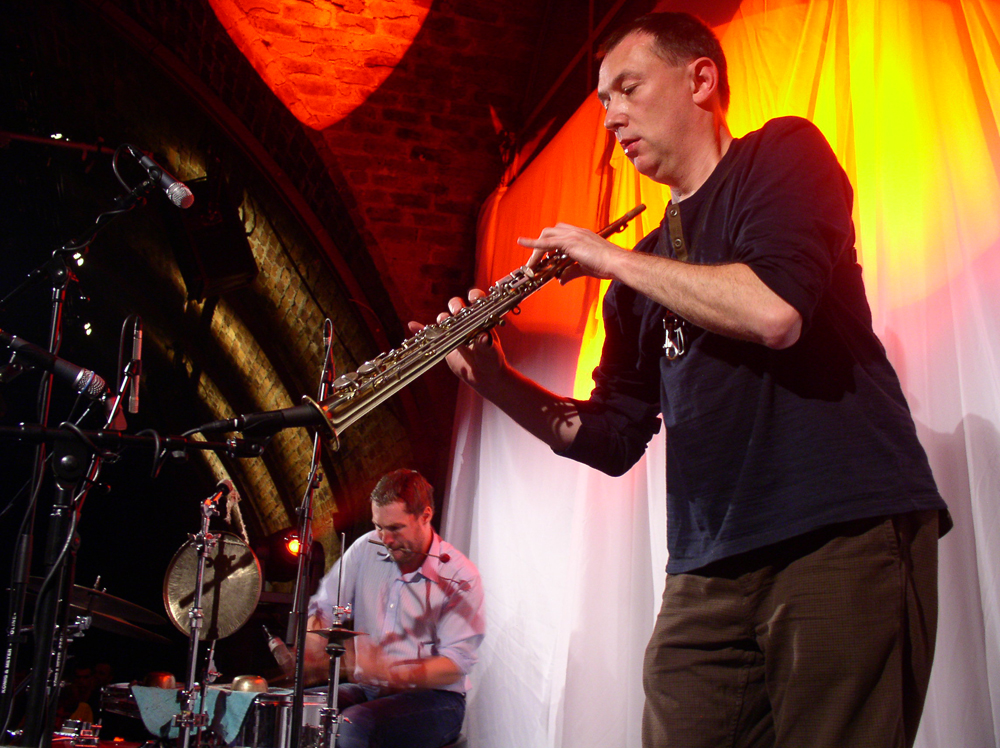
Originally billed as a duo of Ingar Zach and Derek Bailey, John Butcher stood in for Bailey at the last minute.
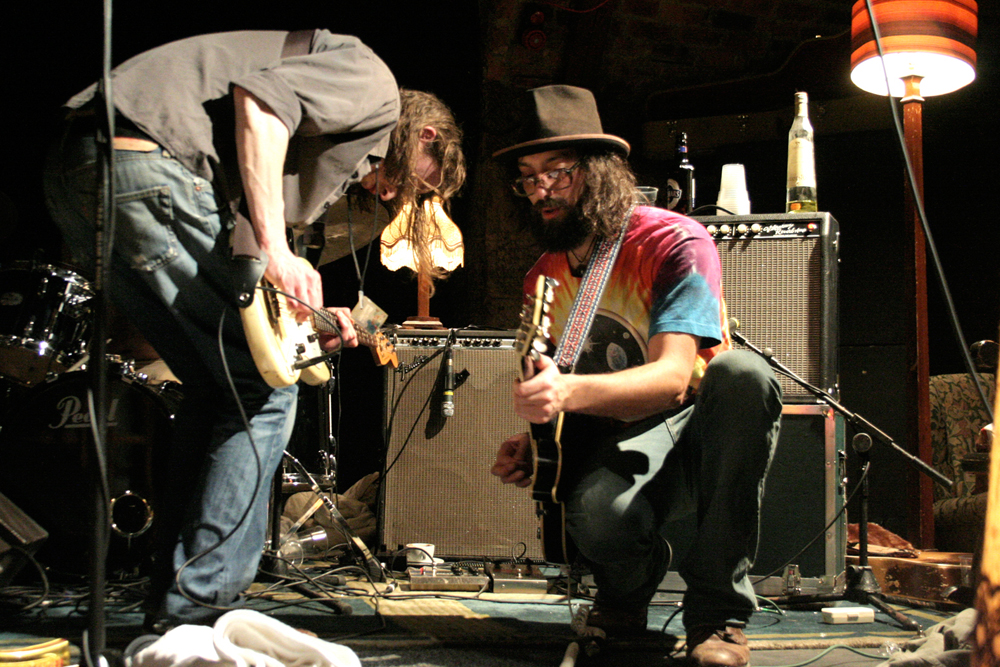
An event exploring anarchic and communal situations of musical creation with MV, EE and The Cherry Blossoms.
Guy Sherwin gives a kind of annotated, chat through his optical sound films
In many ways, this Episode is our attempt to engage with Fred’s incredible writing: with his proposal that all black performance (culture, politics, sexuality, identity, and blackness itself) is improvisation.
Like walking through the abstracted amalgamation of 30 or so storms, trays of water shaken by thunder, light bouncing off pools.
A performed film lecture exploring how the ‘Rumberas’ of Caribbean cinema of the 40’s and 50’s subverted demeaning images of themselves through dance, sound and a sociality that insisted on blackness as being a cultural performance, not simply due to skin colour.