Paragon Ensemble
Paragon Ensemble
The program of composed music including Feldman’s Instruments III, Ligeti’s piece for 100 Metronomes Poeme Sympathetique, and Rebonds B by Iannis Xenakis.
Arika have been creating events since 2001. The Archive is space to share the documentation of our work, over 600 events from the past 20 years. Browse the archive by event, artists and collections, explore using theme pairs, or use the index for a comprehensive overview.
The program of composed music including Feldman’s Instruments III, Ligeti’s piece for 100 Metronomes Poeme Sympathetique, and Rebonds B by Iannis Xenakis.
Repetitive, mesmerizing rhythmic workouts, to pieces of stark and rigorous introspection, where notes picked and slid in isolation, scatter like mercury around the listener.
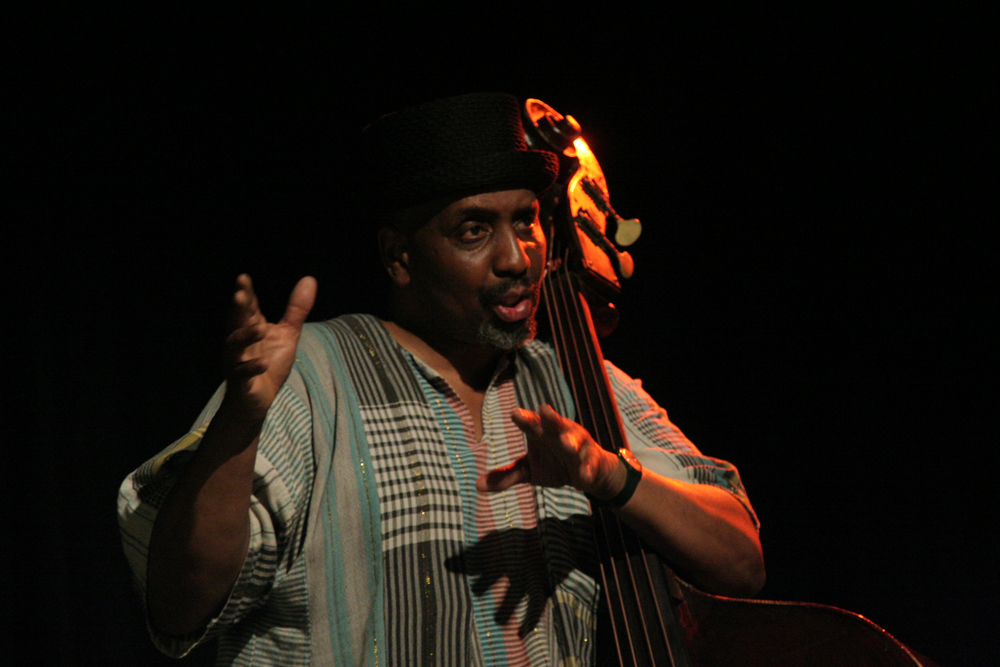
William cradles, hammers, and rains down blows, plucking and using 2 bows to attack the strings above and below the bridge, all in the service of a fiery and passionate creativity.
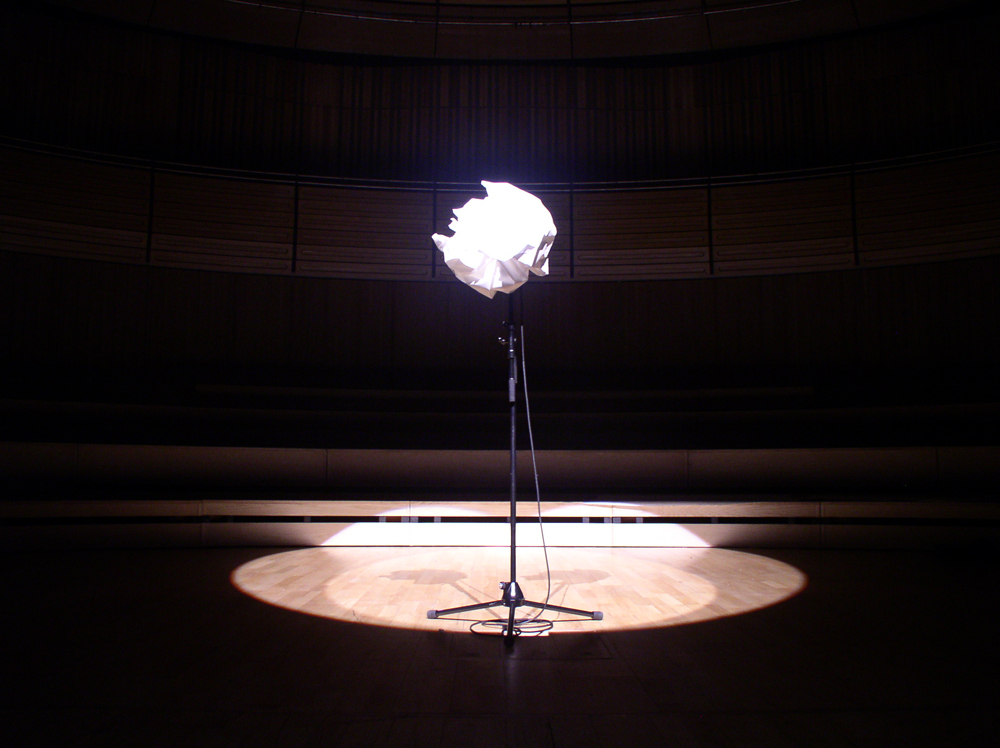
MICRO 1 – Wrap a live microphone with a very large sheet of paper. Make a light bundle. Keep the microphone live for another 5 minutes. T. Kosugi – (1961)
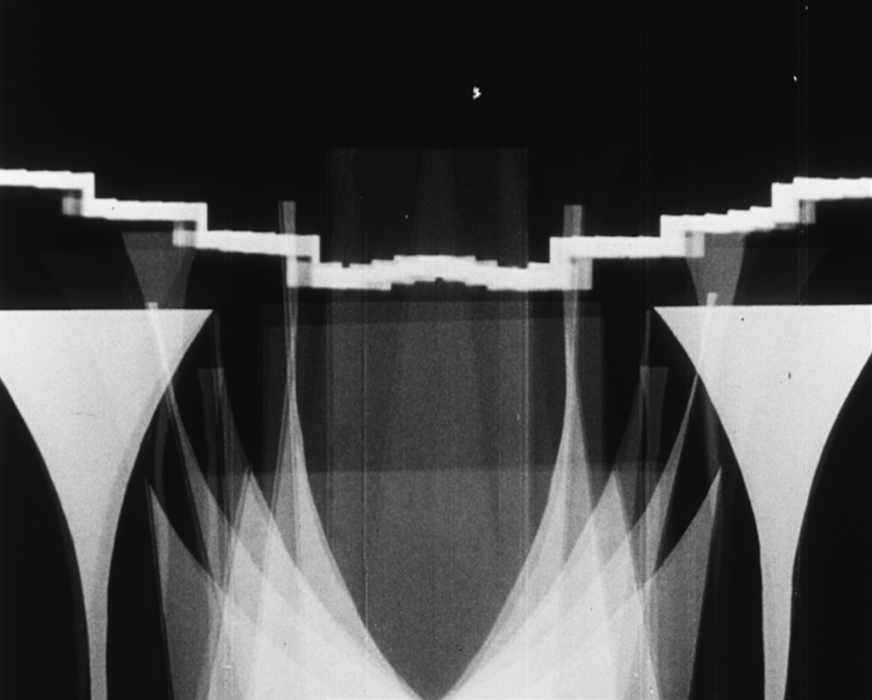
Includes: tamed TV snow, video feedback of racing particles, a remake of a polish photogram film destroyed in WWII, a visual and aural representation of Gestalt theory, hole-punched film and Guy Sherwin’s Cycles 3 double-projection.
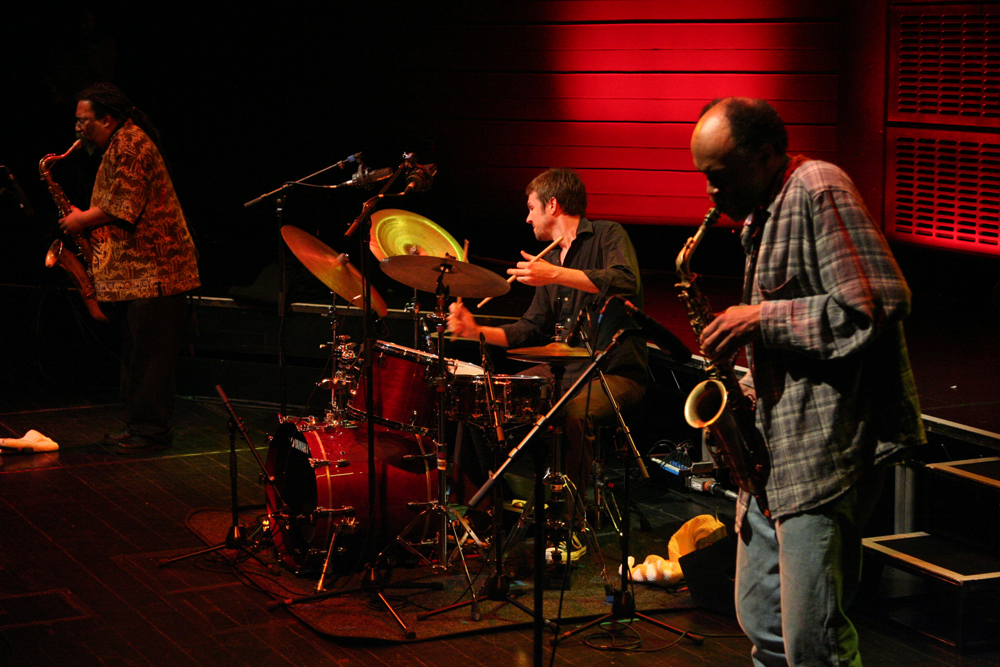
Daniel Carter & Sabir Mateen’s trio with percussionist Andrew Barker; incessantly driving forward through sweat-drenched bursts of pure ecstatic freedom.
Work for cello, percussion, contra bassoon and cherbulum commissioned for Instal in collaboration with Paragon
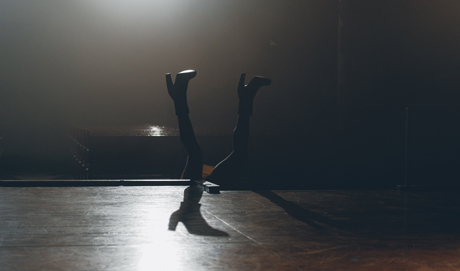
Sci-fi. After the club. Underground. Counter-narrative. Narrated movement. Cultural resistance. Wu Tsang and boychild’s collaborative performance series, will continue its evolution at Episode 9 with the addition of TOTAL FREEDOM.
Goodwin’s writing emanates from the social life of poetry, from a condition of entanglement before historically racially-specific forms of representation. Another word for this emanation is breath.
A performed lecture concerned with Renaissance occult (musical) thinkers of the cosmic who put forward the notion of the “disharmony of the world”