Shutter Interface
Paul Sharits
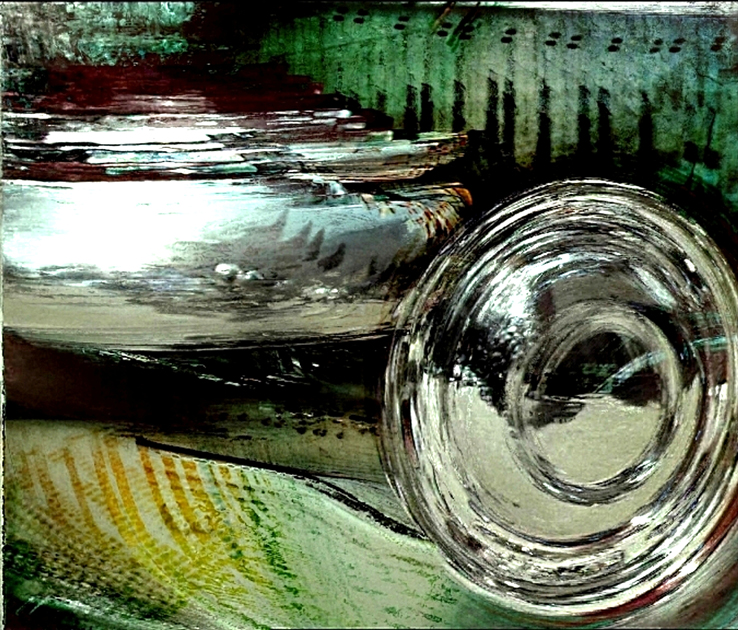
Shutter Interface is an expanded cinema piece: a series of machinegun bursts of chromatic relationships and visual harmonics in an overwhelming montage
Arika have been creating events since 2001. The Archive is space to share the documentation of our work, over 600 events from the past 20 years. Browse the archive by event, artists and collections, explore using theme pairs, or use the index for a comprehensive overview.
Shutter Interface is an expanded cinema piece: a series of machinegun bursts of chromatic relationships and visual harmonics in an overwhelming montage
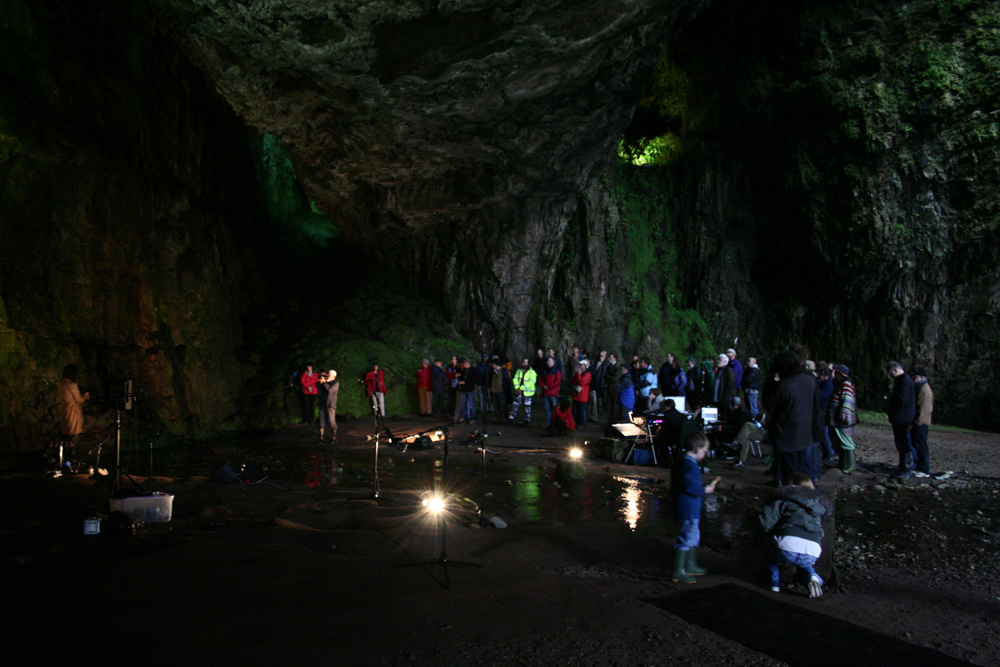
Akio Suzuki and John Butcher performing in a remote sea cave near Durness.
Akio Suzuki and John Butcher performing in an abandoned oil tanker on Hoy.
Taking The Futurist Cinema’ manifesto and turning it into software to track ‘aluminium’ online, tracing relationships companies with interests in aluminum had to each other and other agencies.
Our favourite Lancashire-born autodictact asks what’s political about the tension between the individual and the collective in free jazz.
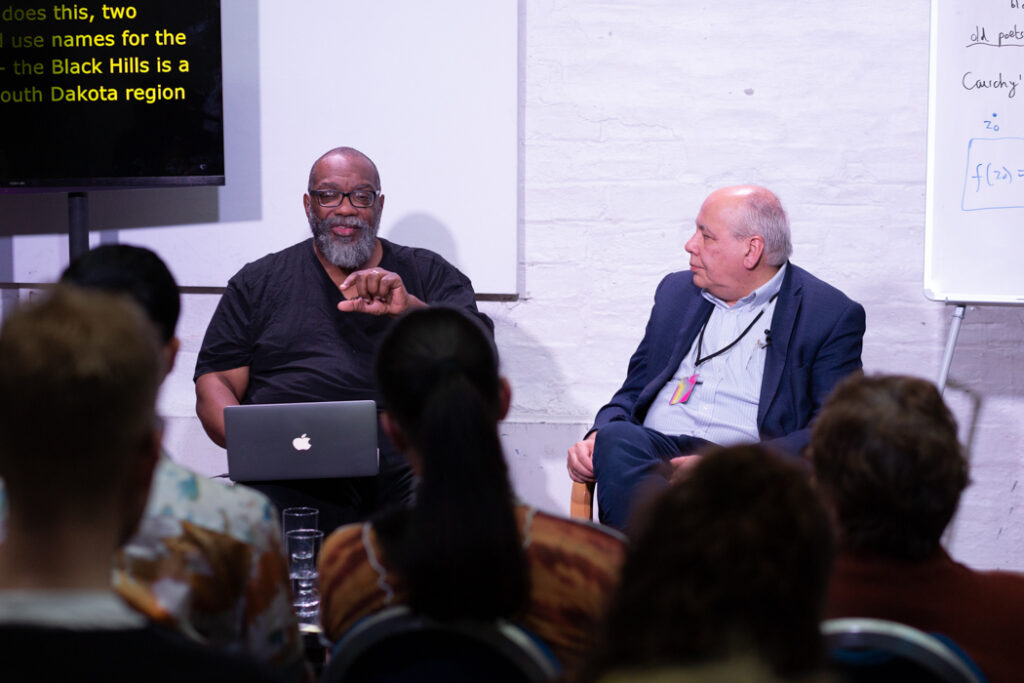
A back and forth between Fred and Fernando on the transits and obstructions between mathematics and poetics, and how both help us to think from the other side.
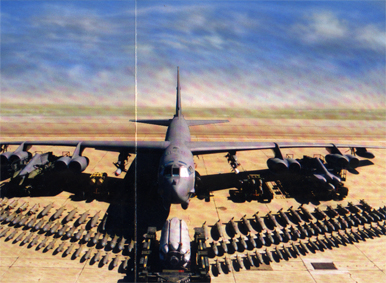
Hartmut is going to talk a little about his work at large and the politics of how his films are constructed. And we’ll screen one of his best films: B-52.
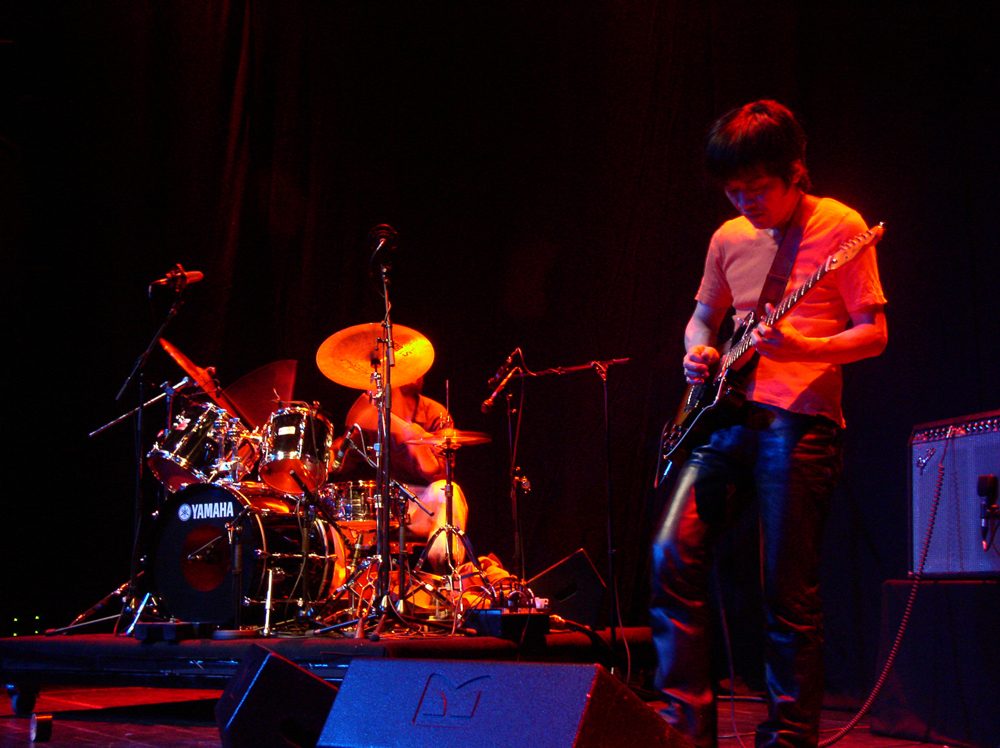
Munehiro Narita’s Kyoaku No Intention (Worst Intentions) fired out some of the most compelling no-wave improvised rock of the 80s.
A performative survey of listening, as we managed to find it being used as a tool in different practices, disciplines and communities in North America (music, poetry, film, philosophy, activism…).
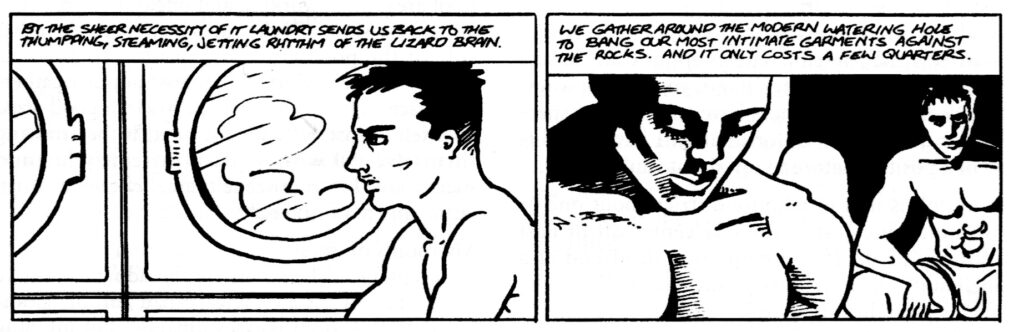
Could cruising and random public sex be the basis of an ethically organised society? A discussion with Jackie Wang, Samuel R. Delany and Huw Lemmey.
Former street performer, organist, performance artist, circus performer, harpist, accordion player, tree surgeon and tricyclist performing solo.
The first of two workshops that highlight correspondence as a way of working. Somewhere between song, speech, and logistical arrangement, these workshops invite participants to consider care as infrastructure.