Francisco Lopez
Deliberately blurred drones, absent of definite structure or rhythm, framed in silence and devoid of any distraction from the pure matter of sound.
Arika have been creating events since 2001. The Archive is space to share the documentation of our work, over 600 events from the past 20 years. Browse the archive by event, artists and collections, explore using theme pairs, or use the index for a comprehensive overview.
Deliberately blurred drones, absent of definite structure or rhythm, framed in silence and devoid of any distraction from the pure matter of sound.
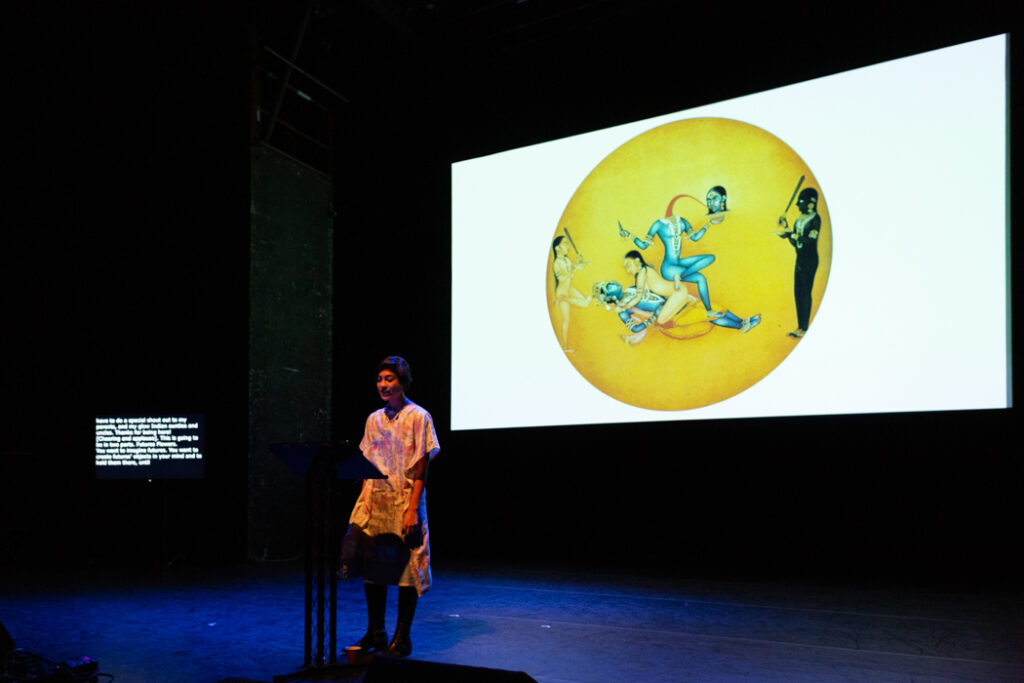
In Ramayya’s visionary poetry, the body assumes as many forms as love produces states: attraction and repulsion, excitement and exhaustion, selfishness and the dissolution of self.
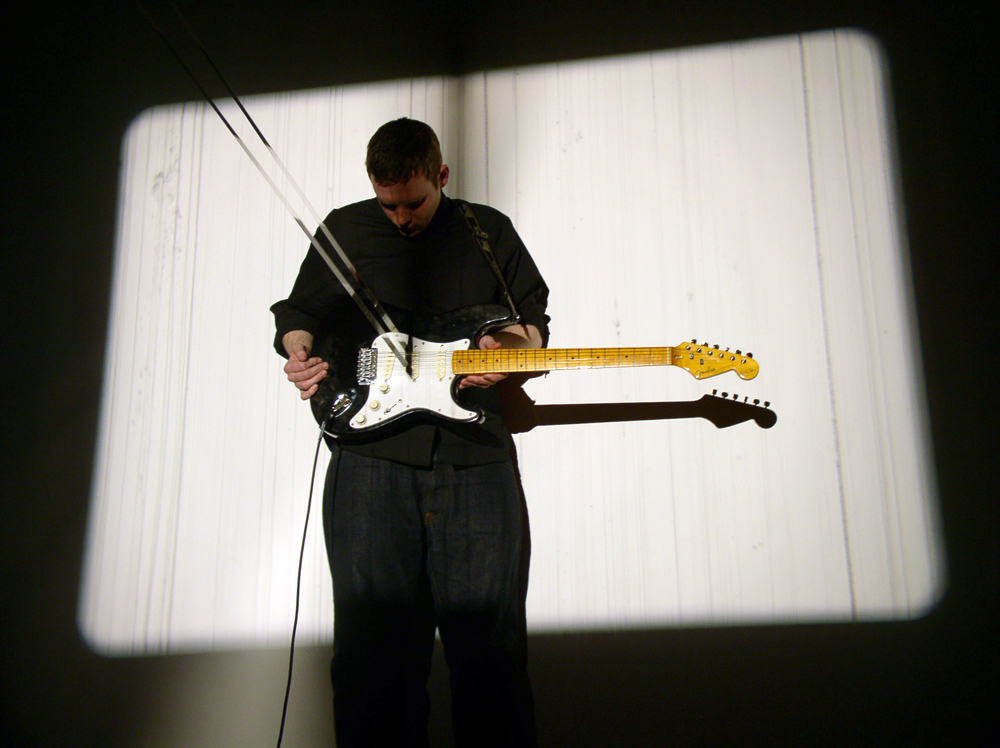
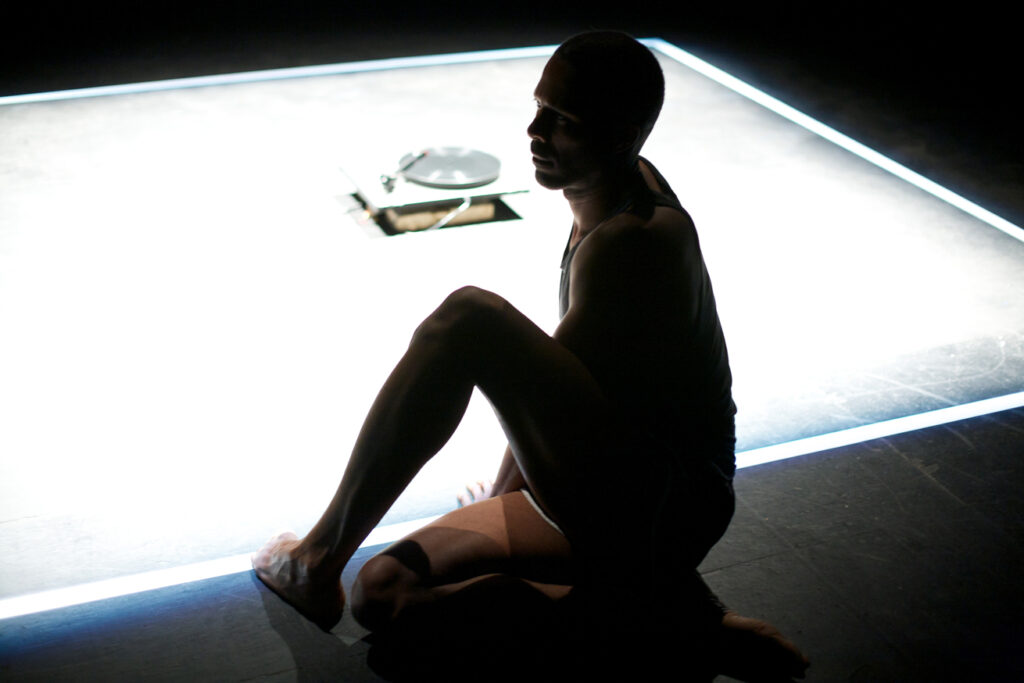
An original and beautifully simple performed installation forging a direct link between sound and image.
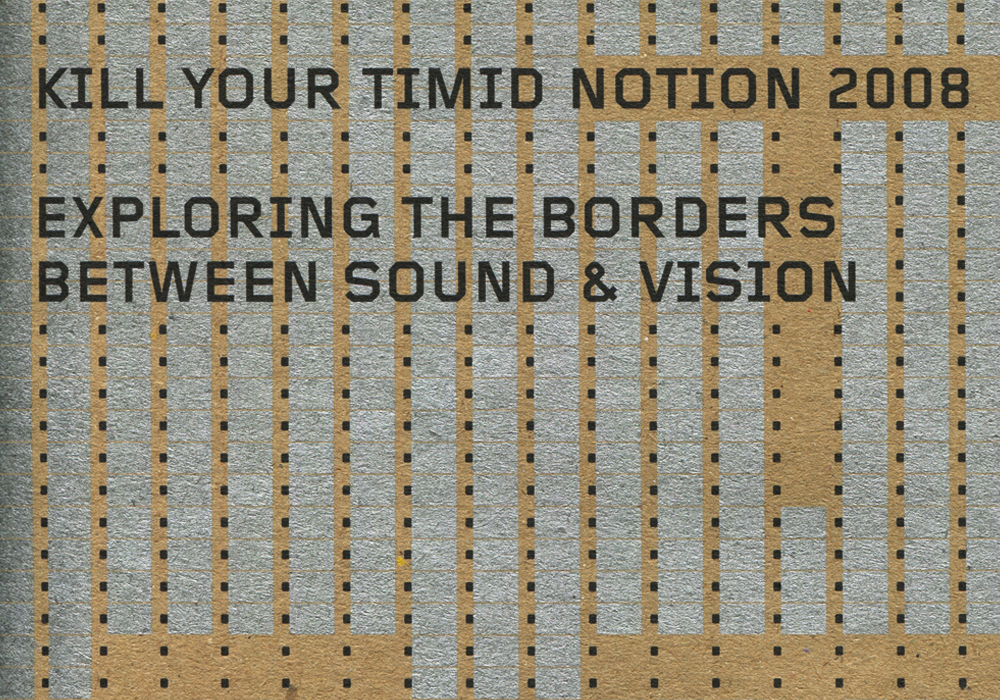
Bringing together artists working with music, sound, film and the moving image, KYTN 2008 saw performances, improvisations, screenings and installations over three days at DCA.
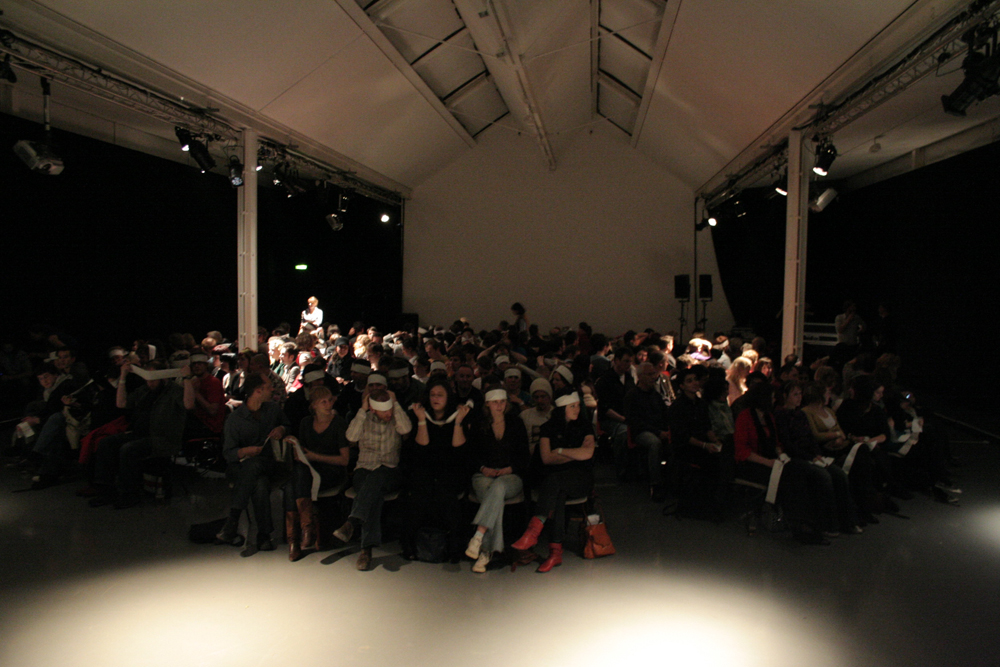
A Performance exploring the nature of acousmatic listening; sound removed from visual context and understood for it’s own properties.
Thinking against the monoculturalism of Western thought—of faith, affection, sexuality and gender—which completely lacks any utility to, or descriptive value of Indigenous worldviews.
When we look, how do we objectify the body; how can we reflect on our (self) image as a construction?
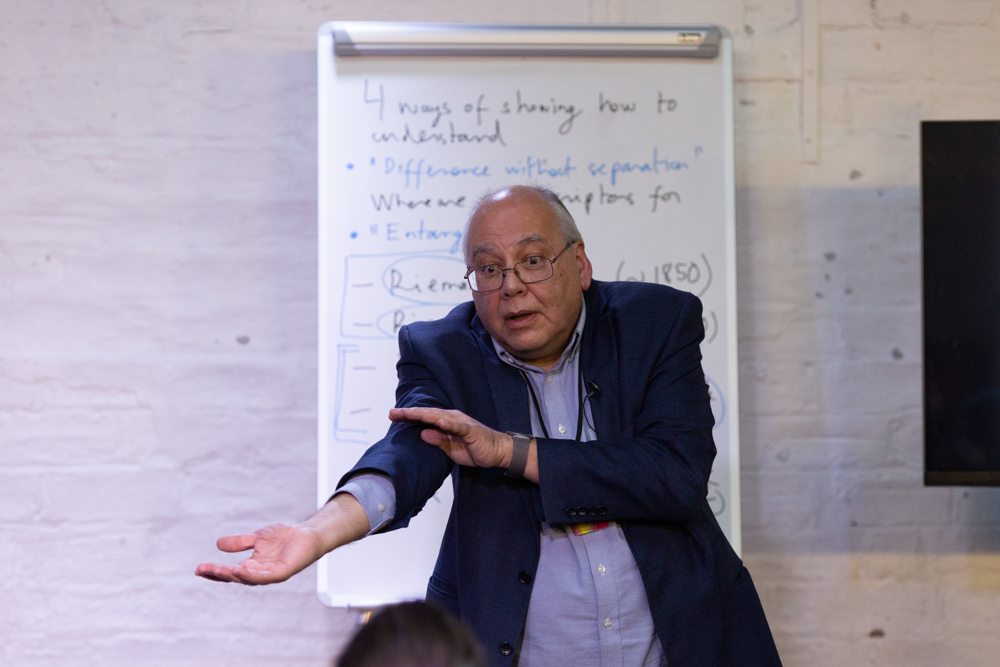
Fernando thinks that when maths is deep, it should be simple and able to be explained by hand gestures. By embodying ideas, we’re able to more clearly think about their cultural implications.
“Beginning where you and me ends, where we don’t so much come but are already here.” Join James and Nisha to talk about breath, erotics and flesh, about our social, poetic cosubstantiality.
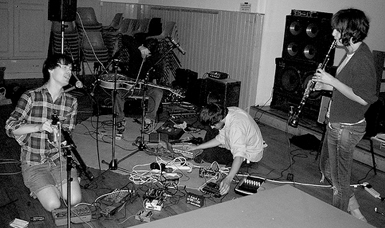
Two-parts Helhesten spit strangled shanties and cracked reeds from under a net of the Glasgow Improv Orchestra’s six-strings and one moustache.
John Butcher plays and manipulates a feeding back saxophone. Benedict Drew on electronics, broken cables and standing waves.
Dworkin asks: What would a non-expressive poetry look like? A poetry of intellect rather than emotion?