The We of revolutionary love
Houria Bouteldja
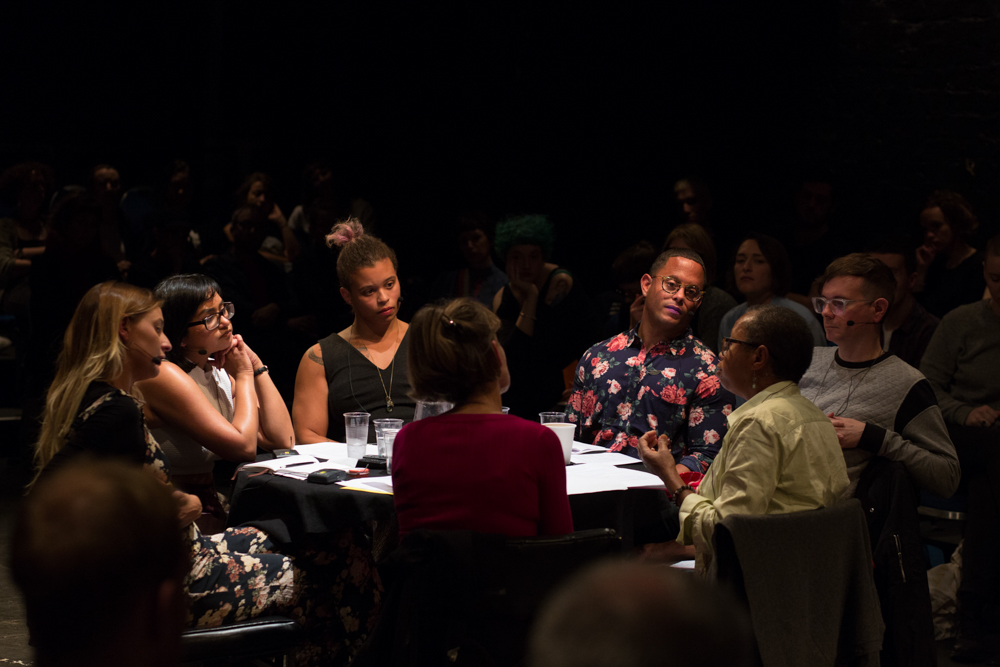
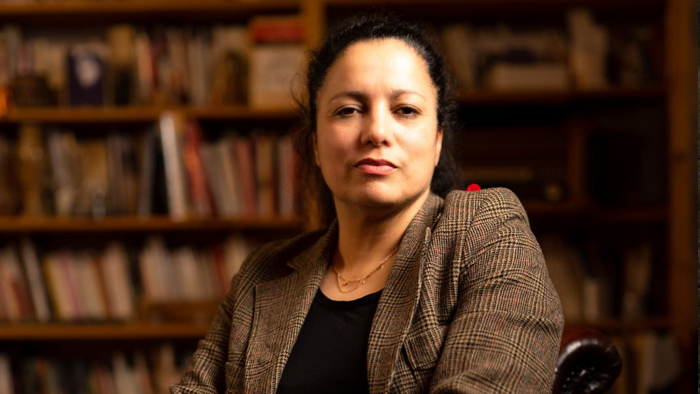
The practice of North African Indigenous revolutionary love, in the face of European capitalist violence and settler colonialism, with one of the most vital anti-colonial thinkers in Europe.
Arika have been creating events since 2001. The Archive is space to share the documentation of our work, over 600 events from the past 20 years. Browse the archive by event, artists and collections, explore using theme pairs, or use the index for a comprehensive overview.
The practice of North African Indigenous revolutionary love, in the face of European capitalist violence and settler colonialism, with one of the most vital anti-colonial thinkers in Europe.
What is happening when systems of repression try to grasp communities’ ways of being, living or surviving, applying laws of sexuality, gender or race to cast them as criminal?
The Songspiels take on a mode of musical theatre developed by playwright Bertolt Brecht and composer Kurt Weill in the early twentieth century, presenting political and social concerns through the accessible and (often funny) form of song.
A recently reanimated Ascension, with mighty Leeds drum hero Paul Hession bringing a dense polyrhythmic torrent into play with Jaworzyn’s reinvigorated piercing guitar.
An improvisation that may or may not involve (typical) improvisation.
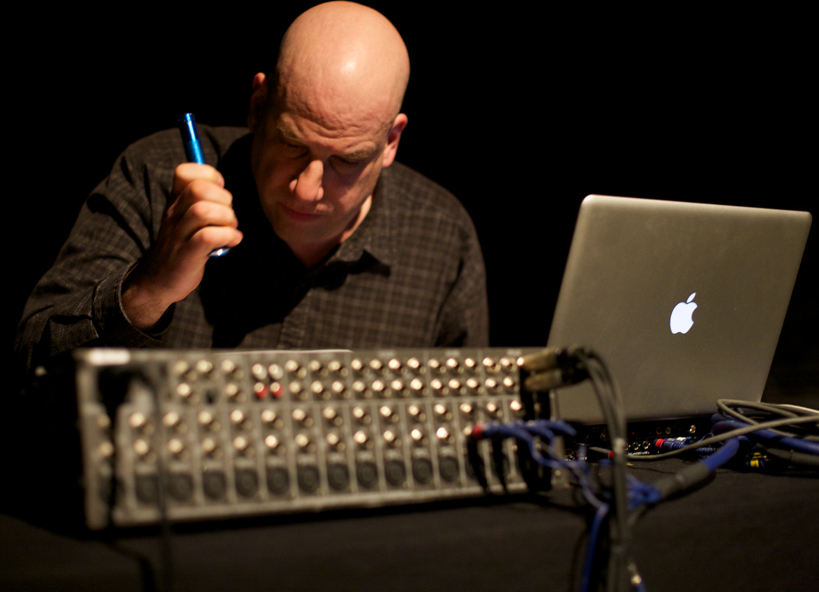
N30 is a massive, dynamic, immersive multi-channel presentation of front-line field recordings from the protest against the WTO in Seattle
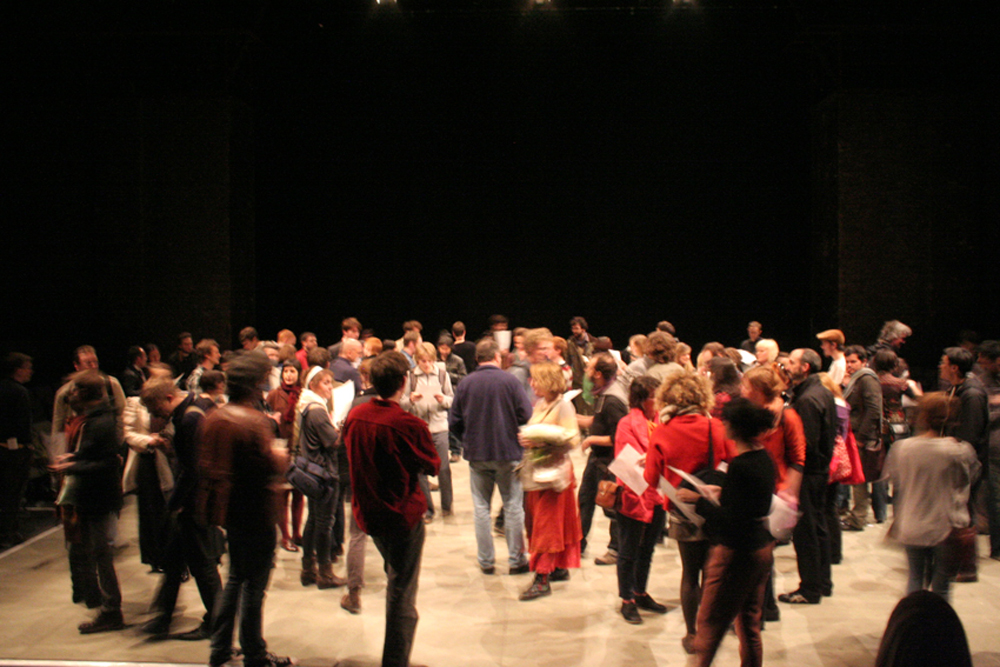
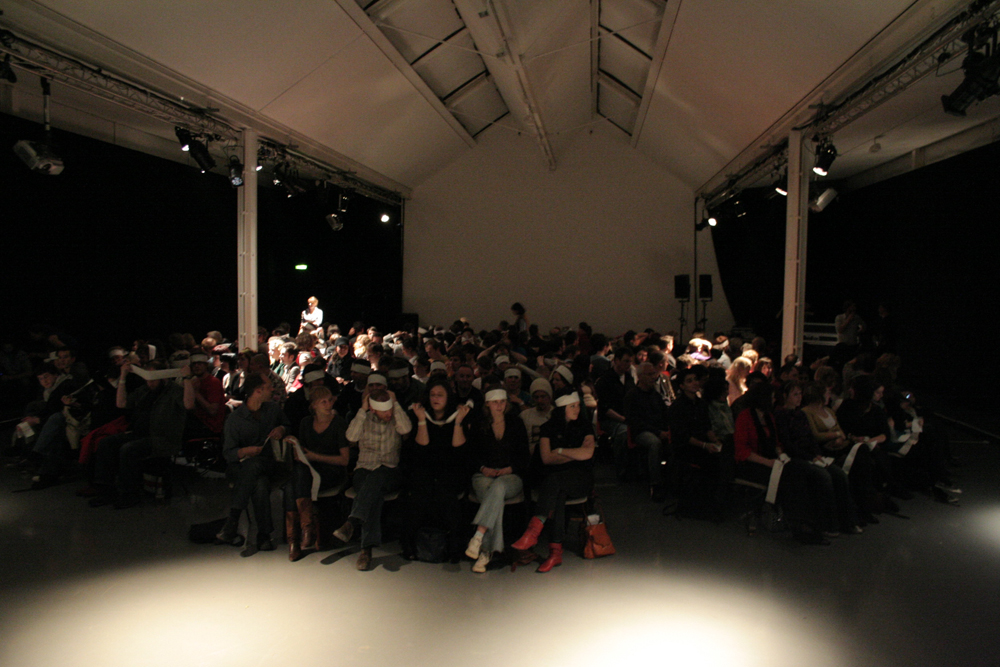
Paper Piece: Secrets is a performance for and with the whole audience, using paper, text, secrets, being in the crowd
Individual experience separated by physical boundaries (of space, time or ability) suggested as communities of collective experience by (perhaps voyeuristic) artists.
A Performance exploring the nature of acousmatic listening; sound removed from visual context and understood for it’s own properties.
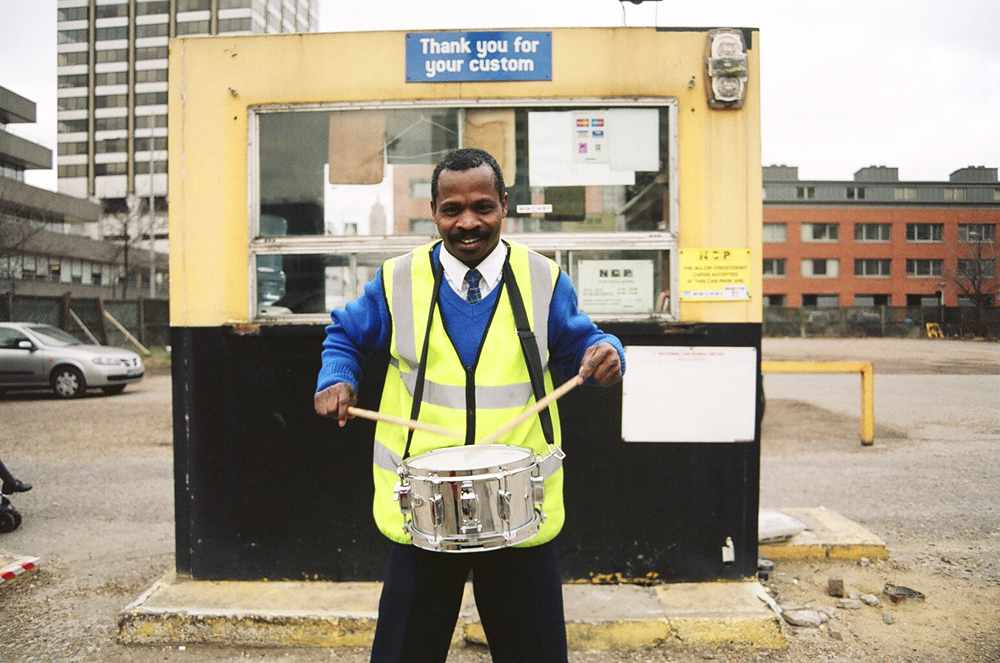
What is the radical concept at the core of ‘rhythm’, expanded from simply musical or mathematical notions to encompass personal, social, collective rhythms?
A rare live performance which, although not a full installation, made use of the unique acoustic and spatial properties of the Arches to rattle the audience and help it locate its third ear.
Can we use sound, repetition and difference to personally and collectively engage with space, time and labour?