Koji Asano
Koji Asano
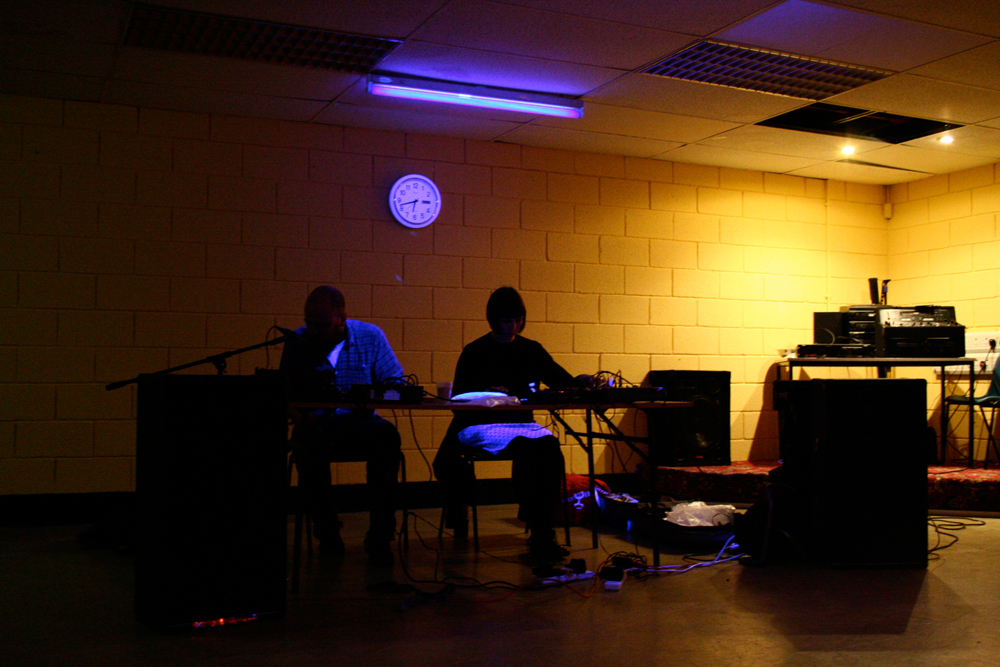
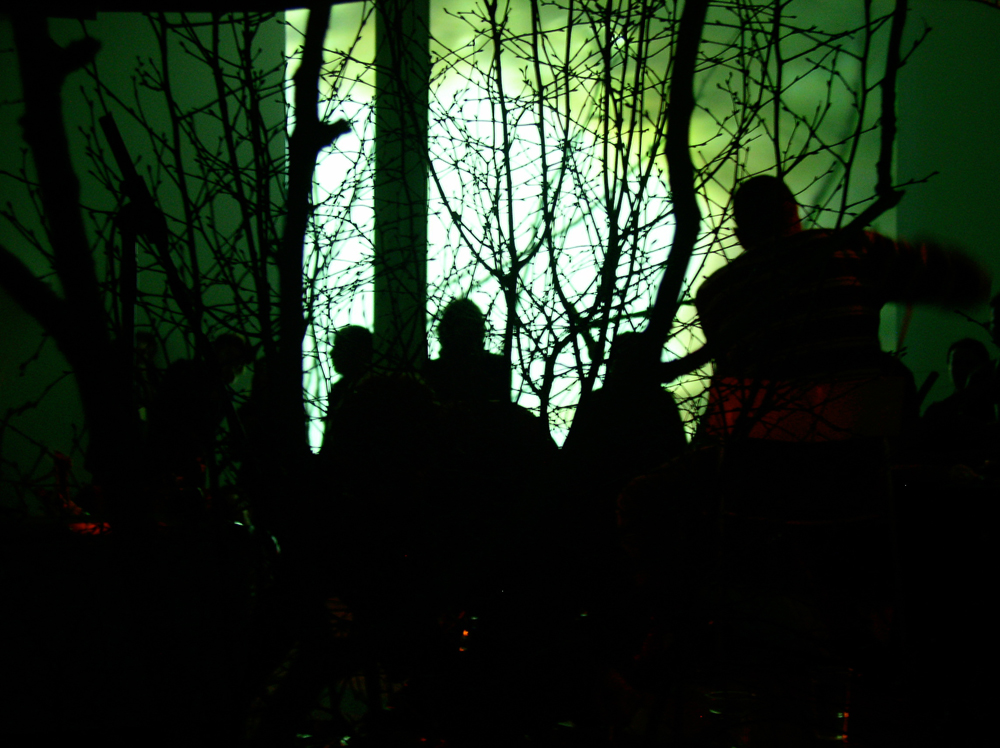
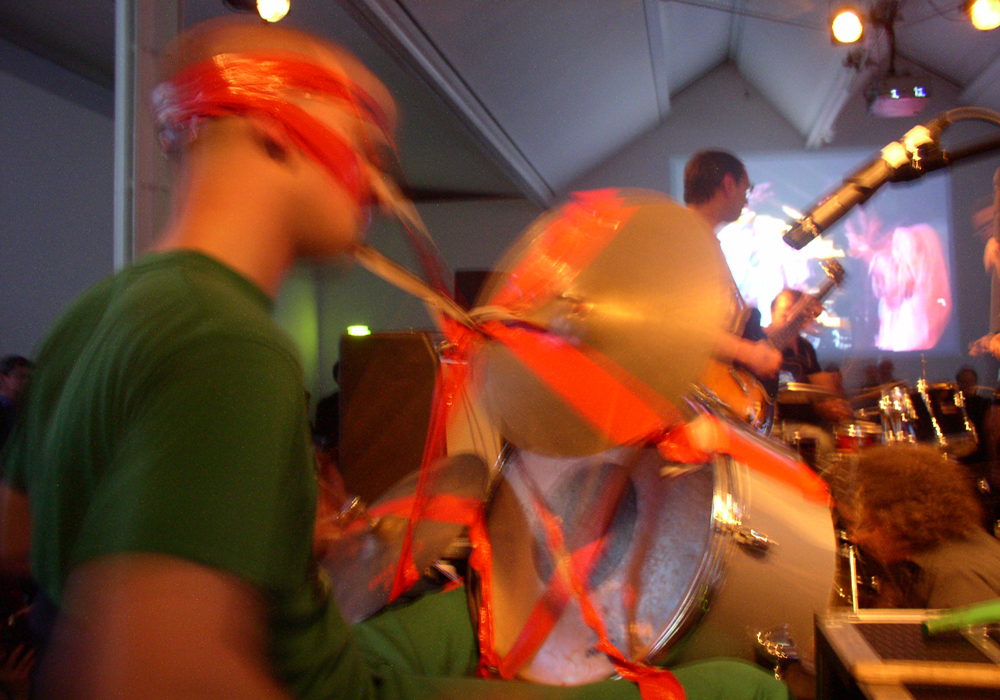
Koji Asano, Japanese composer and sound-artist performing slow groaning burbling tones, moaning echoes and drones.
Arika have been creating events since 2001. The Archive is space to share the documentation of our work, over 600 events from the past 20 years. Browse the archive by event, artists and collections, explore using theme pairs, or use the index for a comprehensive overview.
Koji Asano, Japanese composer and sound-artist performing slow groaning burbling tones, moaning echoes and drones.
A conversation and livestream considering a global feminist critique of capital with Silvia Federici, Hortense Spillers and Gayatri C. Spivak.
Edinburgh. Cask-strength electrohypnol and shroom damaged folk croonings by Lapsed Electronics empire builder.
A programme that looks at how sound and image can be treated as variants in a collection of ordered objects; at how to create meaning from the similar, and to notice difference.
A performance of Ueinzz’s new play. Each Ueinzz performance is a process of reinvention, between exhaustion and a fleeting vision: singular, collective, anonymous, plural, suspensive, intensive, unworking life.
UK conceptual/ drone/ noise artist, who is seriously posing what might seem to be unanswerable questions of music.
Dual projections of pulsating shards of film, treated in crystallized salts and dyes merge with the whirring of projectors, distilled into particles of sound.
What is the radical concept at the core of ‘rhythm’, expanded from simply musical or mathematical notions to encompass personal, social, collective rhythms?
Bruno’s liberated improvisational approach stretches beyond the lyrical, tough as nails rhythmic bursts and expressive, swinging attack of his drumming.
John Mullarkey sets in a wider context our understanding of Alain Badiou and Francois Laruelle, two of the most radical philosophers in Europe today.
Conceptual writer and practicing lawyer Vanessa Place performs and talks with Mark Sanders, author of the brilliant “Complicities: The Intellectual and Apartheid”
Is it possible to dance our way out of the hardened stances and identity prisons we are locked in?