Rauhan Orkesteri
Rauhan Orkesteri
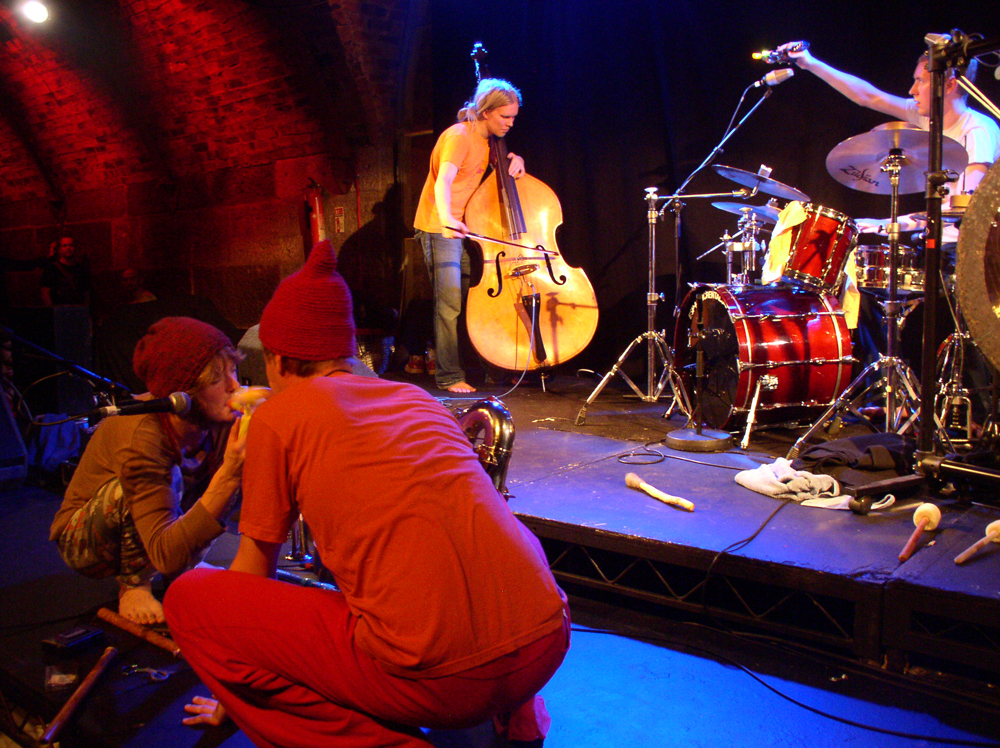
Captures the creak and rustle of the forest, with an exhilarating tension let loose in unconfined maniacal and bare-knuckle group thinking.
Arika have been creating events since 2001. The Archive is space to share the documentation of our work, over 600 events from the past 20 years. Browse the archive by event, artists and collections, explore using theme pairs, or use the index for a comprehensive overview.
Captures the creak and rustle of the forest, with an exhilarating tension let loose in unconfined maniacal and bare-knuckle group thinking.
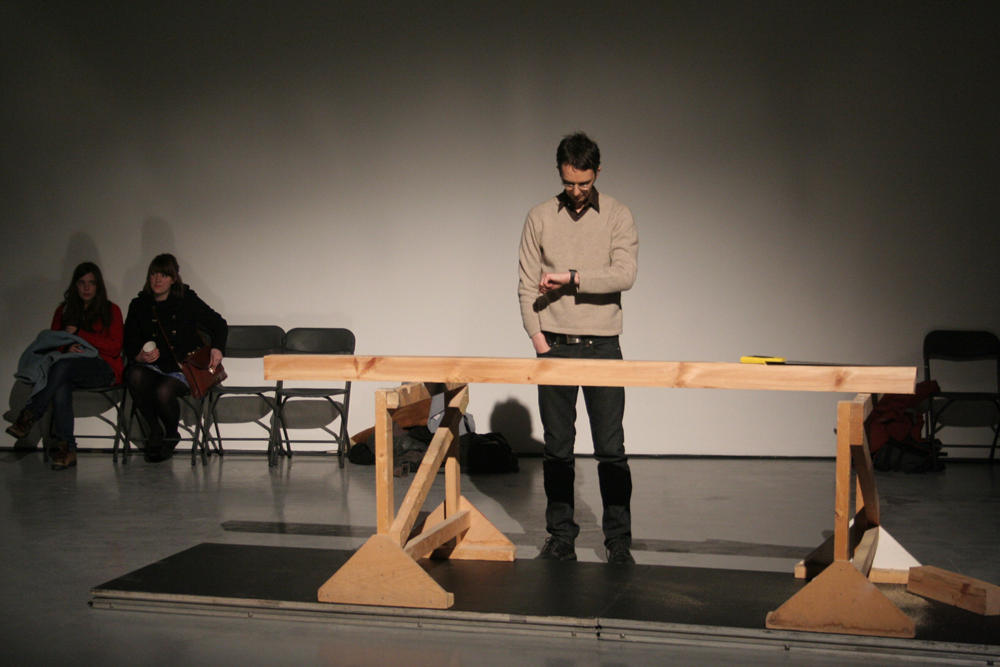
A kind of audience activating, structured film guessing game in the manipulation of time, sound and image. “At 11:15, weiners. At 21:05, pornography. At 23:30, a duet. Watch the Clock.”
This set continues on from the Bud Neill inspired clatter using the contents of the Usurper twin’s pockets.
Can a musician create a sonic photograph; something with a depth of field, where you can hear sounds and their interconnections, much as you see objects and their relationships in a photo? Could a filmmaker use musical concepts to represent landscape?
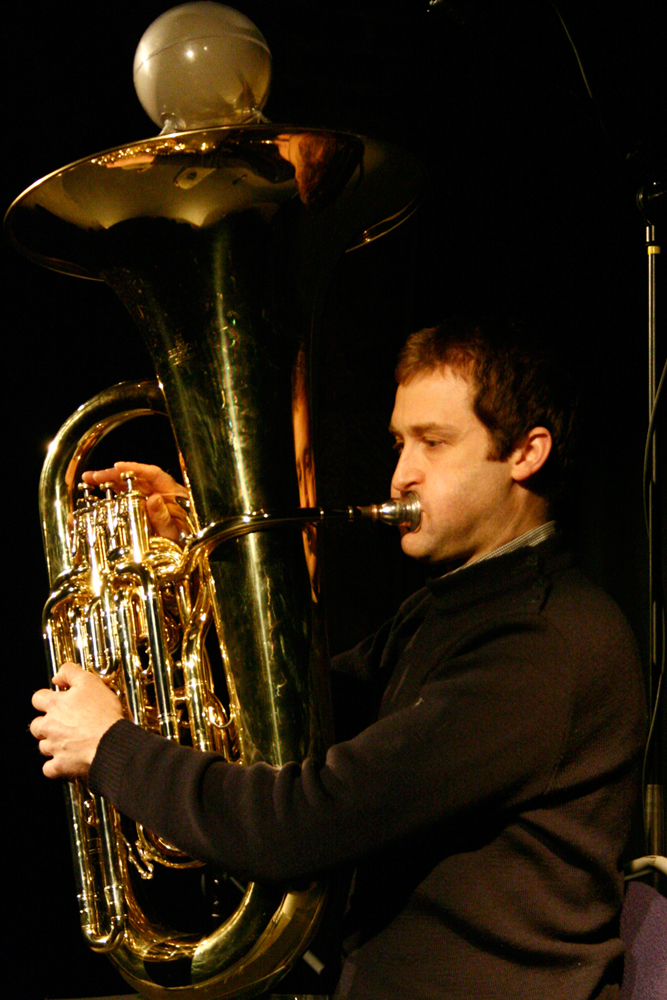
Robin Hayward – exploring the micro-sounds of a tuba, filling slowly with sand.
Ray and Thomas talking about how cognitive neuroscience is unlocking the physical basis of personal experience.
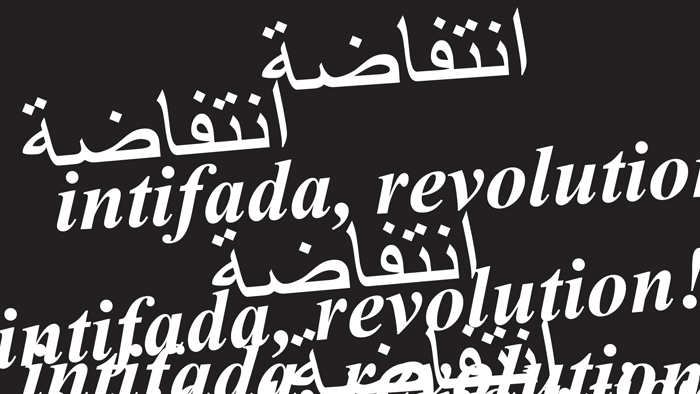
A workshop for educators, activists and young people to think about radical, anti-imperialist pedagogy, and what fighting for the Palestinian cause looks like for young people in the imperial core. PDF of the resource available soon.
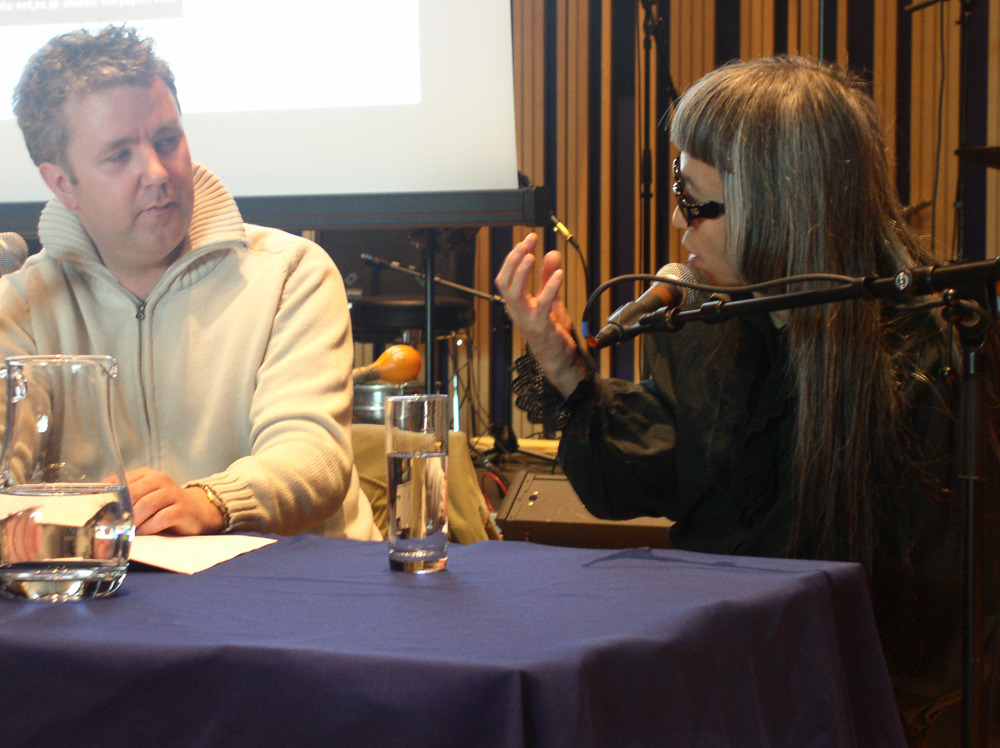
Journalist and underground music champion Alan Cummings talks to Keiji Haino about his career and his performance the previous evening.
Can we use sound, repetition and difference to personally and collectively engage with space, time and labour?
A sort of prayer and conference, a sort of scream and dialogue – a monologue and declaration at the time, addressing how we can build complicity with one another.
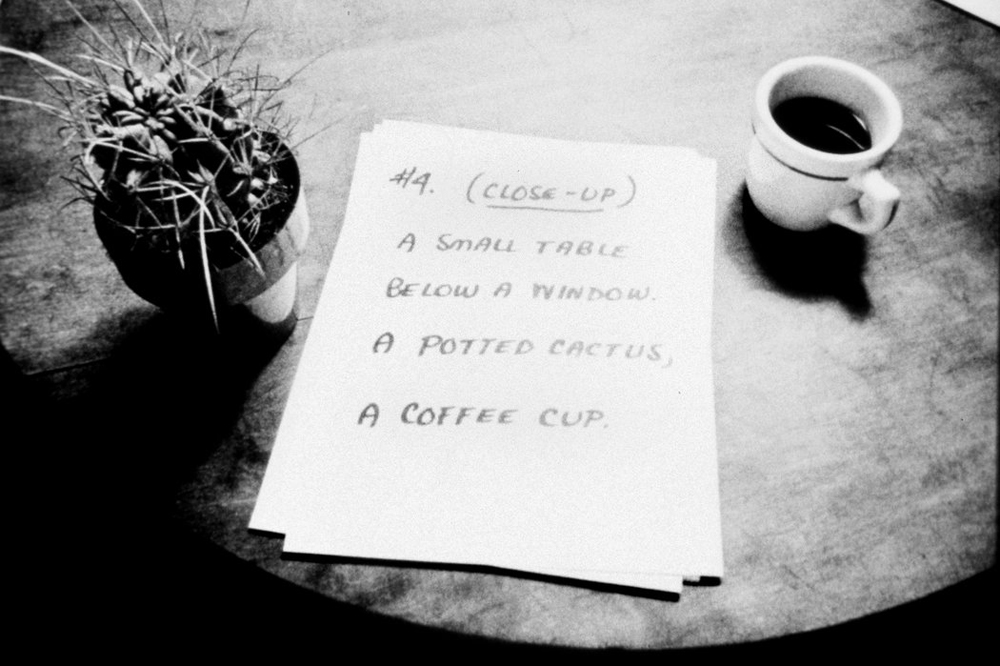
A cinema of the mind, a film to take place in the viewers’ imagination(s).
How does this practice, that simultaneously resists and honours the distinctions between these genres, materials and senses, determine the inhabitation of another: a convergence of aesthetic and social experimentation?