Nmperign
Nmperign
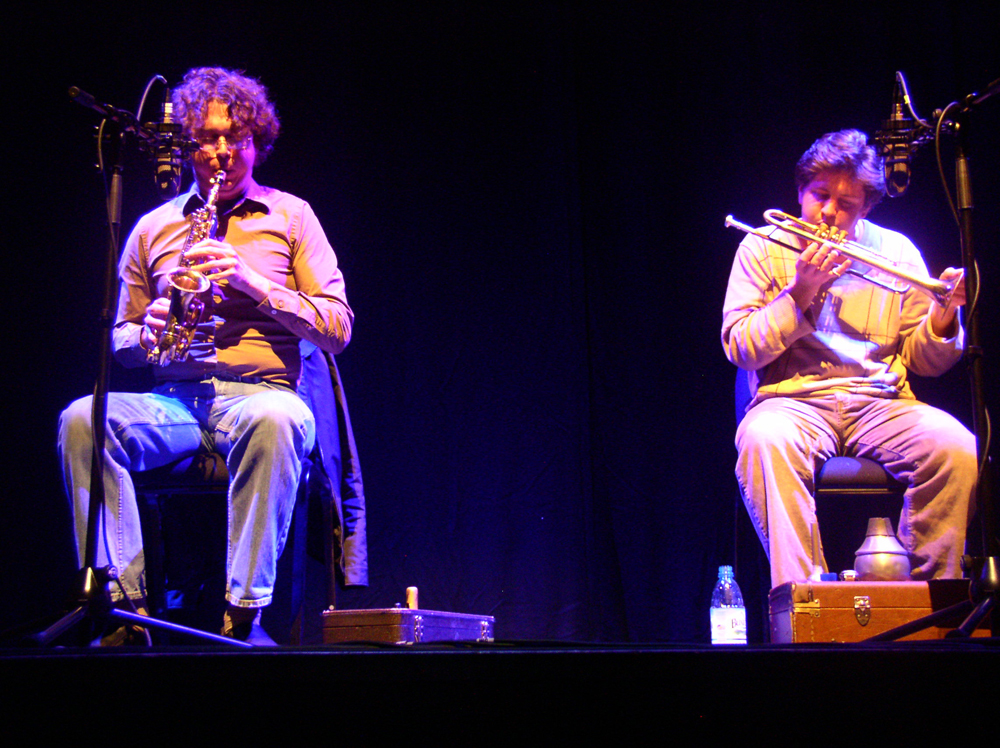
Boston duo of saxophonist Bhob Rainey and trumpeter Greg Kelley approach their improvisations with a slew if extended techniques and pregnant silences.
Arika have been creating events since 2001. The Archive is space to share the documentation of our work, over 600 events from the past 20 years. Browse the archive by event, artists and collections, explore using theme pairs, or use the index for a comprehensive overview.
Boston duo of saxophonist Bhob Rainey and trumpeter Greg Kelley approach their improvisations with a slew if extended techniques and pregnant silences.
The first INSTAL festival (programmed by Barry Esson of Arika and Tiernan Kelly) featured a line-up including Robert Lippock, Philip Jeck, Fennesz, Paragon Ensemble, Icebreaker International, Defaalt and Rhomboi.
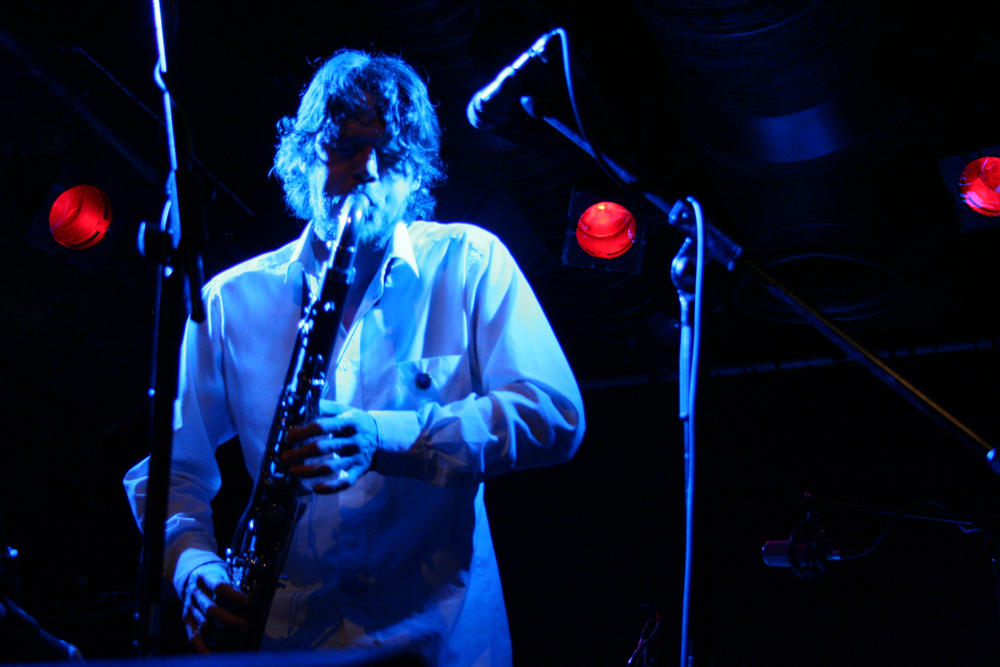
Solo performance on bass clarinet, jaw harp & voice by Arrington De Dionyso.
First live show outside the USA featuring one-off film pieces and live theatre from the ringleaders of the ‘weird new America’ psych folk explosion.
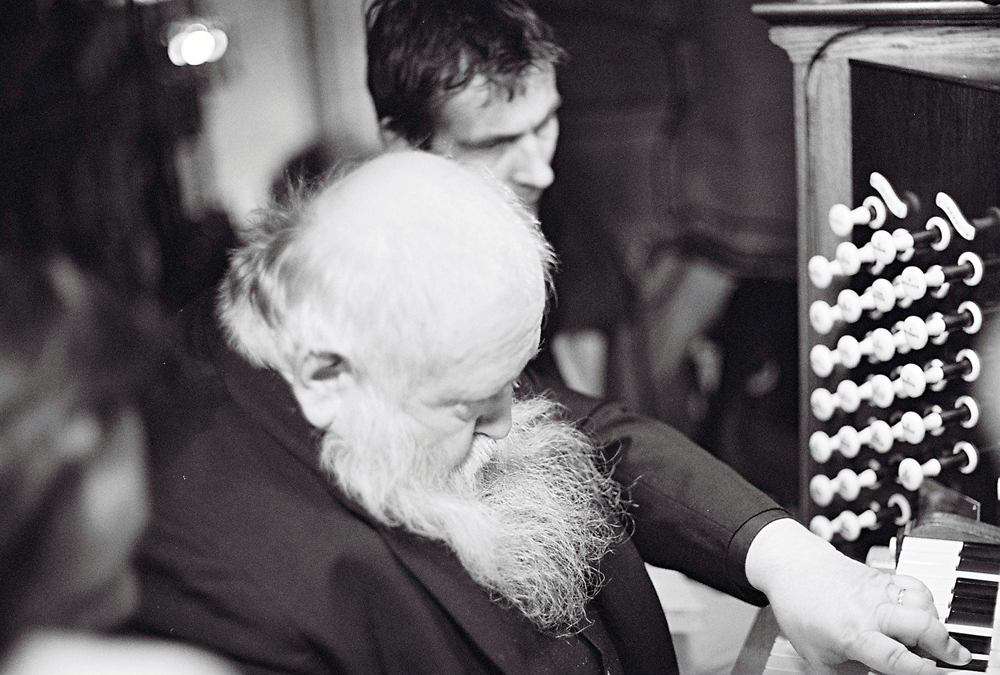
A specially commissioned performance for organ. “The course of the stars were to be put to sound.”
A conversation about the movement for prison abolition and refusing the logic of race and sex that underpins the criminalisation and mass incarceration of communities.
Includes: a £20 note, stock fluctuations, an examination of words in the video medium, a linguistic challenge for your mind, a frame by frame dissection 50 words, shop front poetry, image and language head to head and newspapers under the microscope.
Final workshop exploring work, care and class. Does the ‘care industry’ summon forth its own class? Can this ‘affective class’, in their ability to care for others, militate against the carelessness of self-interest?
Offering a crip grief transformation and witness altar. A place to sit and breathe, remember our dead, wash our hands and leave offerings to and for loved ones we’ve lost – and for ourselves. Expect fire and a little bit of smoke. Concluding with a D/deaf centered social space with conversational interpreters available for those who do not speak ASL.
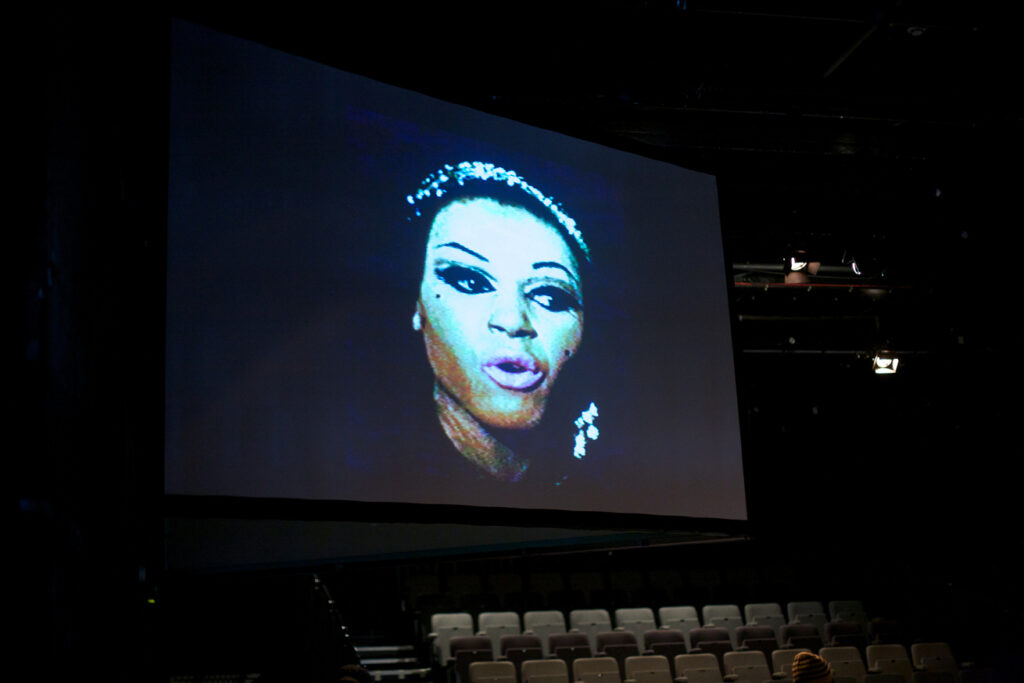
A historical narrative of the black and Latino/a transgender, bisexual, lesbian, and gay House and Ballroom Scene in relation to race, gender, sexuality and class oppressions.
Instead of the one-way monologue of normal performance, what would be the result of an actual collective dialogue? Where would it go?
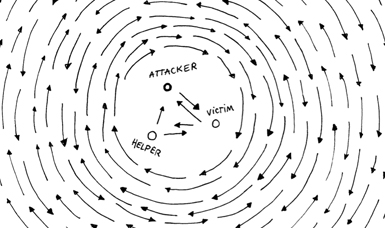
Rather than asking the state for services, what kinds of change are made possible when we prioritise people supporting each other?