Fugitivity and Waywardness
Fred Moten Saidiya Hartman
An open conversation hosted by Saidiya Hartman and Fred Moten around ‘fugitivity’ and ‘waywardness’ and what it means to be in flight, excessive or ungovernable.
Arika have been creating events since 2001. The Archive is space to share the documentation of our work, over 600 events from the past 20 years. Browse the archive by event, artists and collections, explore using theme pairs, or use the index for a comprehensive overview.
An open conversation hosted by Saidiya Hartman and Fred Moten around ‘fugitivity’ and ‘waywardness’ and what it means to be in flight, excessive or ungovernable.
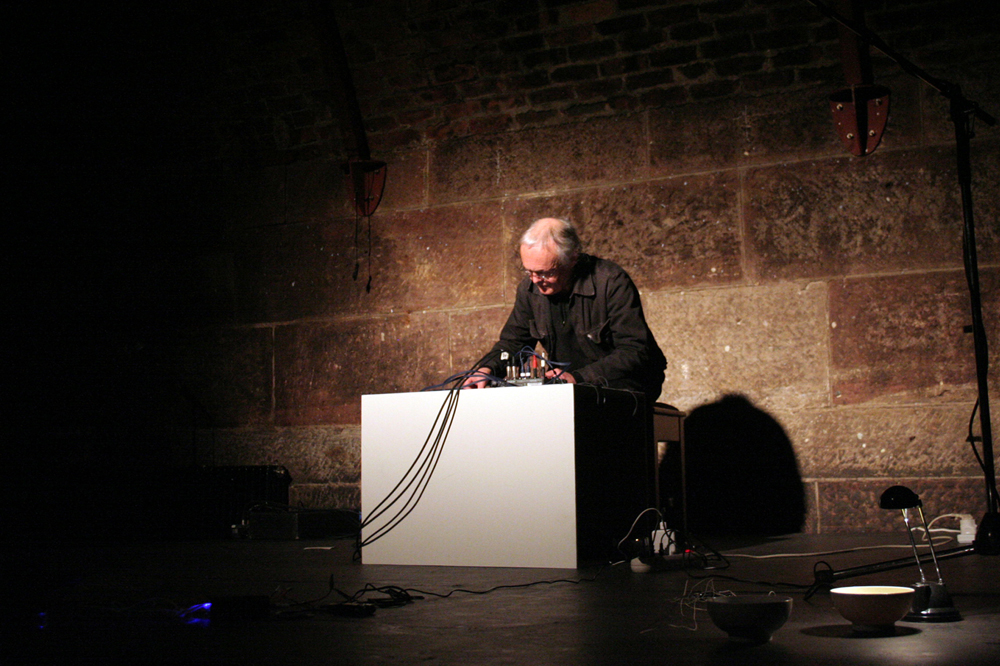
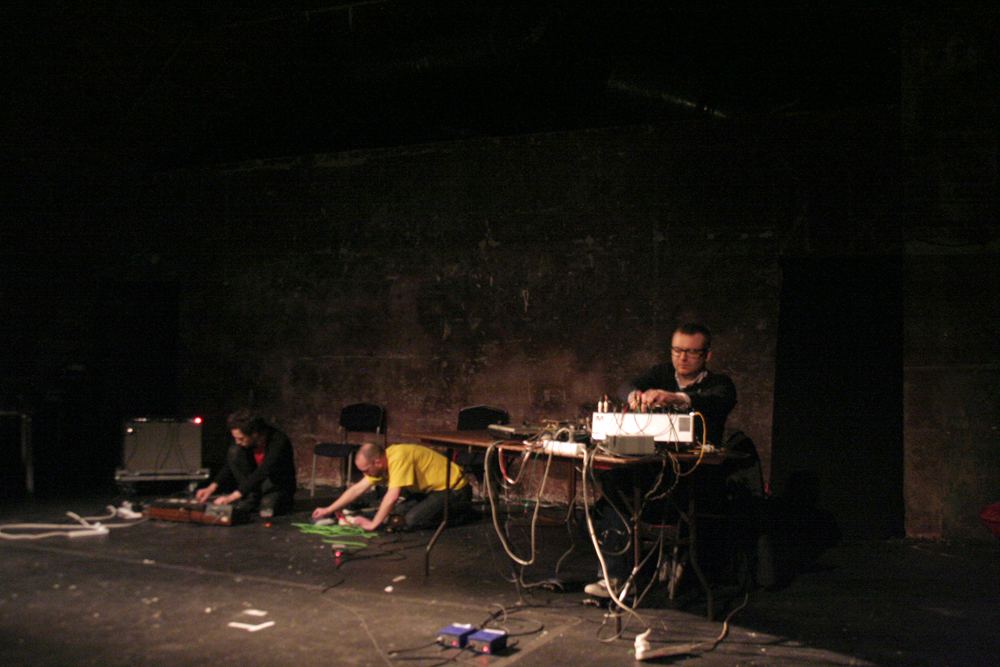
Julius’ “small music” features simple snatches of found sound, played back through small speakers, often set in bowls of pigment and dirt which shimmies in the vibrations.
An audio report for the NATOarts board of directors that seeks to promote global security and stability through the exhibition of works of conceptual art.
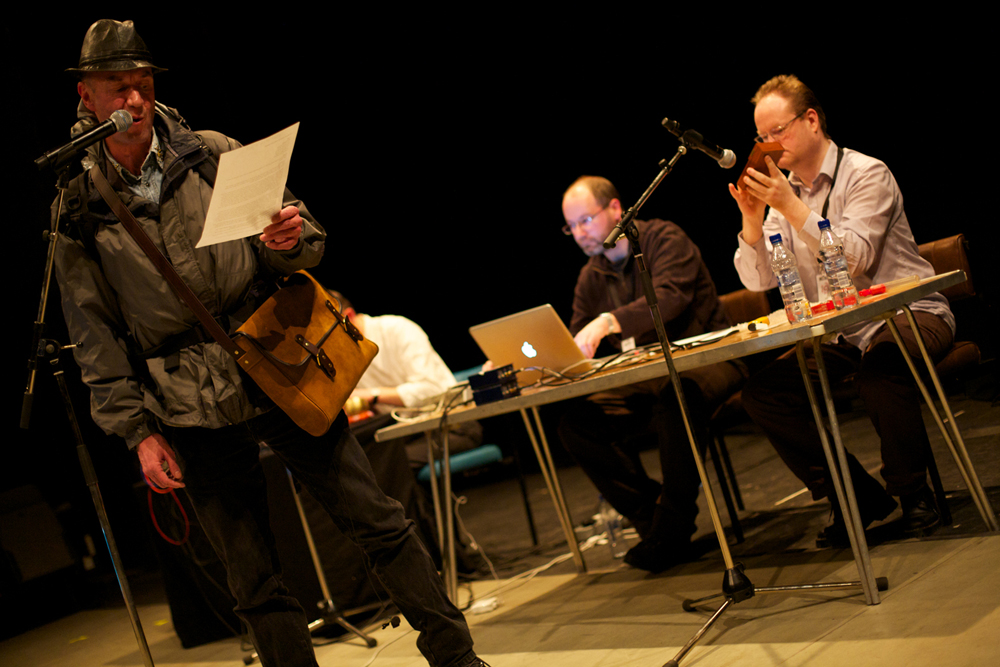
The first performative part in a game of chance and endurance as actor Tam Dean Burn constantly broadcasts for 24hrs.
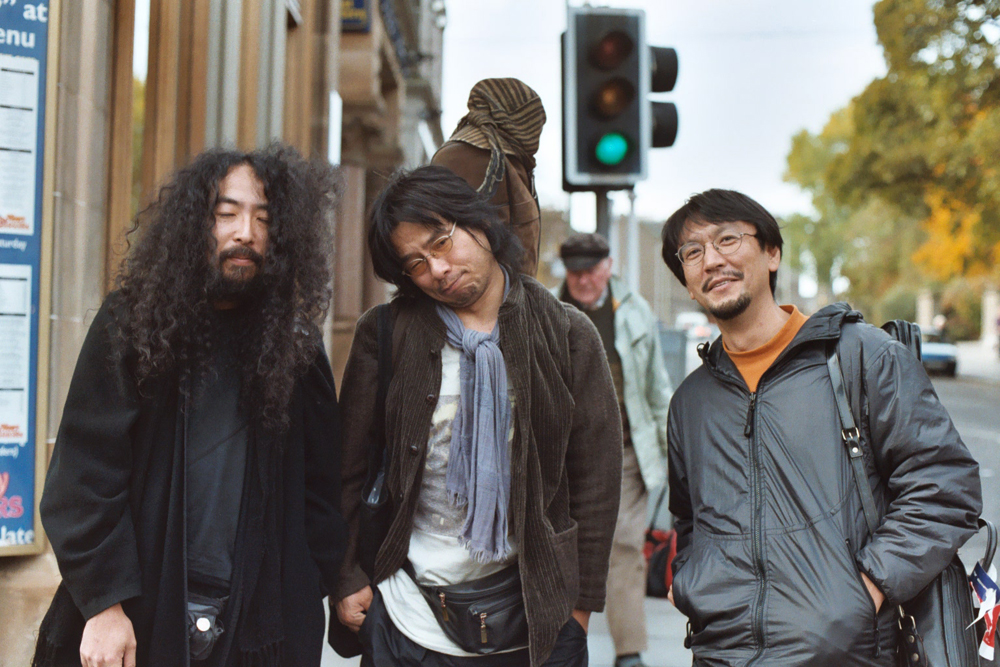
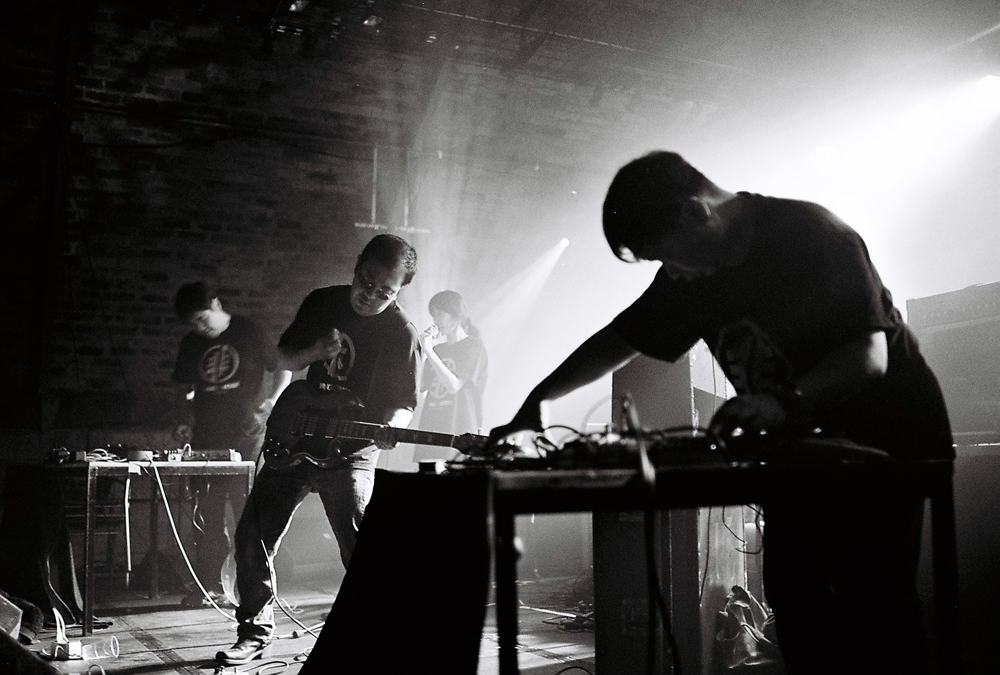
Series of short sets by Acid Mothers Temple / Ruins offshoots Zubi Zuva X, Akaten & Zoffy.
Although Tony had visited Haino in Japan, and they played together in private, this was the first time anyone other that Haino’s cat saw them perform together.
Droner responsible for Fordell Research Unit, Muscletusk’s murk manipulator and Metzian concrete-mixer cement international relations and yr heids.
One of the most revered and legendary underground acts of the past 20+ years, Current 93 is the constantly evolving creation of David Tibet.
Hijokaidan rapidly built a following due to the overwhelmingly physical intensity of their live performances, often involving destructive onstage rituals of vomit, urine, mangled guitars and ear shredding volume.
Could they be one of the most ferocious live noise acts around, or a necessary and ludicrous parody of ferocious noise acts? Could they be both?
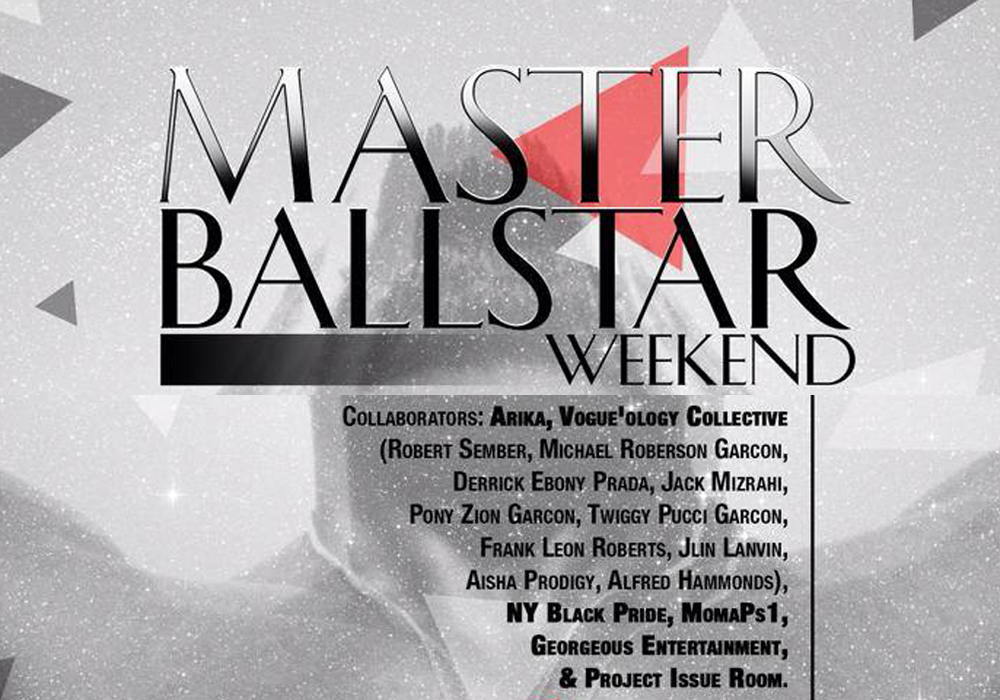
A series of events organised by the Vogue’ology collective from the House Ballroom community in New York grounded in the scenes history of autonomous, self-organised struggle and a shared investment in collective art practices and how those intersect with the multiple and often divergent struggles for freedom.
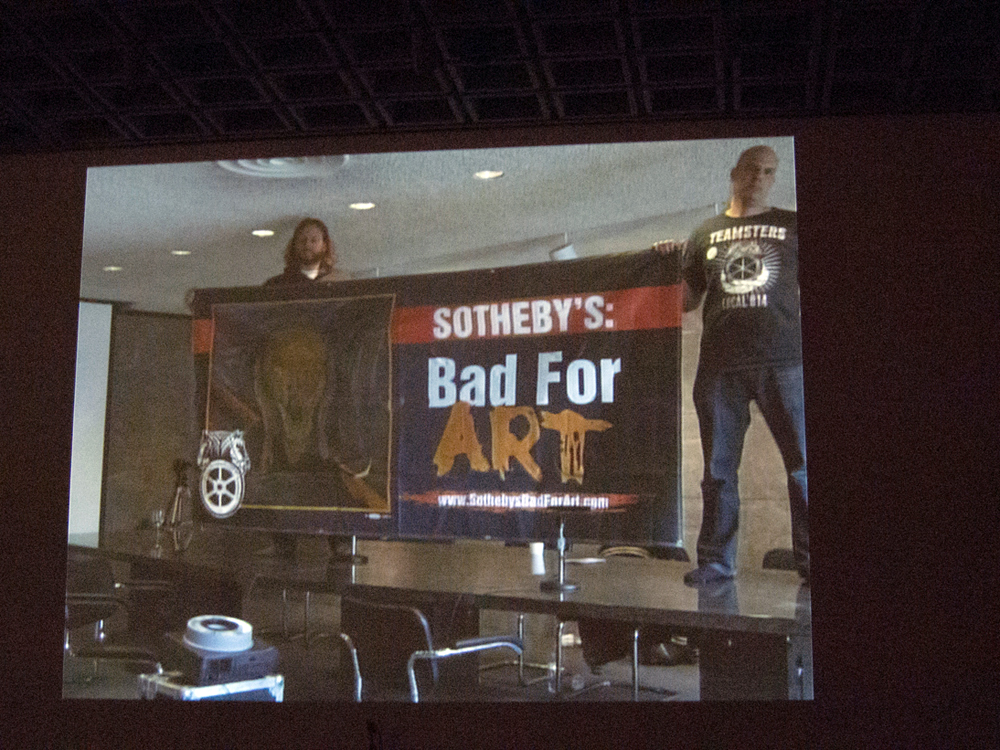
When one calls a strike, who hears the call, who attunes and listens to it? How to listen to the call of a strike? What prevents one from hearing this call or stops one from listening to it?