Kyoaku No Intention
Kyoaku No Intention
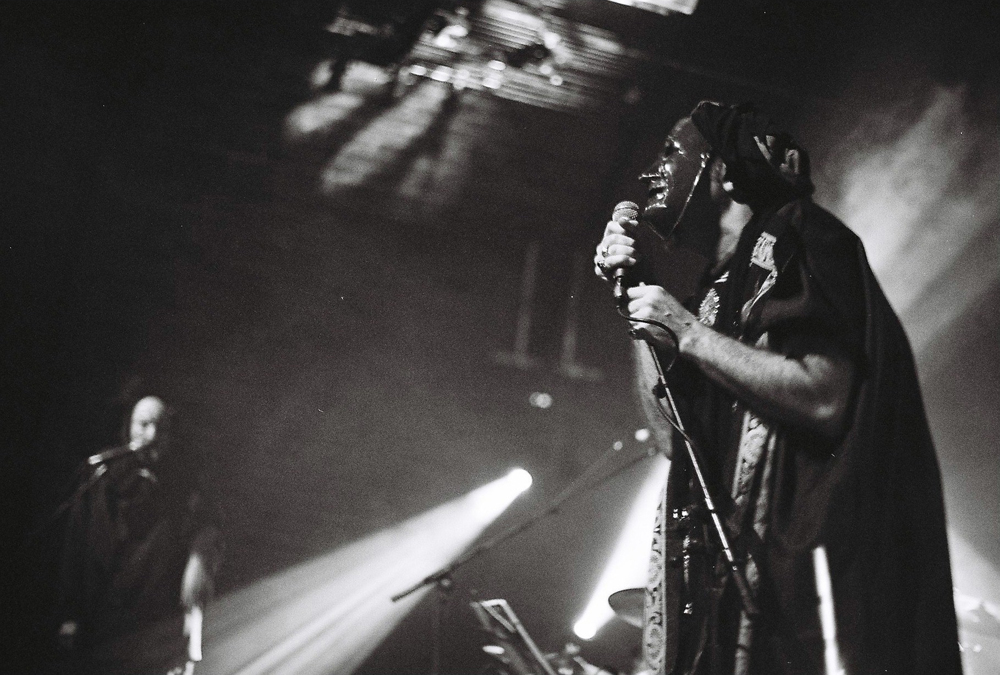
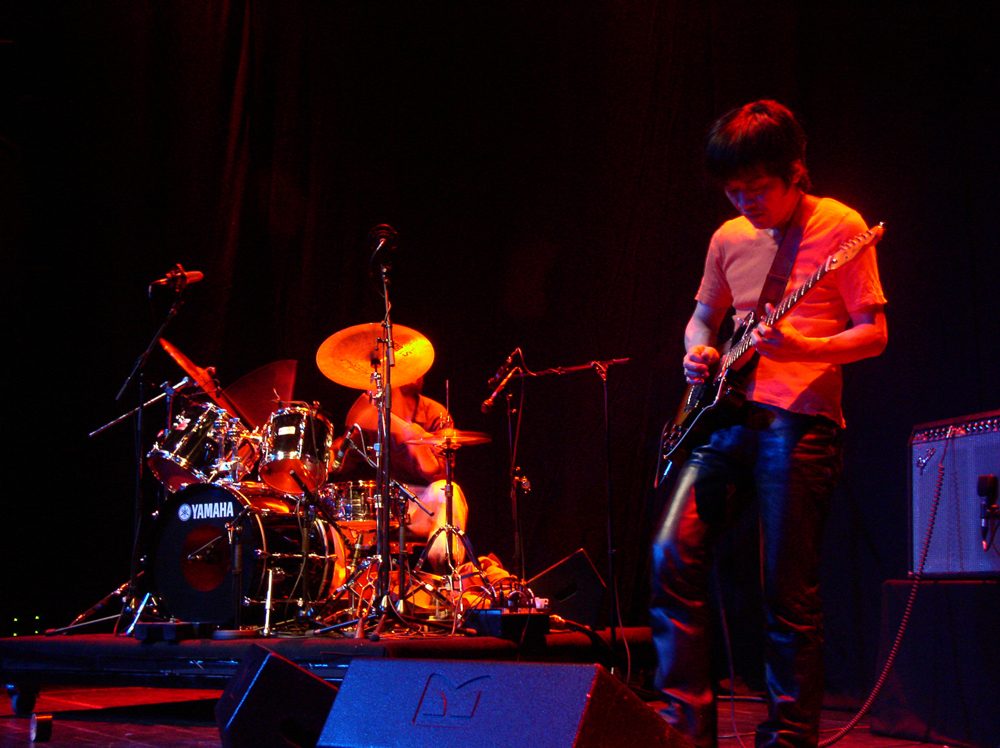
Munehiro Narita’s Kyoaku No Intention (Worst Intentions) fired out some of the most compelling no-wave improvised rock of the 80s.
Arika have been creating events since 2001. The Archive is space to share the documentation of our work, over 600 events from the past 20 years. Browse the archive by event, artists and collections, explore using theme pairs, or use the index for a comprehensive overview.
Munehiro Narita’s Kyoaku No Intention (Worst Intentions) fired out some of the most compelling no-wave improvised rock of the 80s.
Perhaps the paradigm of America’s covert musical subculture, Sun City Girls operate just over the border of raucous delirium.
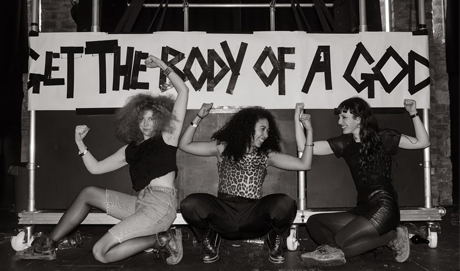
A movement-based workshop on Krump and the politics of how we teach, learn and listen with our bodies. Move with us!
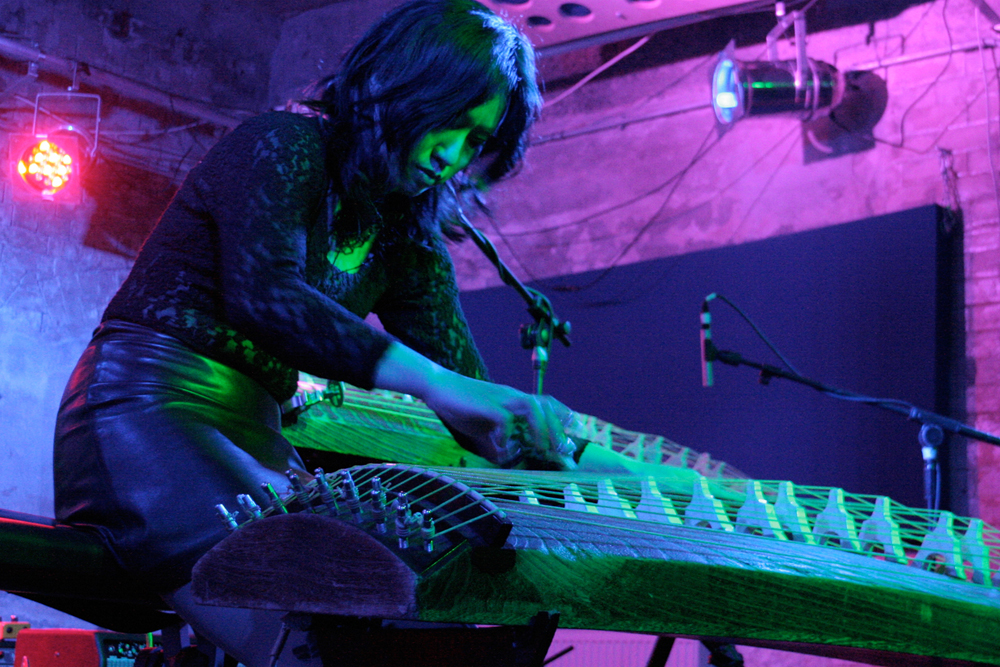
Sometimes delicate, sometimes harsh and jarring, Yagi’s koto solos are as much inspired by Nancarrow or Cage as they are traditional.
Inspired by Delany’s Aye, and Gomorra. A spookily filmic world where asexual bodies live in the contradiction of their unarousable loneliness and desire for intimacy and contact.
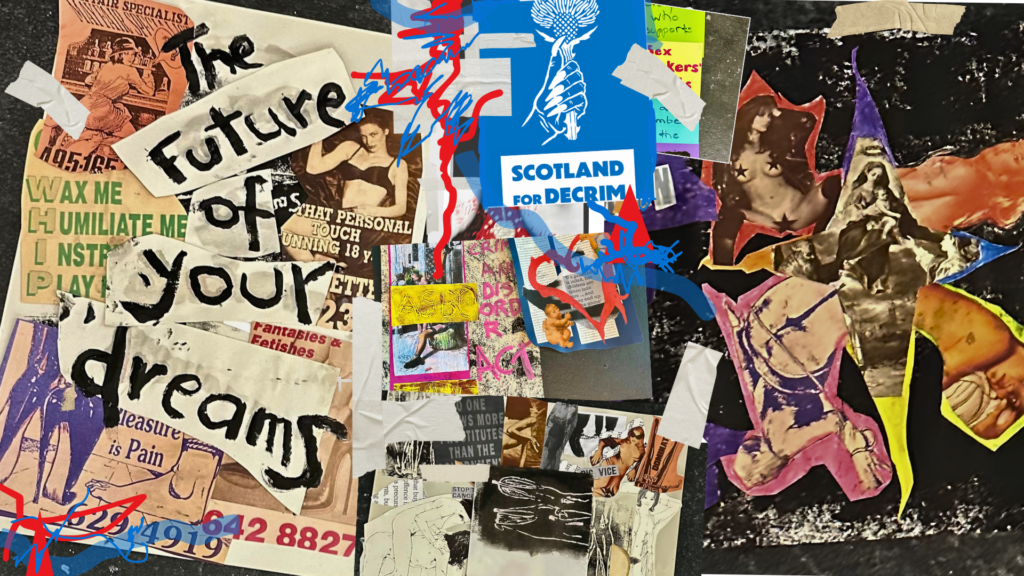
Sex worker only Collective Art Workshop led by the Hard Labour project from Scotland for Decrim.
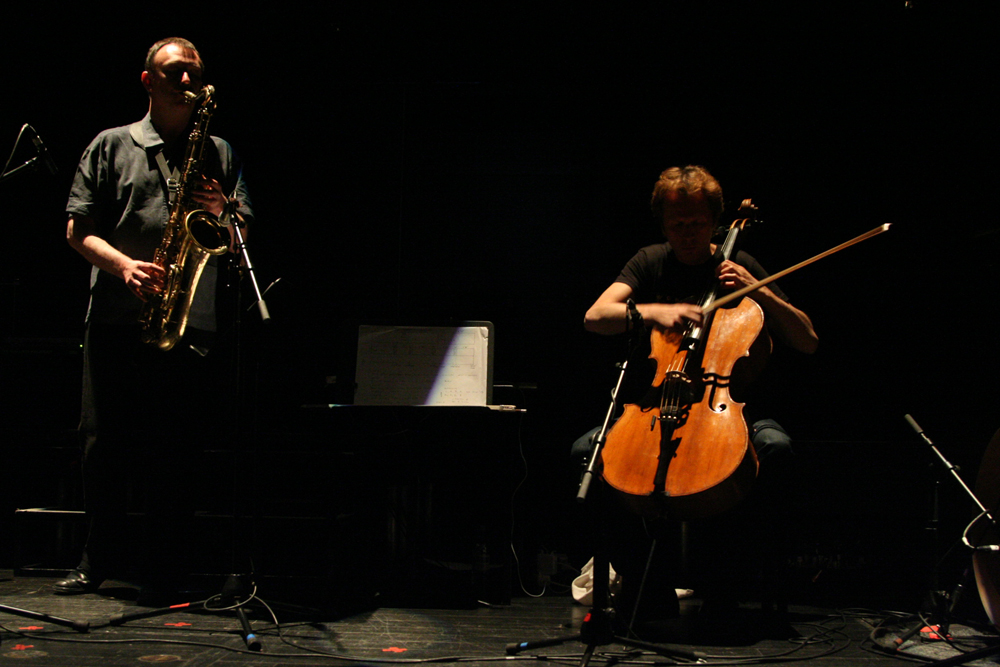
With a signature spartan sound and long term preoccupation in structural tactics (subtle shifts in density, drawn out stasis) Polwechsel blur the boundaries between individual instruments.
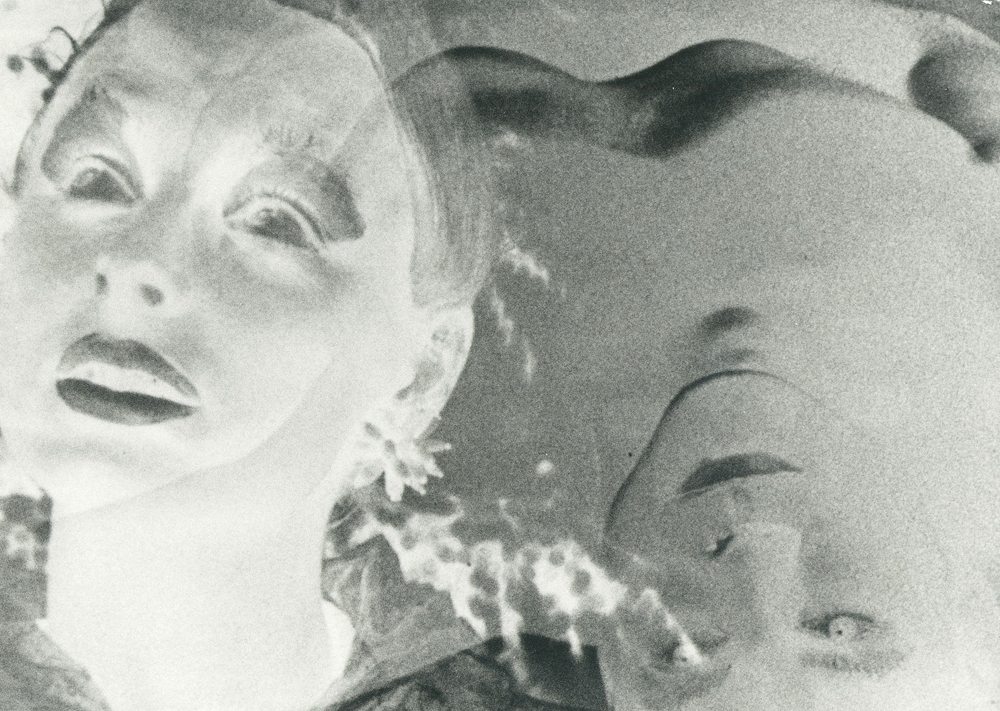
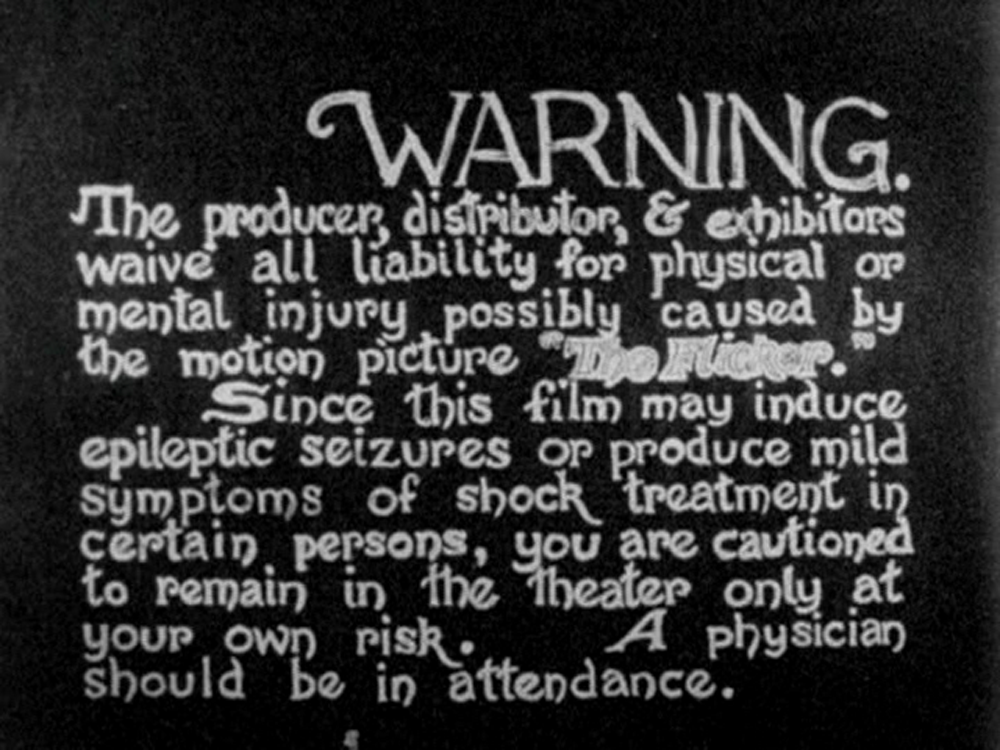
One of the most startling cinematic debuts on record, The Flicker is more a hallucination than a film, an out of body experience and riotous celebration of visual harmonics frequencies. An experiment in perception, come with your mind and eyes open.
A short chat about what we (Arika) might be trying to do with our program for the Biennial.
Glasgow. Free-playing quartet of bass/ cello/ voice from The Glasgow Improvisors Orchestra and Age Of Wire & String.
In this interactive workshop, Dean Spade, author of Mutual Aid, will share key principles, explore common challenges in mutual aid work, and offer tools for working through them.
A panel exploring how to dismantle the master’s house — its material edifices and ideological architecture — and the construction of abolitionist futures in the present.