Why improvised music is so boring
Diego Chamy Jean-Luc Guionnet Seijiro Murayama
An improvisation that may or may not involve (typical) improvisation.
Arika have been creating events since 2001. The Archive is space to share the documentation of our work, over 600 events from the past 20 years. Browse the archive by event, artists and collections, explore using theme pairs, or use the index for a comprehensive overview.
An improvisation that may or may not involve (typical) improvisation.
How can we imagine bodies not as an end in themselves, but as a medium through which we can become one another’s means?
Three (thankfully short) chats wherein we try and get at what’s eating us with regards to experimental music, and what we think might be worth salvaging.
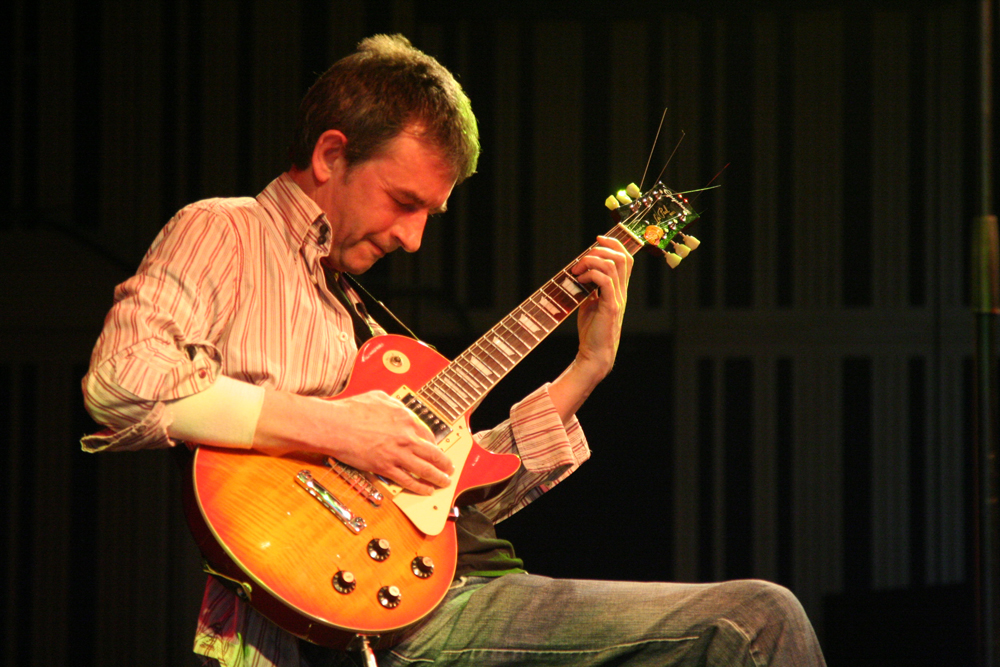
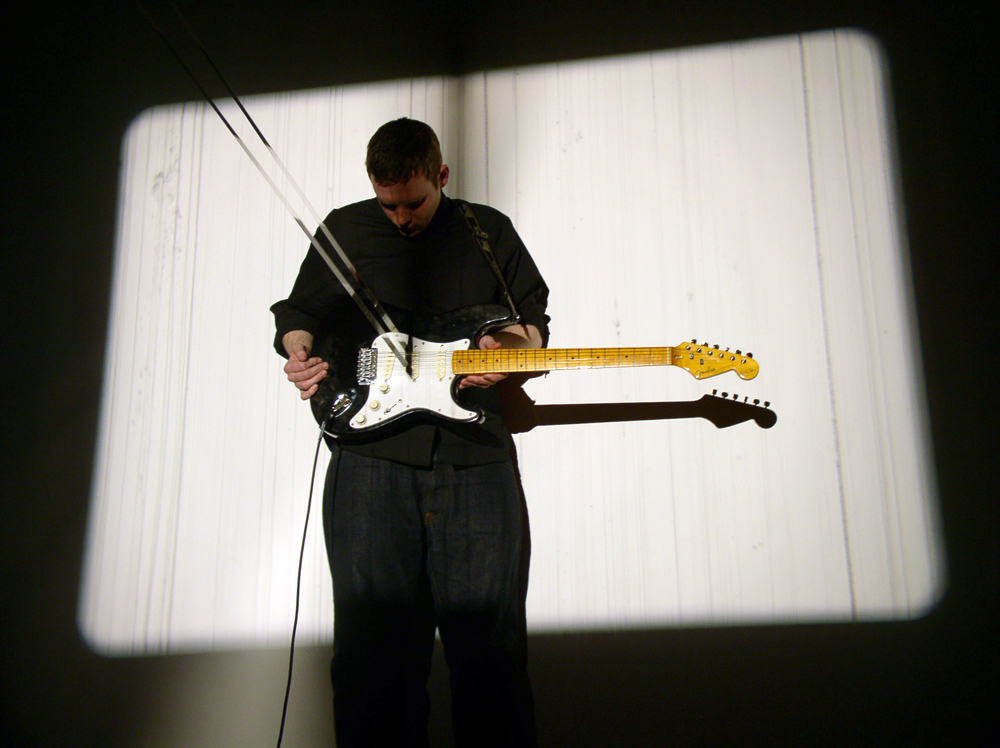
Guitar solo where inscrutable, minute electric sounds are excavated by palms that smother and strangle, that wring sound from the fretboard, from behind the bridge.
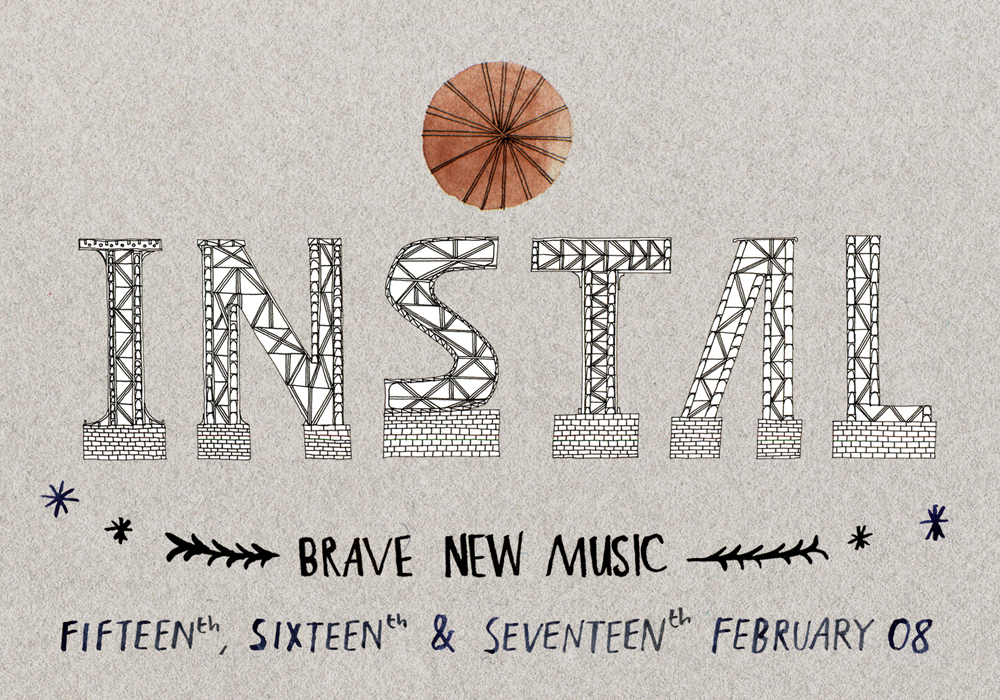
A cast of pioneering and provocative spirits who exist outside the mainstream, between borders and definitions; a series of events that each explore different aspects of music that doesn’t quite fit any given category. INSTAL 08 included the Self-Cancellation project.
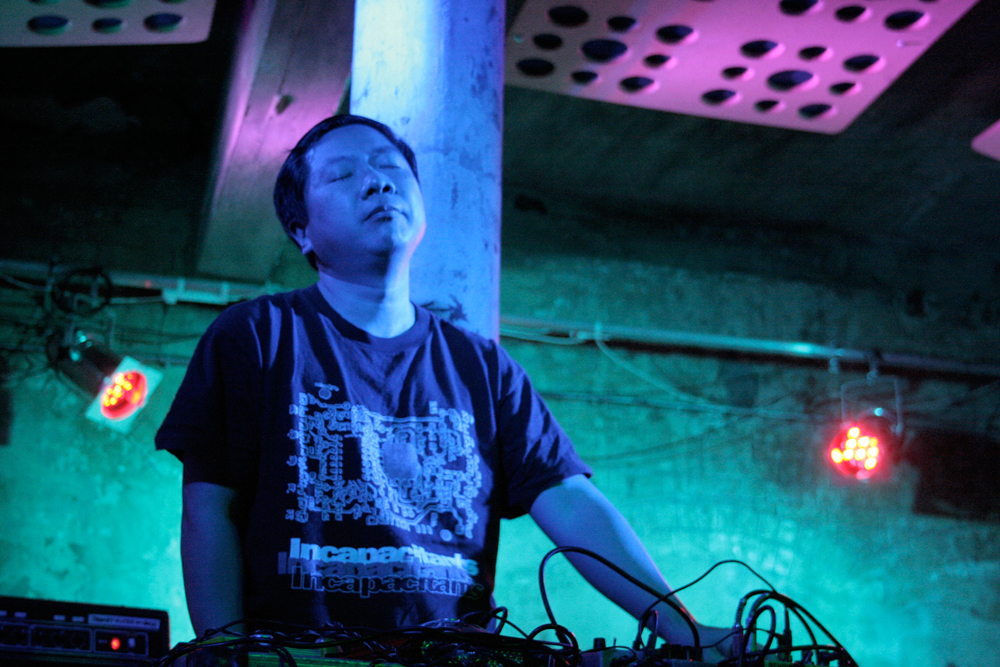
Ecstatic, scalding and ludicrously heavy, nobody matches Incapacitants for live noise energy. One of the most exhilarating live acts in underground music.
Taking a scalpel to the relationship between performer and audience: cutting something out to see what’s left, a drastic subtraction and shift of emphasis.
A full-blooded, emotional attempt to reinvigorate improvisation from a musically inclined philosopher and two philosophically inclined improvisers.
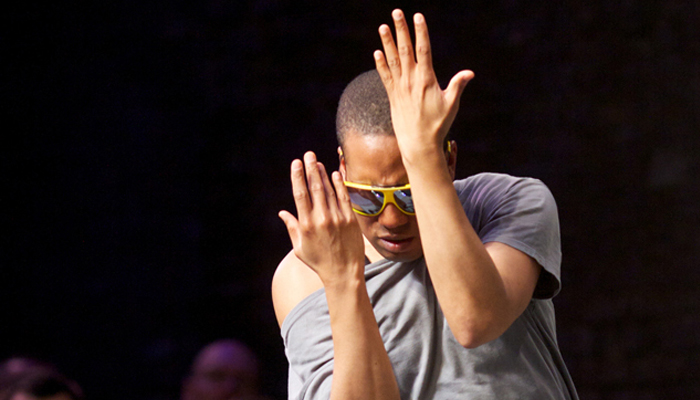
A meditation on how all of us perform — sometimes reinforcing, sometimes subverting — the shifting categories of gender, sexuality and race.
An original and beautifully simple performed installation forging a direct link between sound and image.
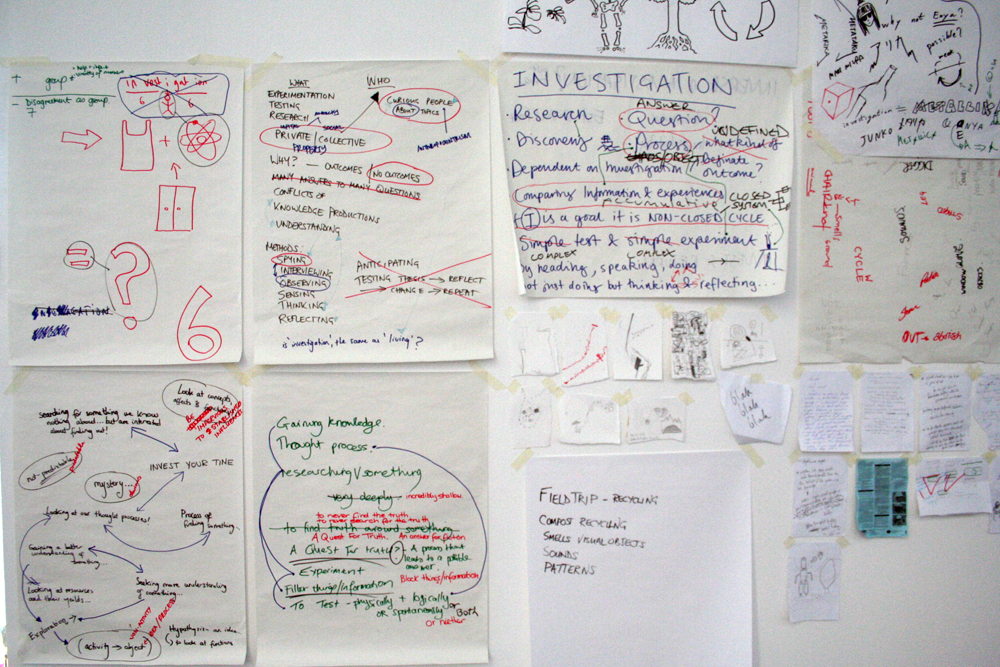
Summing up of the investigations with a reflection on what has been done that week and what could be done the next.
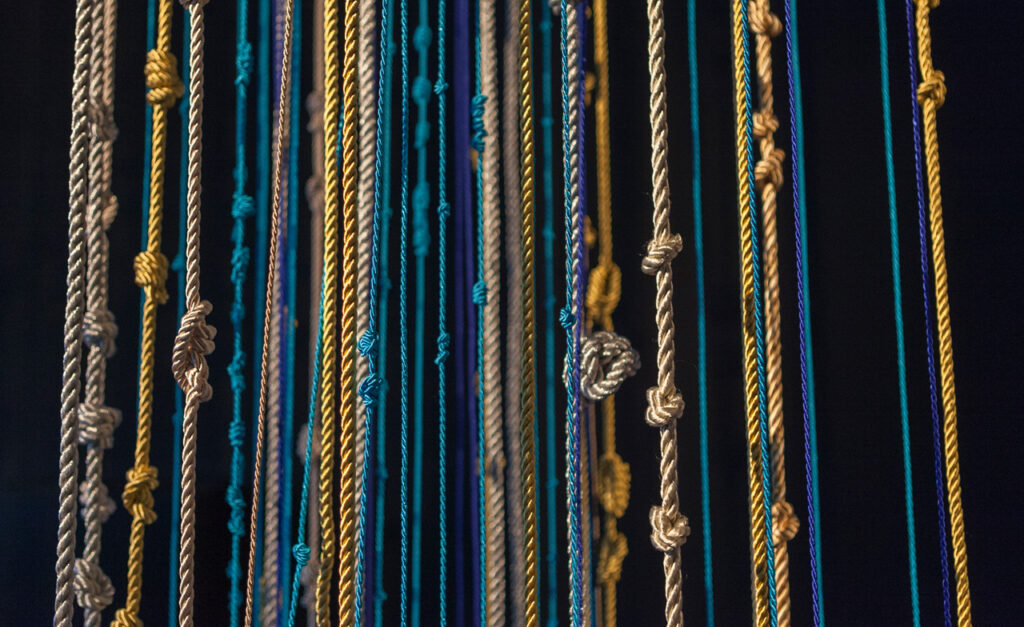
How do we sense entanglement? Can the knotting of ropes according to a poem’s rhythm make the social pulse of language matter?