Suspended closure, suspended
Jimmy Robert
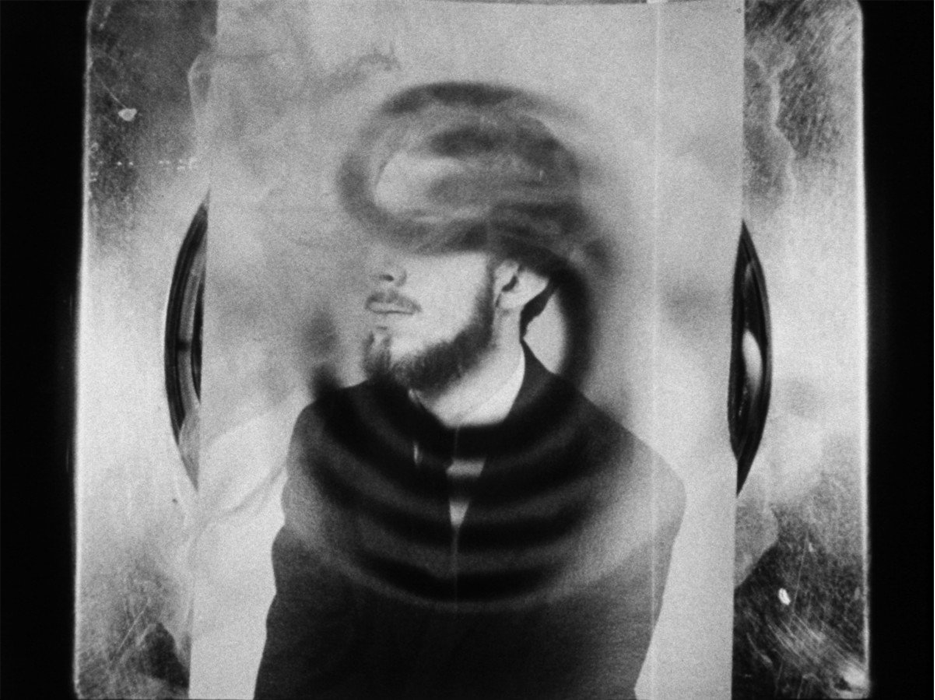
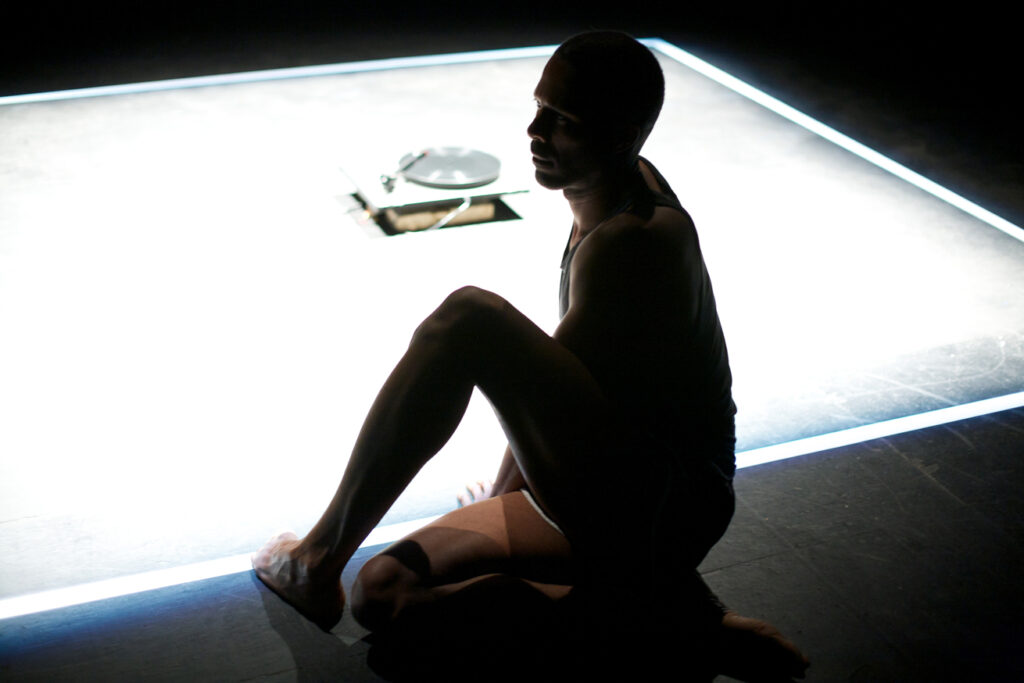
When we look, how do we objectify the body; how can we reflect on our (self) image as a construction?
Arika have been creating events since 2001. The Archive is space to share the documentation of our work, over 600 events from the past 20 years. Browse the archive by event, artists and collections, explore using theme pairs, or use the index for a comprehensive overview.
When we look, how do we objectify the body; how can we reflect on our (self) image as a construction?
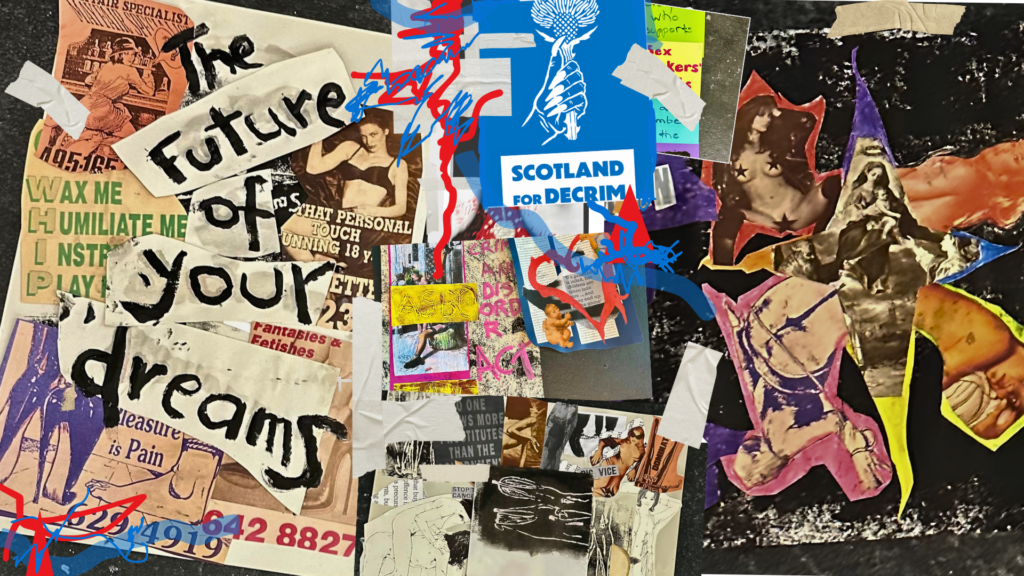
Sex worker only Collective Art Workshop led by the Hard Labour project from Scotland for Decrim.
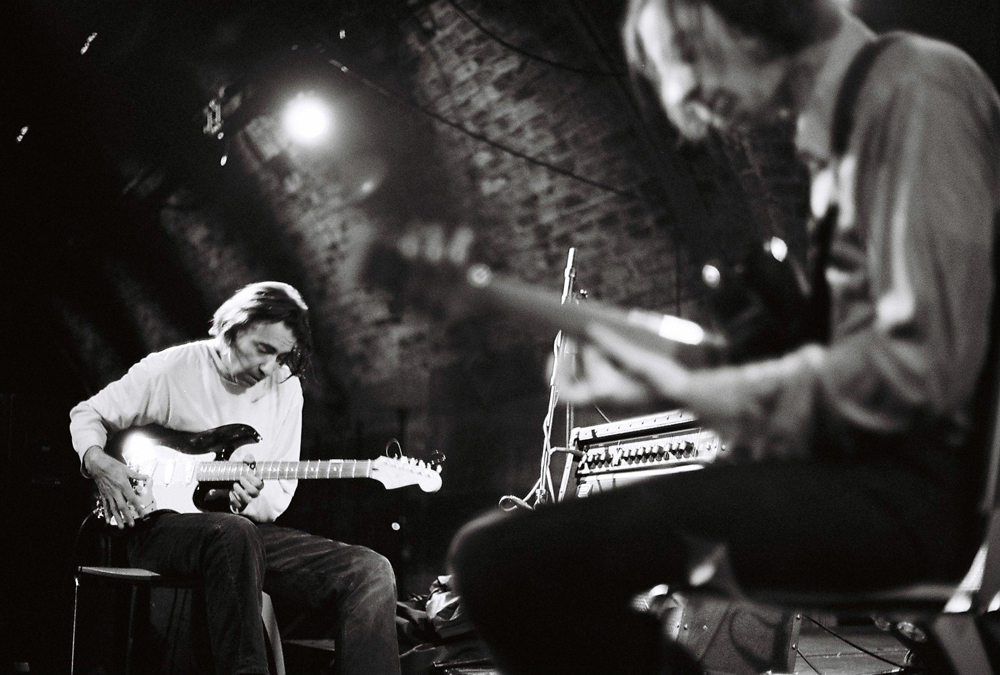
An utterly deep introspection told in aching, weeping guitar lines; melodic, simple, always minimal but somehow entirely epic.
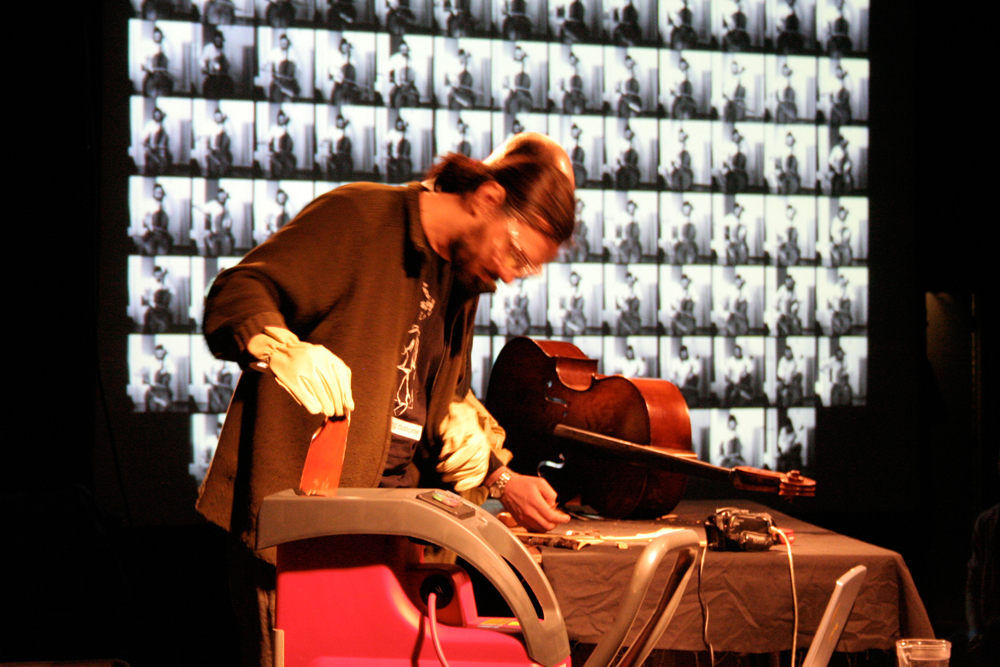
Nikos played every note that it’s possible to play on the cello, all played back as a one hour drone, while the cello was turned to powder and bottled.
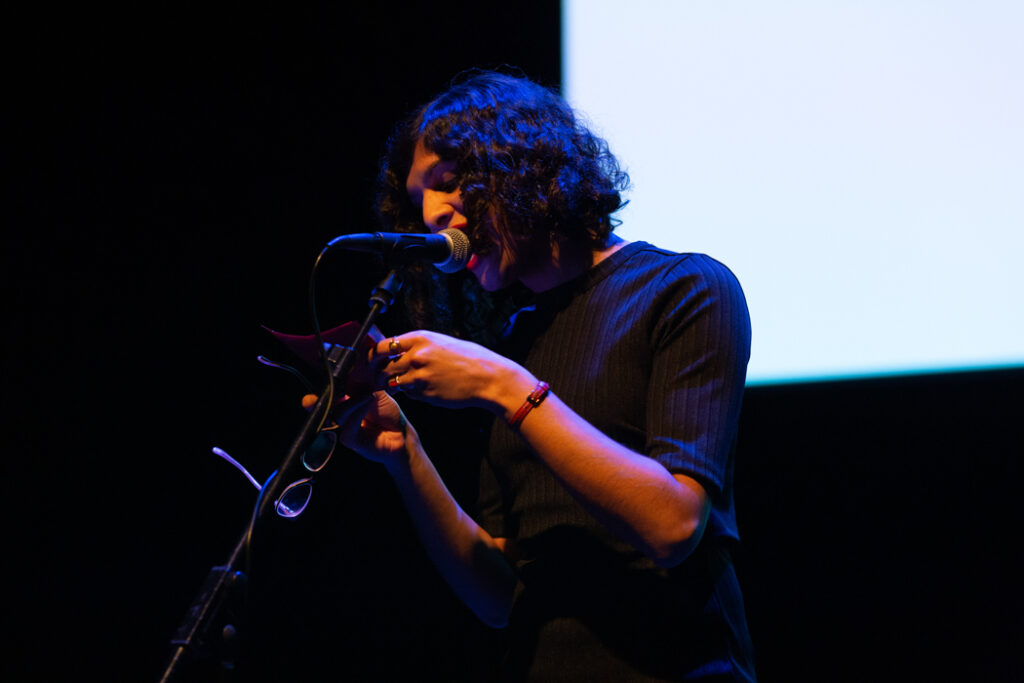
Transfeminist, communist, revolutionary poetry that refuses to flinch. Nat Raha presents new work in the nine.
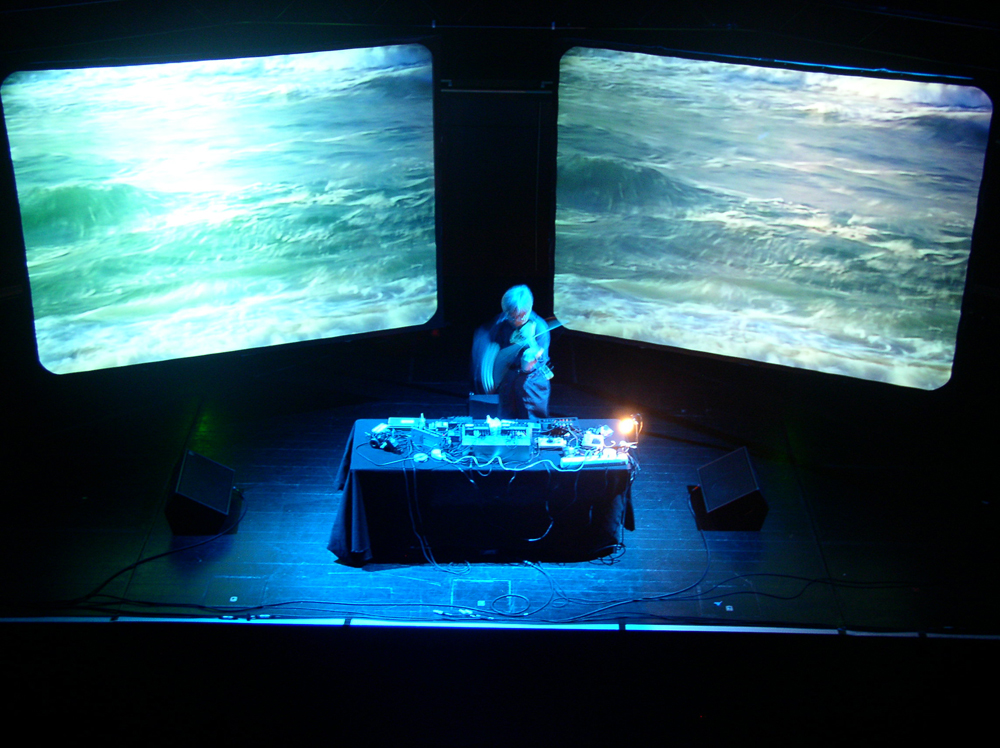
A new interpretation of Kosugi’s Catch-Wave, producing a cloud of fluctuating, hypnotic drones, in front of a backdrop of projected waves.
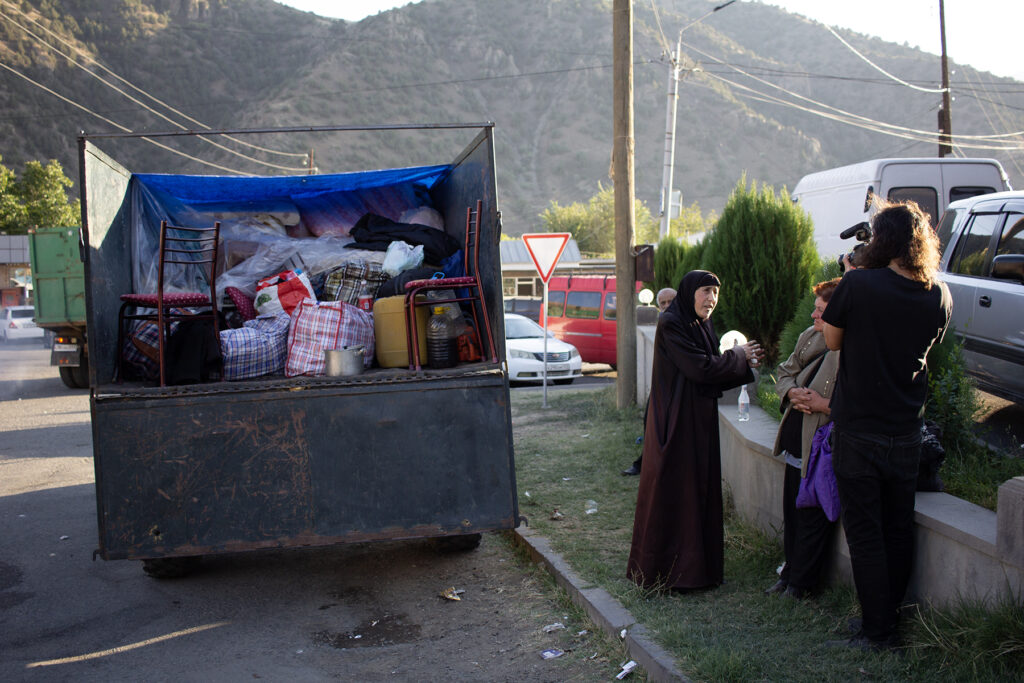
An improvised film about our worlds at the brink, on the edge, in front of a crisis. To stand on the side of life, by seeing the resistance to genocide in Palestine as a turning point to overcome.
Coffee, Croissants & Massage – a welcoming breakfast for all with massage by qualified massage therapists present to give hand & head massages.
Sound and image slipping out of synch and into discord, the programme includes (in London at least) a very special version of Hollis Frampton’s masterful (nostalgia) with a live narration by Michael Snow.
Social and party with all proceeds going to the Unity Centre, featuring DJ SETS with Dj@Christelle, DJ D-Harsh, Nena Etza & Moor Mother.
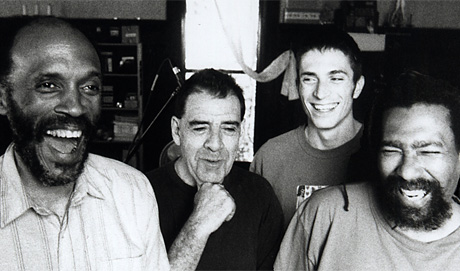
TEST is a collective creative improvising quartet based out of the NYC Underground (figuratively and literally). Their street-hardened, spatial Jazz is riotous and intense: is also makes us think about collective organization, and different ideas of responsibility and liberty.
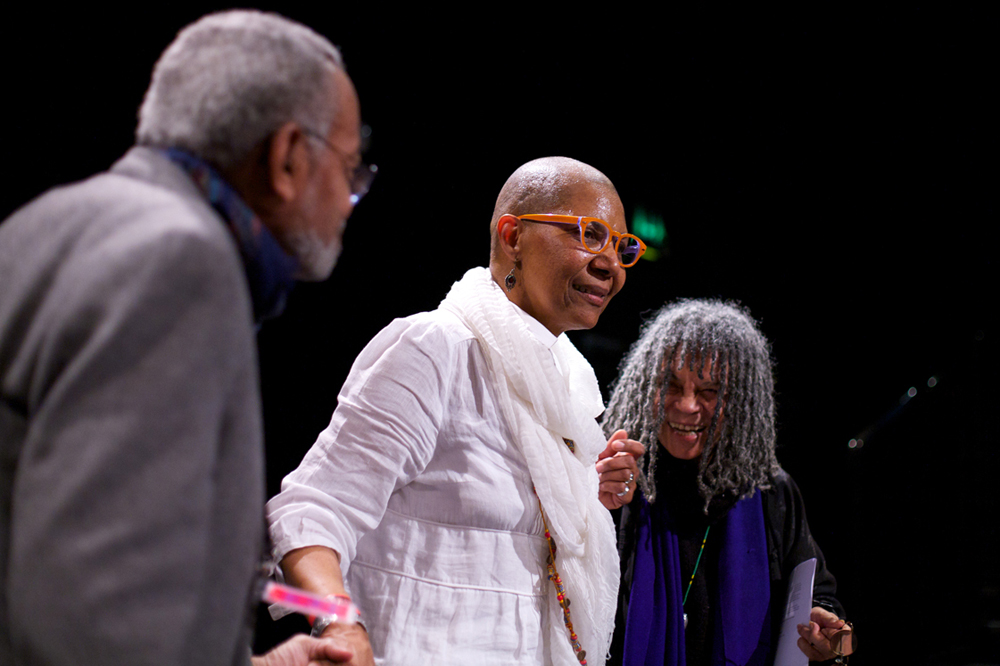
Can a collective performance of NourbeSe’s poem of black life as it exceeds containment enact alternative forms of selfhood that emerge in and out of African diasporic experience?