BARRUNTO
Emilia Beatriz
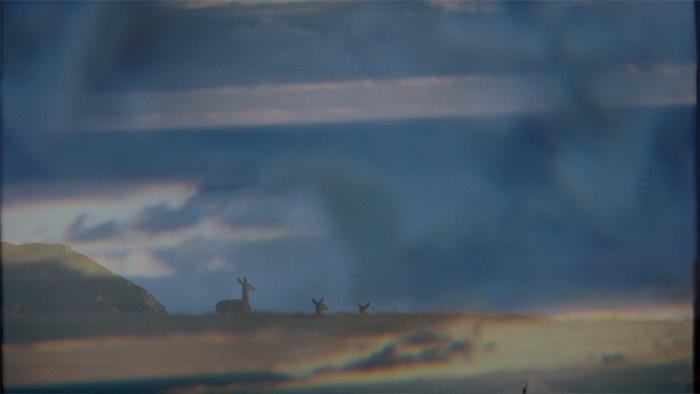
A speculative narrative film informed by poetry and theories of quantum entanglement across diasporic distance. An intimate exploration of grief and resistance in shifting landscapes of loss, from the streets to the bed.
Arika have been creating events since 2001. The Archive is space to share the documentation of our work, over 600 events from the past 20 years. Browse the archive by event, artists and collections, explore using theme pairs, or use the index for a comprehensive overview.
A speculative narrative film informed by poetry and theories of quantum entanglement across diasporic distance. An intimate exploration of grief and resistance in shifting landscapes of loss, from the streets to the bed.
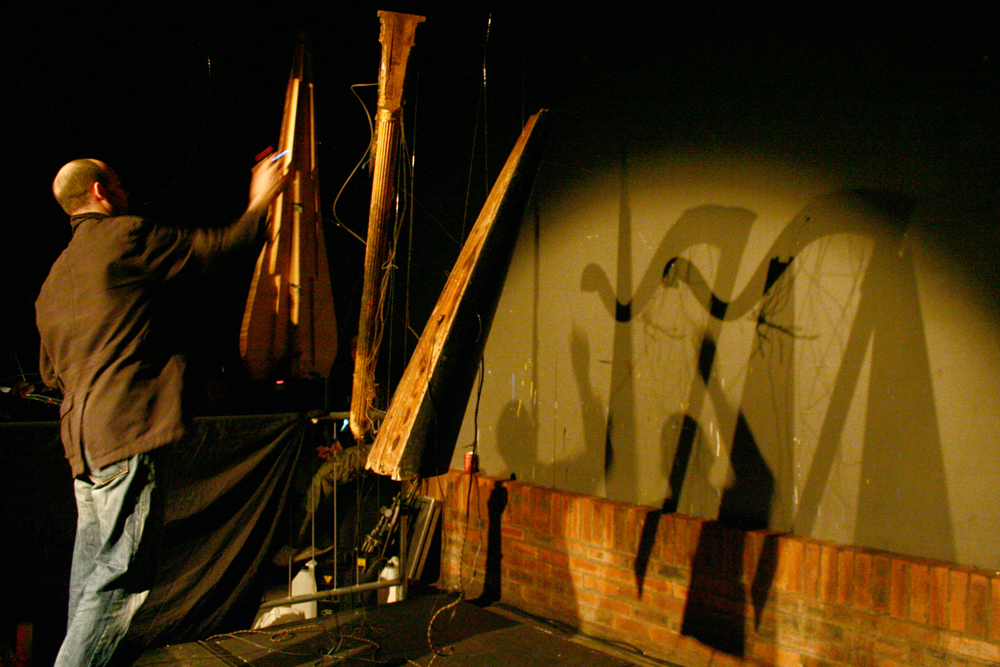
Rhodri Davies plays two deconstructed harps. Lee Patterson examines the sonic properties of burning nuts.
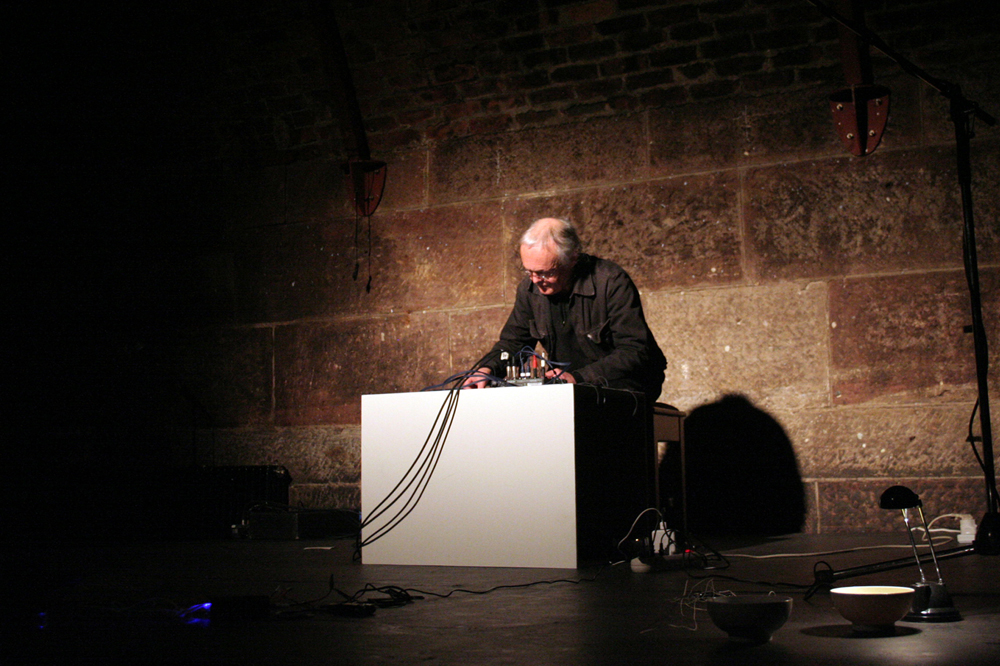
Kenneth Goldsmith reads extracts of his conceptual poetry and Achim Wollscheid manipulates mobile phone signals.
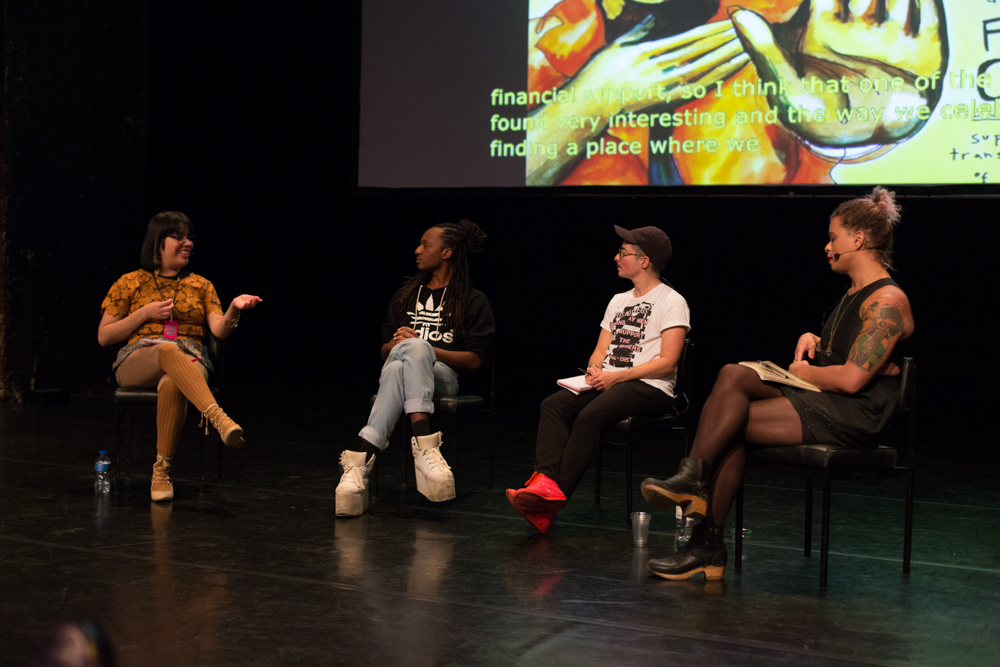
In true reality television style, this in-depth artist talk will tackle all the hardest-hitting questions and juiciest details about care, creative collaboration, and disability justice.
Julius’ “small music” features simple snatches of found sound, played back through small speakers, often set in bowls of pigment and dirt which shimmies in the vibrations.
Is there a link between the ways we’re caged and exiled by the prison-industrial complex and the ways people’s bodies are violently categorised and segregated by race, class, gender or ability?
“Beginning where you and me ends, where we don’t so much come but are already here.” Join James and Nisha to talk about breath, erotics and flesh, about our social, poetic cosubstantiality.
Dworkin asks: What would a non-expressive poetry look like? A poetry of intellect rather than emotion?
Our favourite Lancashire-born autodictact asks what’s political about the tension between the individual and the collective in free jazz.
Electronic music, time, thought, the word, and consecutive matters
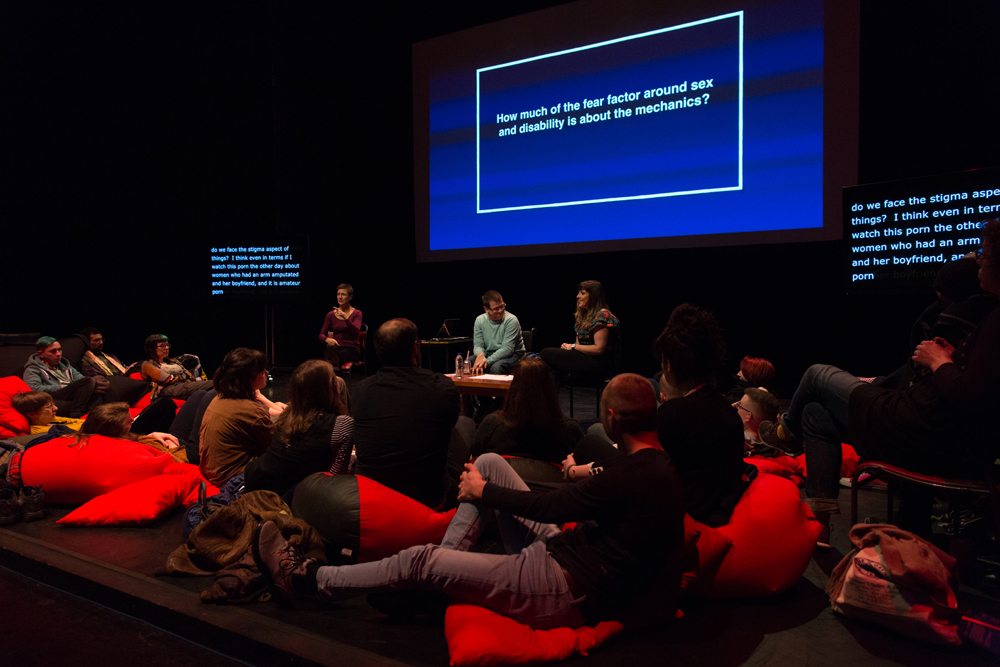
How do people living with disability see themselves in today’s sexualised culture? How do we imagine our crip sexual selves despite society wanting to reduce us to non-erotic bodies?
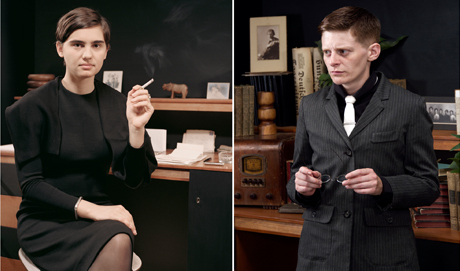
Seven women recite monologues composed from texts from the vibrant years of the Weimar Republic. A kind of cultural echo: an experience of histories brought to the present.