Infest – Jazzfinger
Jazzfinger
Lo-fidelity sheets of parinirvanic mangled tone get driven into oblivion by two longstanding gurus of the Northern England primitivist noise.
Arika have been creating events since 2001. The Archive is space to share the documentation of our work, over 600 events from the past 20 years. Browse the archive by event, artists and collections, explore using theme pairs, or use the index for a comprehensive overview.
Lo-fidelity sheets of parinirvanic mangled tone get driven into oblivion by two longstanding gurus of the Northern England primitivist noise.
In rethinking the body, the law, the state, gender, race, violence, care and empathy, how we might give humanness a different future?
Paul Sharits is one of our all time heroes, and one of the great artist filmmakers of the 20th Century.
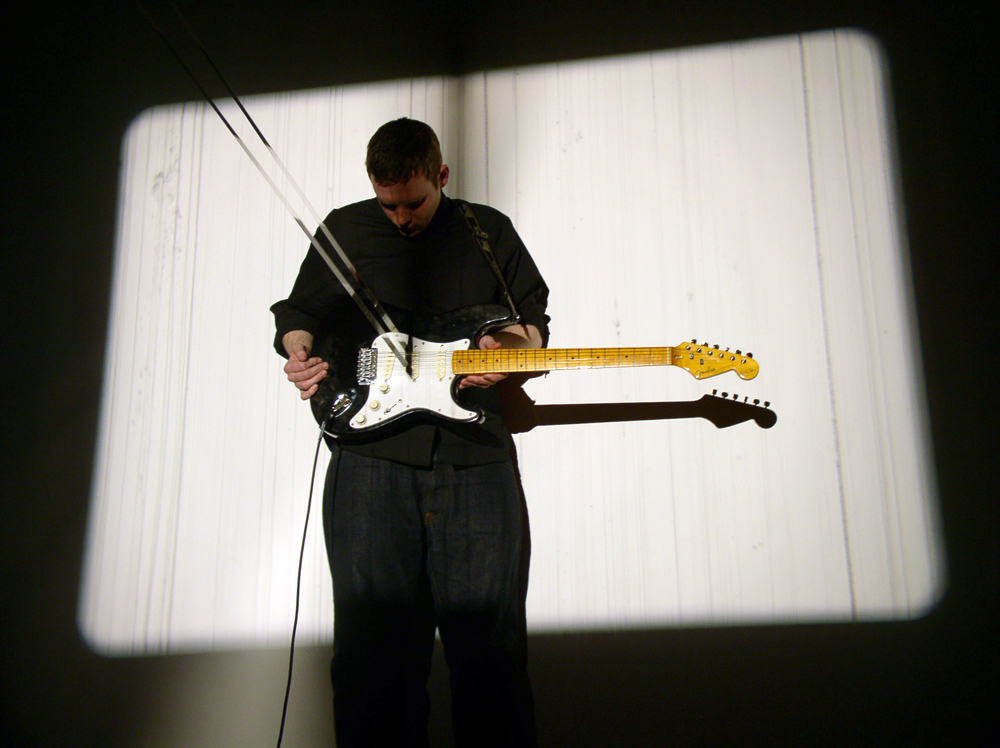
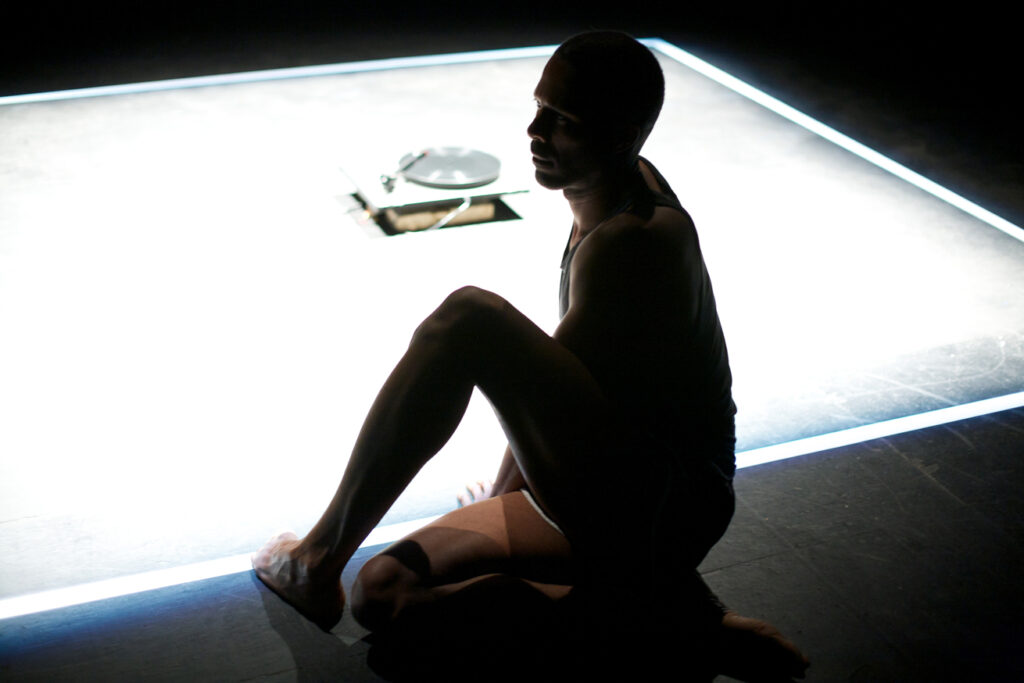
An original and beautifully simple performed installation forging a direct link between sound and image.
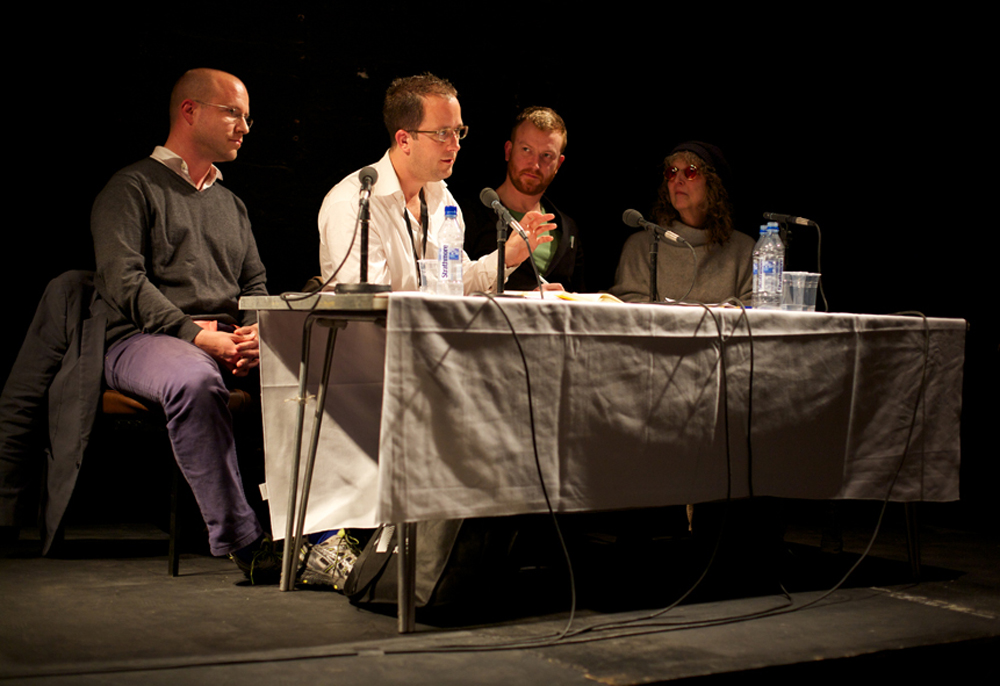
Ray and Thomas talking about how cognitive neuroscience is unlocking the physical basis of personal experience.
Radical transfeminism aims to hold the space for finding relations between the ruins of the everyday. Emerging from the debris, spaces for politics find form as poetics to carry understandings, actions and be/longings.
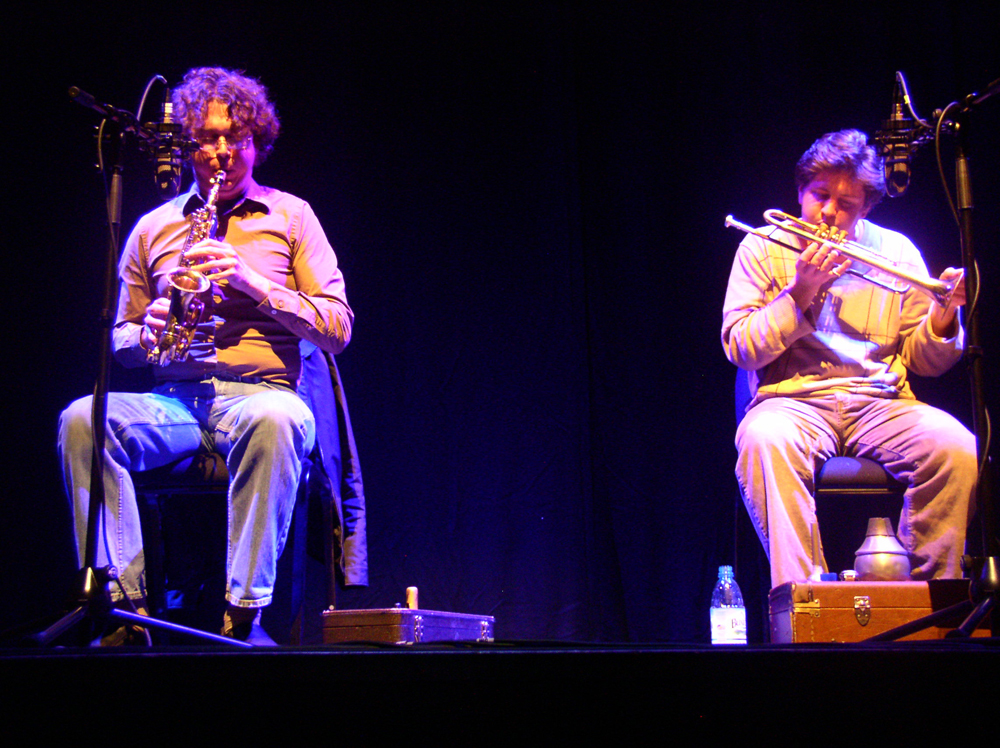
Boston duo of saxophonist Bhob Rainey and trumpeter Greg Kelley approach their improvisations with a slew if extended techniques and pregnant silences.
A slowed down single tracking shot along a corridor as workers at the Bath Iron Works, (Maine, USA) take their lunch break.
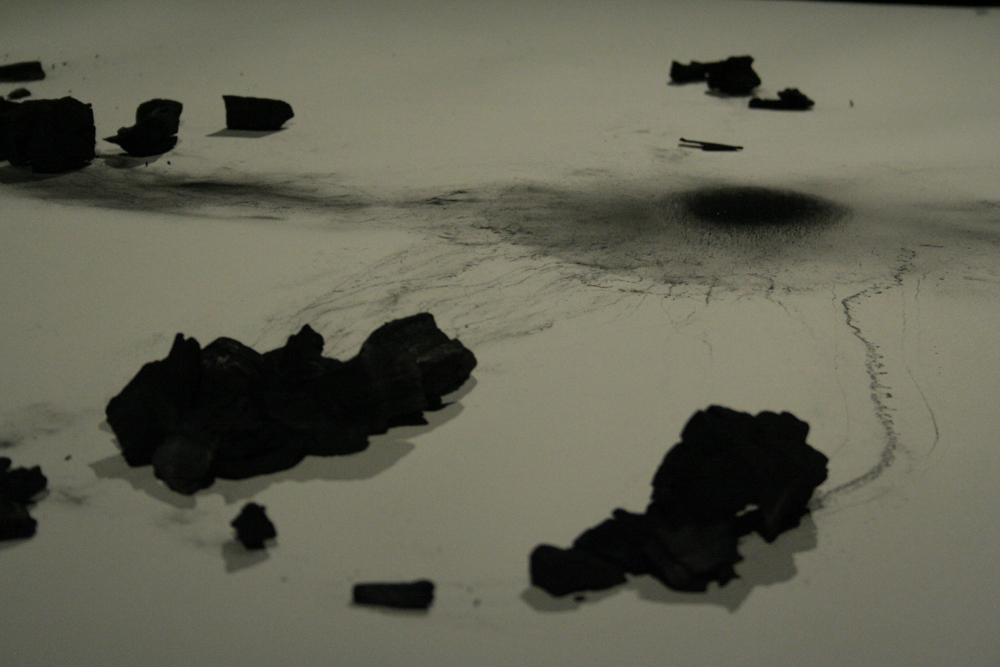
Laser beam sine tones used to draw delicate, abstract patterns by vibrating charcoal, placed atop of a great strip of paper running through the gallery; beautiful, fragile sound-created autonomous drawing.
Electronic music, time, thought, the word, and consecutive matters
When we look, how do we objectify the body; how can we reflect on our (self) image as a construction?
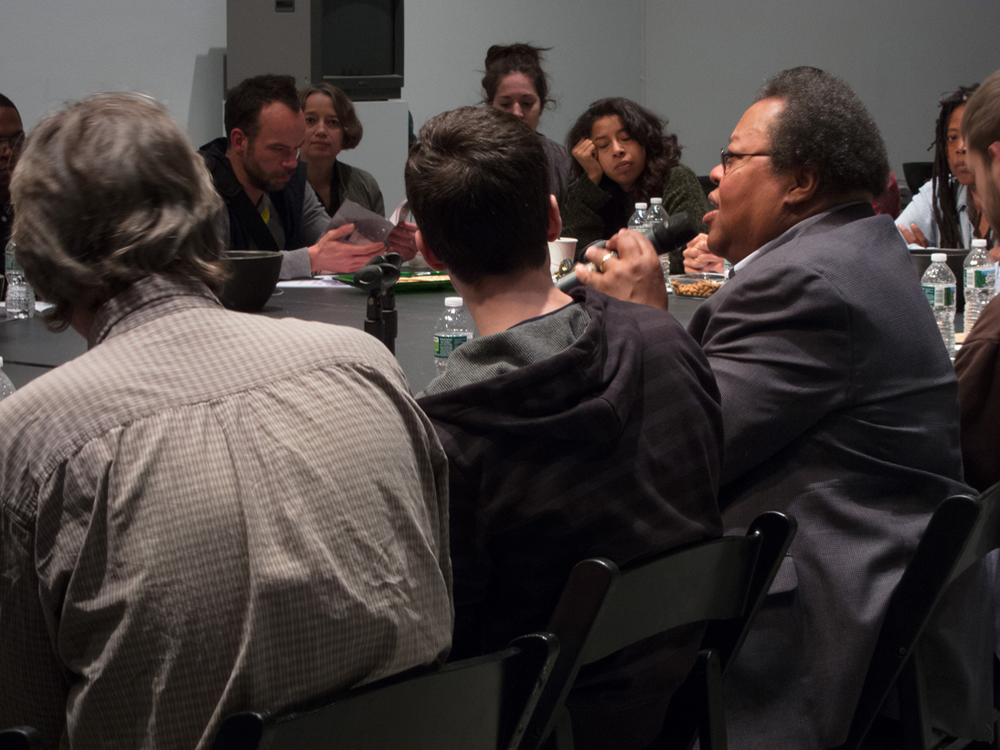
For day one of Ultra-red’s project, the investigation will take up protocols for listening to the sound of freedom composed and facilitated by George E. Lewis.