


16 May 2010
FACT
Craig Dworkin
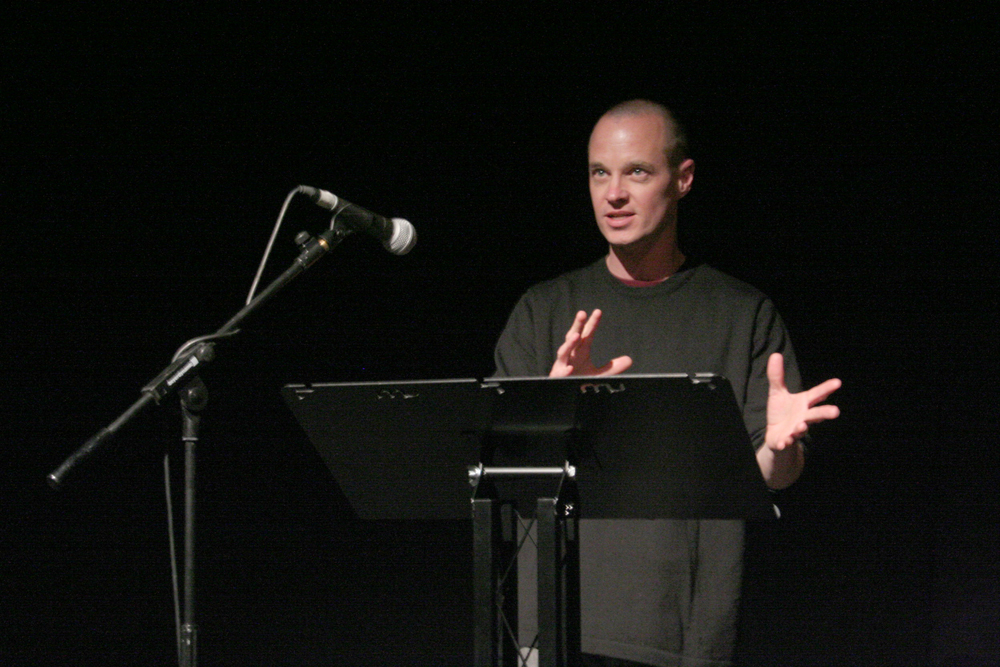
Dworkin asks: What would a non-expressive poetry look like? A poetry of intellect rather than emotion?
UNINSTAL
Arika have been creating events since 2001. The Archive is space to share the documentation of our work, over 600 events from the past 20 years. Browse the archive by event, artists and collections, explore using theme pairs, or use the index for a comprehensive overview.
Dworkin asks: What would a non-expressive poetry look like? A poetry of intellect rather than emotion?
Includes: street portraits of kids in 1930’s Dakota, a mysterious foggy pilgrimage, a swarm of time-lapsed consumers, a stereoscopic analysis of mill life, up close and personal in a Lighting Bolt mosh pit.
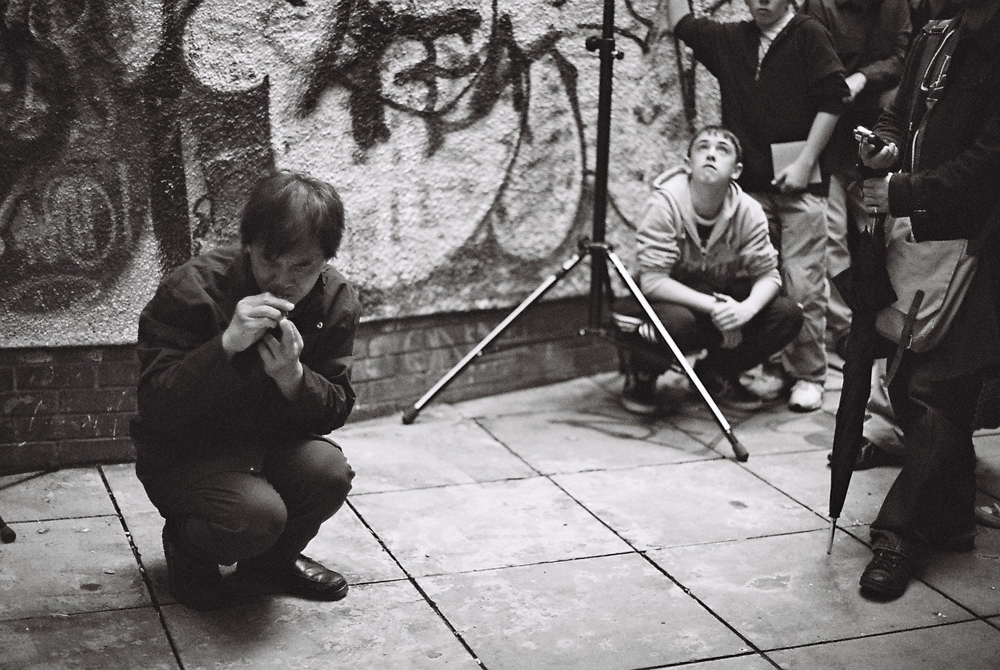
Location: between: the abandoned site of Parker House (ex-council office building) that became a student accommodation regeneration project, off the Dudhope roundabout; Bell Street Car Park entrance ramp and; the awkward (and otherwise used/ used otherwise) space left over between the back of Tesco’s and DW Sports on the Murraygate.
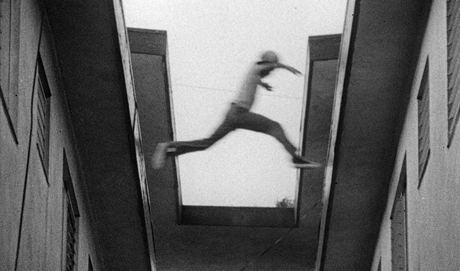
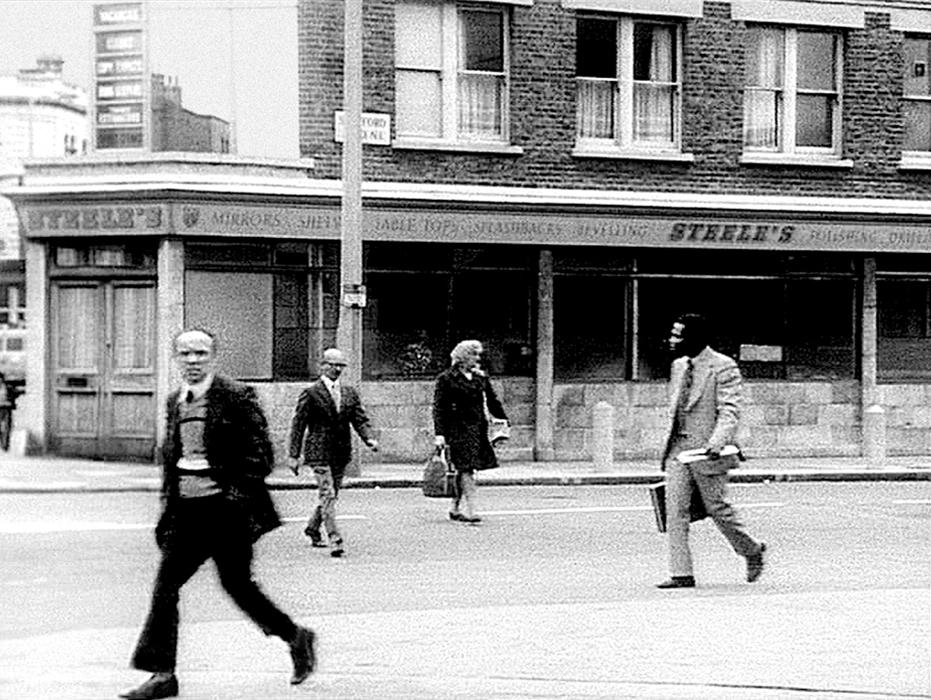
Killer of Sheep is an undisputed masterpiece of African-American filmmaking and one of the most poetic, perceptive dramas ever made about family and community.
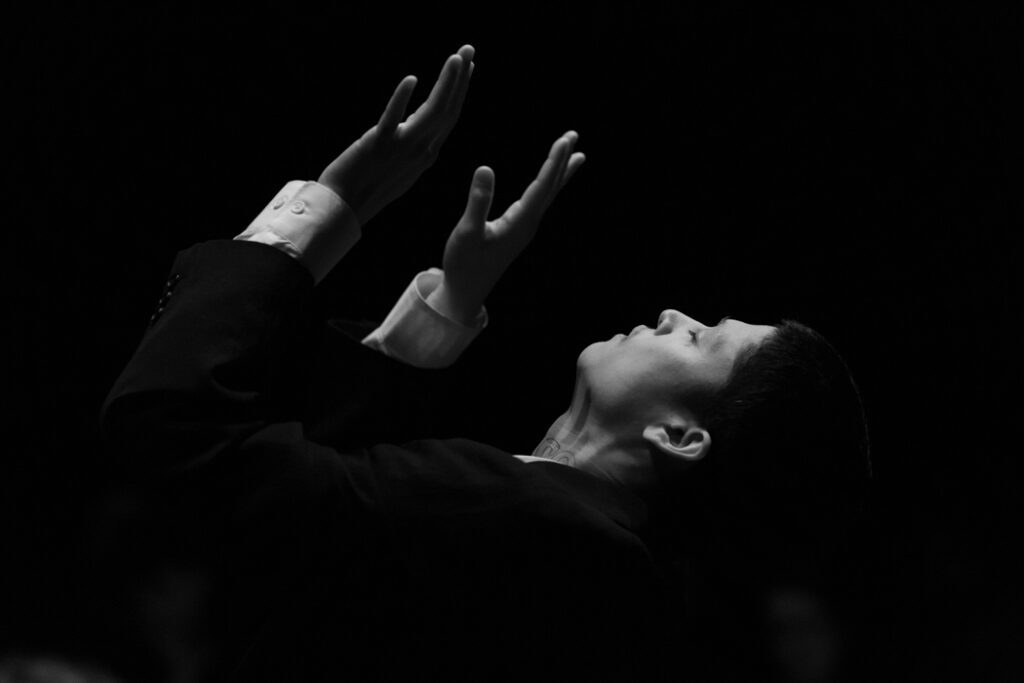
“Hidden in the hands an alluvial transcription of reach and embrace. The final flickers of the body’s expression, caress and touch.” – boychild
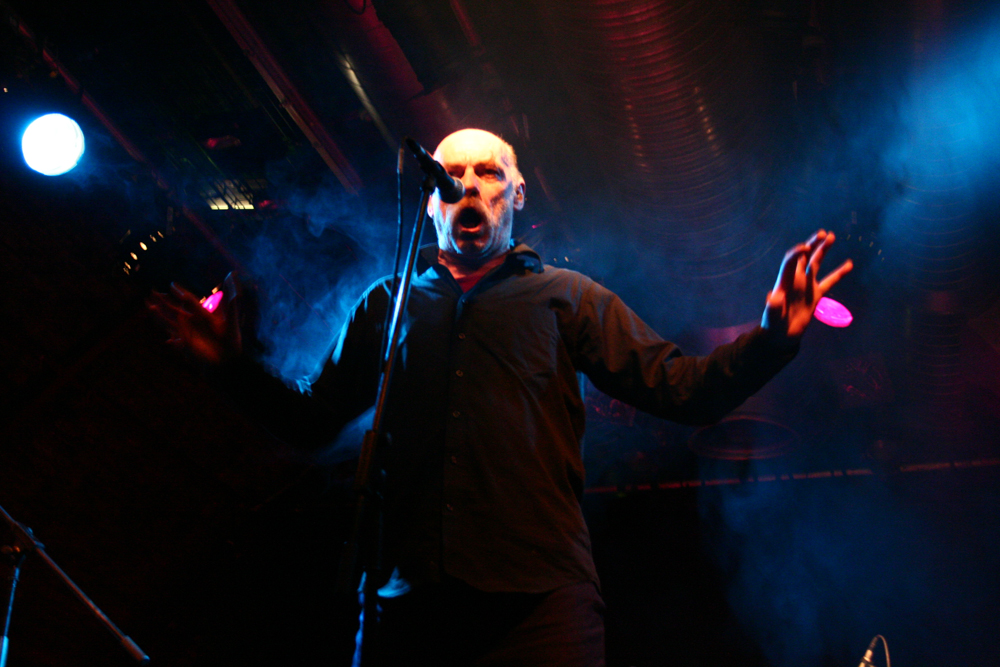
Blood Stereo & Ludo Mich: linking past and present generations of DIY intuitive expression in a post fluxus ‘big mess’.
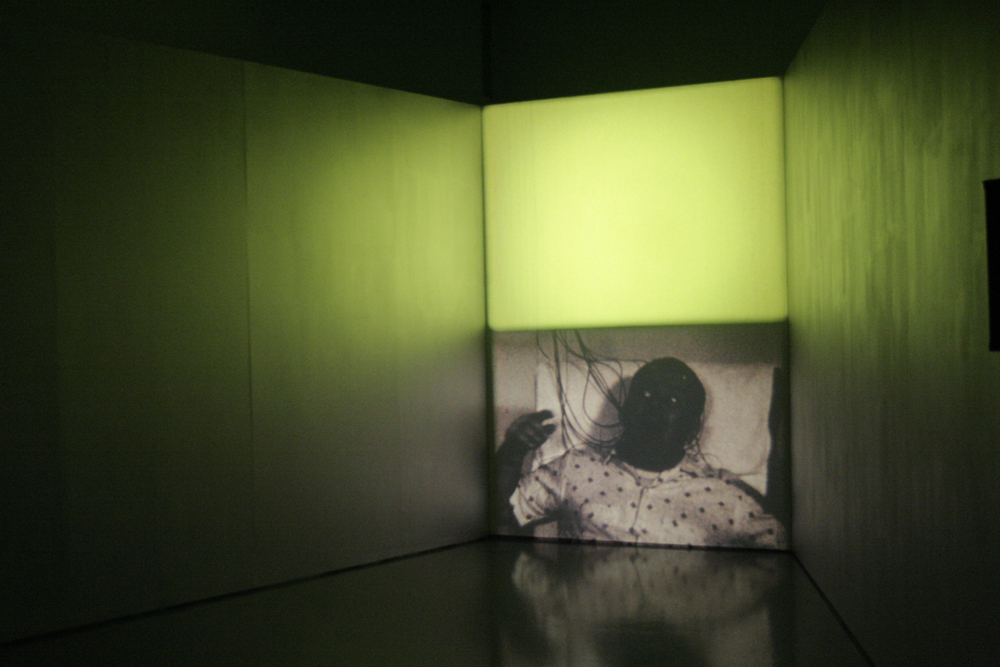
Paul Sharits one of the great experimental, sometimes called structuralist / materialist, filmmakers of the 20th Century.
Discussion with David Keenan: an author, critic and musician based in Glasgow, Scotland. He is best known for the reviews and features he has contributed to The Wire.
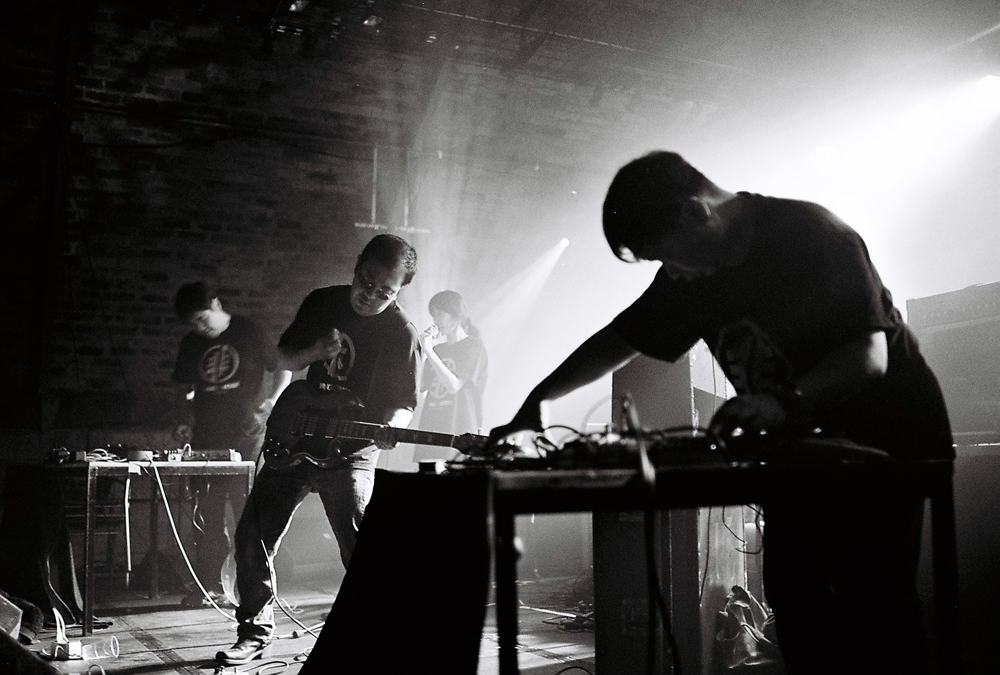
Hijokaidan rapidly built a following due to the overwhelmingly physical intensity of their live performances, often involving destructive onstage rituals of vomit, urine, mangled guitars and ear shredding volume.
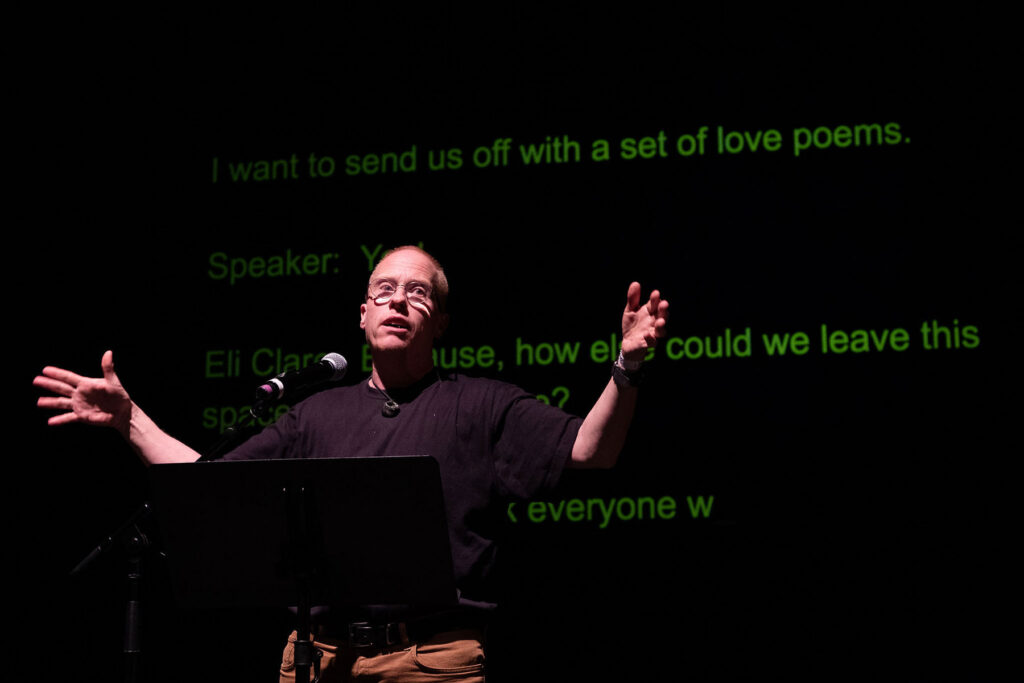
Poems are kisses, fists, and underground rivers. For all these reasons and many more, I am a poet.
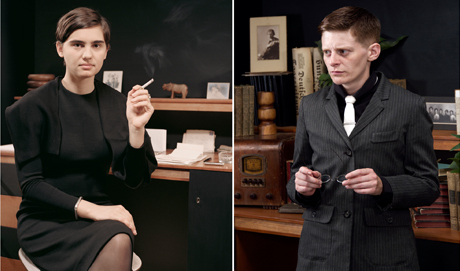
Seven women recite monologues composed from texts from the vibrant years of the Weimar Republic. A kind of cultural echo: an experience of histories brought to the present.

How do you know what you want? Should freedom be doing what you ought, not doing what you want? How might a philosopher and artist turn this thinking into an enabling condition in the context of noise and improvisation?