Icon’s Lunch
Various Artists
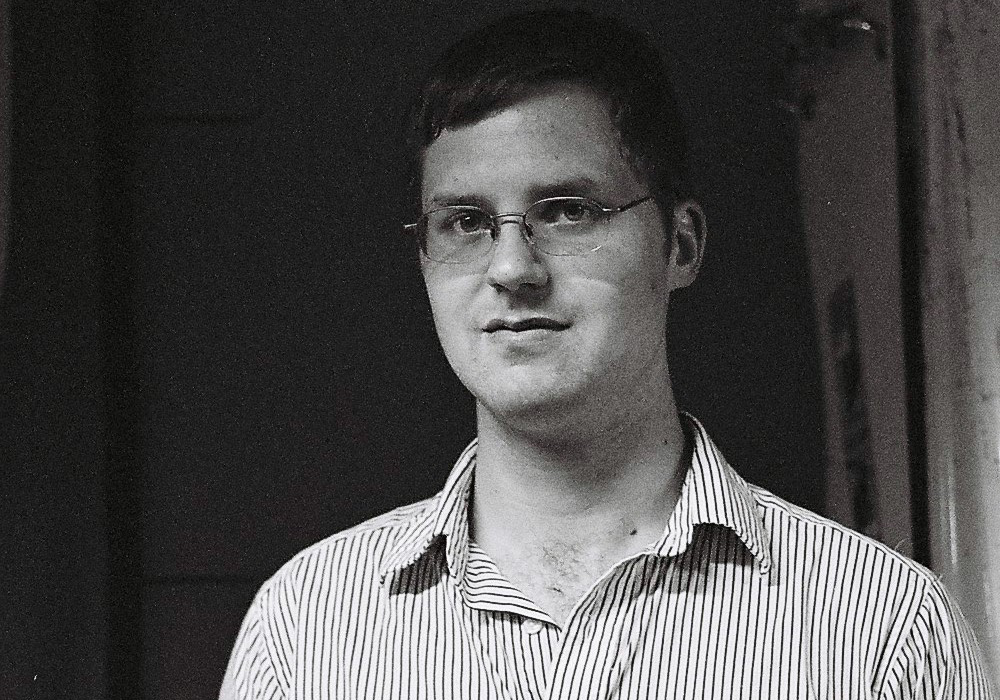
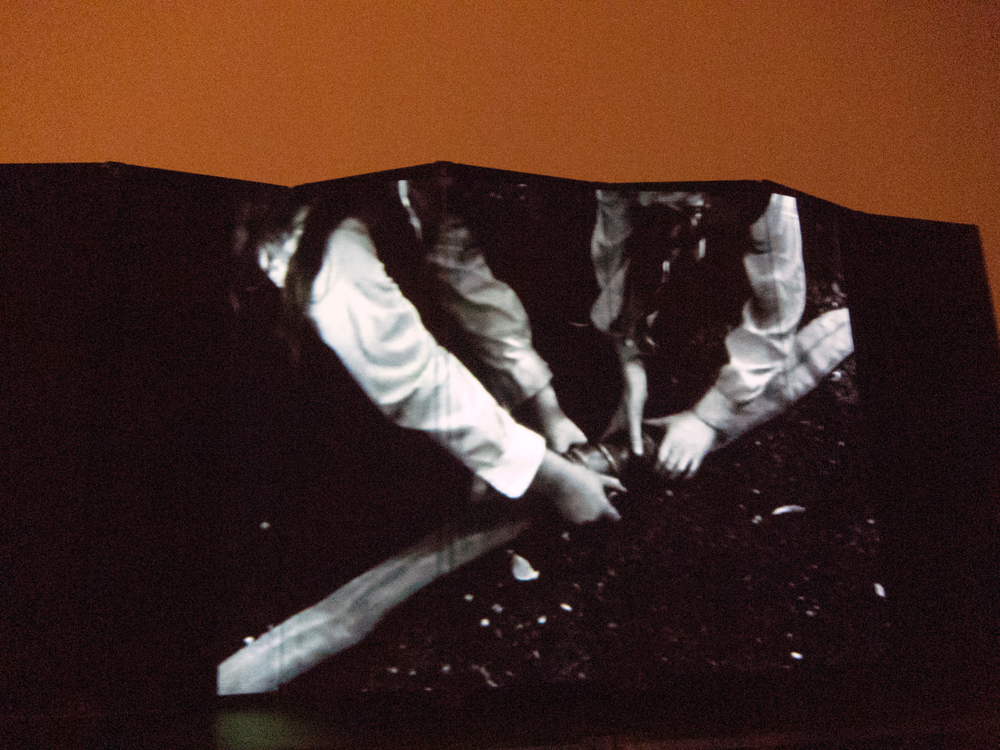
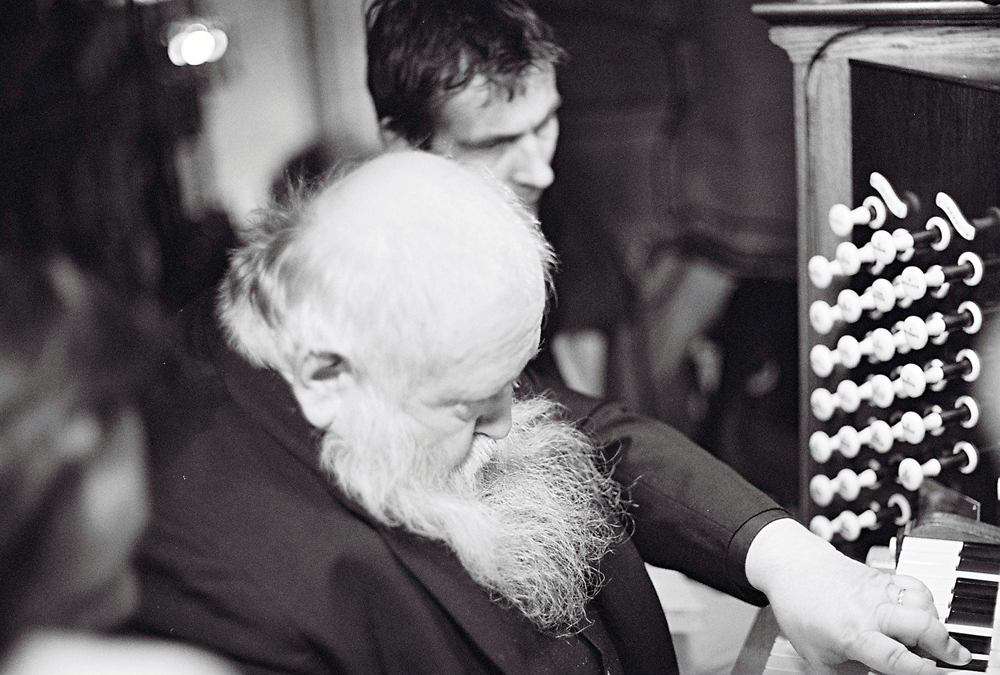
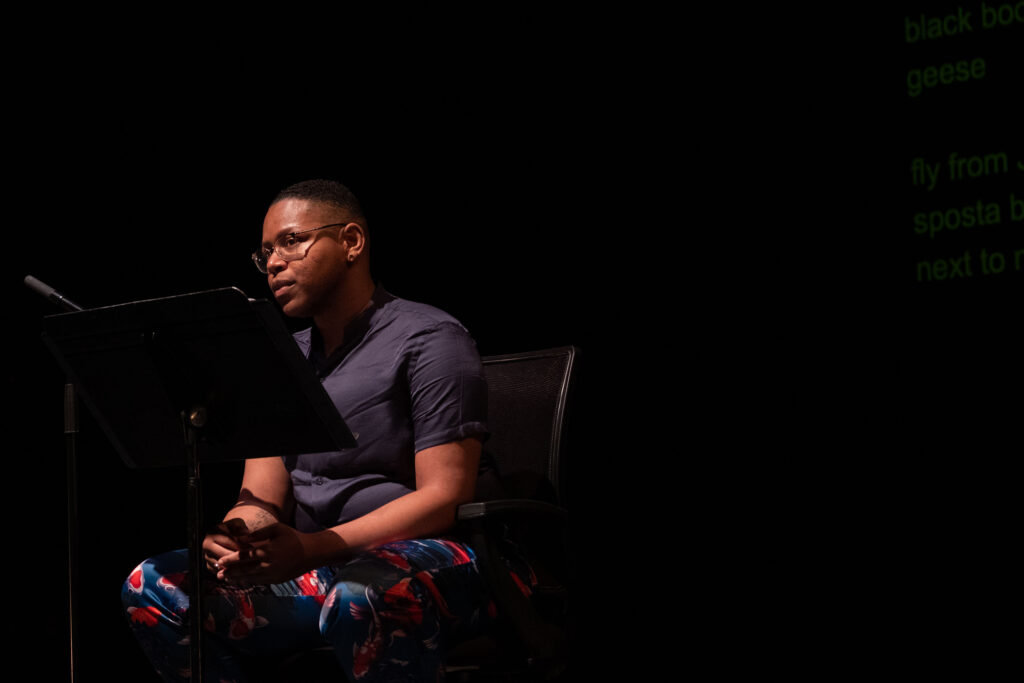
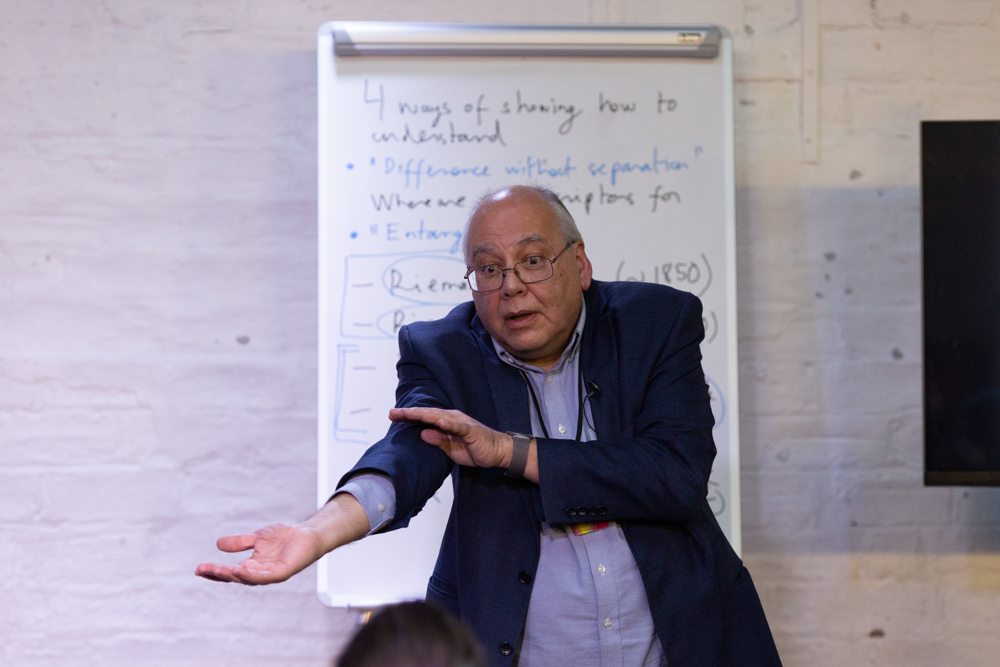
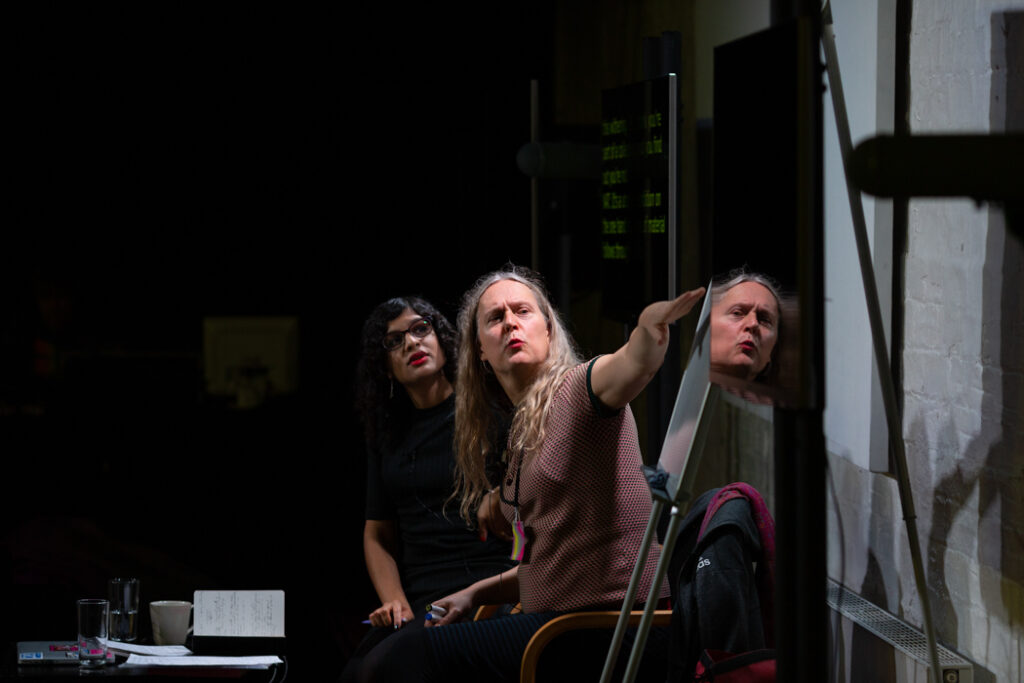
This event honoured those individuals who achieved the status of Icon during the period of 1986-1990.
Arika have been creating events since 2001. The Archive is space to share the documentation of our work, over 600 events from the past 20 years. Browse the archive by event, artists and collections, explore using theme pairs, or use the index for a comprehensive overview.
This event honoured those individuals who achieved the status of Icon during the period of 1986-1990.
One of the most compelling Indigenous voices of her generation discusses practices of Indigenous Resurgence drawn from Nishnaabeg poetic knowledge.
Former street performer, organist, performance artist, circus performer, harpist, accordion player, tree surgeon and tricyclist performing solo.
Intriguing, underground, Berlin based musicians interested in the borders between music and theatre, language, the visual arts, politics.
Akio Suzuki and John Butcher performing by the Stones of Stenness, instead of the Ring of Brodgar, because of bad weather.
“I am truly without faith. In a media marketplace that demands soulness, I can only offer soulnessless.”
The ongoing development of [b]reach, an abolitionist black queer retelling of Marge Piercy’s incredible feminist utopian novel Woman on the Edge of Time.
Duo performance by two great French musique concrète improvisers using feedback, contact mics, tape, an old Revox tape machine, a vintage synth…
Two figureheads of the minimalist electronica pulse, Ikeda and Nicolai have been responsible for some of the most innovative and ground-breaking music of the last decade, redefining experimental electronica.
How do grassroots feminist organisations strategise relationships between mothers, parents, carers and their children based on respect and empowerment, in resistance to the practice of putting children in often the most uncaring of places – care.
Akio Suzuki and John Butcher performing in a large multi chambered industrial ice house.
Final workshop exploring work, care and class. Does the ‘care industry’ summon forth its own class? Can this ‘affective class’, in their ability to care for others, militate against the carelessness of self-interest?