Queer Liberation: No Prisons, No Borders
Dean Spade Hope Dector Tourmaline
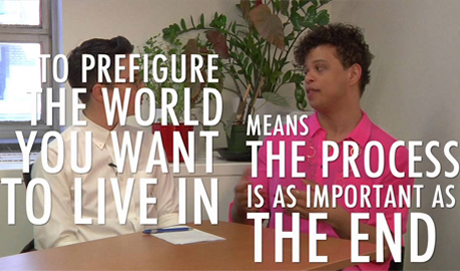
A crash-course in pre-figurative, radical, queer, anti-racist, anti-police, anti-prison, anti-deportation abolitionist politics and trans-resistance.
Arika have been creating events since 2001. The Archive is space to share the documentation of our work, over 600 events from the past 20 years. Browse the archive by event, artists and collections, explore using theme pairs, or use the index for a comprehensive overview.
A crash-course in pre-figurative, radical, queer, anti-racist, anti-police, anti-prison, anti-deportation abolitionist politics and trans-resistance.
What’s the best way to spend time with a musician when they visit a city to perform? And when the musician in question has a great deal to say, what sort of concert do you organise to do justice to that?
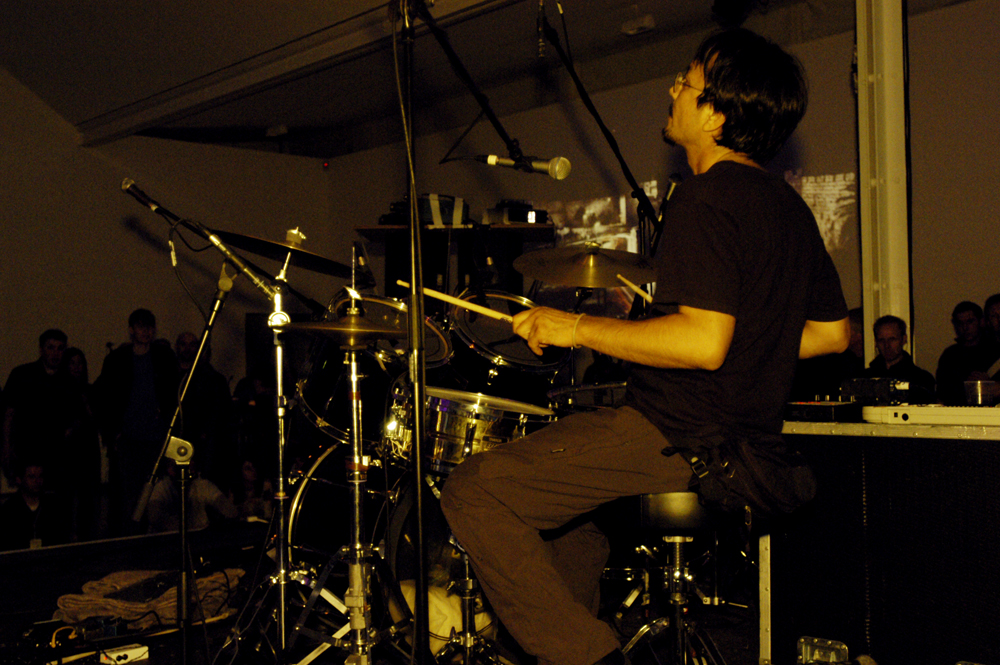
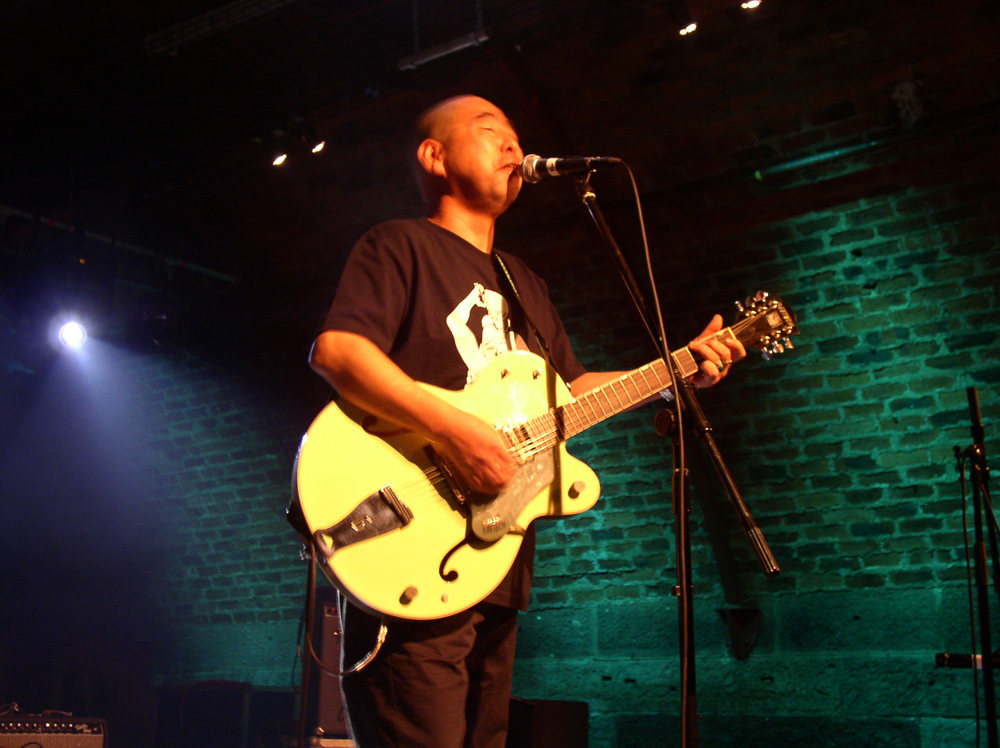
Giants of the Japanese avant-rock scene Ruins are a hardcore prog rock bass + drums duo led by drummer extraordinaire Tatsuya Yoshida and joined in Dundee by Sasaki Hisashi.
Open-ended, paradoxical and performed investigations into: misunderstanding, language games, form saturated with sense, and consecutive matters…
Part old-fashioned Renaissance man, part hardcore avant-gardist, the Canadian painter-photographer-filmmaker-musician gives full vent to his genius in the exhilarating perceptual vaudeville, named after the ‘central region’ of tissue that acts as a conduit between the brain’s two hemispheres.
A voice that can vault from an elegantly whispered insinuation to asphyxiated and murderous barks or squalls in a heartbeat.
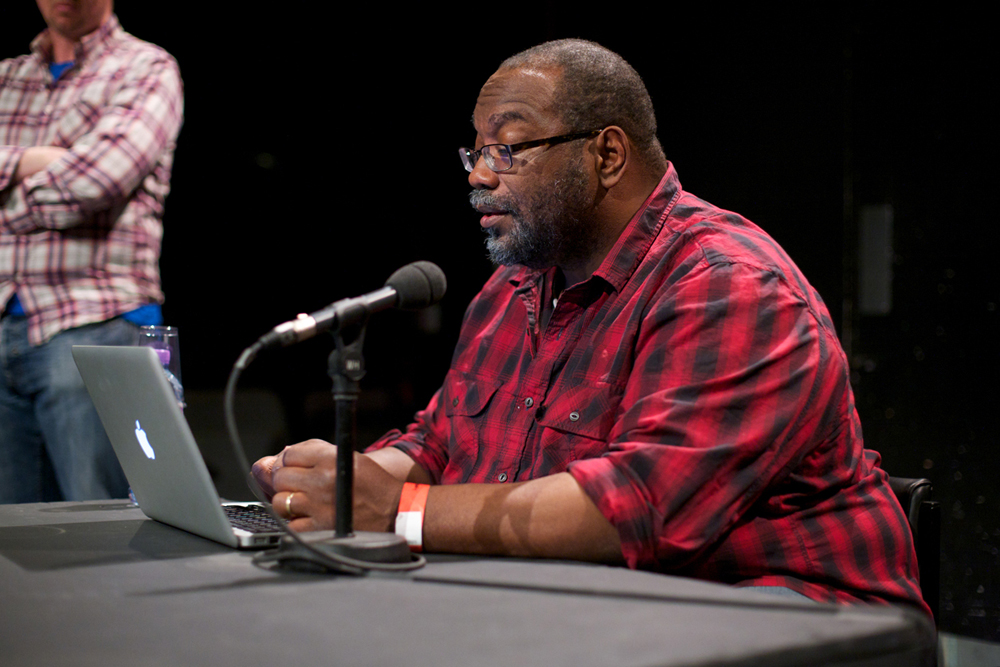
In many ways, this Episode is our attempt to engage with Fred’s incredible writing: with his proposal that all black performance (culture, politics, sexuality, identity, and blackness itself) is improvisation.
A performed filmic conversation on queer and black world making.
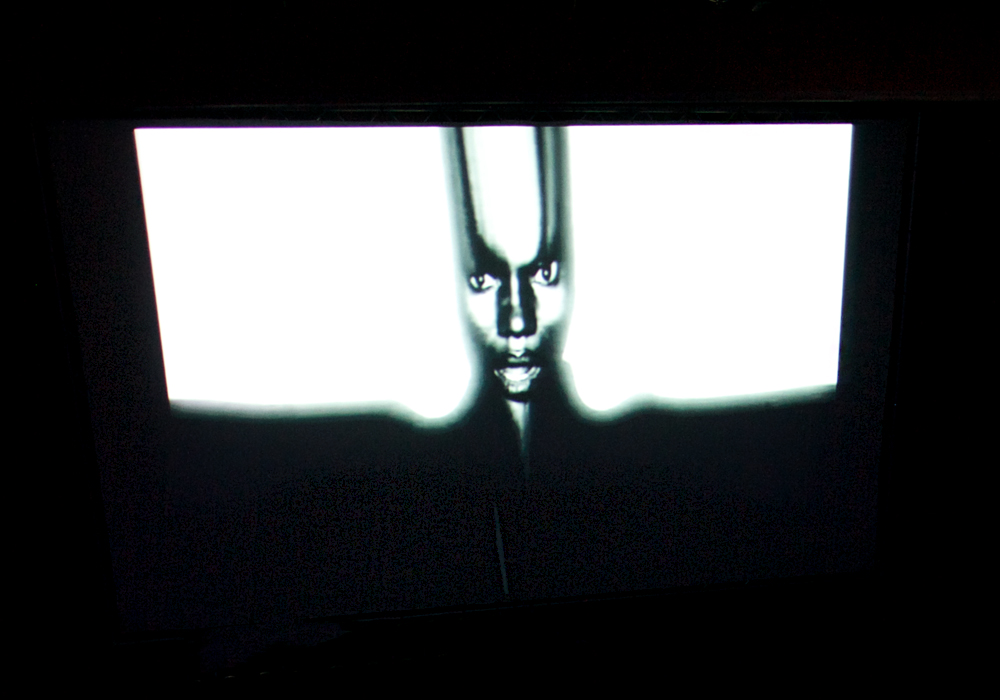
Paul Sharits’ Shutter Interface is a multi screen installation born of an intent to reveal the material substance of cinema in its purest form: spatially.
Recently rediscovered but still very pertinent, Kino Beleške presents a series of speech acts and performative gestures by protagonists of the new artistic practice in former Yugoslavia: each a personal take on the role of art in society.
A collaborative duo performance, Anoyonodekigoto sets up a sort of negotiation between a musician, a dancer, the audience and the space we’re all sharing.
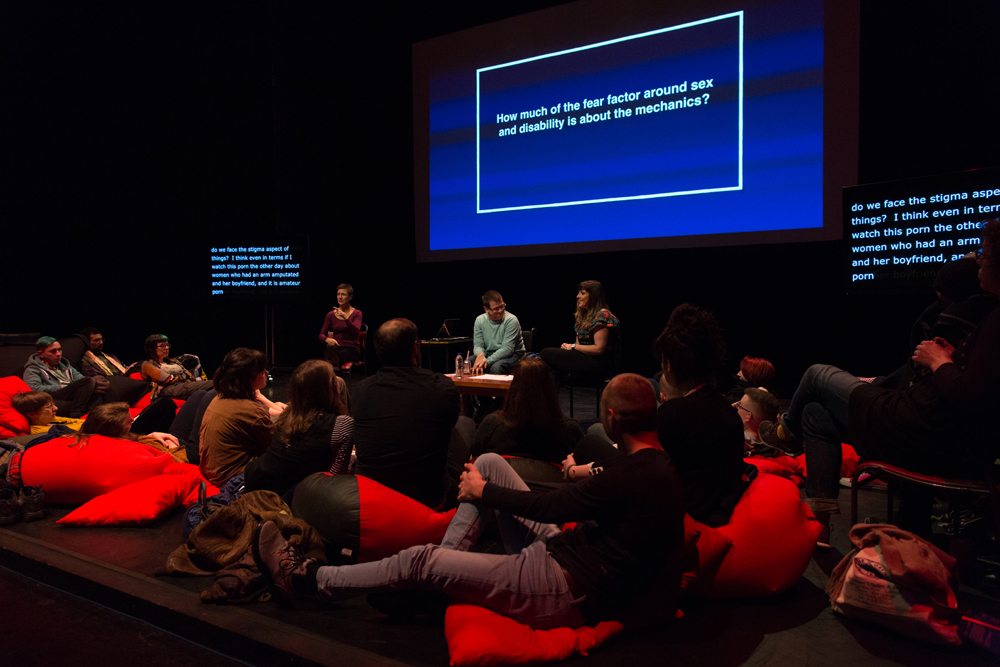
How do people living with disability see themselves in today’s sexualised culture? How do we imagine our crip sexual selves despite society wanting to reduce us to non-erotic bodies?