Investigation – Christof Migone
Christof Migone
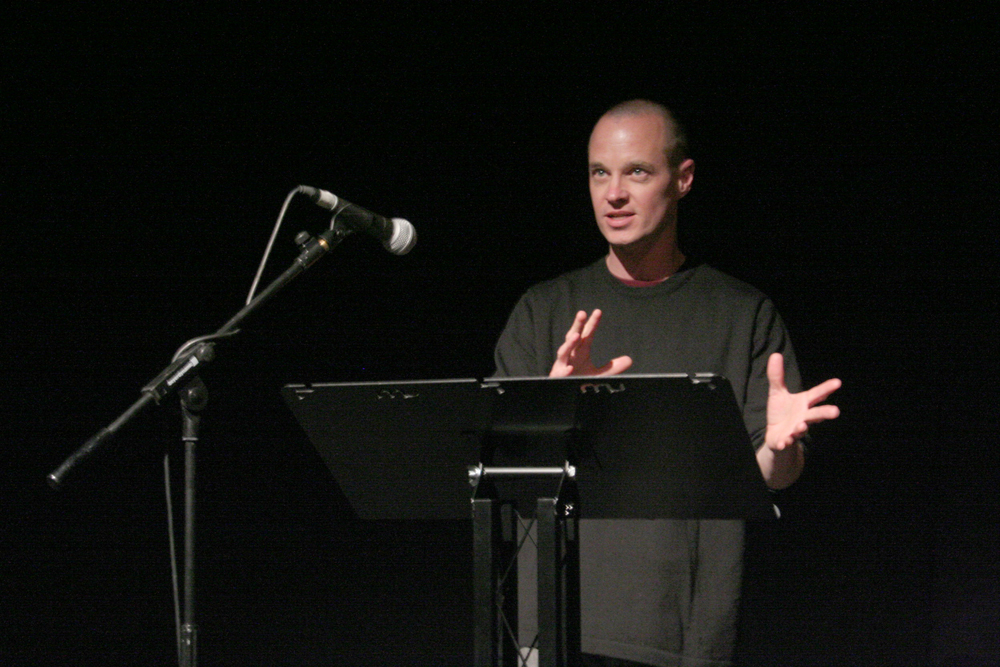
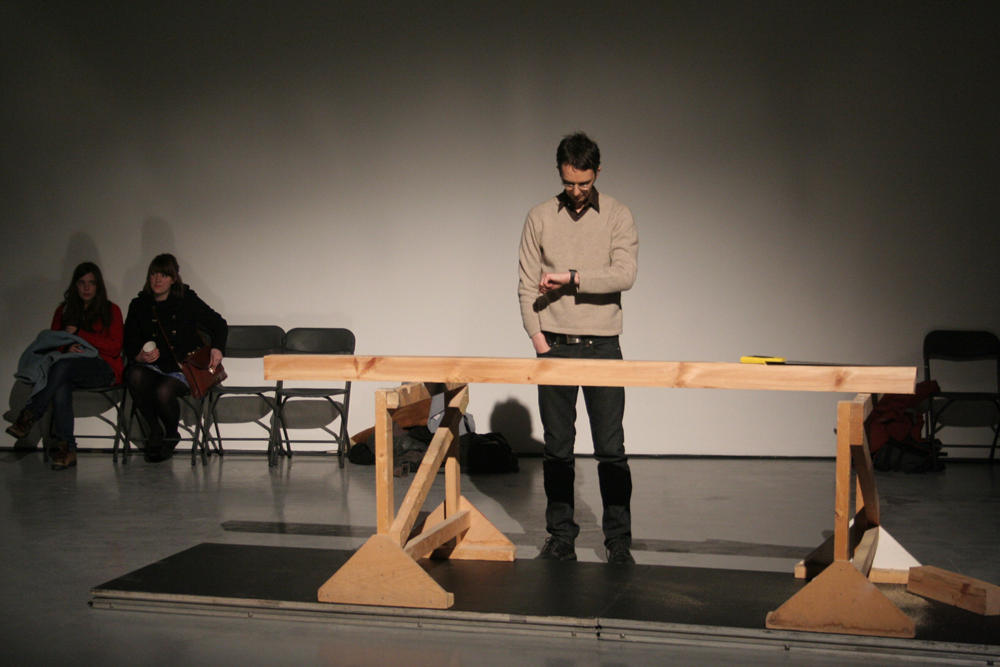
Can we use sound, repetition and difference to personally and collectively engage with space, time and labour?
Arika have been creating events since 2001. The Archive is space to share the documentation of our work, over 600 events from the past 20 years. Browse the archive by event, artists and collections, explore using theme pairs, or use the index for a comprehensive overview.
Can we use sound, repetition and difference to personally and collectively engage with space, time and labour?
A Festival supporting the struggle for Sex Workers’ Rights: share knowledge, discuss, dance and strategise!
Julius Eastman’s Evil Nigger for 4 pianos performed by Joe Kubera, Kate Thompson, David Murray, Alan Fearon and Simon Passmore.
Nothing if not repetitive, film is founded on the incremental succession of minute difference. But how does repetition of the same play out, and is it a tool to comment on the standardising repetition of the mass media?
Dworkin asks: What would a non-expressive poetry look like? A poetry of intellect rather than emotion?
A carefully thought out, simple but rich performance using just a turntable, teach yourself foreign language LP’s, the impeccable timing of a percussionist, and an idea.
How can we imagine bodies not as an end in themselves, but as a medium through which we can become one another’s means?
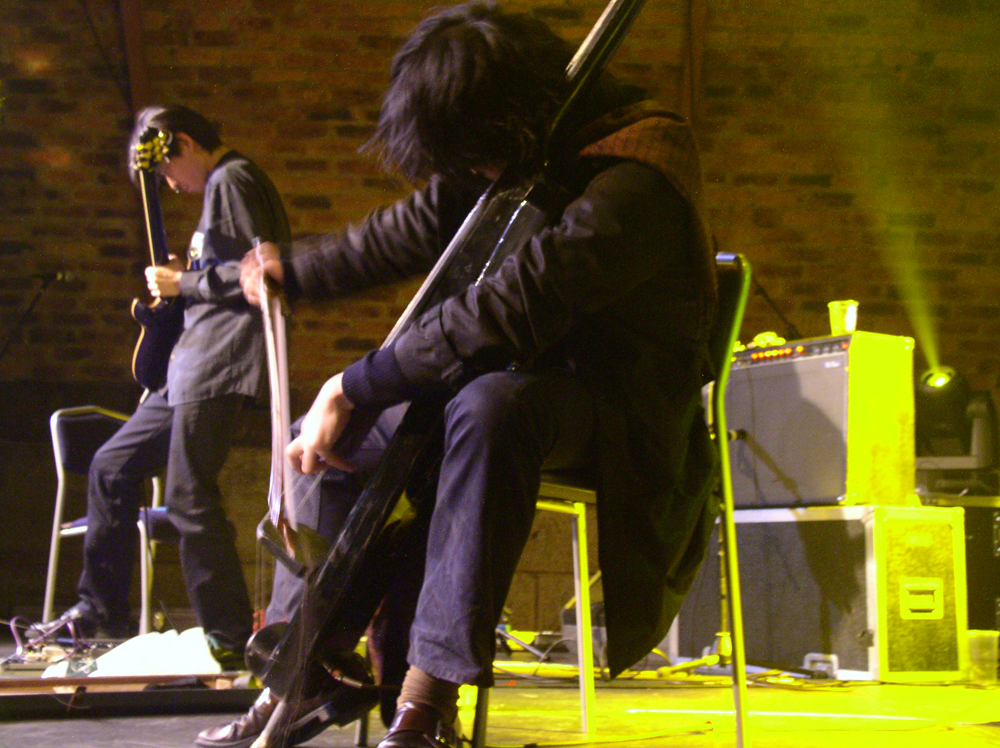
The Experimental Improvisers Association of Japan, [EXIAS-J] are a loose collective of musicians and dilettantes who seem to represent an entire and self sufficient scene in one band.
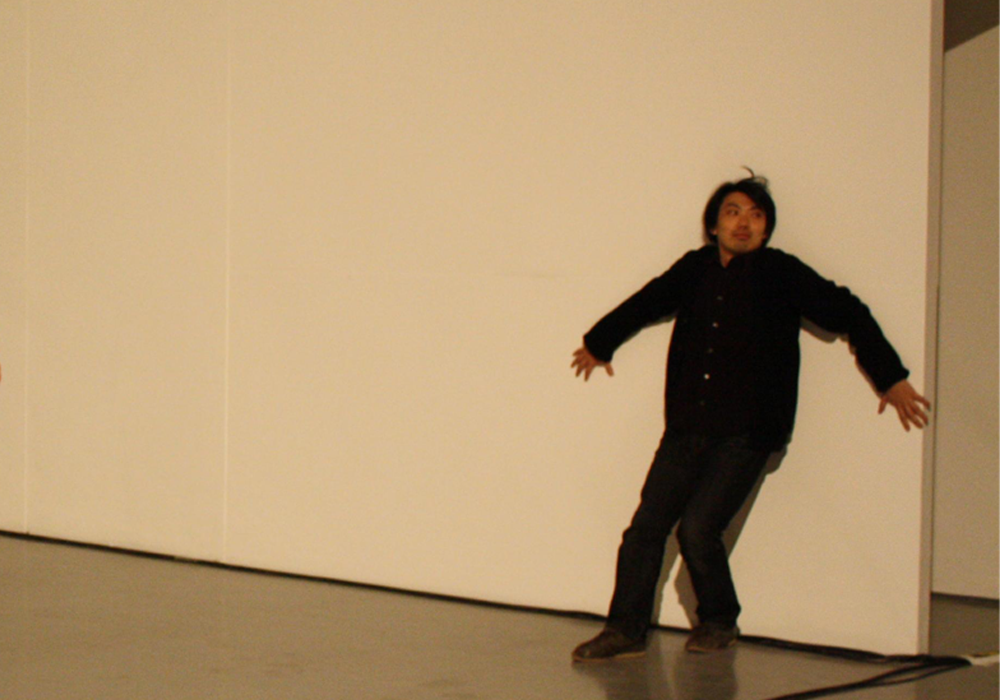
With Taku we’ll carry out some simple proposals for doing almost nothing, for re-thinking sound with whatever comes to hand.
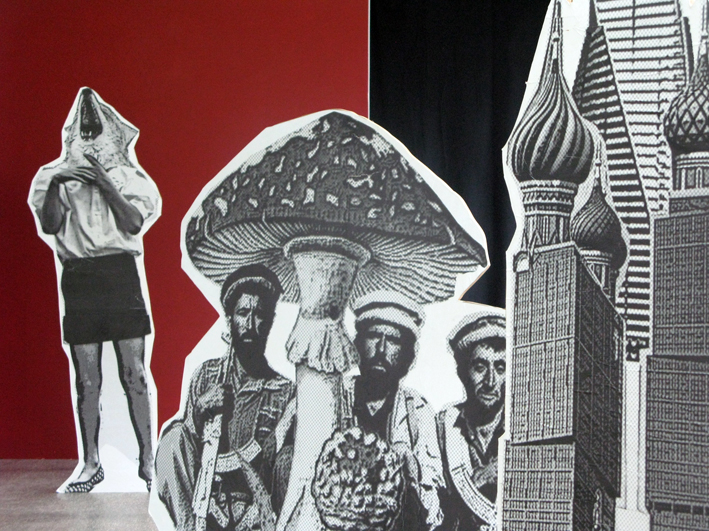
A spectacular musical show which discusses the representation of a nation state, its characters and history. A learning play on myth construction and its reproduction.
Arika is proud to be one of several arts organisations in Scotland supporting the commissioning of a radical new manifesto, by and for disabled artists working in Scotland.
How do grassroots feminist organisations strategise relationships between mothers, parents, carers and their children based on respect and empowerment, in resistance to the practice of putting children in often the most uncaring of places – care.