Episode 5: Hidden in Plain Sight
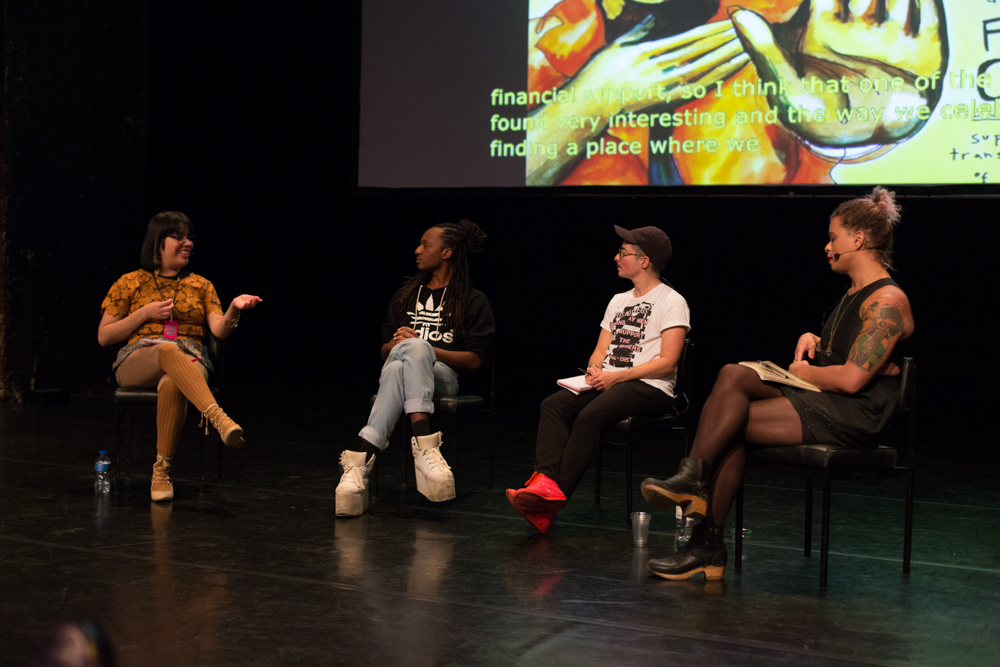
Voguing, drag, clubbing, and the politics of communities making different performances of gender and sexuality visible.
Arika have been creating events since 2001. The Archive is space to share the documentation of our work, over 600 events from the past 20 years. Browse the archive by event, artists and collections, explore using theme pairs, or use the index for a comprehensive overview.
Voguing, drag, clubbing, and the politics of communities making different performances of gender and sexuality visible.
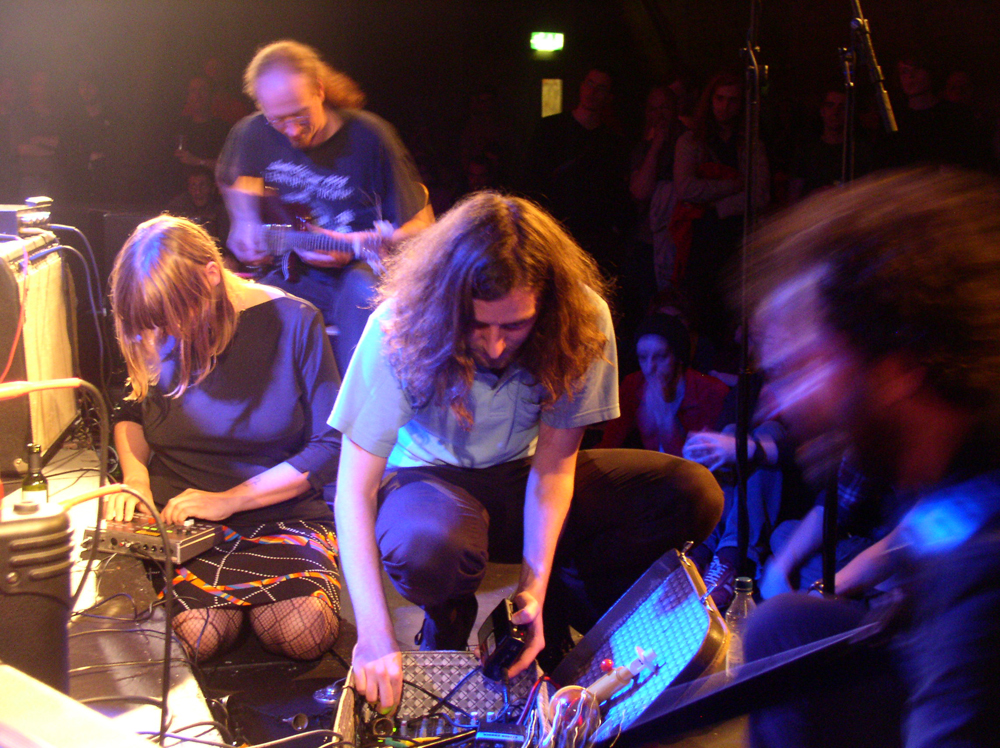
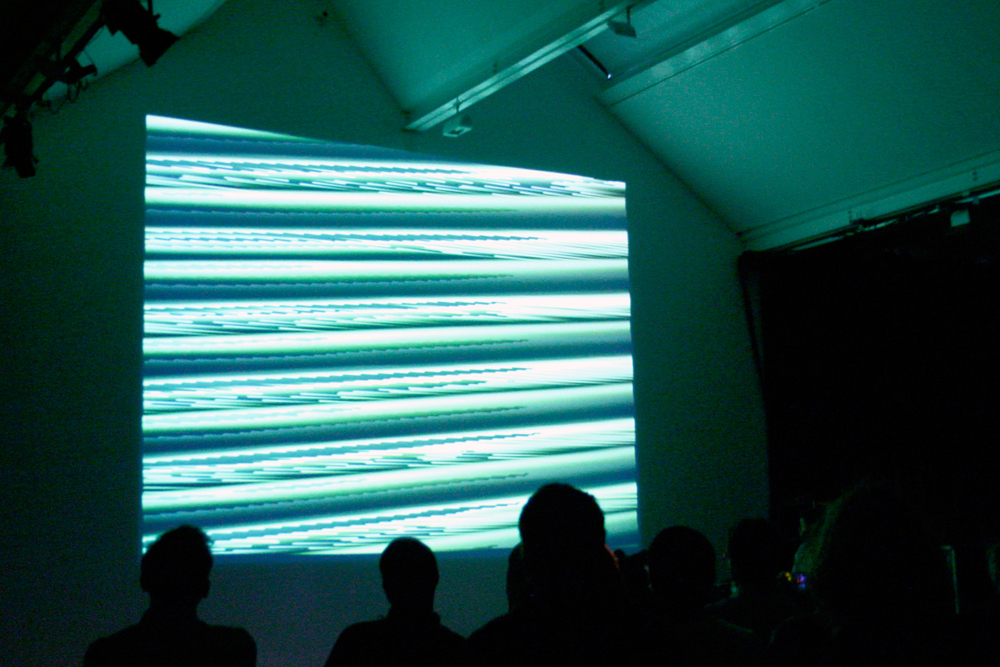
AVVA sees the internal feedback of Toshi’s no-input mixing desk is fed to Billy, and transformed into bright and variegated patters, striations and blooming colour, before being fed back to Toshi and manipulated on route to the PA.
Is there a link between the ways we’re caged and exiled by the prison-industrial complex and the ways people’s bodies are violently categorised and segregated by race, class, gender or ability?
A life force of ecstatic clarity capable of loquacious bursts of affirmation.
A 3-day exploration – through performance, screenings and discussion – of the art and politics of wayward communities who refuse to be bound by the fictions of race and sex.
The ongoing development of [b]reach, an abolitionist black queer retelling of Marge Piercy’s incredible feminist utopian novel Woman on the Edge of Time.
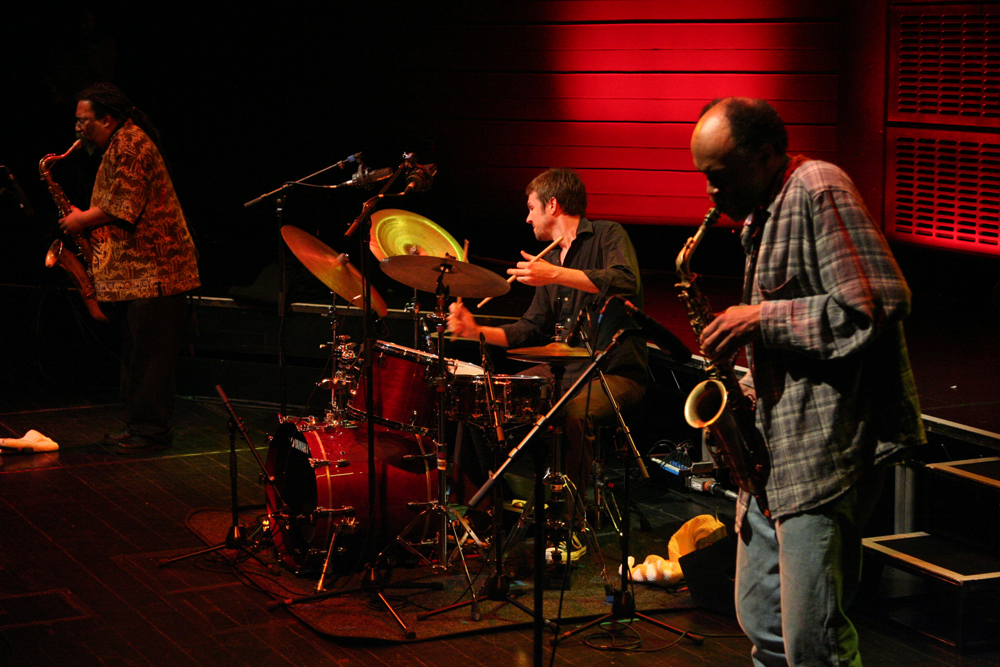
Daniel Carter & Sabir Mateen’s trio with percussionist Andrew Barker; incessantly driving forward through sweat-drenched bursts of pure ecstatic freedom.
Taking our festivals south of the border to The Sage Gateshead we set out to offer a few cardinal pointers in the vast array of experimental music practices.
Each organ is unique. The project is to find out what makes it unique.
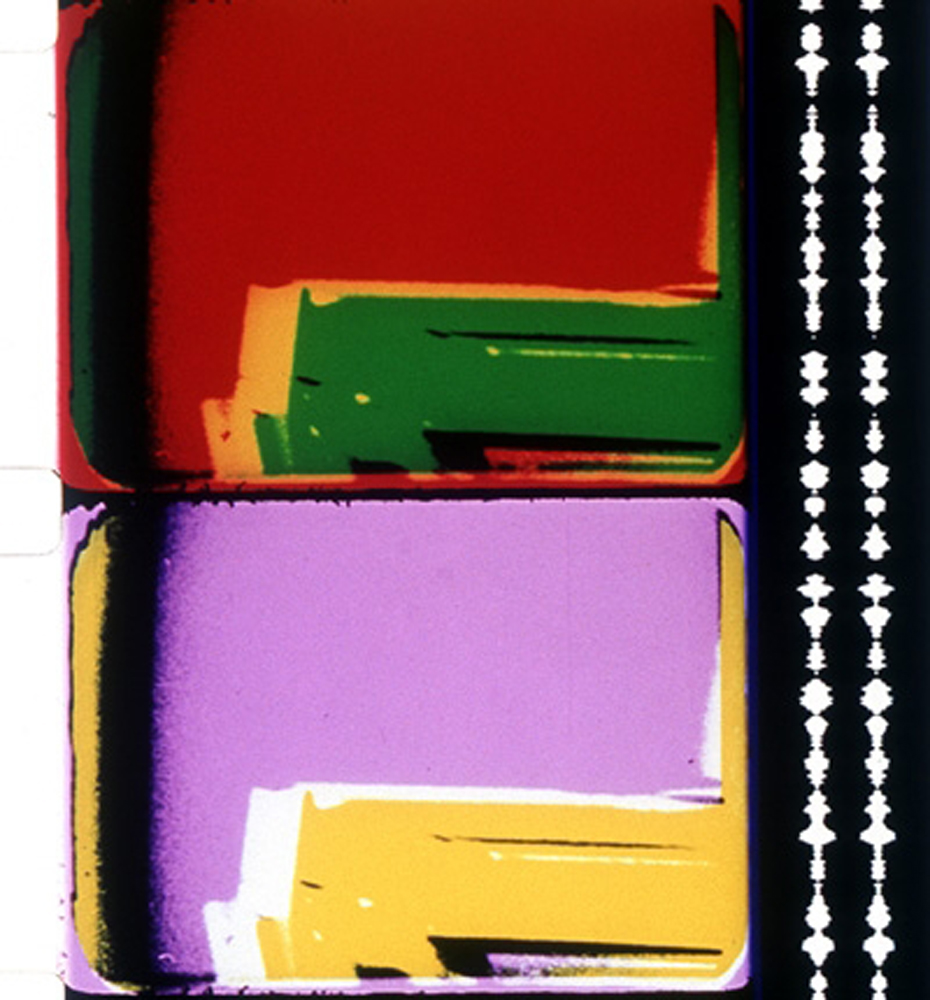
This programme takes human subjects as the focus for sound and image construction. And it includes a couple of masterpieces of experimental film: Paul Sharits’ deeply empathetic interpretation of epilepsy and Peter Kubelka’s Webern inspired abstract portrait of Arnulf Rainer.
How does this practice, that simultaneously resists and honours the distinctions between these genres, materials and senses, determine the inhabitation of another: a convergence of aesthetic and social experimentation?
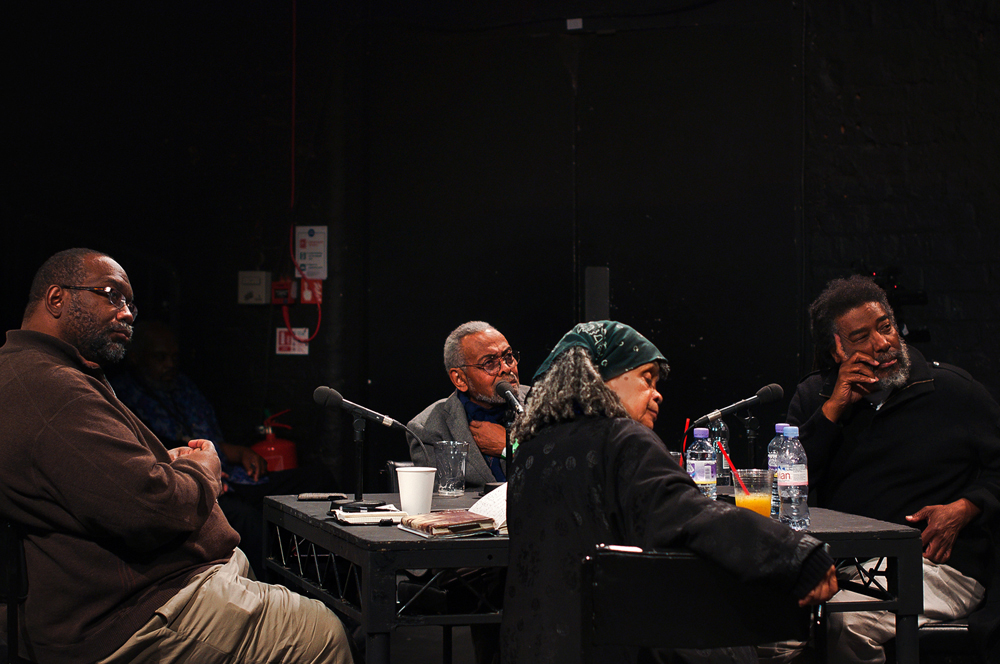
A conversation between Philip and Moten: how do we read NourbeSe’s anti-narrative poetic lament in Glasgow today, given the city’s role in the history of slavery?