Charles Curtis & Raha Raissnia
Charles Curtis Raha Raissnia
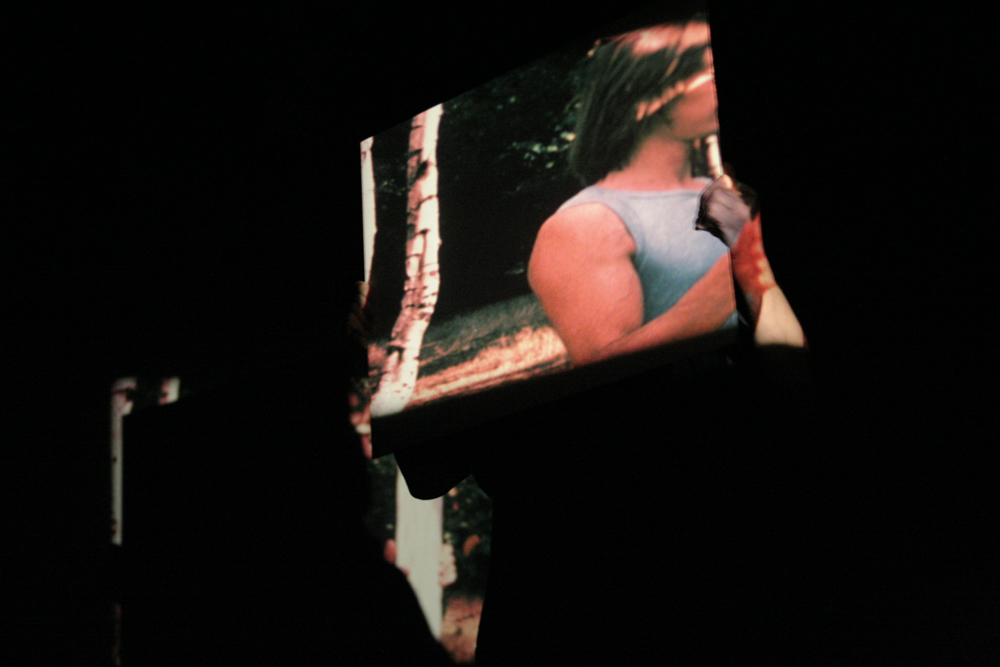
A beautifully crisp, slowly evolving duo for cello and projected images. Abstract but still figurative; change only noticeable after the fact.
Arika have been creating events since 2001. The Archive is space to share the documentation of our work, over 600 events from the past 20 years. Browse the archive by event, artists and collections, explore using theme pairs, or use the index for a comprehensive overview.
A beautifully crisp, slowly evolving duo for cello and projected images. Abstract but still figurative; change only noticeable after the fact.
MICRO 1 – Wrap a live microphone with a very large sheet of paper. Make a light bundle. Keep the microphone live for another 5 minutes. T. Kosugi – (1961)
All ticket income goes directly to We Will Rise – a group of migrants, refugees, asylum seekers and their allies who have come together to End Immigration Detention in the UK.
An open conversation around the history and practices of the Ueinzz Theatre Company – a radical Brazilian schizoscenic theatre company of carers, so-called psychotic patients and philosophers.
An utterly deep introspection told in aching, weeping guitar lines; melodic, simple, always minimal but somehow entirely epic.
Music is full of refracted brass and wind tones, distorted tape loops, dead silent air and the occasional piercing shard of sound.
Vajra are a Japanese psychedelic rock supergroup, hewn from the collective consciousness of Fushitsusha’s Keiji Haino, folk radical Kan Mikami and percussionist Toshiaki Ishitsuka.
Three workshops lead up to an open invitation to improvise with the festival as concert. The last four hours of the Sunday 14 at Instal 10 were devoted to presentations devised during the three workshops. The material conditions (time, space, facilities…) were the instruments. From there anything could happen.
A movement-based workshop on Krump and the politics of how we teach, learn and listen with our bodies. Move with us!
Our favourite Lancashire-born autodictact asks what’s political about the tension between the individual and the collective in free jazz.
What kind of listening and acknowledging do we offer each other? What is it to listen to an ‘elsewhere’, and do we ever do anything else when we listen to music?
Has neoliberal capitalism locked down social experience? Are our seemingly subjective desires, our identities, pre-packaged by dominating social structures?