Charles Curtis & Raha Raissnia
Charles Curtis Raha Raissnia
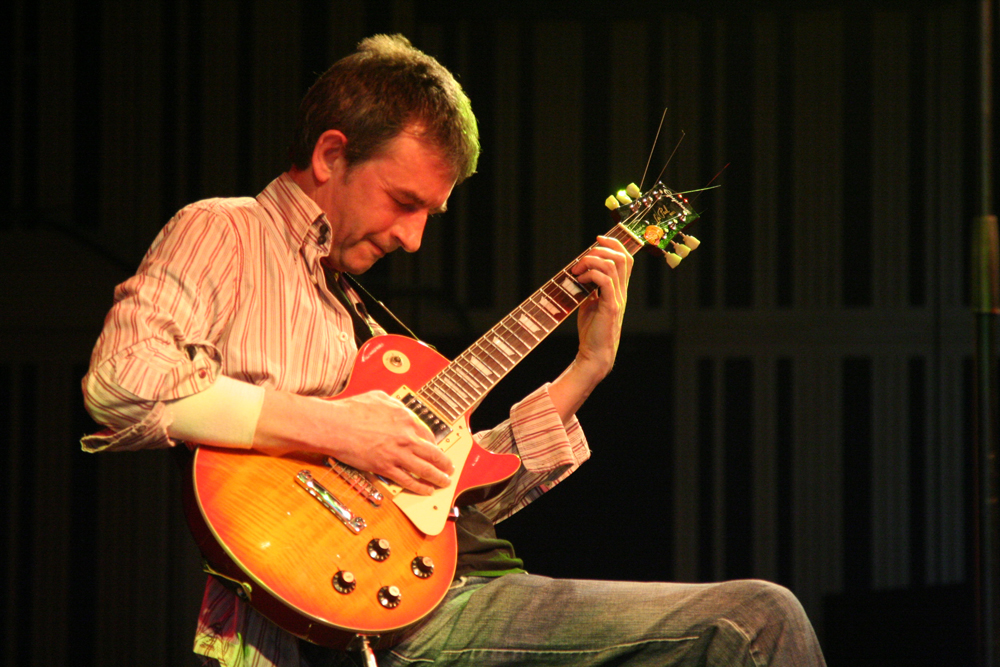
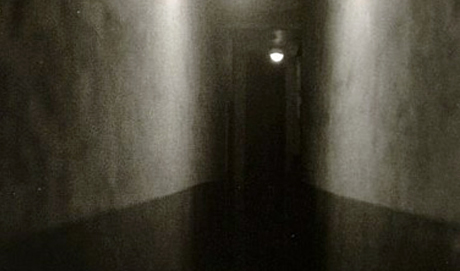
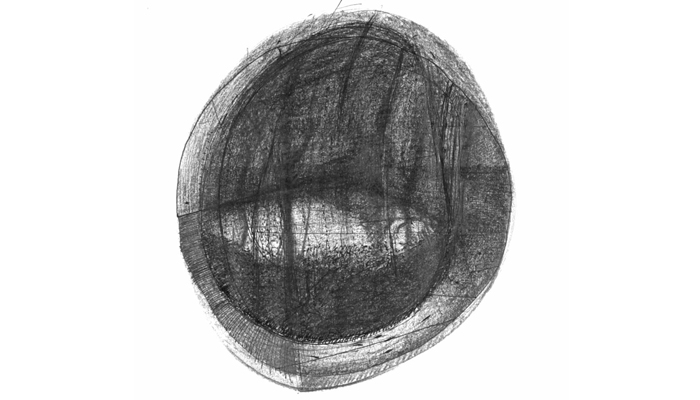
A beautifully crisp, slowly evolving duo for cello and projected images. Abstract but still figurative; change only noticeable after the fact.
Arika have been creating events since 2001. The Archive is space to share the documentation of our work, over 600 events from the past 20 years. Browse the archive by event, artists and collections, explore using theme pairs, or use the index for a comprehensive overview.
A beautifully crisp, slowly evolving duo for cello and projected images. Abstract but still figurative; change only noticeable after the fact.
‘Ten Pieces in the Form of Painful Variations’ for piano, an impossible score that looks like a grapeshot musical stave, a text of barbed loathing and doubt – an anti-composition.
Film and sound stripped of ‘content’ and experienced spatially, to be looked at not on the screen but in the space of the gallery
One-shot sonic portraits of 4 houses, their inhabitants and their relationship to sound, from 2 of the most deep-thinking field-recording artists around.
Setting up a minimal procedure to explore the interaction between a person and the (documentary) film/ video process. What initially seems simple ends up contrarily distanced and intimate, public and private.
HEAVY Japanese super group, featuring the sundown delta blues of Kan Mikami, Toshi Ishizuka’s heavy, time folding drumming and Masayoshi Urabe on sax, harmonica and chains.
Temporary Outpost for an Auditory Gesture is a kind of performed installation that explores how sonic phenomena (like feedback, vibration, resonance, echo, rhythm) condition our experience.
A crash-course in pre-figurative, radical, queer, anti-racist, anti-police, anti-prison, anti-deportation abolitionist politics and trans-resistance.
A collaborative performance where sound and image are created, performed and mediated by light, water and glass.
No Wave, damaged garage jams and crazed instant vocal shrieks.
Taking our festivals south of the border to The Sage Gateshead we set out to offer a few cardinal pointers in the vast array of experimental music practices.
What kind of listening and acknowledging do we offer each other? What is it to listen to an ‘elsewhere’, and do we ever do anything else when we listen to music?