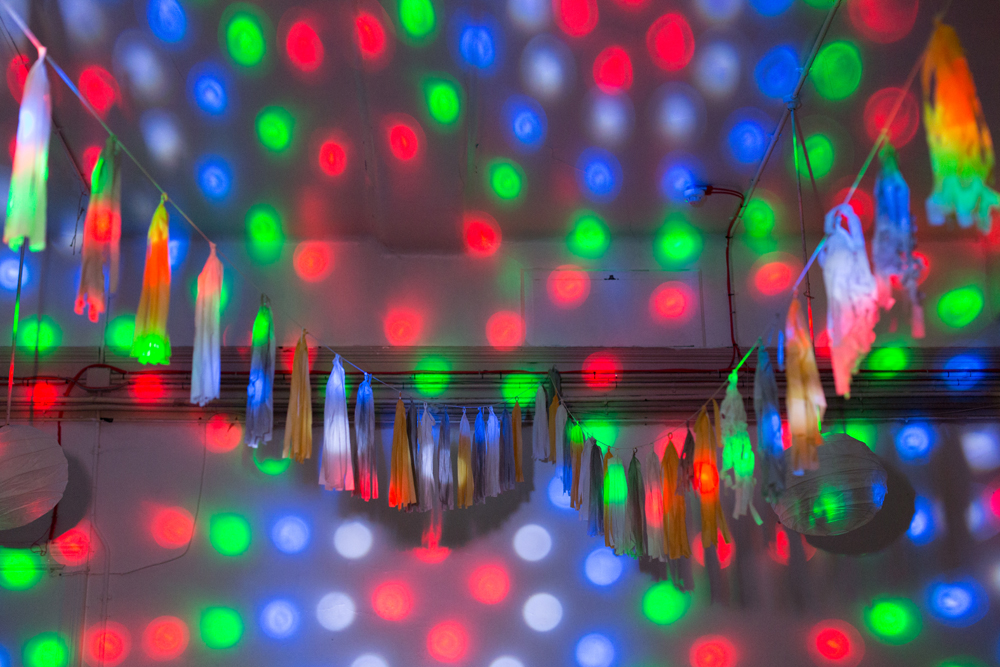
Party & Unity Fundraiser
DJ D-Harsh Dj@Christelle Moor Mother Nena Etza
Social and party with all proceeds going to the Unity Centre, featuring DJ SETS with Dj@Christelle, DJ D-Harsh, Nena Etza & Moor Mother.
Arika have been creating events since 2001. The Archive is space to share the documentation of our work, over 600 events from the past 20 years. Browse the archive by event, artists and collections, explore using theme pairs, or use the index for a comprehensive overview.
Social and party with all proceeds going to the Unity Centre, featuring DJ SETS with Dj@Christelle, DJ D-Harsh, Nena Etza & Moor Mother.
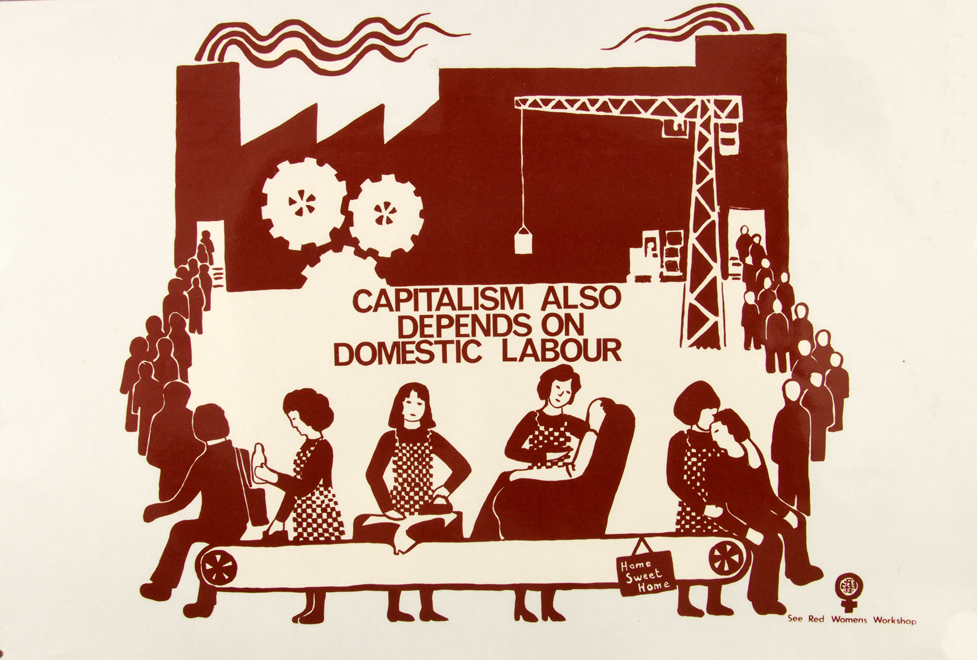
This session focuses in on the defiant mutual aid practices of early and DIY feminist movements in the UK, that attempted to shift and radicalise care and kinship away from the domain of the nuclear family.
Cardboard boxes, metal guitar, critical homage, attempts to describe things you can’t describe. A one-man Grand Guignol school play.
How do we sense entanglement? Can the knotting of ropes according to a poem’s rhythm make the social pulse of language matter?
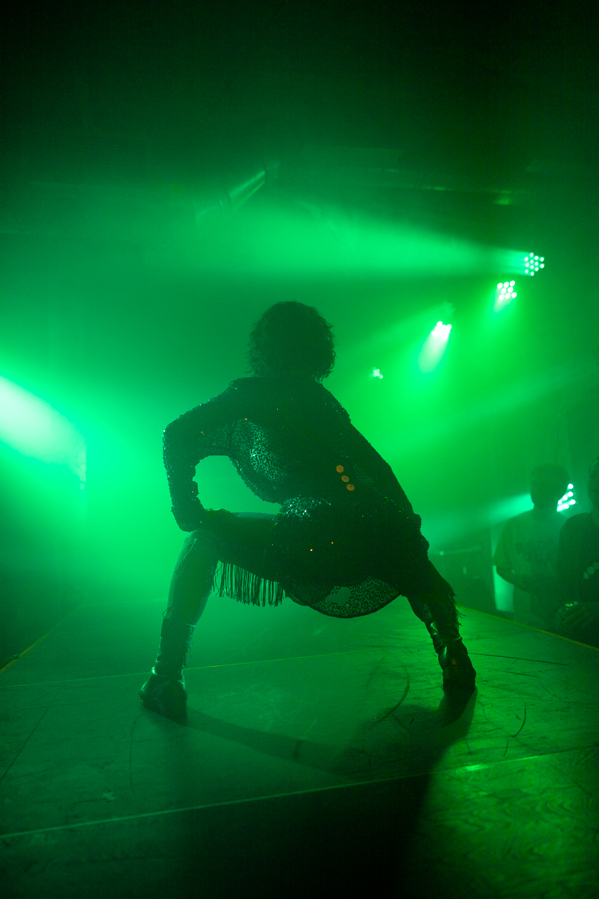
Is it possible to dance our way out of the hardened stances and identity prisons we are locked in?
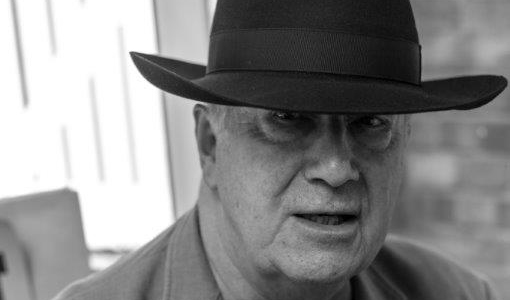
A chat with Rashad about the communist, conceptual methodology that informs his ground-breaking synthetic music—a form of speculative sonic fiction writing to produce hyperreal non-representational auditive experiences.
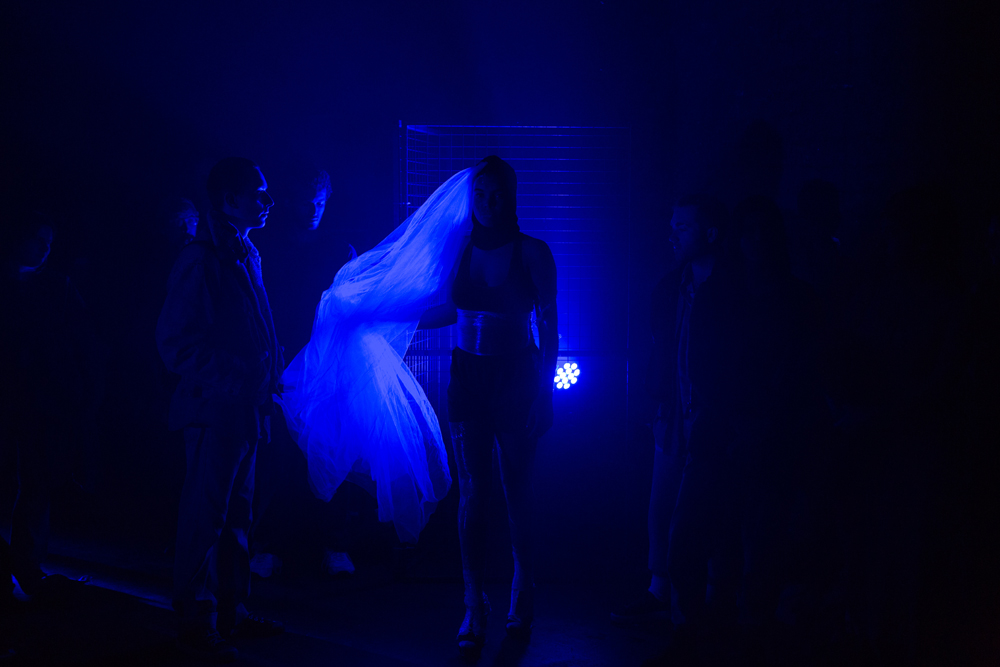
Mashed up queer fantasy of worker’s revolts, biblical demons and present-day hells, and dubbed out cyborg-electro.
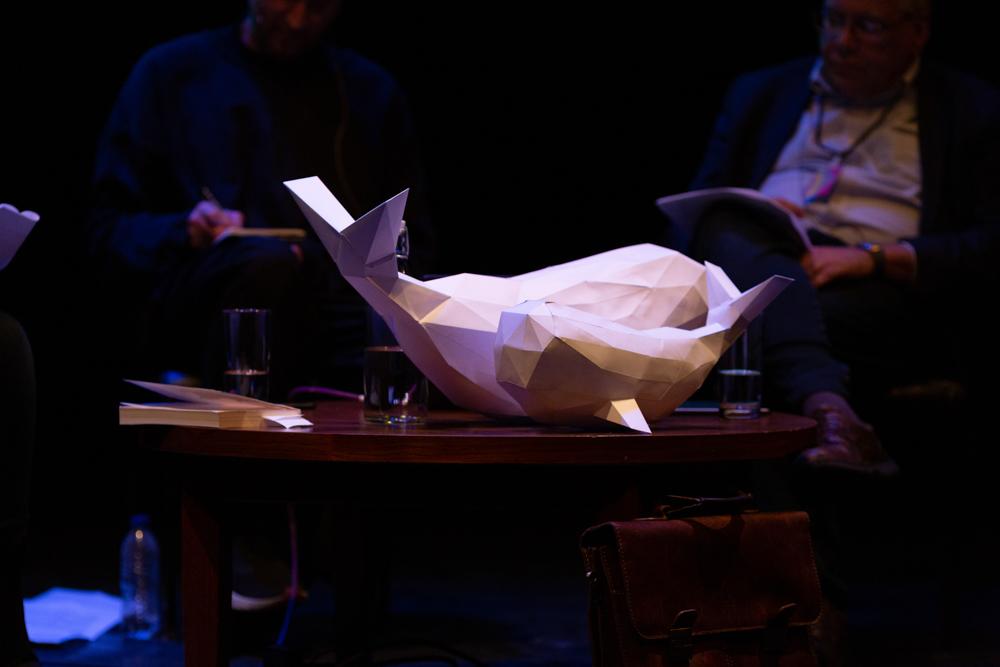
“The miracle of Herman Melville is this: that a hundred years ago in Moby Dick…he painted a picture of the world in which we live, which is to this day unsurpassed.” – C. L. R. James
What does it mean to listen with the mind as well as the ears? A solo performance from the great avant-garde pianist.
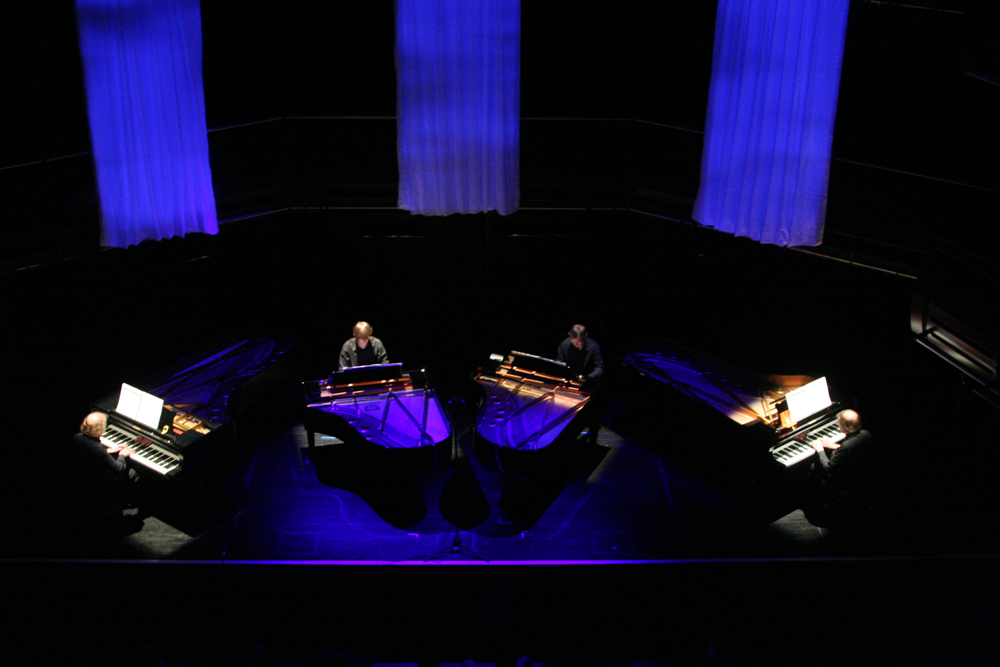
Julius Eastman’s Evil Nigger for 4 pianos performed by Joe Kubera, Kate Thompson, David Murray, Alan Fearon and Simon Passmore.
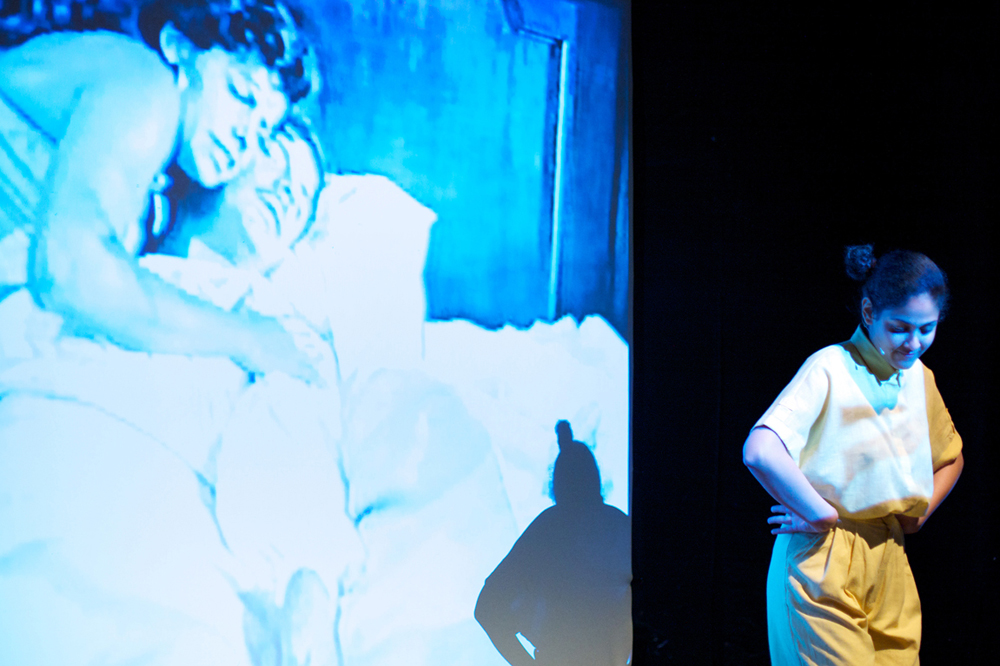
A performed film lecture exploring how the ‘Rumberas’ of Caribbean cinema of the 40’s and 50’s subverted demeaning images of themselves through dance, sound and a sociality that insisted on blackness as being a cultural performance, not simply due to skin colour.
Do ideas emerging from particle physics help to re-think of blackness as a mode of life in which it’s possible to practice difference without separation?