Smith/Stewart
Smith/Stewart
Smith/Stewart set up allegorical situations over which they often have little to no control, but which instigate explorations of dependence and trust, the body, sex and death.
Arika have been creating events since 2001. The Archive is space to share the documentation of our work, over 600 events from the past 20 years. Browse the archive by event, artists and collections, explore using theme pairs, or use the index for a comprehensive overview.
Smith/Stewart set up allegorical situations over which they often have little to no control, but which instigate explorations of dependence and trust, the body, sex and death.
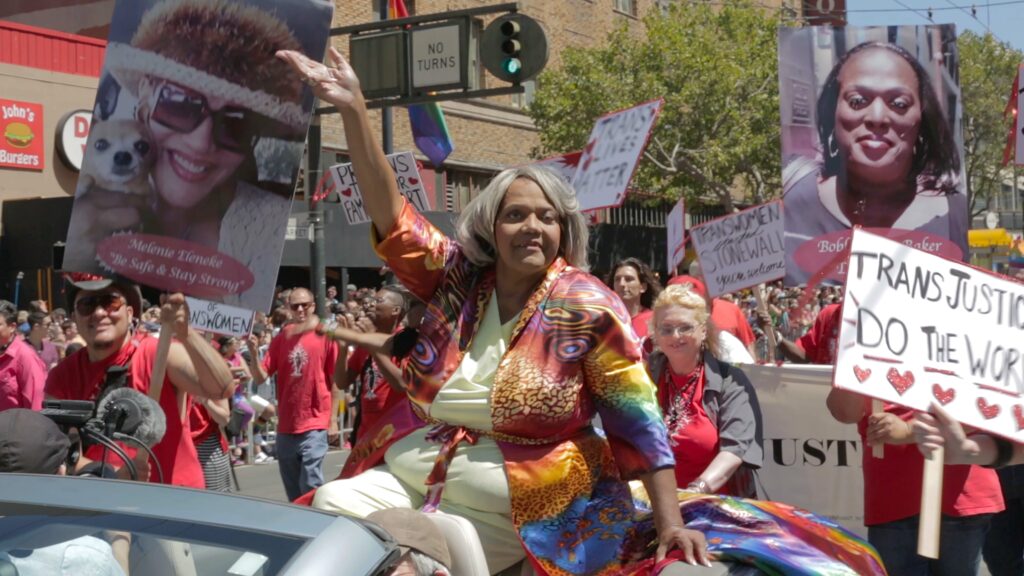
How do communities formed under the duress of violent othering and the joy of solidarity – such as ballroom culture, Black diasporas, Zapatistas – reform bonds of kinship?
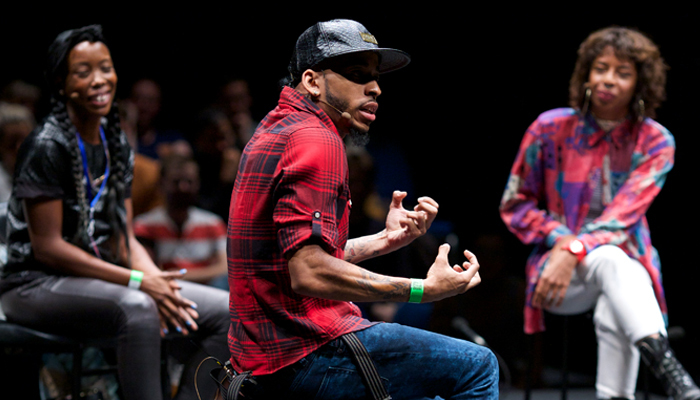
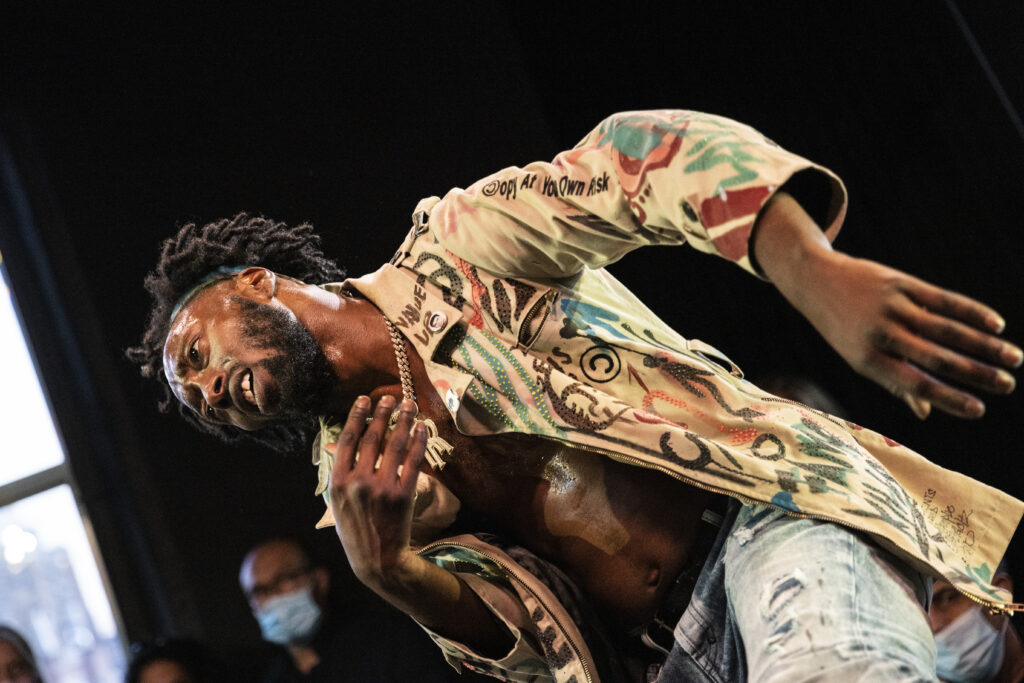
A freestyle performed conversation for bodies and voices – with the Queen of Krump, the master of Vogue Femme Dramatics and the rising star of Vogue Women’s Performance.
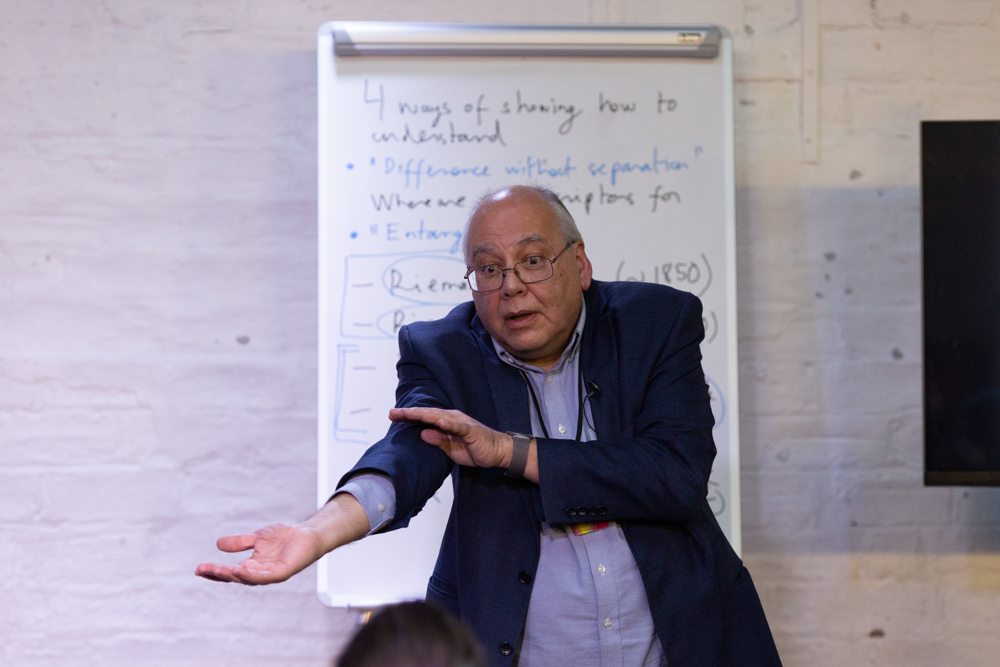
Fernando thinks that when maths is deep, it should be simple and able to be explained by hand gestures. By embodying ideas, we’re able to more clearly think about their cultural implications.
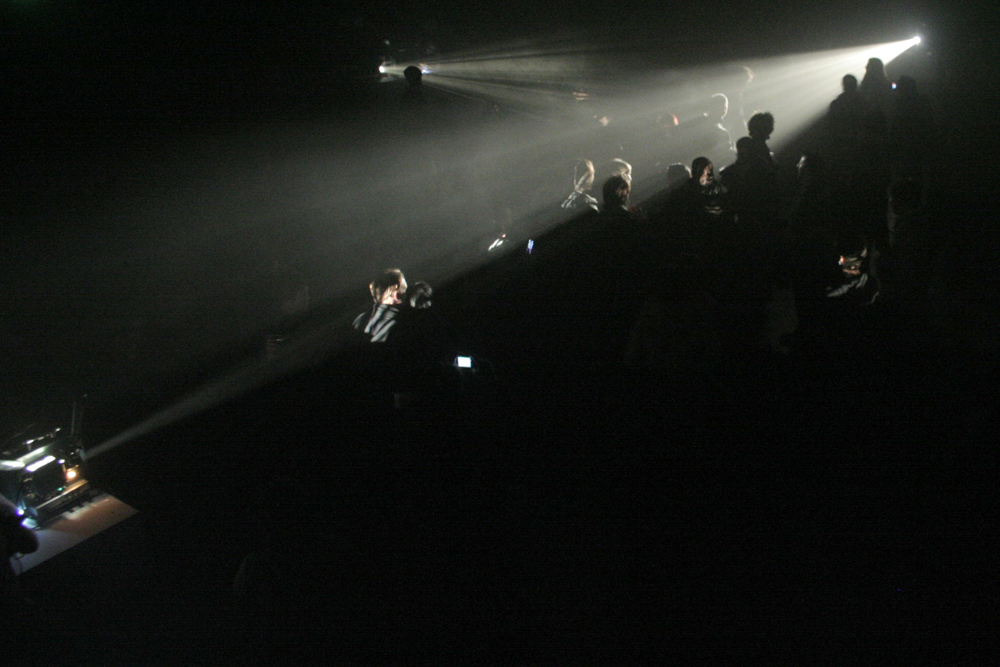
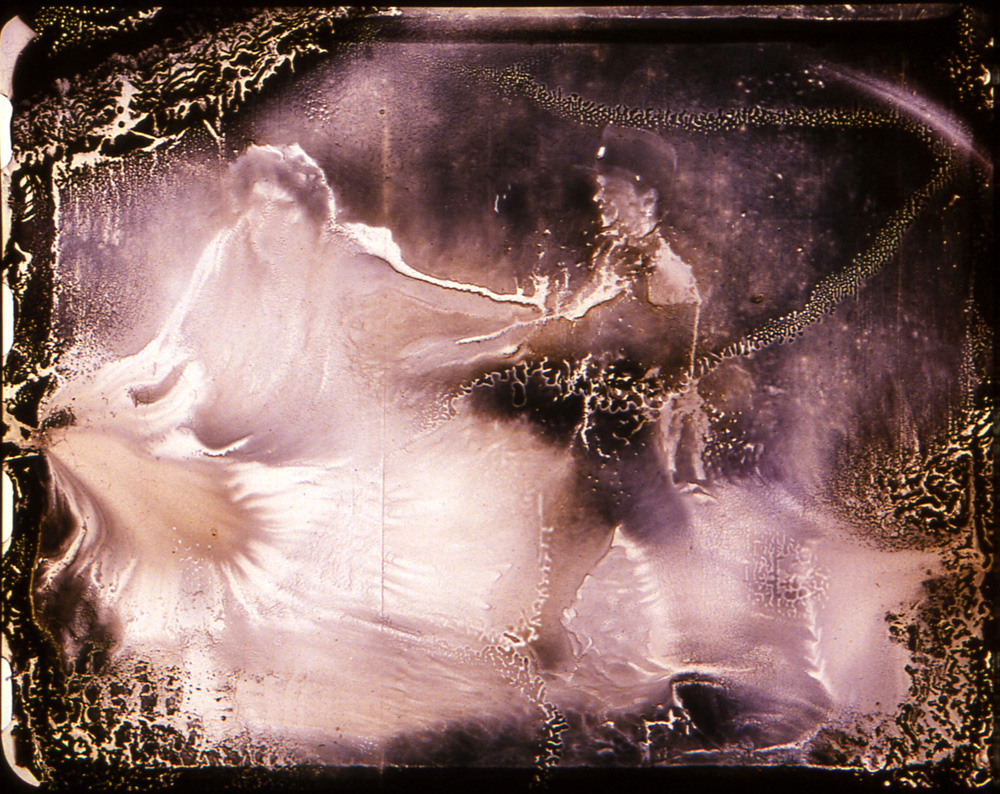
Out of a dark haze, shafts of light emerge, as the emulsion is scratched from the surface of the film. Simultaneously, out of the black silence, noise and audible scratches bloom into a bright drone.
Jacobs’ pulsing and abstract 3D Nervous Magic Lantern performance grounded by Eric La Casa’s manipulated recordings of everyday locations.
Akio Suzuki and John Butcher performing in an abandoned oil tanker on Hoy.
Live in person at Performance Space New York and live-streamed everywhere! Watching Storyboard P dance feels like glimpsing into another world.
Each film in this programme celebrates process; the decay of emulsion, the properties of dust and dirt, the manipulation of time. Post the dawn of the digital age, we reflect on our love of the film form, celluloid as an object, a medium and a physical entity.
An assembly to try and provide some experiential and theoretical resources for the renewal of a certain affective, extra-political sociality, in the face of one of our great adversaries; the forces of colonial, imperial, genocidal denial.
Final workshop exploring work, care and class. Does the ‘care industry’ summon forth its own class? Can this ‘affective class’, in their ability to care for others, militate against the carelessness of self-interest?
Hartmut led “a workshop in the old-fashioned way of discussion, mutual exploration of ideas and samples; trying out what can be shared and where the fault lines show.”