alva.noto
alva.noto
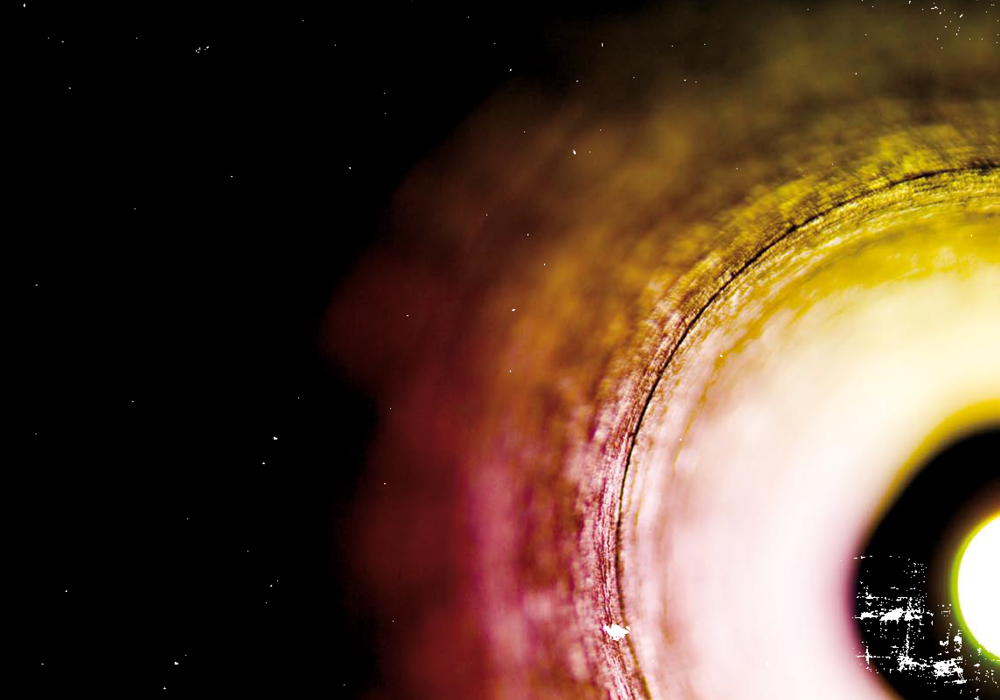
Patented 60 cycle hums, static pops, and terse electron pinpricks mutated into perfect, post-techno grooves and synaesthesic video
Arika have been creating events since 2001. The Archive is space to share the documentation of our work, over 600 events from the past 20 years. Browse the archive by event, artists and collections, explore using theme pairs, or use the index for a comprehensive overview.
Patented 60 cycle hums, static pops, and terse electron pinpricks mutated into perfect, post-techno grooves and synaesthesic video
Electronic music, time, thought, the word, and consecutive matters
In 2008 we toured our Kill Your Timid Notion festival of experimental sound and image to London, Bristol and Glasgow, bringing audiences a taste of the previous 5 festival editions.
A movement-based workshop on Krump and the politics of how we teach, learn and listen with our bodies. Move with us!
One of the most compelling Indigenous voices of her generation discusses practices of Indigenous Resurgence drawn from Nishnaabeg poetic knowledge.
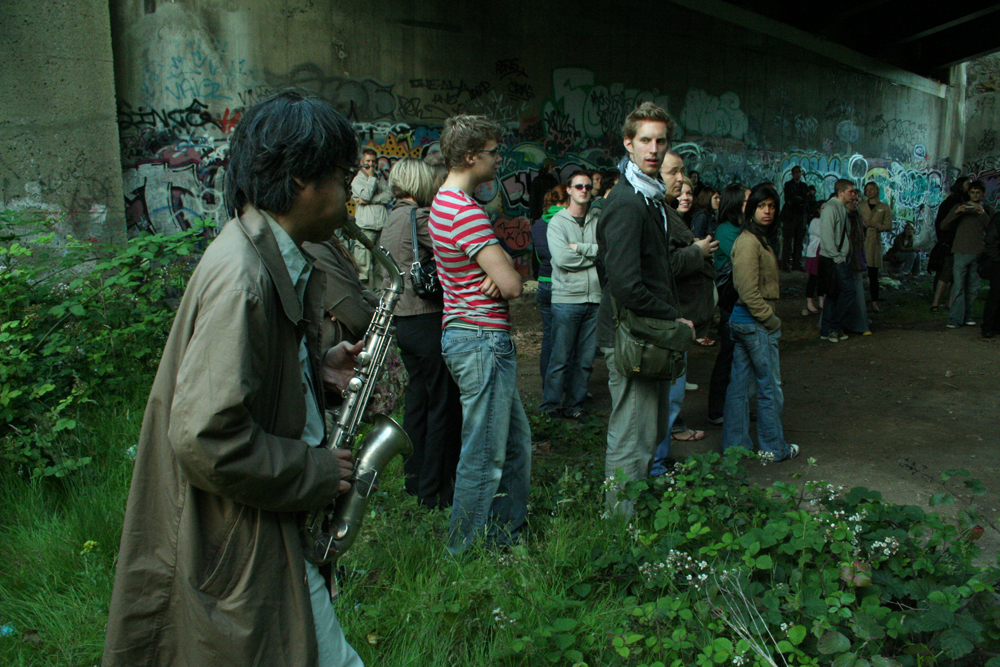
A concrete walkway ending in mid air, a ridiculously tight squeeze between three office buildings and various other sites of Labour politician and council leader T. Dan Smith’s modernist regeneration projects and ‘slum clearances’ of the 1950’s and 60’s.
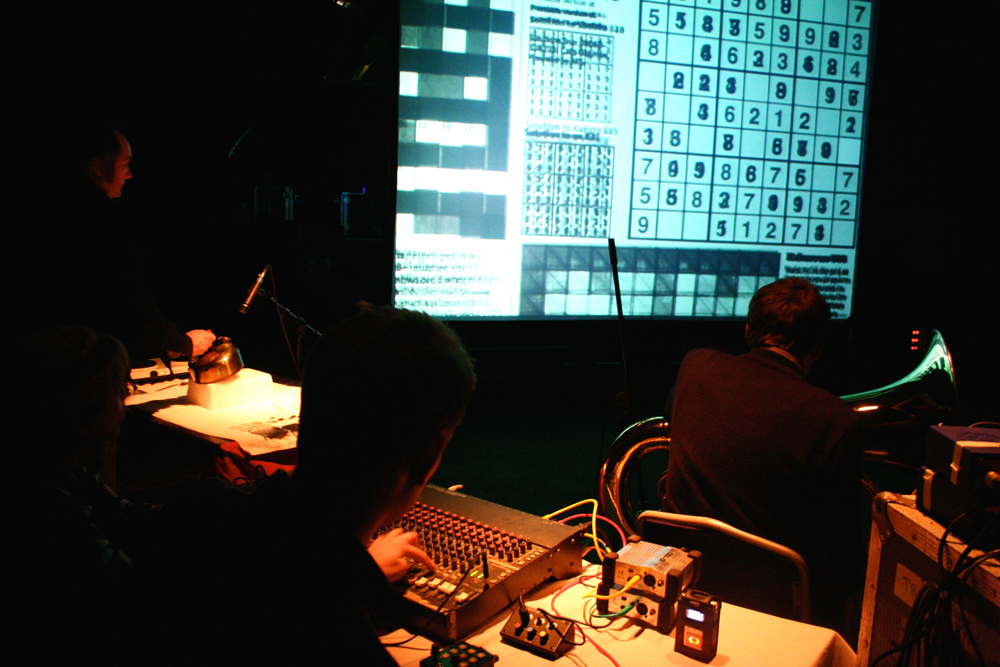
Performance of a Sudoko based graphic score giving rise to a process of self cancellation.
This session focuses in on the defiant mutual aid practices of early and DIY feminist movements in the UK, that attempted to shift and radicalise care and kinship away from the domain of the nuclear family.
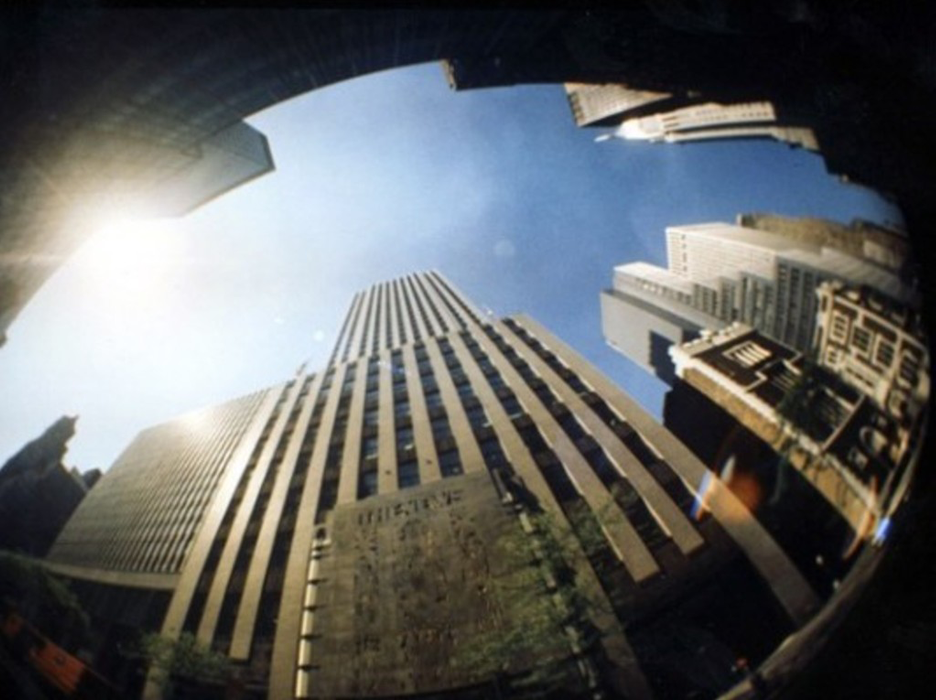
Includes: a polish counting lesson, around NYC with D A Pennebaker, a portrait of a tower block, a man with a spade, at home with KYTN regular Guy Sherwin, a cinematic Blair Witchish cut-up and a song for some swings.
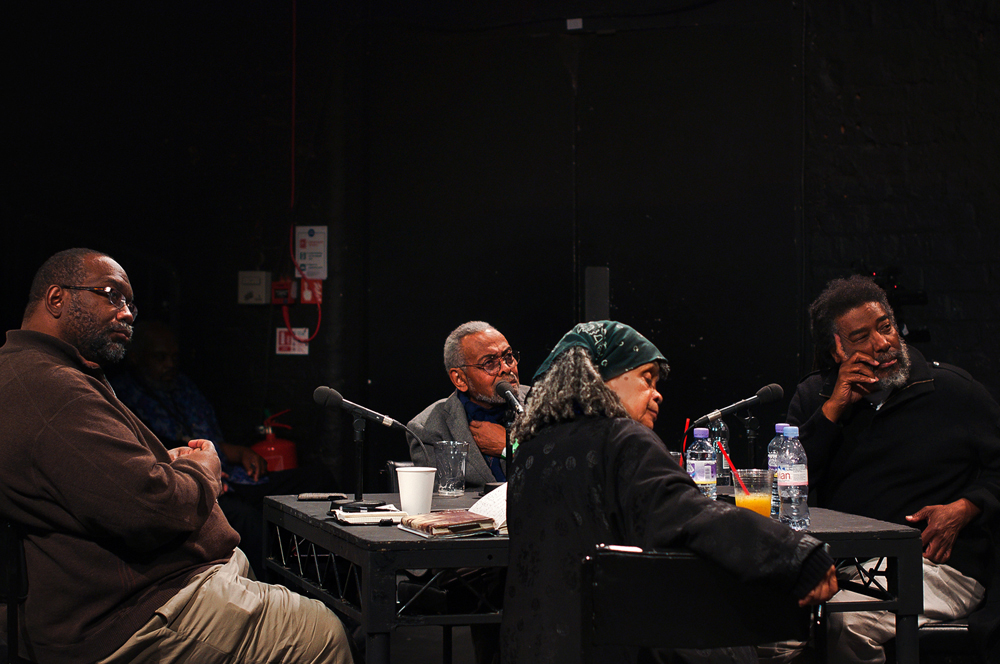
How does this practice, that simultaneously resists and honours the distinctions between these genres, materials and senses, determine the inhabitation of another: a convergence of aesthetic and social experimentation?
What kind of listening and acknowledging do we offer each other? What is it to listen to an ‘elsewhere’, and do we ever do anything else when we listen to music?
How do you know what you want? Should freedom be doing what you ought, not doing what you want? How might a philosopher and artist turn this thinking into an enabling condition in the context of noise and improvisation?