Tell Me About It – Human Library®
Scotland for Decrim The Human Library®
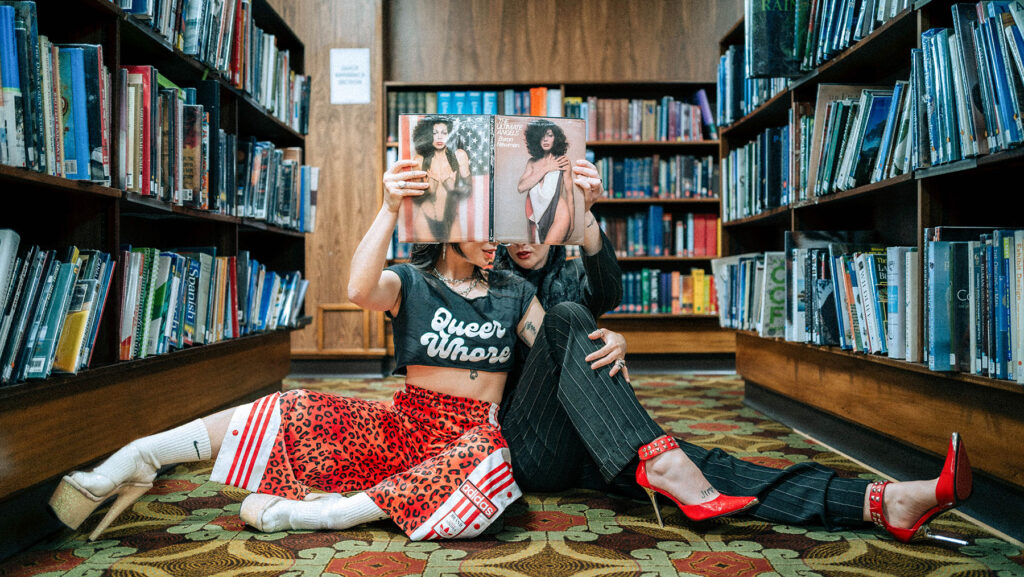
Imagine entering a library where readers can borrow human beings serving as open books. Then select a book stack that specialises in sex work.
Arika have been creating events since 2001. The Archive is space to share the documentation of our work, over 600 events from the past 20 years. Browse the archive by event, artists and collections, explore using theme pairs, or use the index for a comprehensive overview.
Imagine entering a library where readers can borrow human beings serving as open books. Then select a book stack that specialises in sex work.
Each organ is unique. The project is to find out what makes it unique.
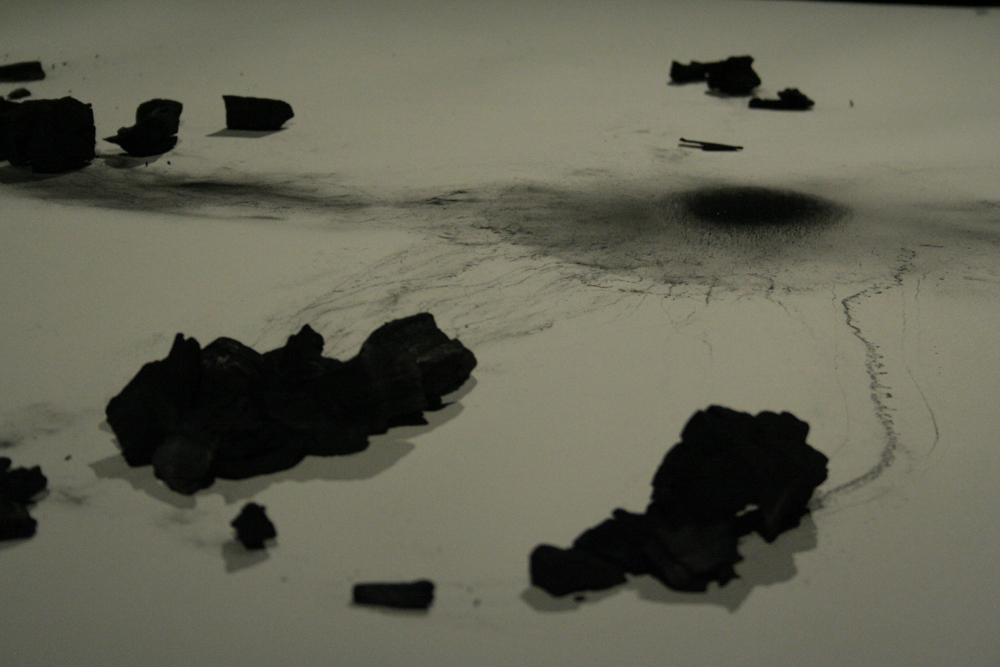
Laser beam sine tones used to draw delicate, abstract patterns by vibrating charcoal, placed atop of a great strip of paper running through the gallery; beautiful, fragile sound-created autonomous drawing.
A recreation of one of Gustav Metzger’s celebrated auto destructive performances.
An improvised film about our worlds at the brink, on the edge, in front of a crisis. To stand on the side of life, by seeing the resistance to genocide in Palestine as a turning point to overcome.
Three days of discussions, performances, actions, dancing and food – continuing No Total’s ongoing contemplation of ways of being together and the ways Arika have been entangled in those, ever since Episode 4.
Profound mathematical ideas for romantics, to help us linger in the difference we share.
An event exploring anarchic and communal situations of musical creation with MV, EE and The Cherry Blossoms.
A trance inducing, flickering investigation of structural and minimalist droning from one of the key thinkers in sound and image over the last 50 years
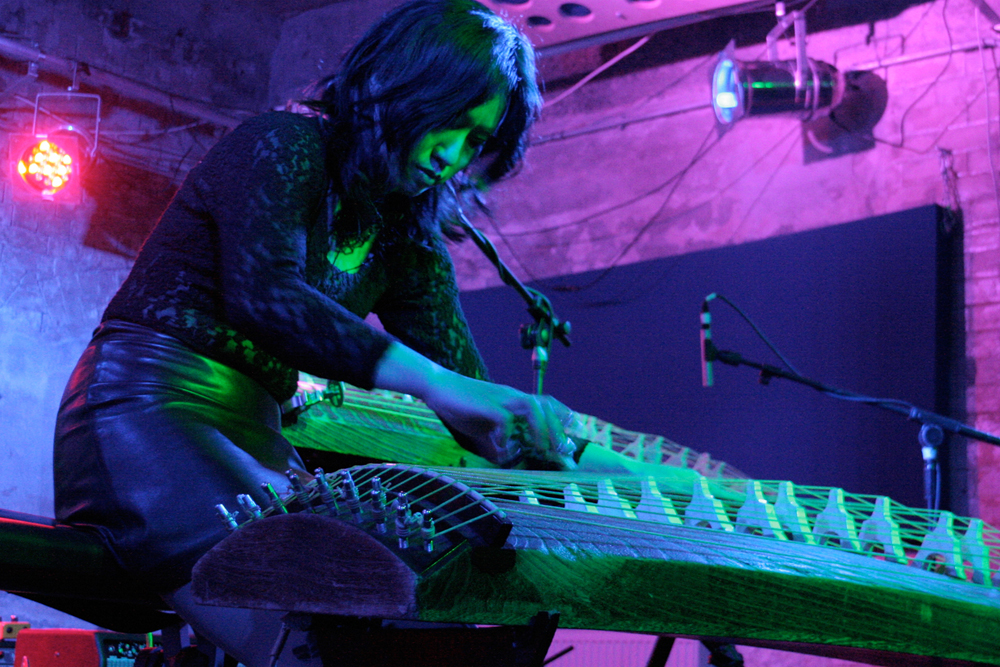
Sometimes delicate, sometimes harsh and jarring, Yagi’s koto solos are as much inspired by Nancarrow or Cage as they are traditional.
Moor Mother is a musician, Philadelphian housing activist and black quantum futurist.
The Songspiels take on a mode of musical theatre developed by playwright Bertolt Brecht and composer Kurt Weill in the early twentieth century, presenting political and social concerns through the accessible and (often funny) form of song.